




Staying Healthy on Your Tanzania Safari
Tanzania is a safe and welcoming destination, but like any tropical country, it has health considerations that require preparation. The good news: with basic precautions, the vast majority of travelers have zero health issues. Here's what to know and how to prepare.
Malaria
Malaria is the most significant health risk for Tanzania visitors. The disease is transmitted by mosquitoes and is present throughout Tanzania, including all safari parks and Zanzibar.
- Prevention: Take antimalarial prophylaxis — consult your doctor or travel clinic 4–6 weeks before departure. Common options: Malarone (atovaquone-proguanil), doxycycline, or mefloquine.
- Mosquito avoidance: Use DEET-based insect repellent (30%+ concentration) on exposed skin at dusk and dawn. Wear long sleeves and trousers in the evening. Sleep under mosquito nets (provided at all lodges and camps).
- Symptoms: Fever, chills, headache, muscle aches appearing 7–30 days after a bite. Seek medical attention immediately if you develop flu-like symptoms during or after your trip.
Required and Recommended Vaccines
Required
- Yellow fever: Required if arriving from or transiting through a yellow fever endemic country (includes Kenya, Ethiopia, Uganda). Get vaccinated at least 10 days before travel. See our visa and entry requirements guide.
Recommended
- Hepatitis A: Transmitted through contaminated food and water. Highly recommended for all travelers.
- Typhoid: Recommended, especially if you'll be eating outside of hotels and lodges.
- Hepatitis B: Recommended for longer stays or if you may need medical treatment.
- Tetanus/diphtheria: Ensure your routine boosters are up to date.
- Rabies: Consider if you'll be in remote areas far from medical facilities, or if you'll have close contact with animals.
Altitude Sickness
Relevant if your itinerary includes the Ngorongoro Crater rim (2,300m) or especially if combining with a Kilimanjaro climb.
- Ngorongoro: Mild altitude effects (headache, slight breathlessness) are possible but rarely serious. Stay hydrated, limit alcohol, and move slowly on your first evening at the rim.
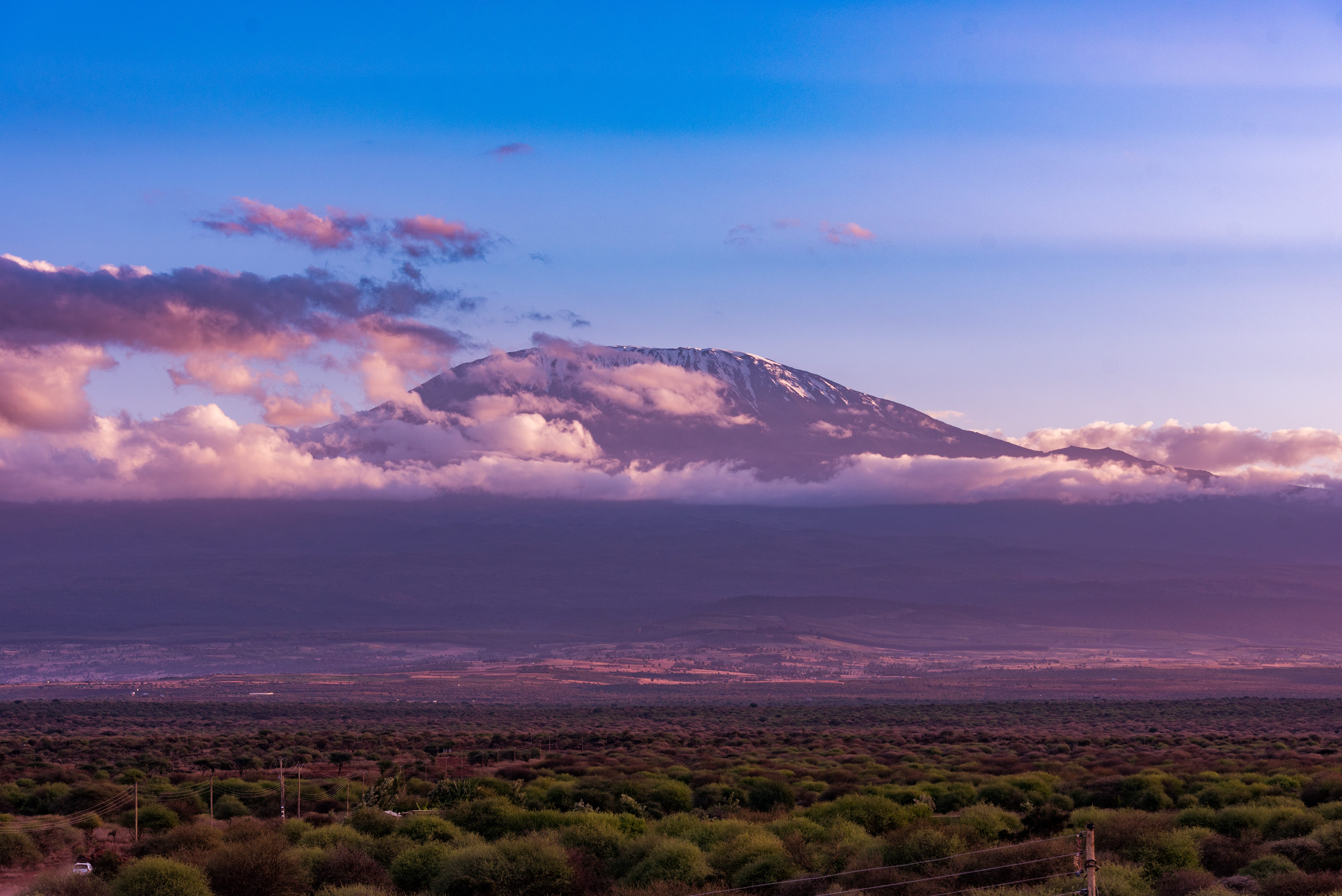
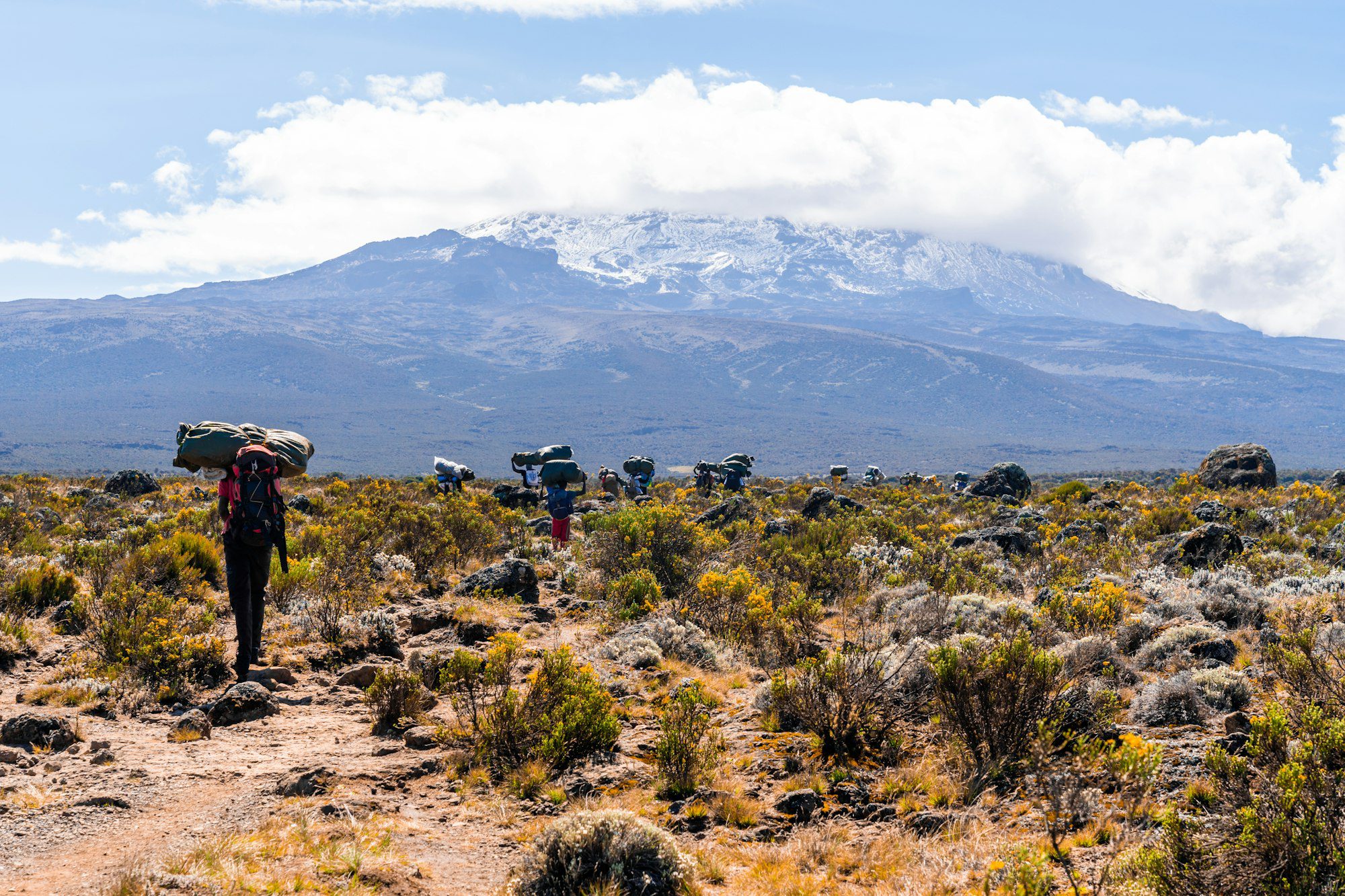
- Kilimanjaro: Altitude sickness is the primary risk above 3,000m. Choose a 7+ day route for proper acclimatization. Consult your doctor about acetazolamide (Diamox).
Traveler's Diarrhea
The most common health complaint for visitors to Tanzania. Prevention:
- Drink only bottled or purified water (provided at all camps and lodges)
- Avoid ice in drinks outside of reputable establishments
- Eat hot, freshly prepared food. Avoid raw salads from street vendors.
- Pack Imodium and oral rehydration salts as a precaution
Travel Insurance
Travel insurance is essential, not optional. Ensure your policy covers:
- Emergency medical evacuation: Critical. If you need evacuation from a remote park to Nairobi or Dar es Salaam, costs can exceed $50,000 without insurance.
- Medical treatment abroad: At least $100,000 coverage
- Trip cancellation: Safari bookings often have cancellation penalties
- Baggage and personal effects: Including camera equipment
Verify that your policy covers safari activities (most standard policies do) and adventure activities if you're climbing Kilimanjaro (not all do — check explicitly).
Medical Kit Essentials
- Prescription antimalarial medication (full course)
- DEET insect repellent (30%+)
- Sunscreen SPF 50+
- Anti-diarrheal medication (Imodium)
- Oral rehydration salts
- Antihistamines (for insect bites or allergic reactions)
- Plasters, antiseptic cream, blister patches
- Any personal prescription medications (bring extra supply)
Prepare with Confidence
Health preparation sounds daunting but it's really just a trip to your doctor or travel clinic 4–6 weeks before departure. Our pre-departure guides include health advice specific to your itinerary. Start planning your safari and we'll ensure you're fully prepared for a healthy, worry-free adventure.