




Safari Dress Code: What Works in the Bush
Dressing for a Tanzania safari isn't about looking the part — it's about comfort, protection, and not disturbing wildlife. After years of guiding, we know exactly what works and what travelers wish they'd left at home.
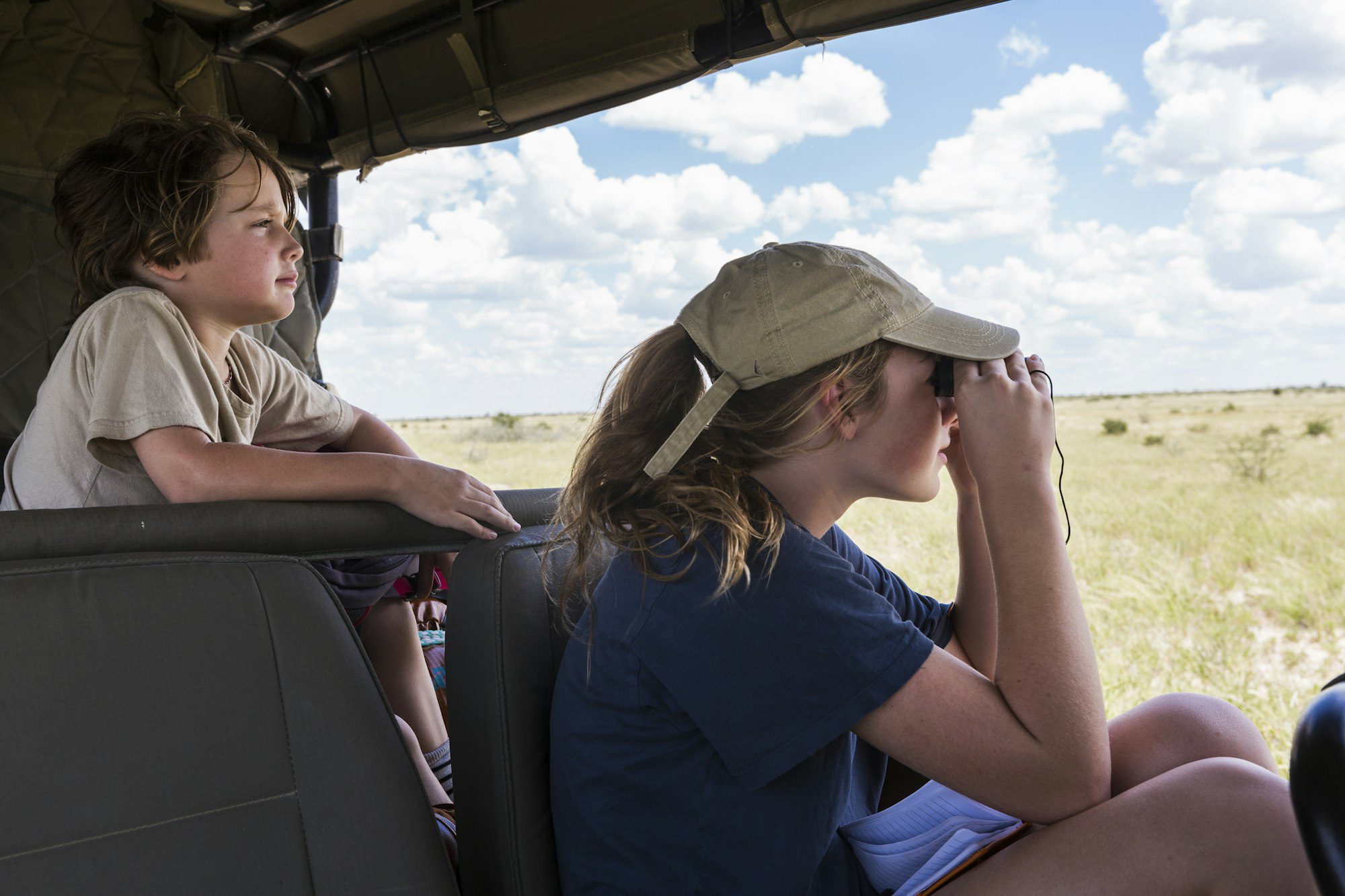
Best Colors for Safari
- Ideal: Khaki, olive, tan, stone, sage green, sandy brown — neutral earth tones that blend with the landscape.
- Acceptable: Muted greens, grays, and browns. Nothing bright.
- Avoid: Bright white (attracts tsetse flies, glares in photos, gets dirty instantly), dark navy/black (attracts tsetse flies, absorbs heat), and any bright colors (can disturb wildlife and look out of place in photographs).
- Banned: Camouflage/military patterns — wearing camouflage is illegal in Tanzania and can result in fines or confiscation. This law is enforced.
Layering: The Key to Safari Comfort
Tanzania's safari parks span multiple climates within a single day:
- Early morning (6 AM): Cold — 10–15°C on the Serengeti plains, even colder (5–10°C) at Ngorongoro. You need a warm fleece and windproof layer.
- Mid-morning to afternoon: Hot — 25–35°C. Strip down to a single lightweight shirt.
- Evening: Cools rapidly after sunset. Back to long sleeves and fleece.
The solution is layering: a long-sleeve base layer, a fleece or softshell mid-layer, and a light windproof or rain shell. Shed layers as the day warms, add them as it cools.
Recommended Clothing List
- 3–4 long-sleeve shirts: Lightweight, moisture-wicking, neutral colors. Long sleeves protect against sun and mosquitoes.
- 2–3 pairs safari trousers: Quick-dry, zip-off legs are genuinely useful. Avoid jeans (too hot, too heavy, attract tsetse flies).
- 1 warm fleece or softshell jacket: Essential for early mornings and Ngorongoro.
- 1 lightweight rain jacket: Packable and waterproof. Even in dry season, surprise showers happen.
- Wide-brimmed hat: The equatorial sun is intense. A hat with a chin strap survives open-roof vehicle wind.
- Buff/neck gaiter: Useful against dust and morning cold. Multipurpose and packable.
- Comfortable closed-toe shoes: For bush walks and camp paths. Lightweight hikers or trail shoes work well.
- Sandals: For relaxing around camp. Flip-flops are fine for lodges; enclosed sandals (like Tevas) for camps with rougher ground.
What Not to Wear
- Camouflage (illegal in Tanzania)
- Bright white (tsetse flies, dust, photos)
- Heavy denim jeans (hot, heavy, attract flies)
- Open-toe shoes on game drives (dust, safety)
- Perfume or cologne (attracts insects)
Laundry on Safari
Most lodges and many tented camps offer same-day or next-day laundry service (usually included in the rate). This means you need far fewer outfits than you think — 3–4 changes of clothes for a 7-day safari is sufficient. See our complete safari packing list for everything you need to bring.
Dress Smart, Travel Light
The best-dressed safari travelers are the ones who are comfortable, protected, and barely noticeable in the bush. When you book with us, your pre-departure pack includes clothing recommendations tailored to your specific itinerary, season, and parks. Start planning your safari.