




Tracking the Migration: Where Are the Herds?
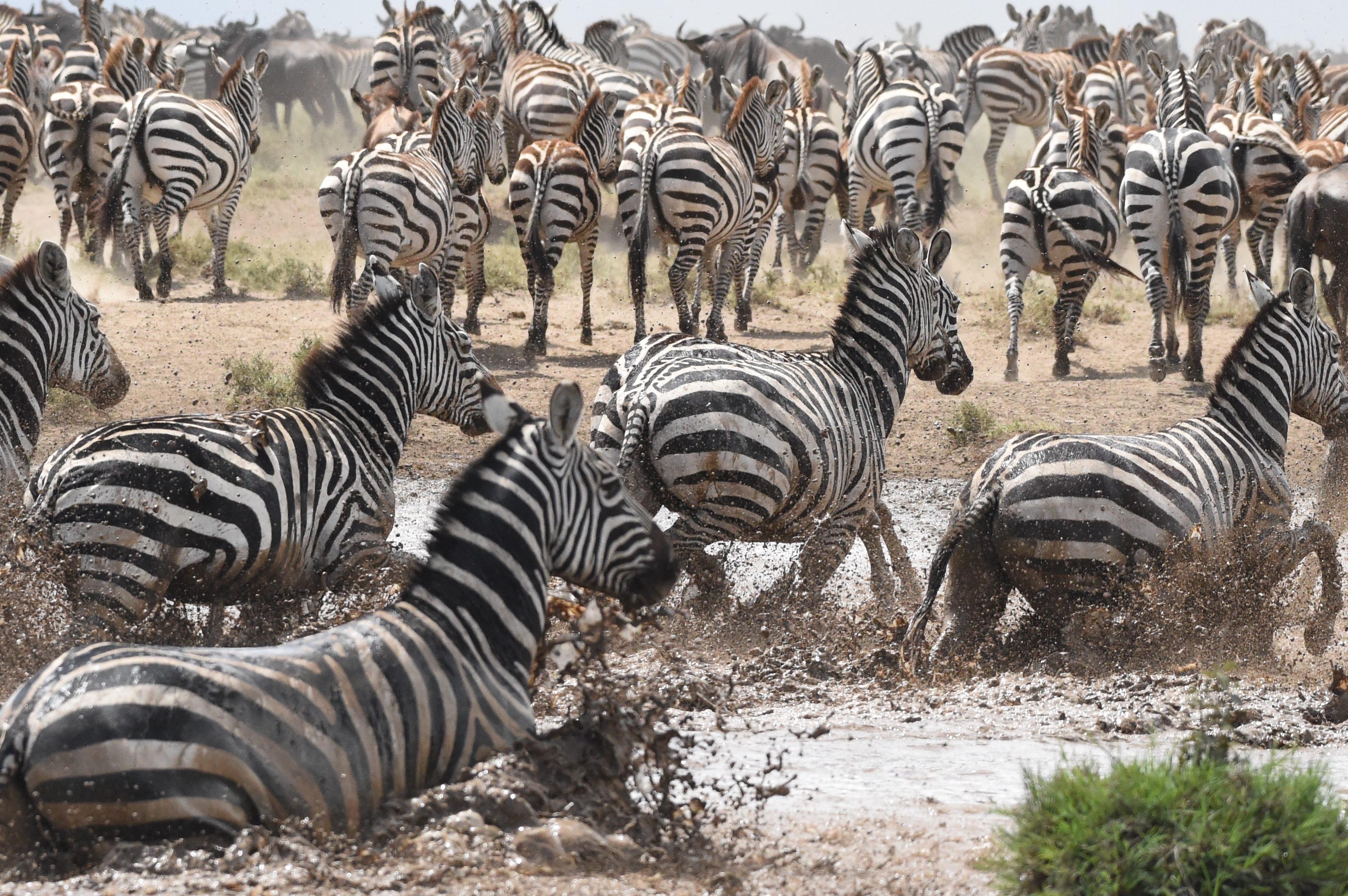
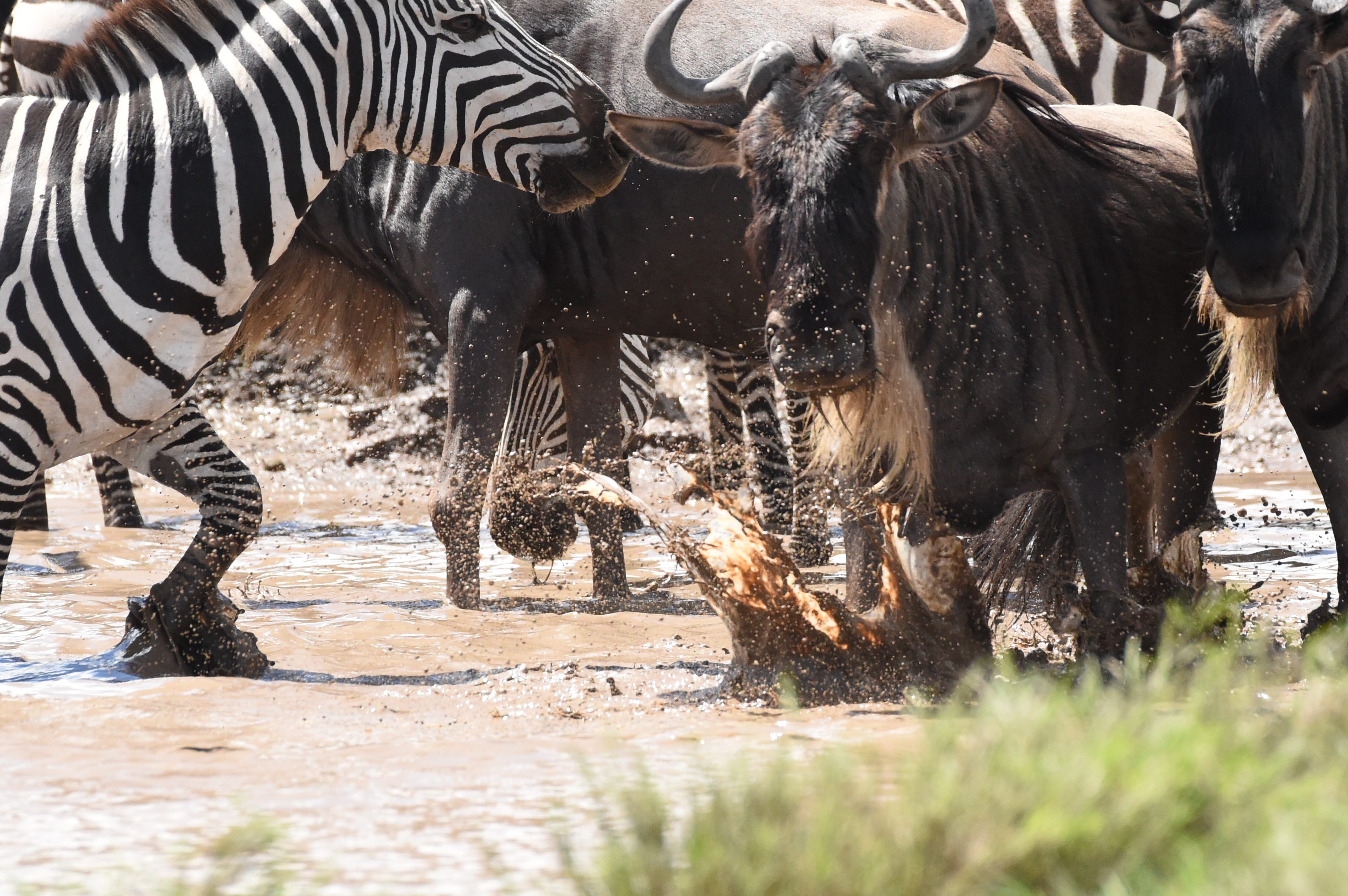
The Great Wildebeest Migration is a year-round cycle with no start or end. The herds move continuously through the Serengeti-Mara ecosystem, following rainfall and fresh grazing. While exact positions vary by 2–4 weeks depending on rain patterns, the general route is predictable. Here's where to find the migration each month.
Month-by-Month Migration Map
January
Location: Southern Serengeti / Ndutu plains. Event: Calving season begins. Herds mass on the short-grass plains. Predator activity intensifies. Best camps: Ndutu area.
February
Location: Southern Serengeti / Ndutu. Event: Peak calving — up to 8,000 calves born daily. Best predator viewing of the year. Best camps: Ndutu and southern Serengeti mobile camps.
March
Location: Central Serengeti. Event: Herds begin moving northwest as rains arrive. Good wildlife viewing in the Seronera area. Best camps: Central Serengeti lodges.
April
Location: Central to Western Serengeti. Event: Long rains. Herds spread out. Low season begins. Best camps: Central Serengeti (some western camps open).
May
Location: Western Corridor. Event: Massive columns moving toward the Grumeti River. Dramatic landscapes. Best camps: Western Corridor camps.
June
Location: Western Corridor / Grumeti area. Event: Grumeti River crossings begin. Herds face their first crocodile-filled obstacle. Best camps: Grumeti reserves and Western Corridor.
July
Location: Northern Serengeti. Event: Herds reach the Mara River. Early crossings begin. Dry season wildlife viewing peaks. Best camps: Kogatende, Lamai.
August
Location: Northern Serengeti / Mara River. Event: Peak Mara River crossings. Most dramatic wildlife viewing of the year. Best camps: Kogatende, Lamai. Book 6–12 months ahead.
September
Location: Northern Serengeti / some herds cross to Kenya's Mara. Event: Crossings continue. Late dry season concentrates all wildlife. Best camps: Northern Serengeti.
October
Location: Northern Serengeti, herds beginning to turn south. Event: Late crossings. Short rains approaching. Transition period. Best camps: Northern to central Serengeti.
November
Location: Central to eastern Serengeti. Event: Short rains trigger the return south. Herds move rapidly. Migratory birds arrive. Best camps: Central Serengeti.
December
Location: Southern Serengeti. Event: Herds arrive on the southern plains, completing the cycle. Preparation for calving. Best camps: Ndutu area, southern Serengeti.
Important Notes
- Timing varies: These are approximate positions. Rain (or lack of it) can shift the migration by 2–4 weeks in either direction.
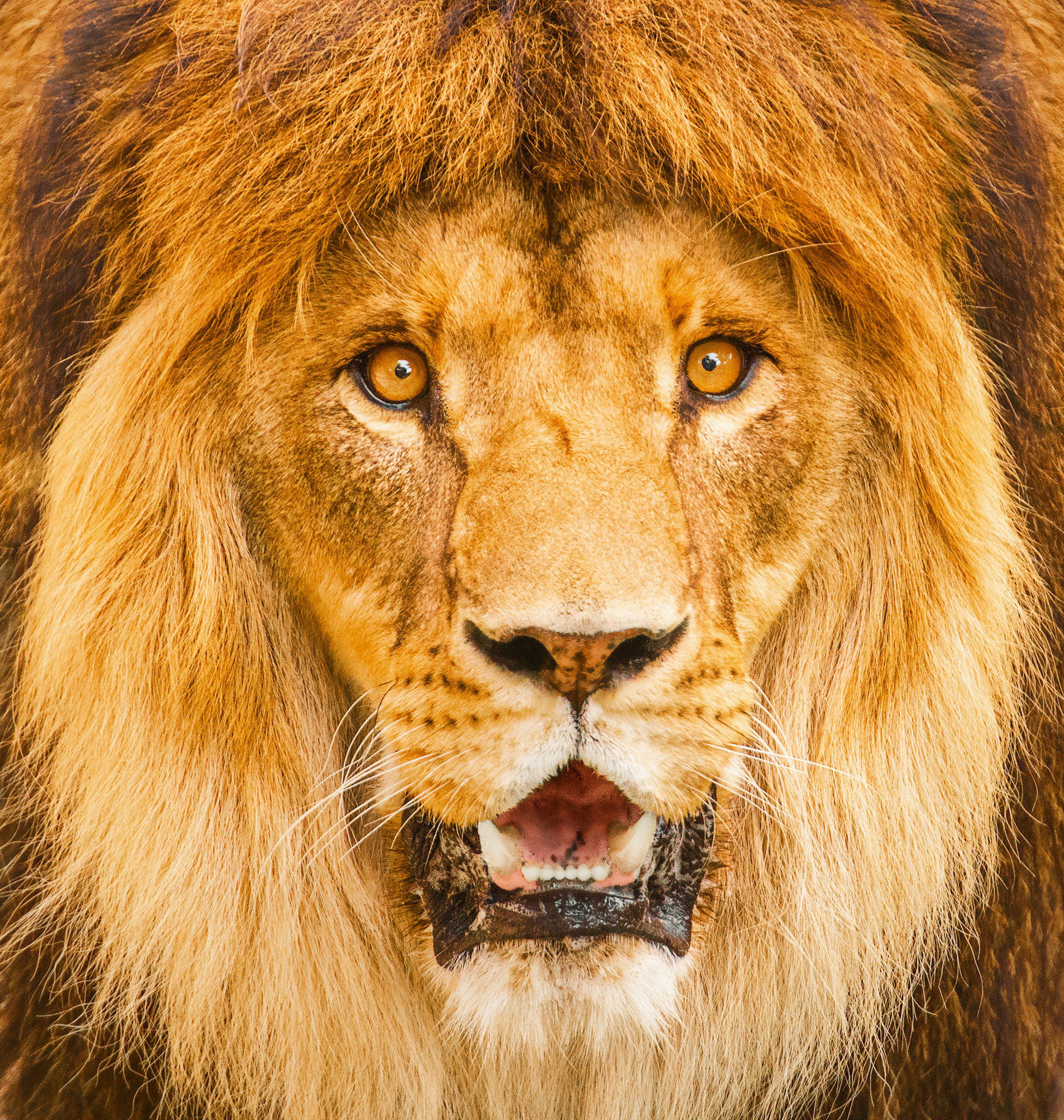
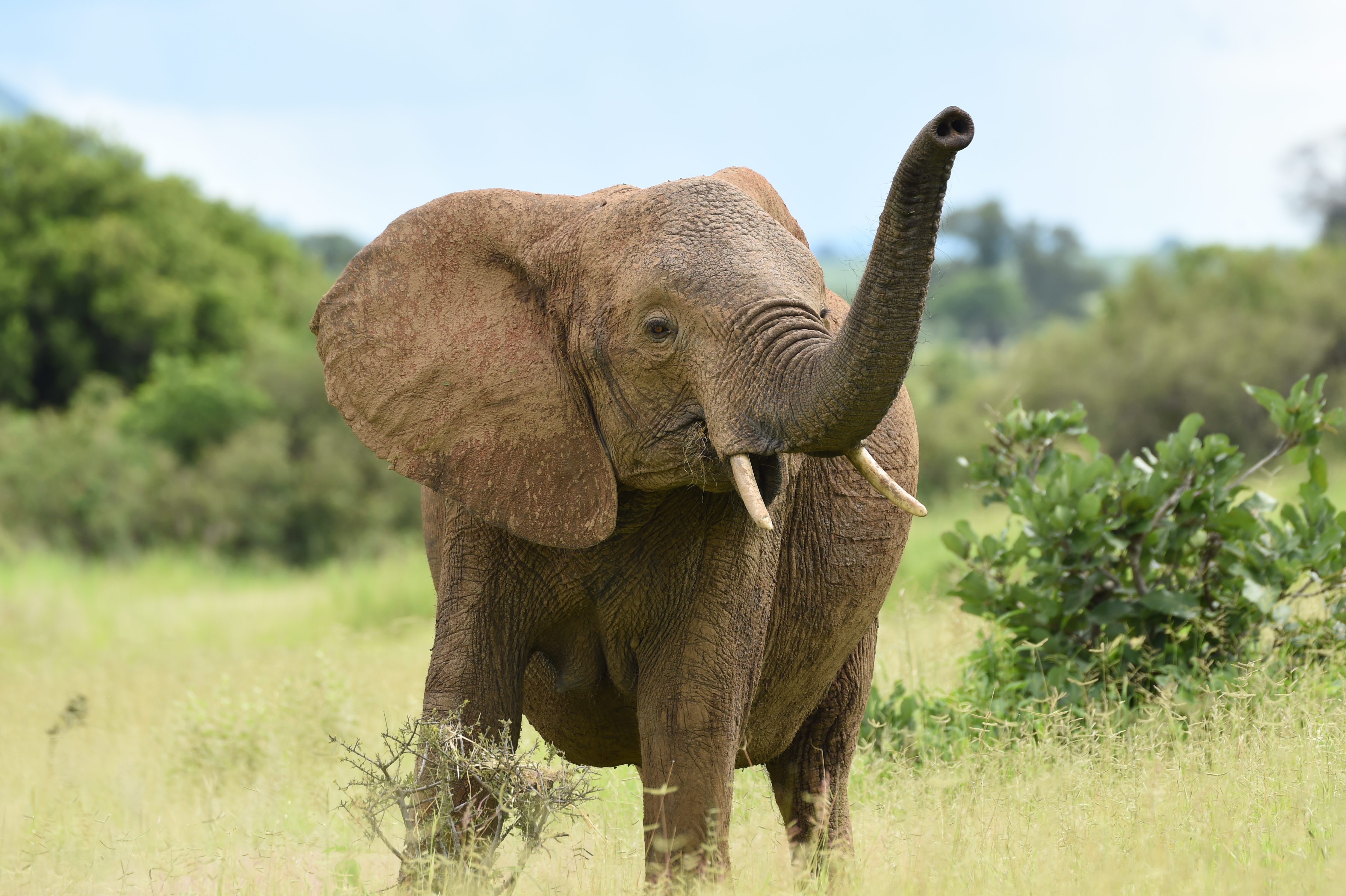
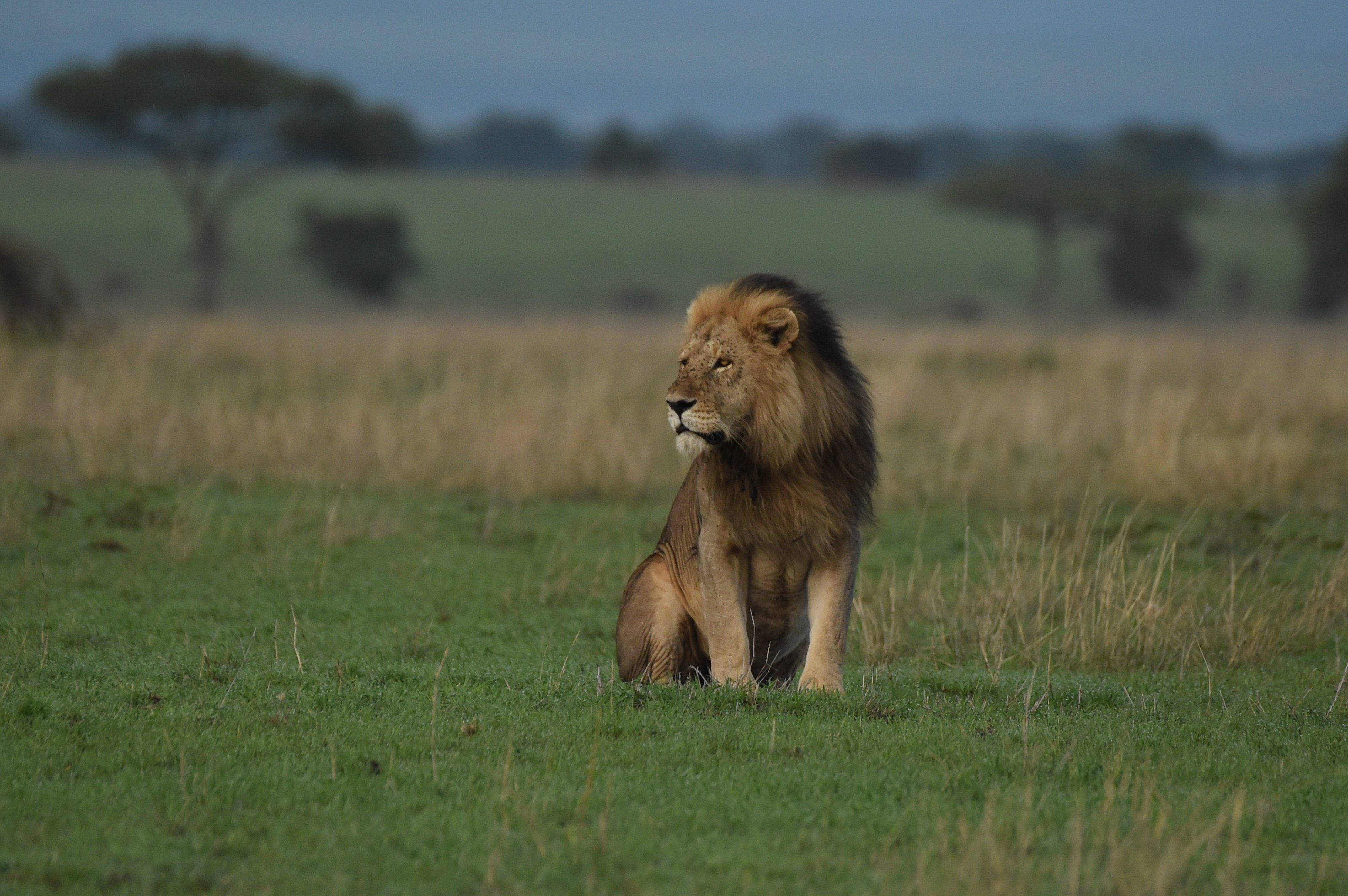
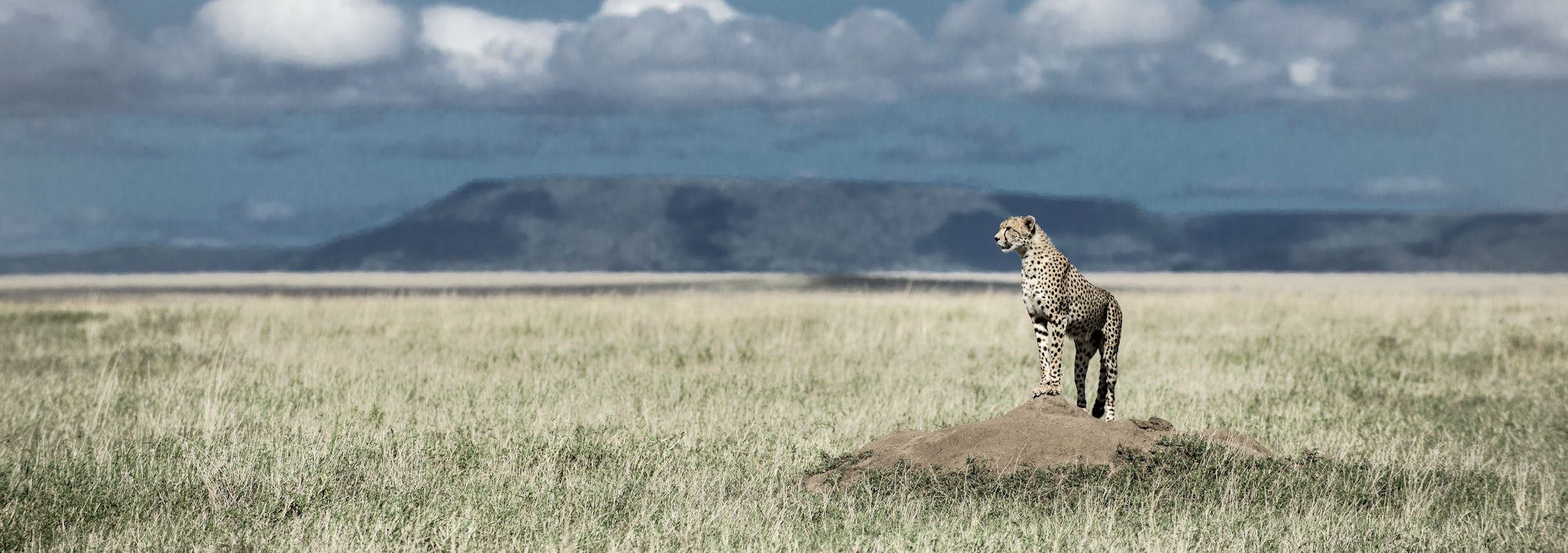
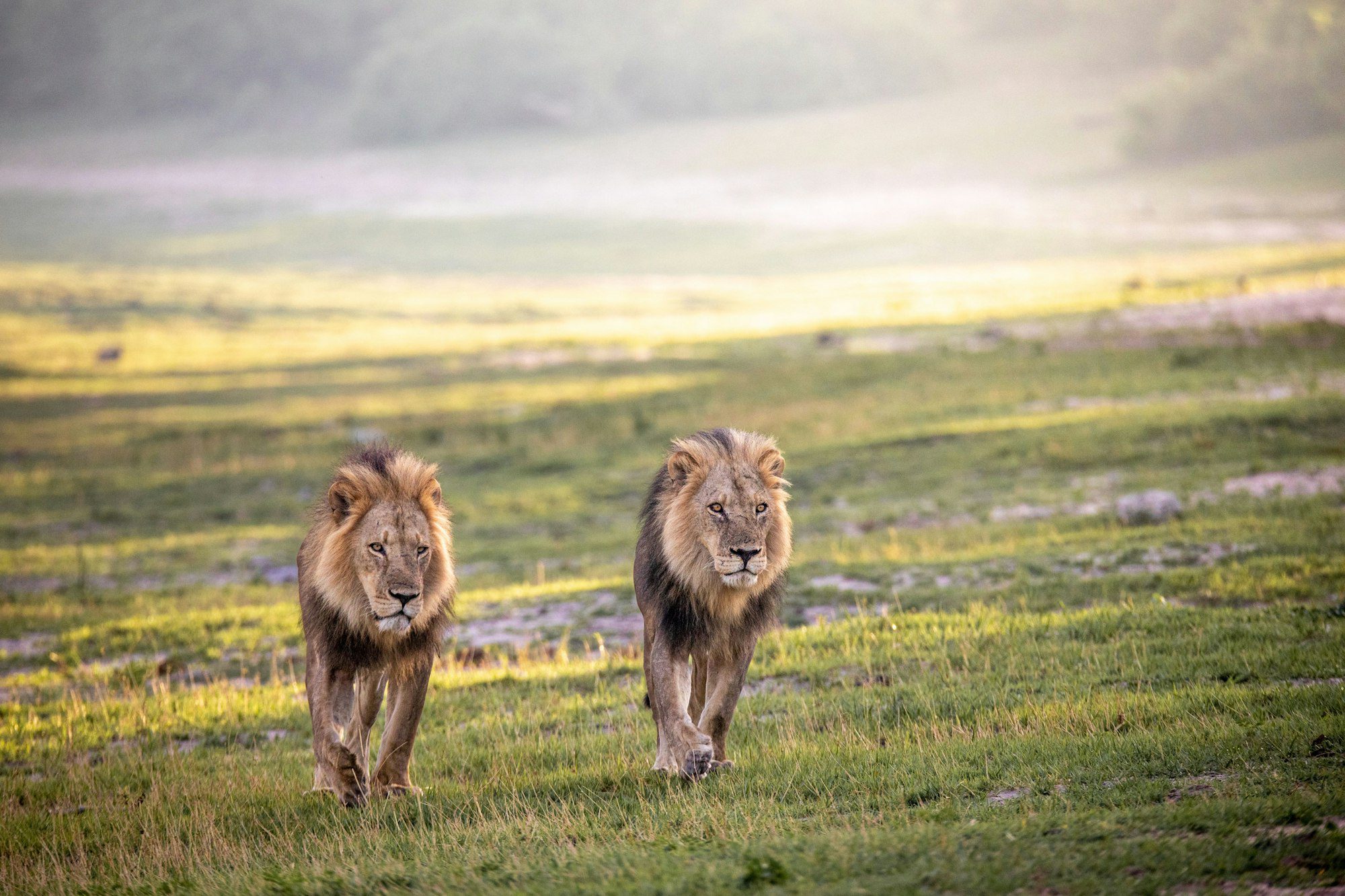
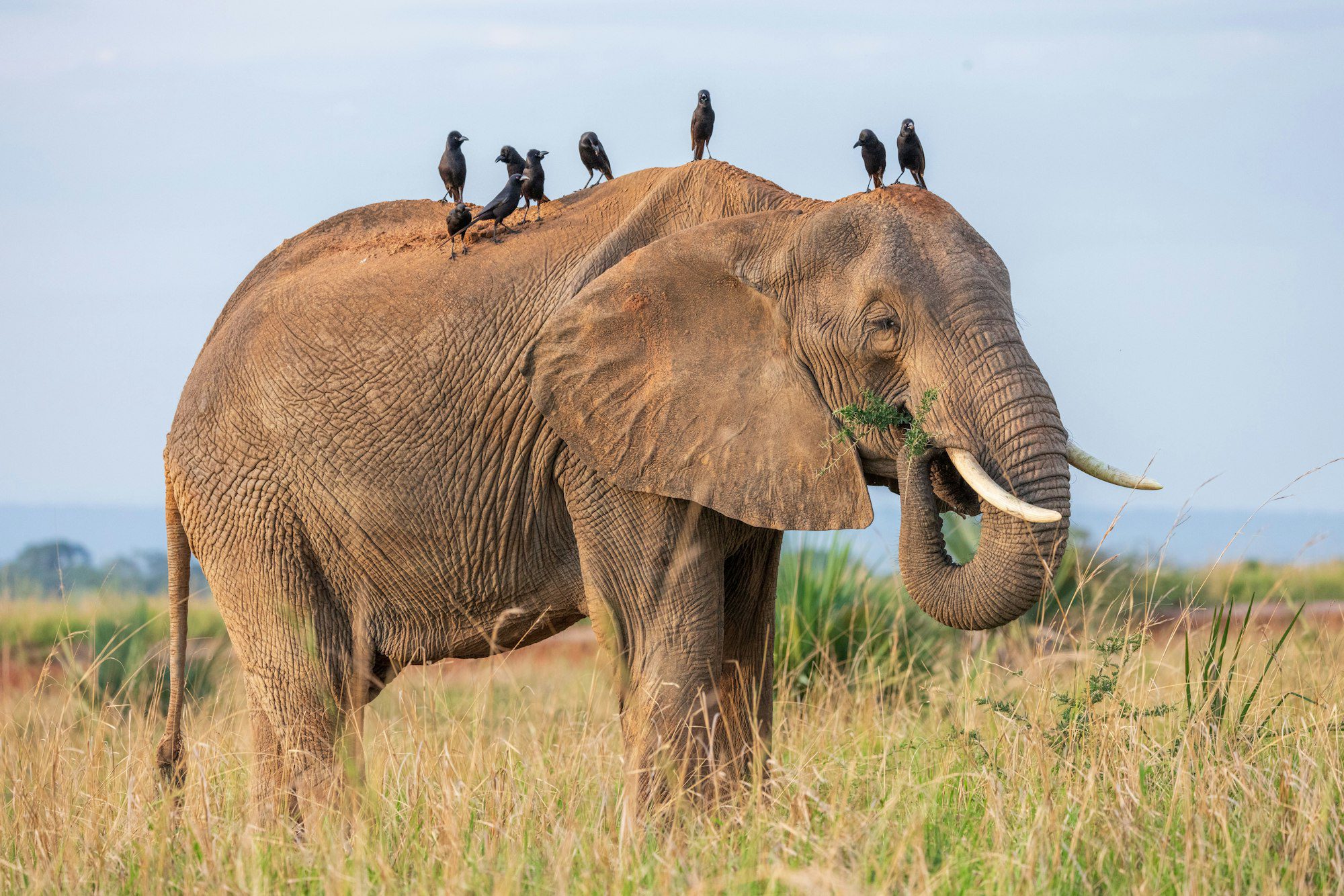
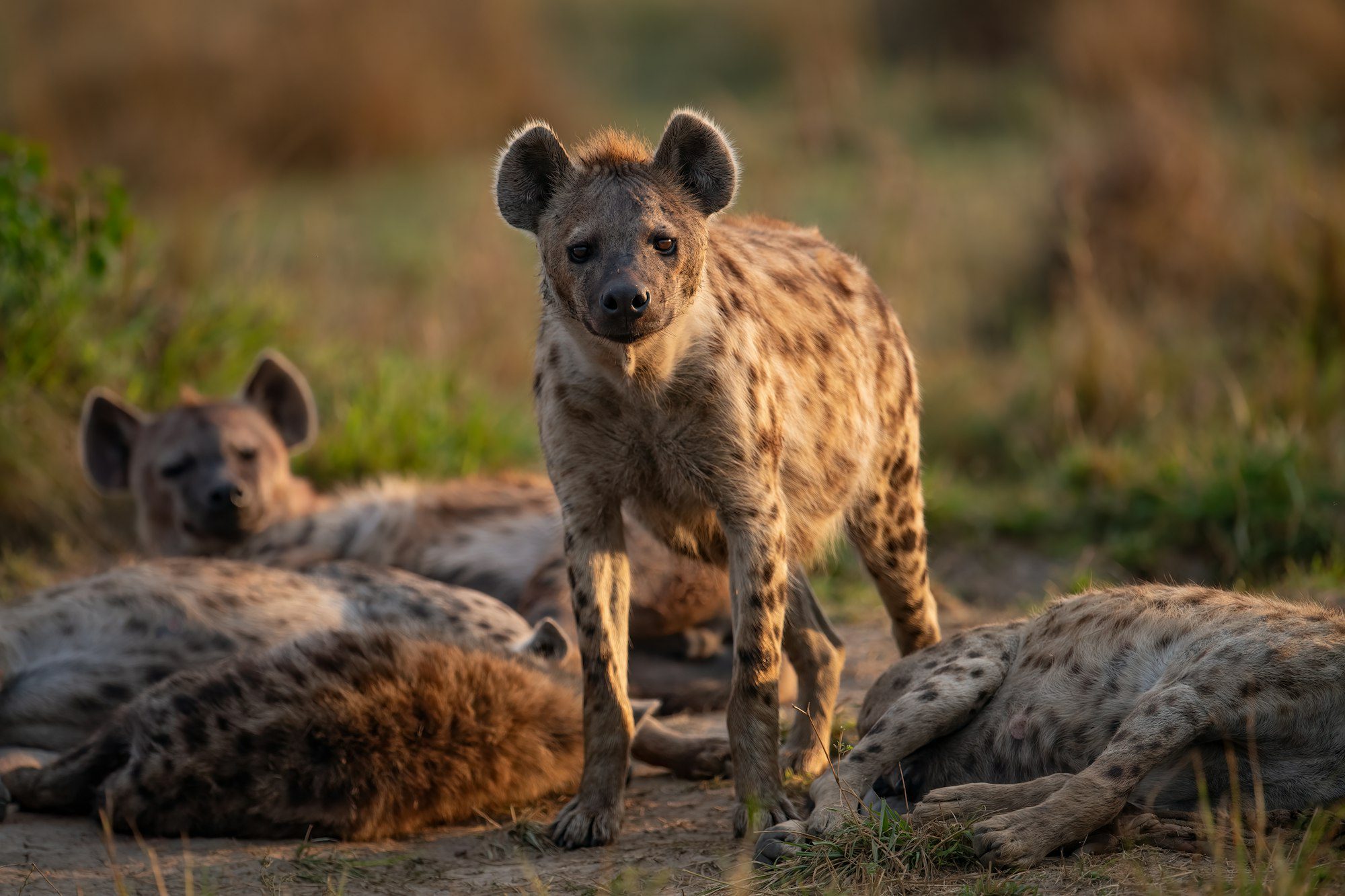
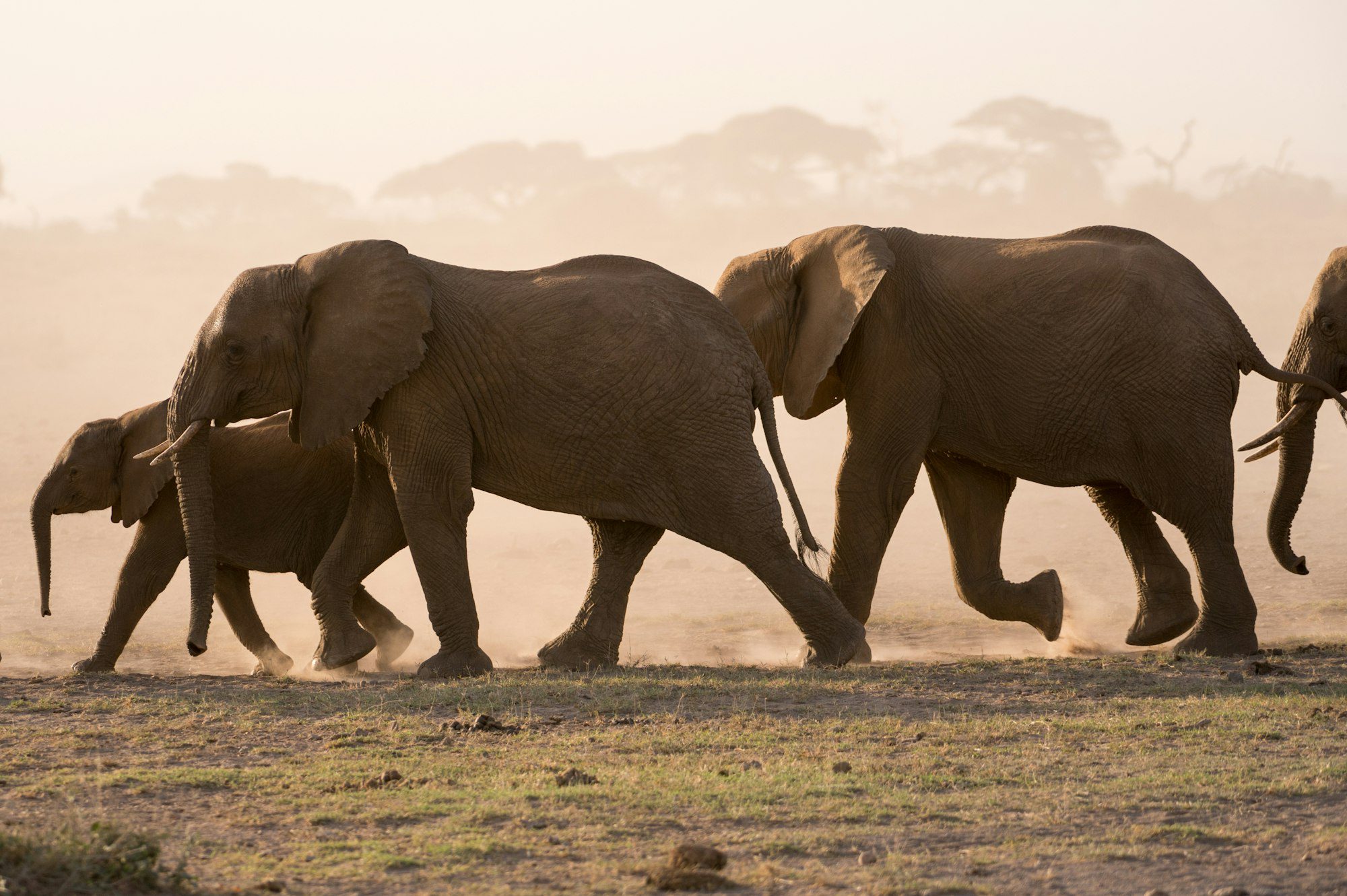
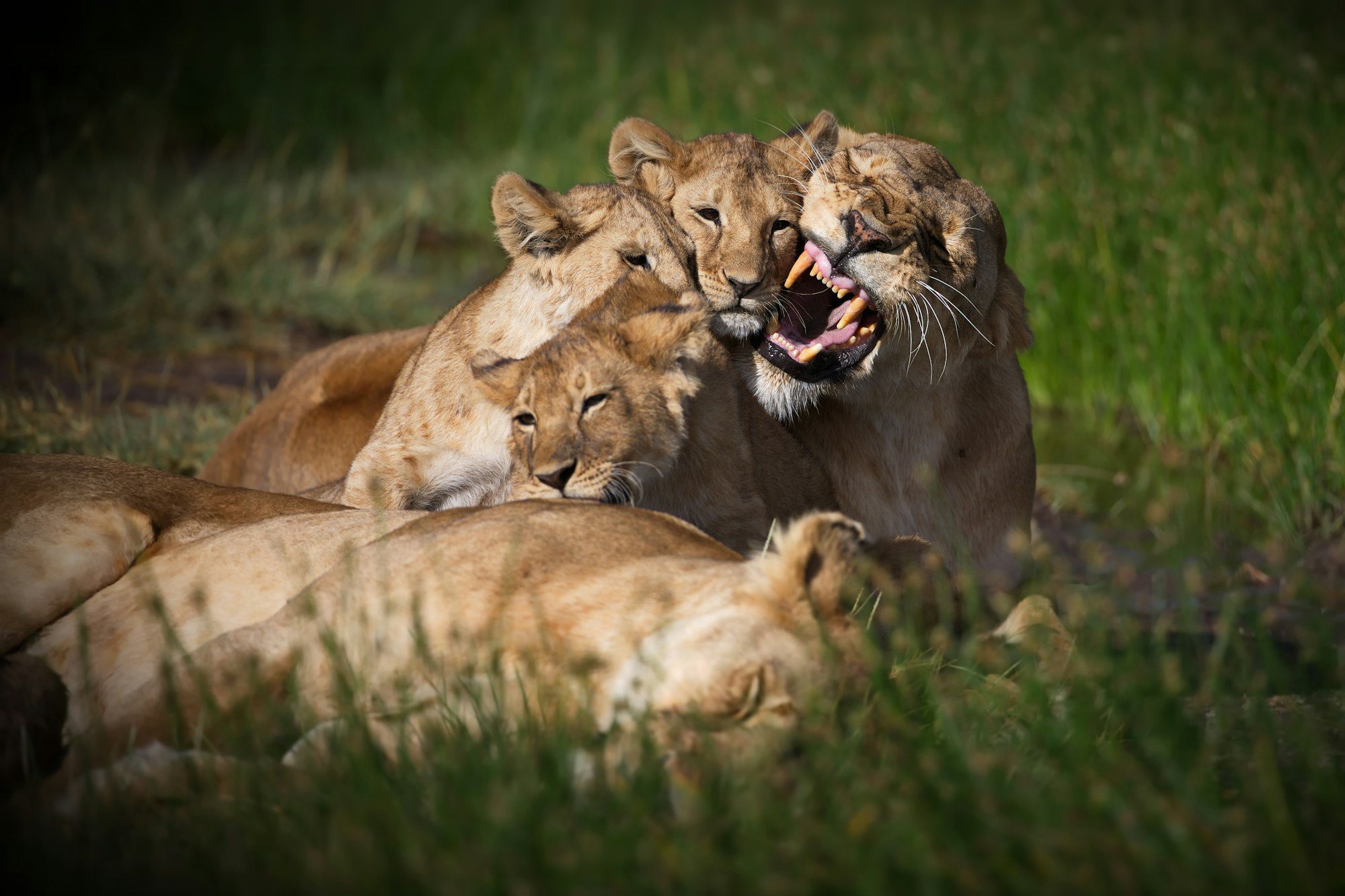
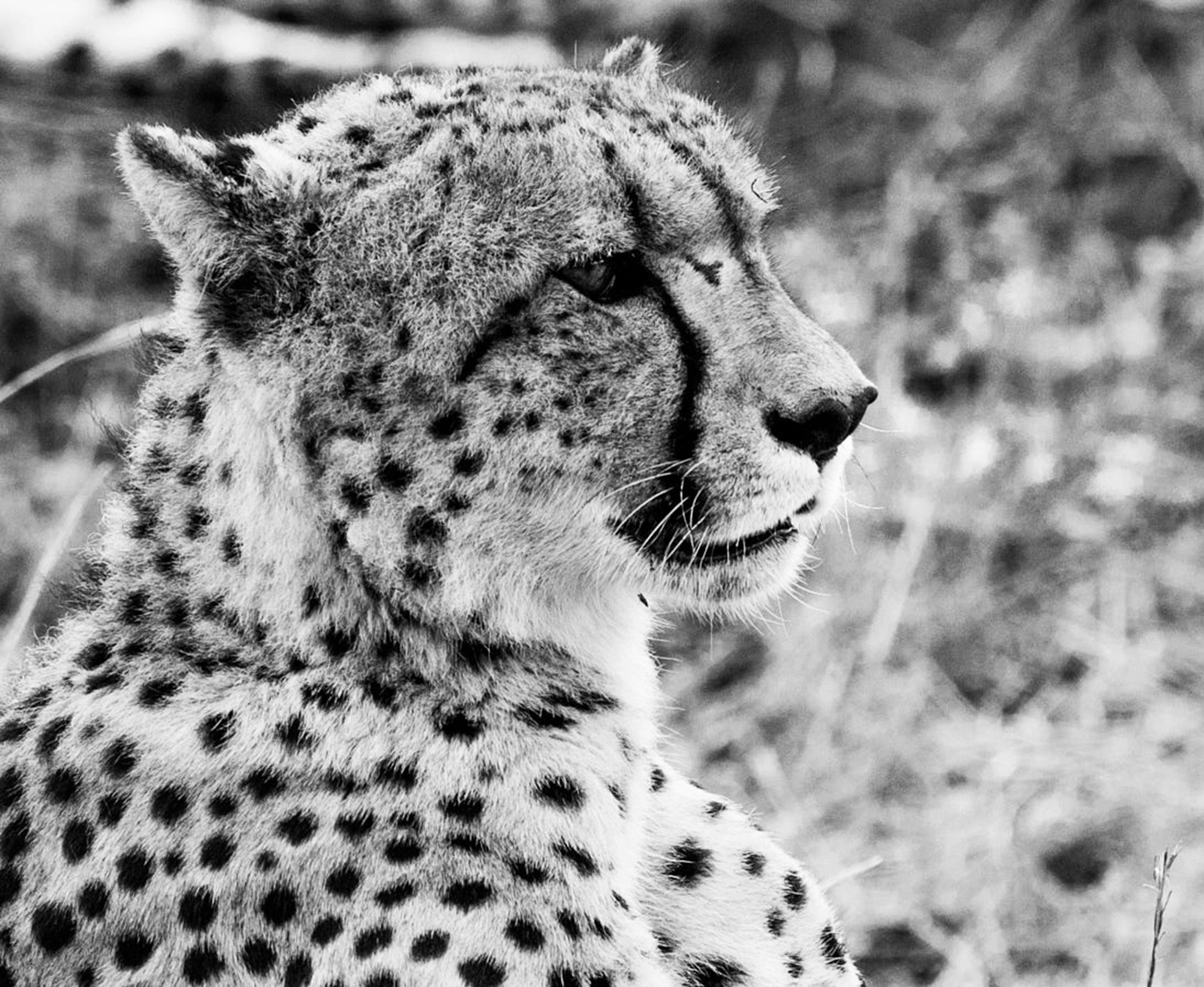
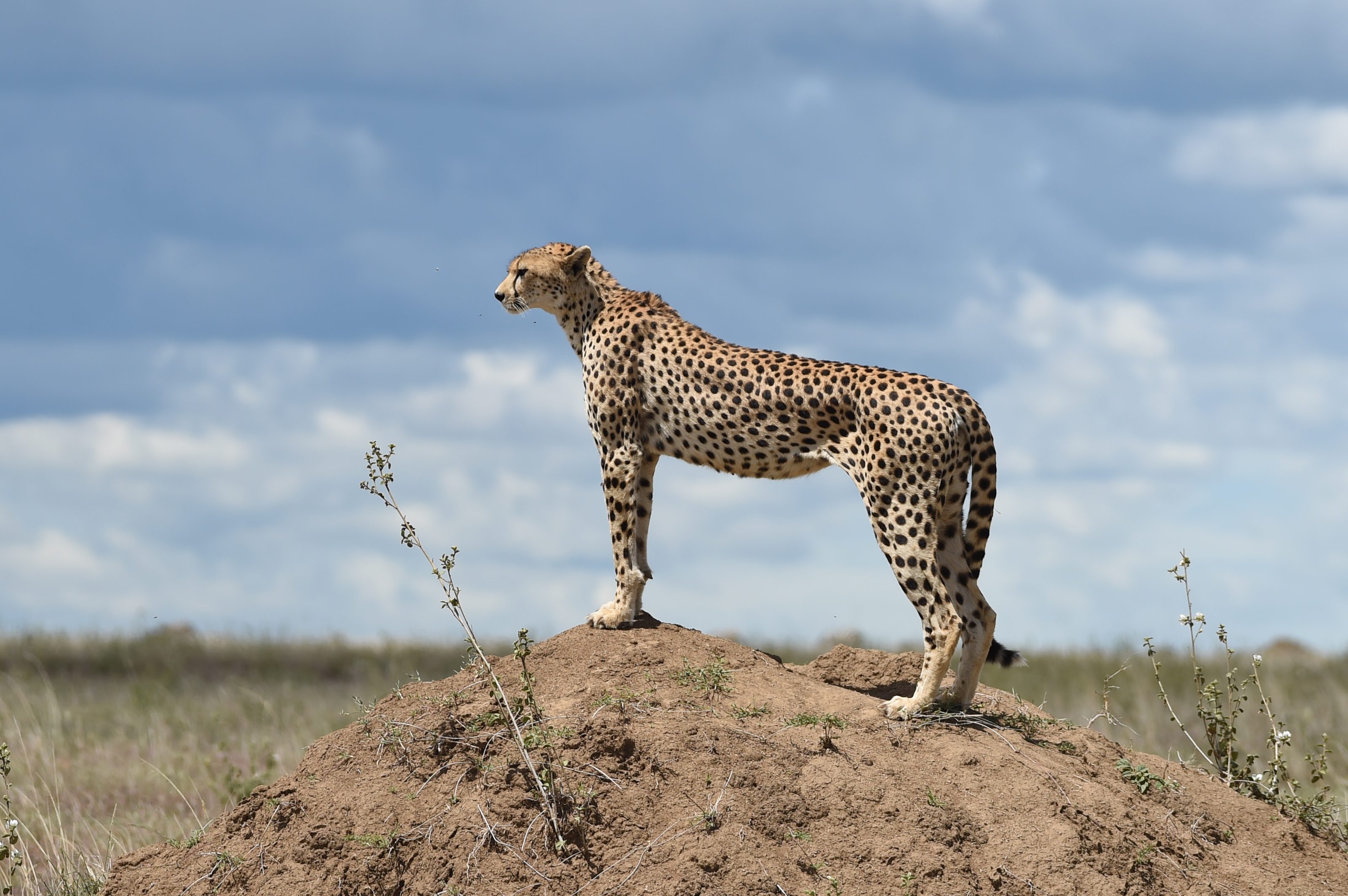
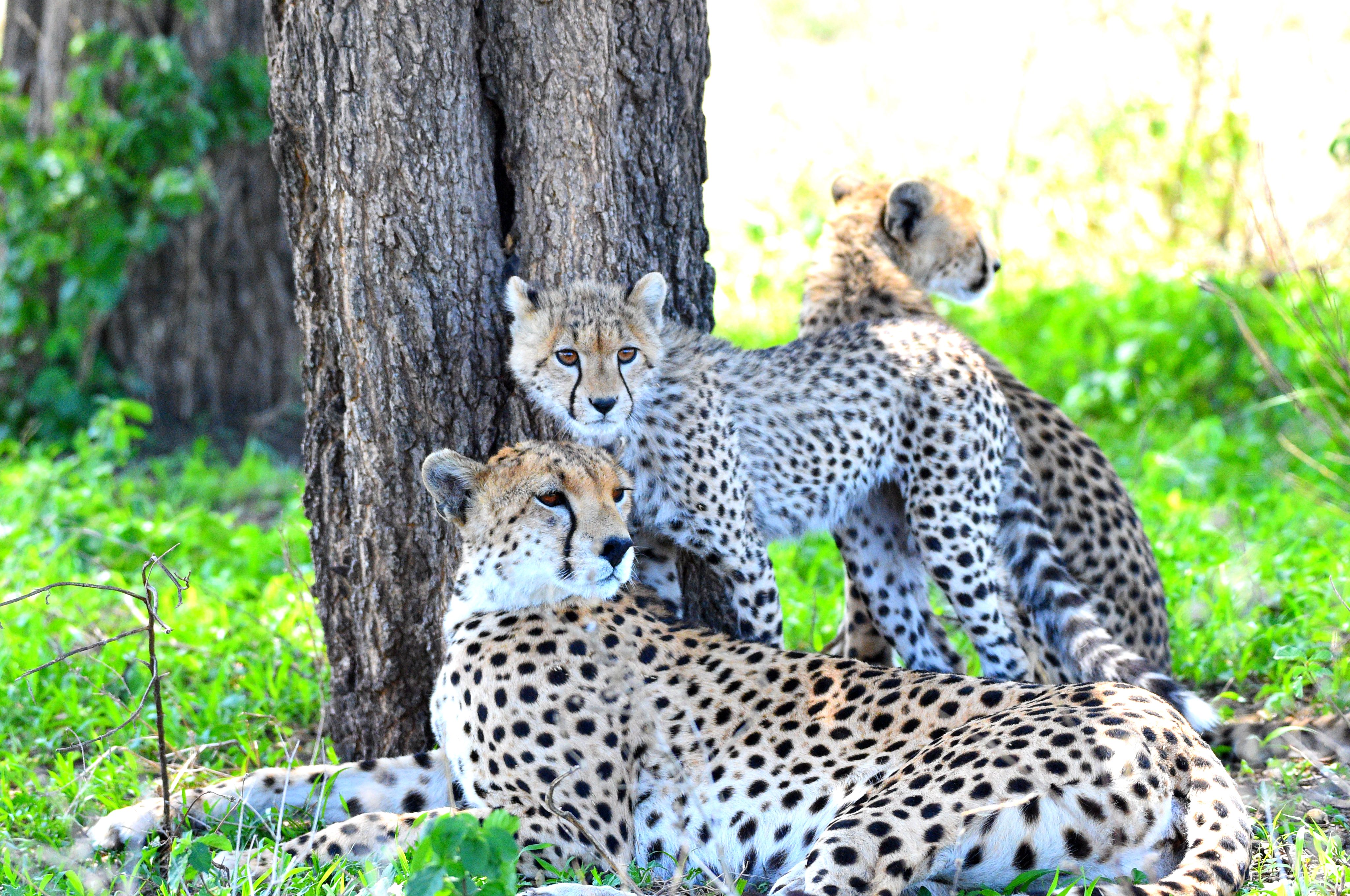
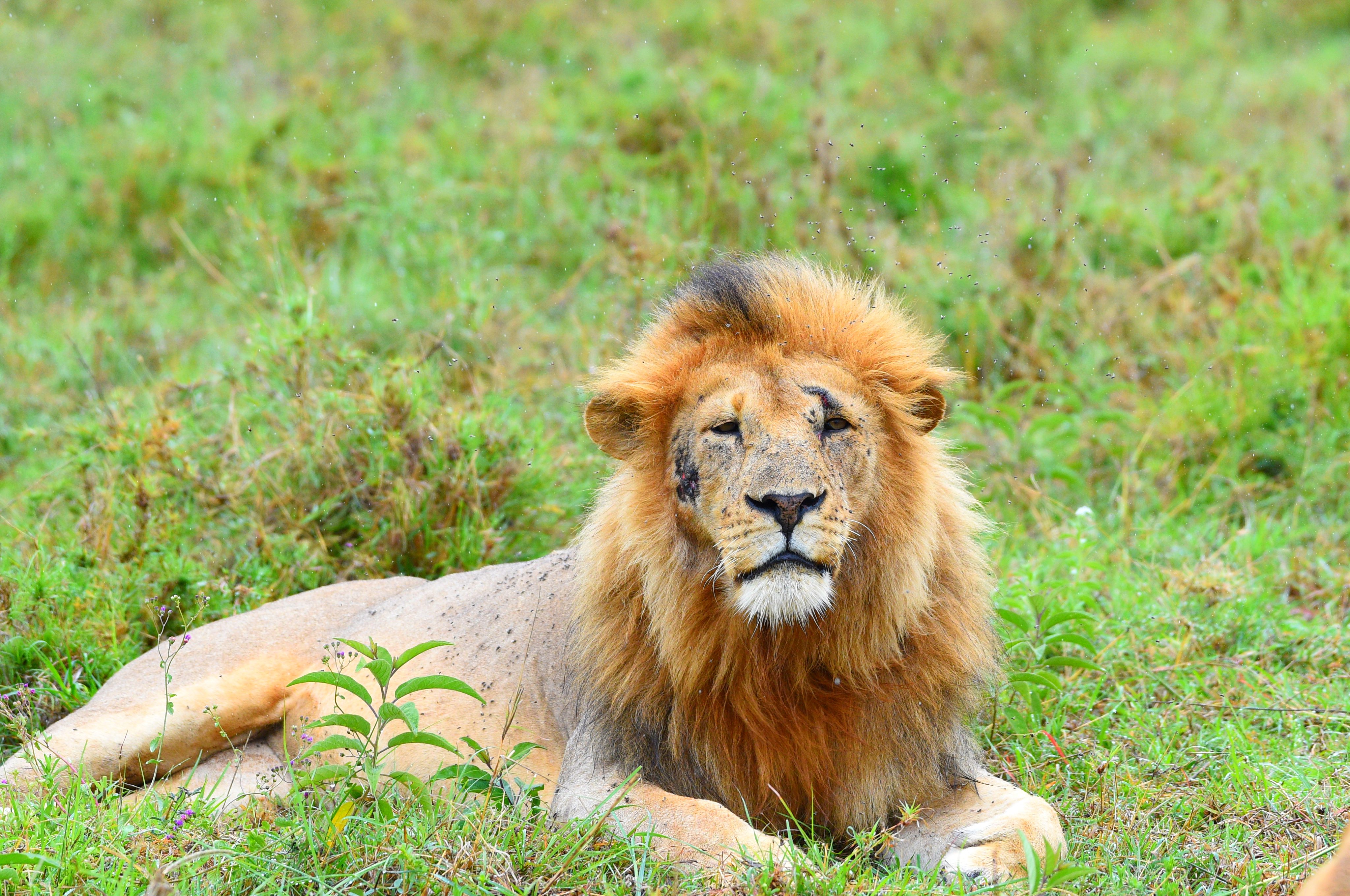
- The Serengeti is incredible without the migration. Resident wildlife — lions, leopards, elephants, cheetahs — is present year-round throughout the park.
- Mobile camps move with the migration, keeping you in the action regardless of the herds' exact position.
Plan Your Migration Safari
Tell us your travel dates and we'll position you in the right part of the Serengeti for the best migration viewing. Request your custom migration itinerary — we track the herds in real time and adjust recommendations accordingly.