What Should You Pack for a Tanzania Safari?
Packing for a Tanzania safari doesn't need to be complicated, but bringing the right items makes the difference between comfort and frustration. After guiding hundreds of travelers through Tanzania's national parks, we know exactly what works — and what gets left untouched in the bag. Here's our field-tested packing list.
Clothing Essentials
Tanzania's safari parks range from hot lowlands to chilly highlands (the Ngorongoro Crater rim sits at 2,300 meters). Layering is essential.
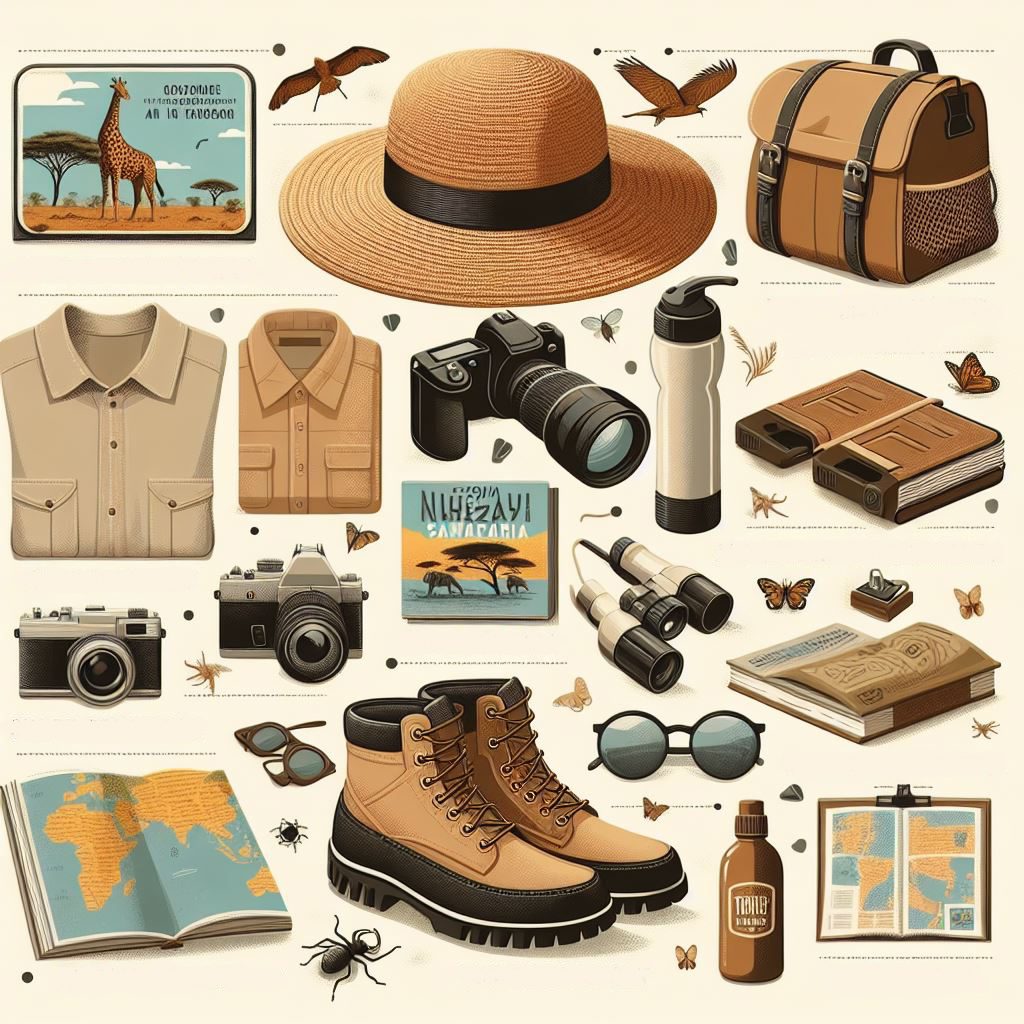
- Neutral-colored shirts (3–4): Khaki, olive, tan, or beige. Avoid bright colors that disturb wildlife. Long sleeves protect against sun and mosquitoes.
- Lightweight safari trousers (2–3 pairs): Zip-off legs are genuinely useful. Quick-dry fabric is ideal.
- Warm fleece or softshell jacket: Morning game drives start at 6:00 AM and temperatures can drop to 10°C, especially at Ngorongoro and during dry-season mornings.
- Rain jacket: A lightweight, packable rain shell. Even in dry season, surprise showers happen.
- Wide-brimmed hat: Non-negotiable. The equatorial sun is intense, even on overcast days.
- Comfortable walking shoes: Closed-toe shoes or lightweight hiking boots for bush walks and camp grounds. Sandals for relaxing at camp.
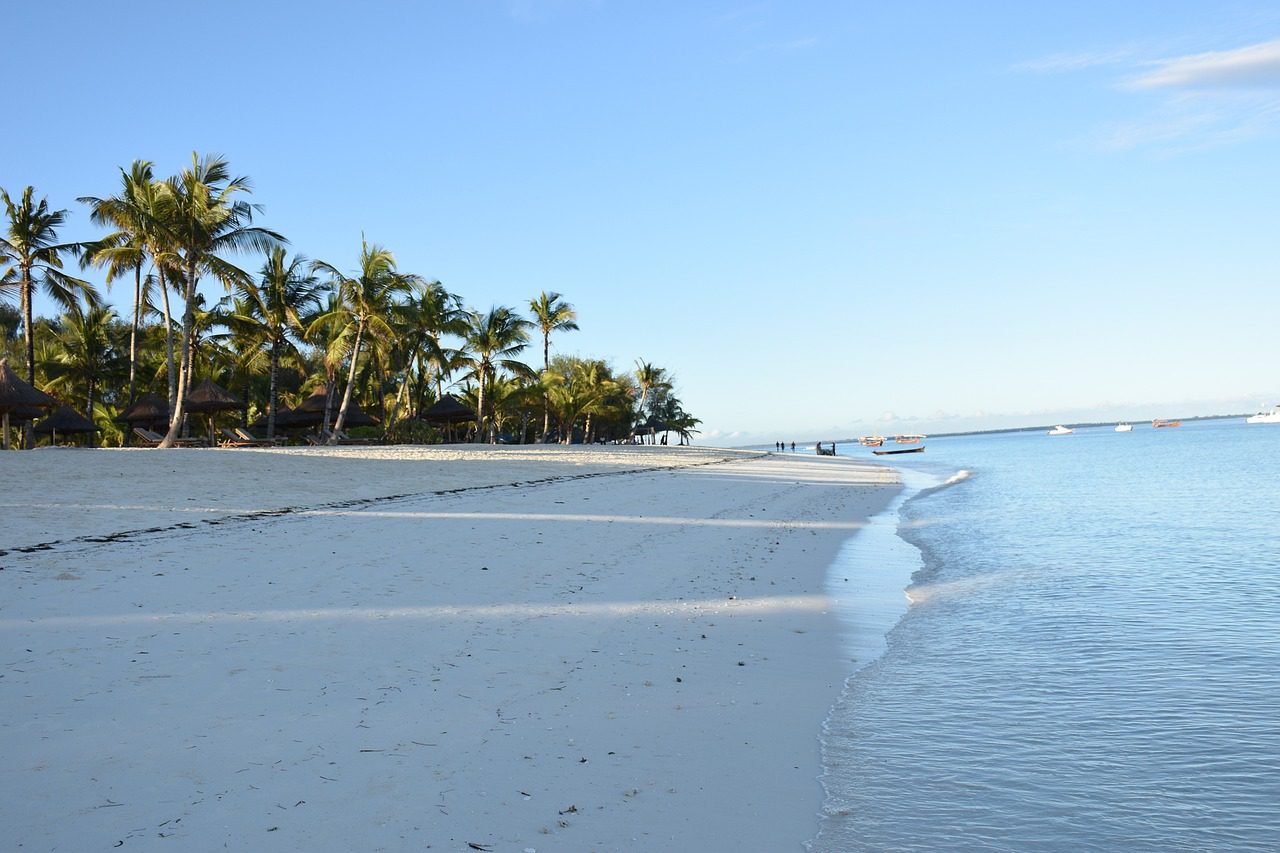
- Swimsuit: Many lodges have pools. Essential if combining with Zanzibar beaches.
What NOT to Wear
- Camouflage/military patterns: Illegal to wear in Tanzania. You can be fined or have items confiscated.
- Bright white clothing: Attracts tsetse flies and glares in photos. Also gets dusty within minutes on safari.
- Dark navy or black: Attracts tsetse flies and absorbs heat.
- Blue denim jeans: Too hot, too heavy, attract tsetse flies. Leave them at home.
For a deeper dive on safari clothing, see our guide on what to wear on safari in Tanzania.
Safari Gear and Essentials
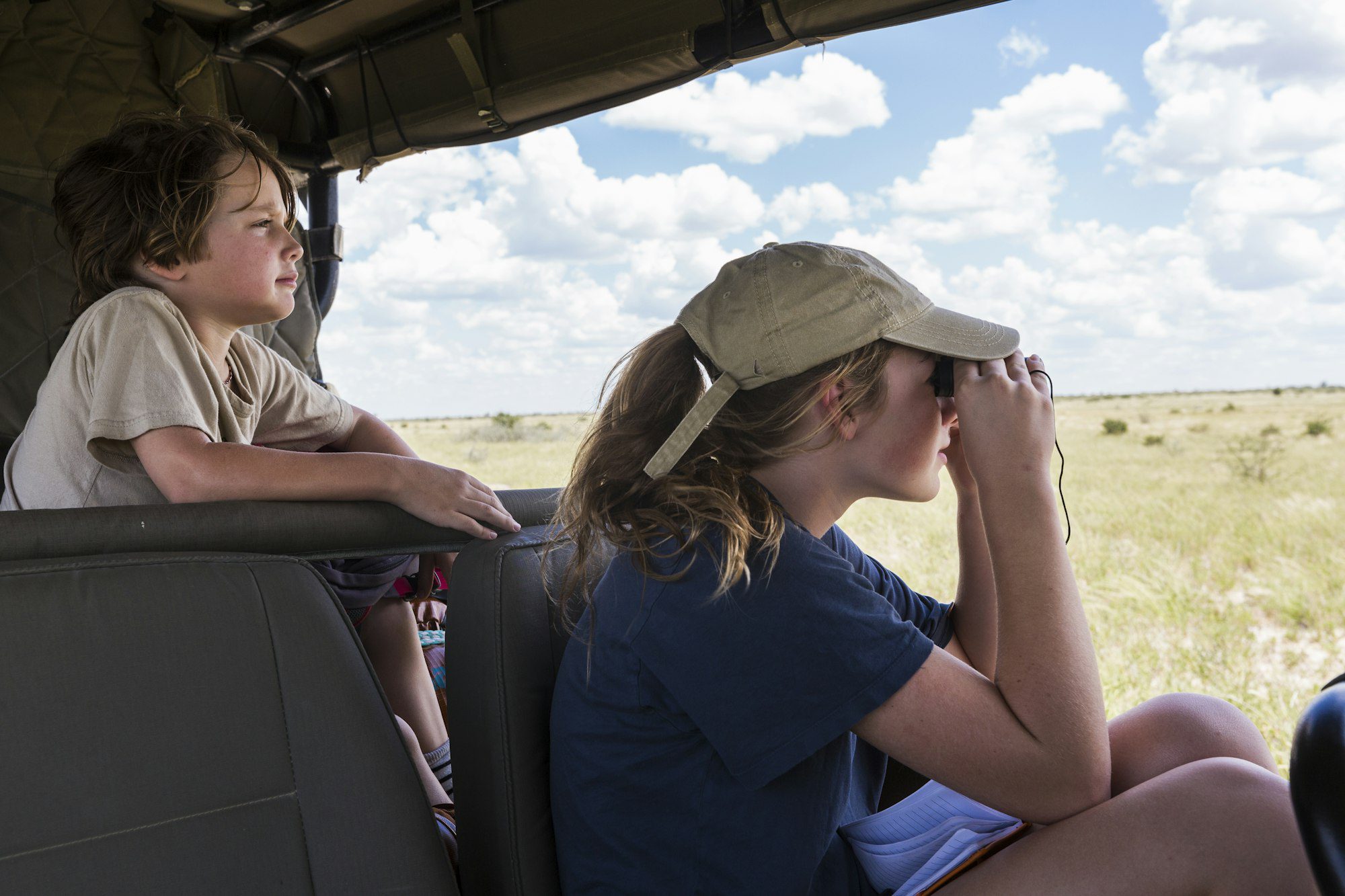
- Binoculars: The single most important piece of safari gear after your camera. Even a basic 8x42 or 10x42 pair transforms your game-viewing experience. Many travelers say binoculars made more difference than upgrading their camera.
- Headlamp or small flashlight: Essential for camp paths at night. Red-light mode is ideal to preserve night vision.
- Reusable water bottle: Safari vehicles carry water, but having your own insulated bottle keeps water cool in the heat.
- Daypack: A small 15–20L pack for carrying water, snacks, camera, and layers during game drives.
- Power bank: A 20,000mAh bank keeps phones and cameras charged between lodge charging opportunities. Some remote camps have limited electricity hours.
- Universal power adapter: Tanzania uses Type D and Type G (UK-style) outlets. Bring a universal adapter.
- Dry bags or zip-lock bags: Protect electronics from dust. Serengeti dust is fine, pervasive, and gets into everything.
Camera and Photography Gear
Your camera setup depends on how seriously you take wildlife photography. At minimum:
- Camera with zoom lens: A 100–400mm or 200–600mm telephoto is ideal for wildlife. Even a good bridge camera or modern smartphone with optical zoom captures memorable shots.
- Extra memory cards: You'll shoot far more than you expect. Bring at least 128GB of total storage.
- Extra batteries: Cold mornings and constant use drain batteries fast. Bring 2–3 spares.
- Beanbag or window mount: For stabilizing your camera on the vehicle's window ledge. Far more practical than a tripod on safari.
Read our complete photography safari guide for camera settings and technique tips.
Health and Toiletries
- Sunscreen (SPF 50+): Reapply every 2 hours. The safari vehicle's open roof offers no UV protection.
- Insect repellent (DEET 30%+): Apply at dusk and dawn. Mosquitoes carry malaria in Tanzania.
- Prescription medications: Bring a full supply plus extras in case of travel delays. Keep in carry-on luggage.
- Antimalarial medication: Consult your doctor 4–6 weeks before travel. Malarone or doxycycline are commonly prescribed for Tanzania.
- Basic first-aid kit: Plasters, antiseptic, anti-diarrheal, rehydration salts, antihistamines.
- Hand sanitizer and wet wipes: Bush lunches and camp facilities vary. These are always useful.
Documents and Money
- Passport: Valid for at least 6 months beyond entry date with at least 2 blank pages.
- Tanzania e-visa: Apply online before arrival. See our visa requirements guide.
- Yellow fever certificate: Required if arriving from a yellow-fever-endemic country (including Kenya).
- Travel insurance documents: Print a copy. Ensure it covers medical evacuation.
- US dollars: Clean, post-2006 bills for tips and incidentals. $10–$15/day for guide tips, $5–$10/day for camp staff. See our tipping guide.
What NOT to Pack
- Hard-shell suitcases: Most bush planes and safari vehicles have limited luggage space. Soft-sided bags (max 15–20kg) are required for fly-in safaris and strongly preferred for all safaris.
- Drone: Illegal in Tanzania's national parks without a special (and expensive) permit. Don't bring one.
- Excessive clothing: Most lodges offer same-day laundry service. You need far fewer outfits than you think.
- Expensive jewelry: Unnecessary and a theft risk. Leave it at home.
- Plastic bags: Banned in Tanzania since 2019. Pack items in reusable bags.
Ready to Start Packing?
When you book a safari with Great Pelican Safaris, we provide a detailed pre-departure guide tailored to your specific itinerary — including climate-specific clothing advice, park-specific gear recommendations, and tips from your assigned guide. Start planning your Tanzania safari today.