Is Tanzania Safe to Visit in 2026?
Yes, Tanzania is generally safe for tourists, and it's one of the most politically stable countries in East Africa. Over a million international visitors come to Tanzania each year for safari, Kilimanjaro, and Zanzibar — the vast majority without incident. That said, like any travel destination, there are risks to understand and precautions to take.
As a local operator, we want you to feel confident about visiting Tanzania. Here's an honest assessment of safety concerns — not sugarcoated, but also not sensationalized.
Safari Safety
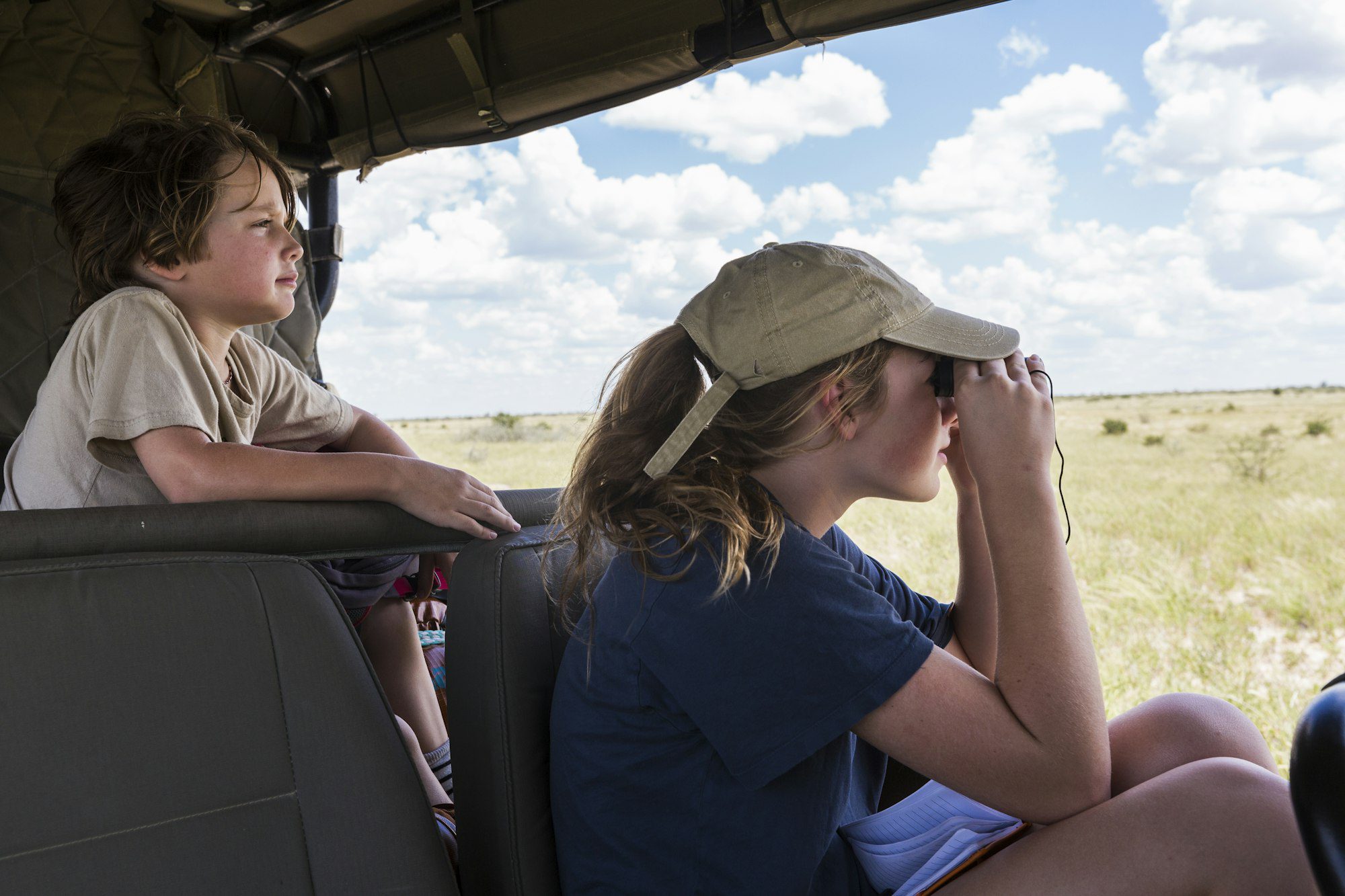
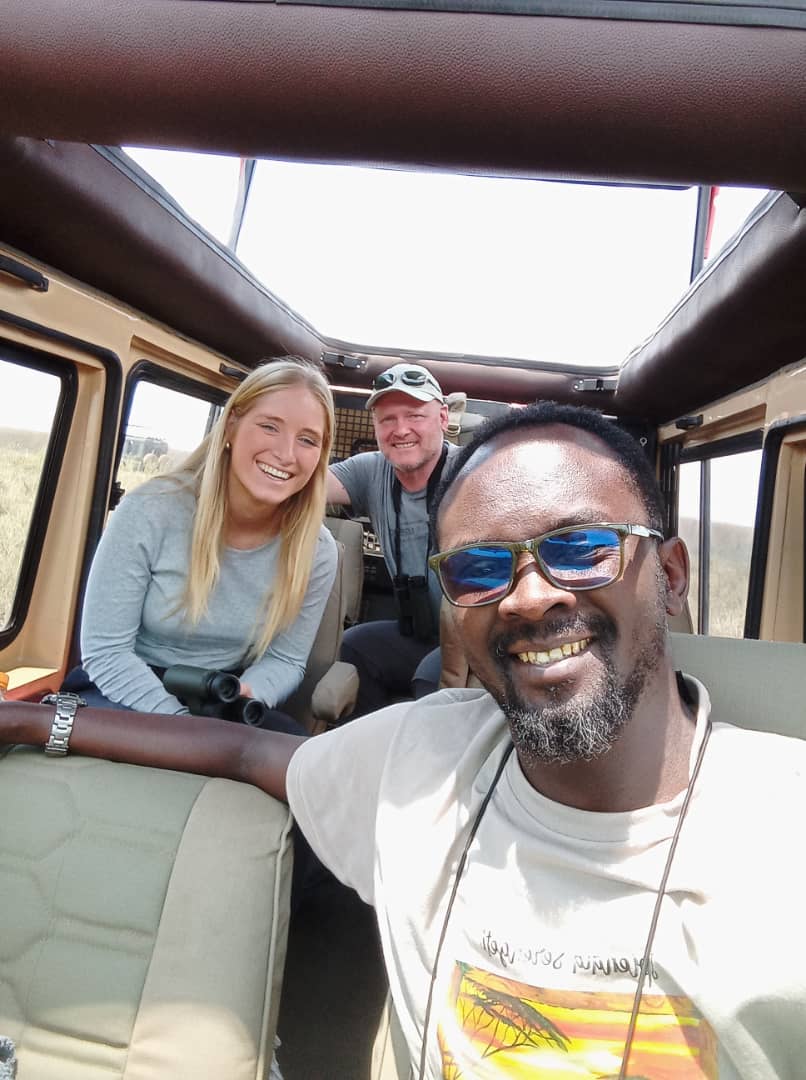
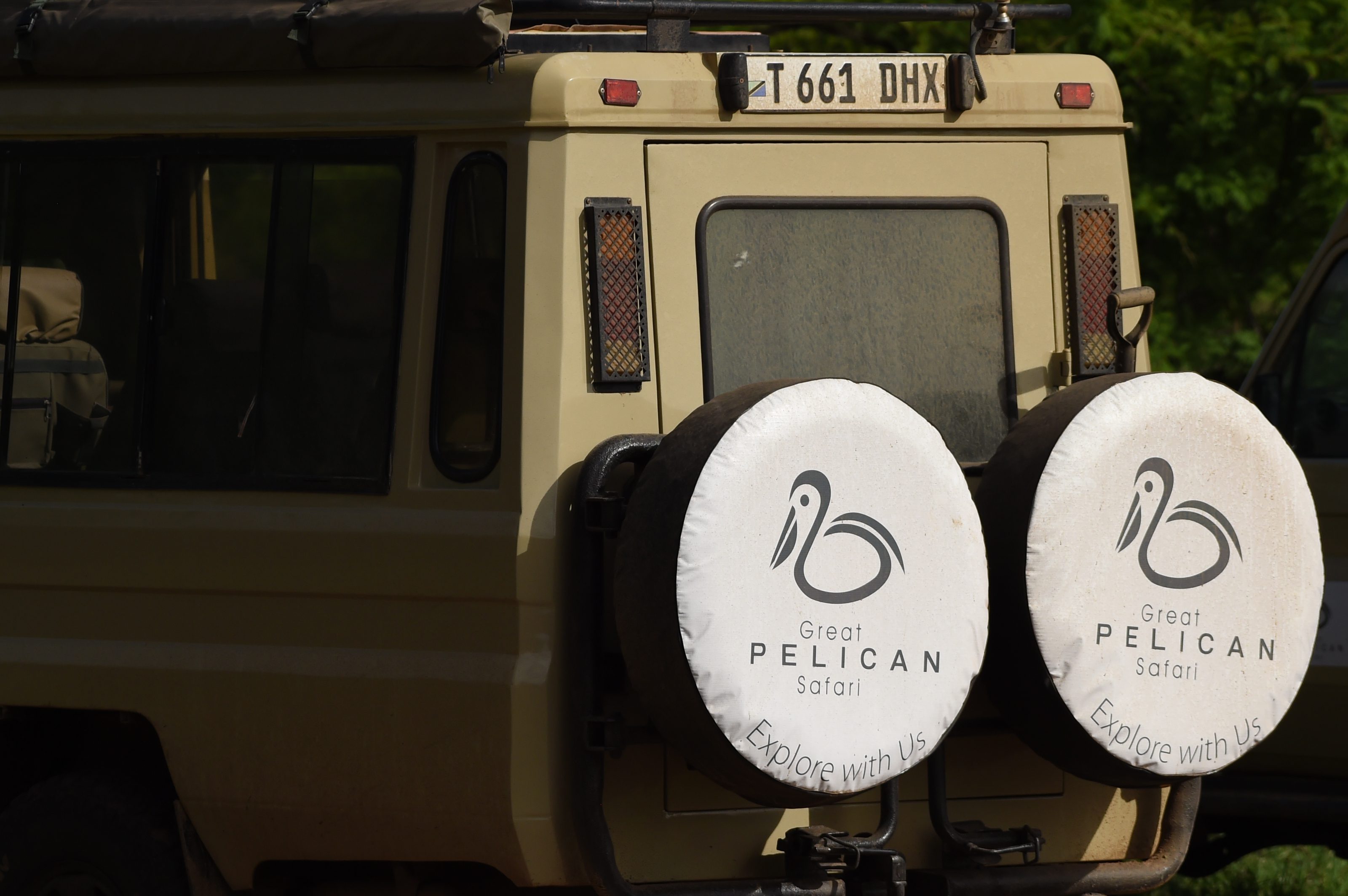
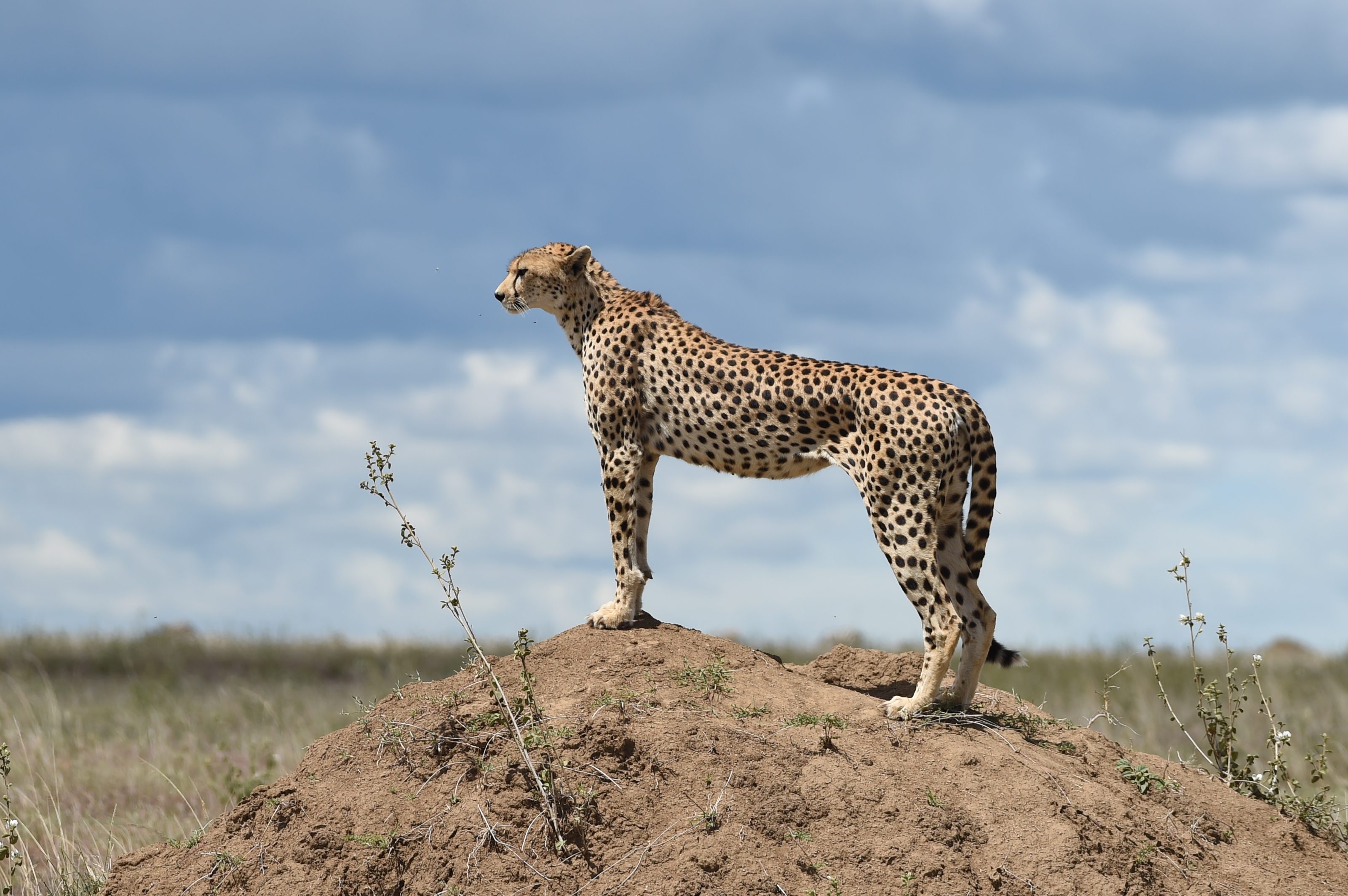
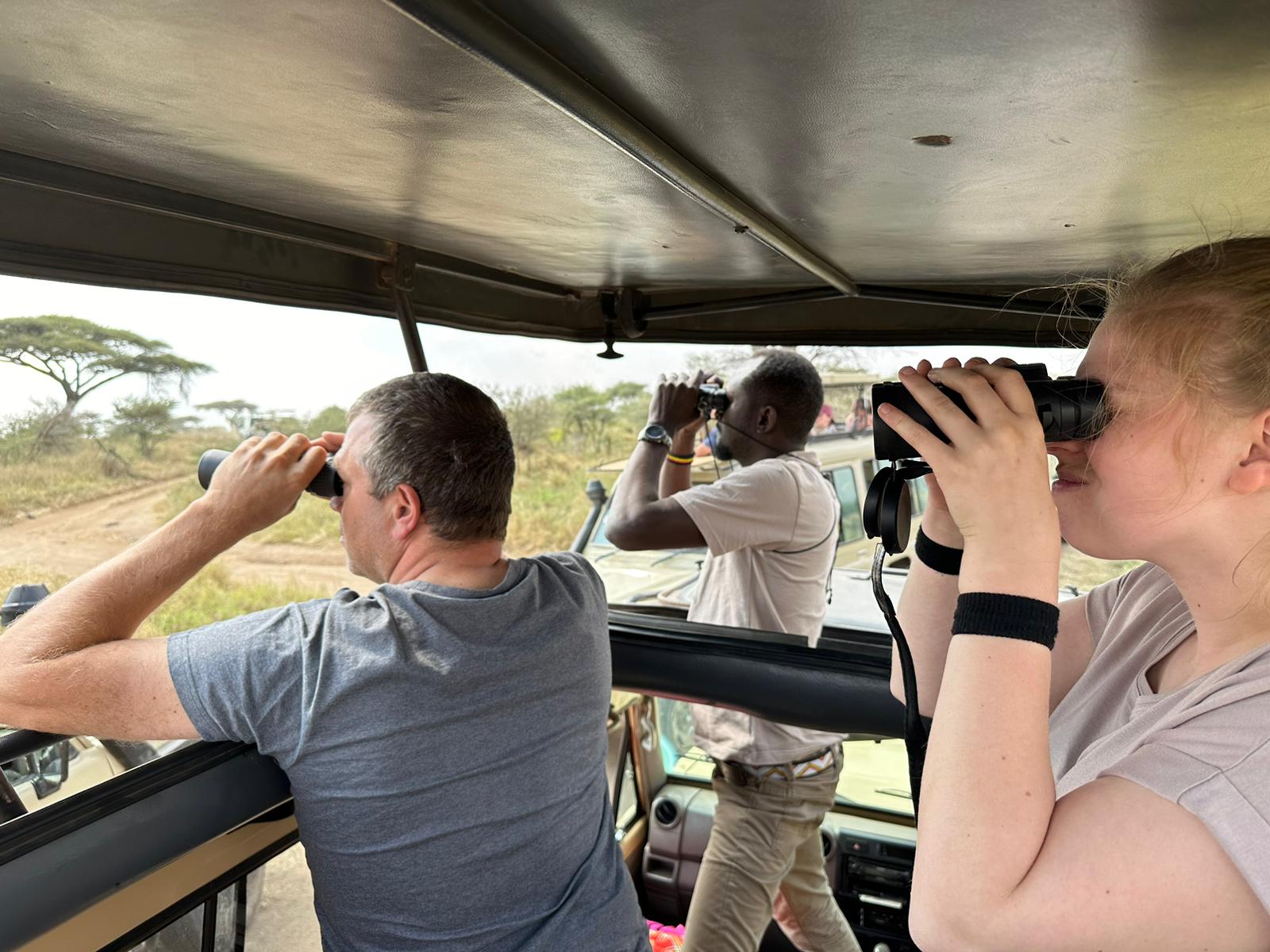
Safari in Tanzania is remarkably safe. You're always accompanied by a licensed, experienced guide who knows animal behavior and park protocols. Your safari vehicle is a specially modified 4x4 with reinforced body and pop-up roof — animals see it as a single large object, not a collection of humans.
- Never exit the vehicle in areas with dangerous wildlife unless instructed by your guide.
- Keep hands inside the vehicle during game drives. Animals can react unpredictably if startled.
- Follow camp rules at night. In unfenced camps, a staff escort is provided after dark. Wildlife passes through camps — it's thrilling, not dangerous, when you follow procedures.
- Walking safaris in parks like Ruaha are led by armed rangers. These are tightly controlled and statistically very safe.
Crime and Personal Safety
Petty crime (pickpocketing, bag snatching) exists in urban areas like Dar es Salaam, Arusha, and Stone Town. Violent crime against tourists is rare but not unheard of. Practical measures that keep you safe:
- Don't display expensive items — flashy watches, jewelry, or waving your phone around in crowded areas.
- Use hotel safes for passports, extra cash, and electronics you're not carrying.
- Travel with a reputable tour operator for all game drives and transfers. Our vehicles and drivers are vetted, insured, and GPS-tracked.
- Avoid walking alone at night in cities. Use taxis or ride-hailing apps (Bolt works in Dar and Arusha).
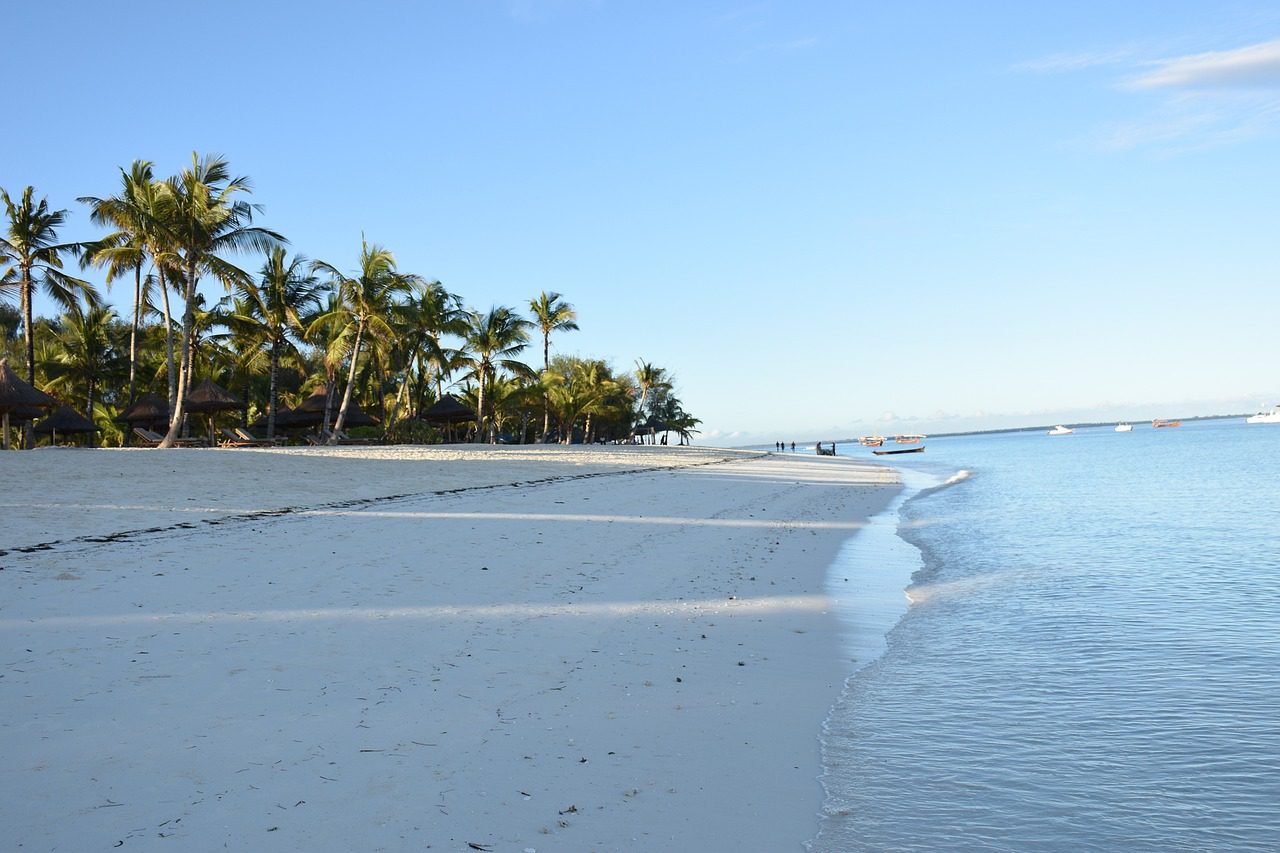
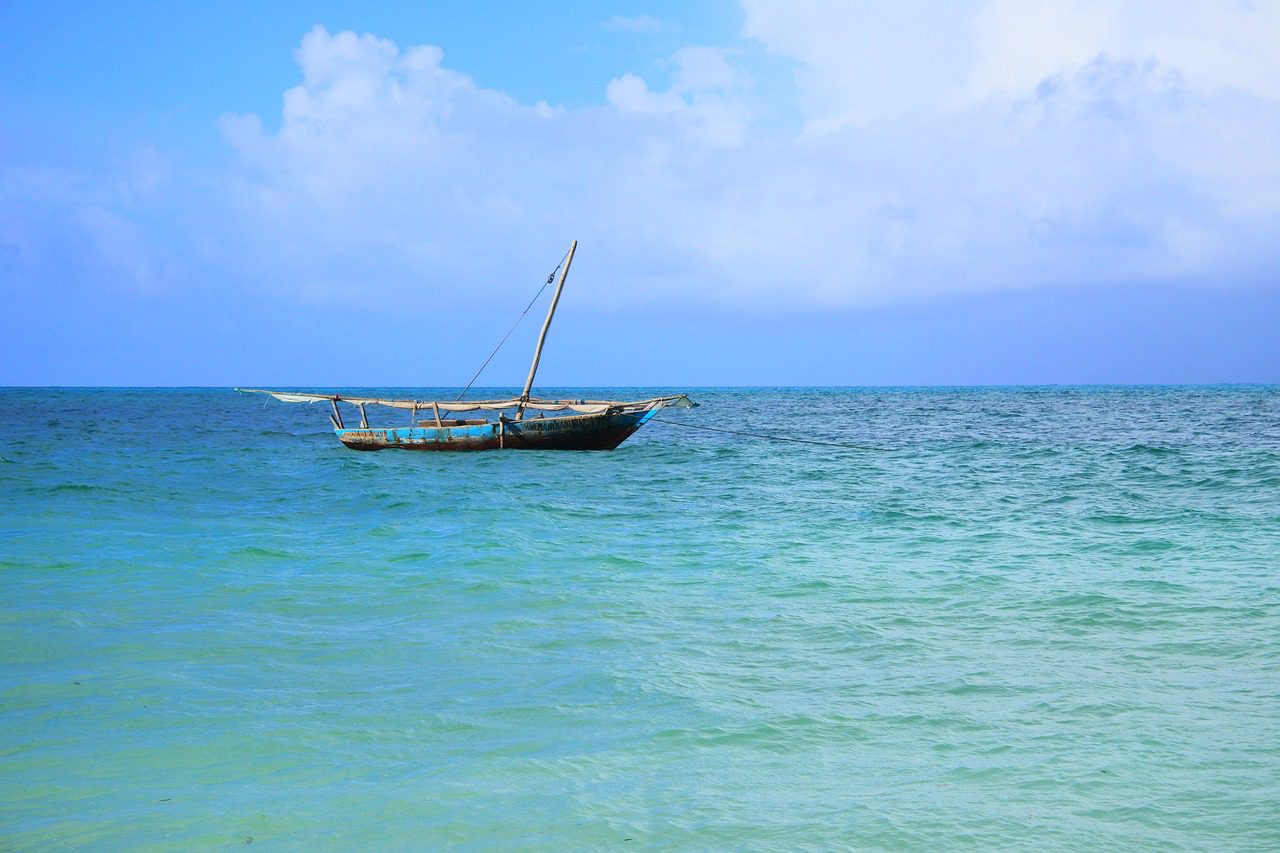
- In Zanzibar, stick to well-traveled tourist areas. Some beaches are isolated — ask your hotel for local advice.
Health Risks
The main health concerns for Tanzania travelers are malaria, traveler's diarrhea, and sun exposure. None should deter you from visiting — they just require preparation.
- Malaria: Present throughout Tanzania, including safari parks. Take prophylactic medication (consult your doctor 4–6 weeks before travel). Use DEET-based repellent and sleep under mosquito nets.
- Traveler's diarrhea: Drink only bottled or purified water. Avoid uncooked salads and street food unless you're adventurous with a strong stomach.
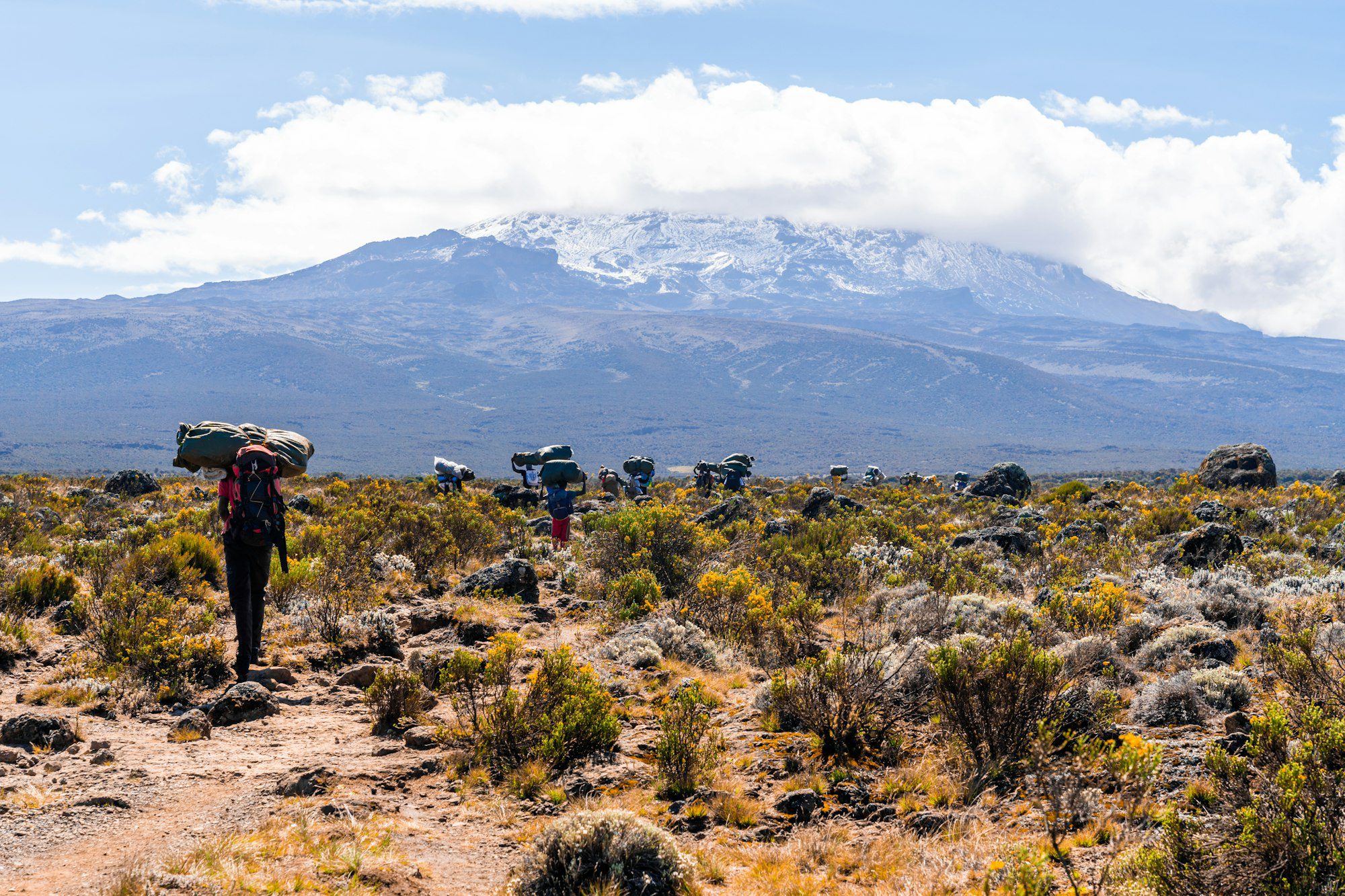
- Altitude: The Ngorongoro Crater rim (2,300m) and especially Kilimanjaro can cause altitude sickness. Acclimatize gradually.
- Yellow fever: A vaccination certificate is required if arriving from endemic countries. Check your country's requirements.
See our detailed Tanzania safari health guide for comprehensive medical preparation advice.
Is Tanzania Safe for Solo Travelers?
Yes, particularly on organized safari tours. Solo travelers routinely join group departures or book private safaris. Tanzania's tourism infrastructure is set up for individual travelers, and many lodges and camps cater specifically to solo guests.
Solo female travelers should take the same precautions as anywhere — avoid isolated areas alone at night, inform your hotel of your plans, and trust your instincts. On safari, you're never truly alone — your guide is with you from morning to night. Read our solo safari guide for more advice.
Political Stability
Tanzania has been one of the most politically stable countries in Africa since independence in 1961. It has never experienced civil war or major political violence. Elections can bring temporary tensions, but these rarely affect tourist areas or safari circuits.
The country is ethnically diverse (over 120 tribal groups) but has a strong national identity — Swahili serves as a unifying language, and tribal conflicts that affect some neighboring countries are virtually absent in Tanzania.
Road Safety
Road conditions vary. Main highways between Arusha and the parks are generally good. Park roads range from well-maintained gravel to rough seasonal tracks. Your safari operator handles all driving — you won't need to drive yourself (and we don't recommend it; see our self-drive safari guide for why).
Always wear seatbelts. If you're arranging your own transport between cities, use reputable bus companies or domestic flights rather than minibus taxis.
Our Commitment to Your Safety
At Great Pelican Safaris, every aspect of your trip is managed with safety as a priority. Our vehicles are maintained to strict standards, our guides hold first-aid certifications, and we carry satellite communication for remote areas. We also ensure all lodges and camps we partner with meet international safety standards.
Plan your Tanzania safari with confidence — our team is here to answer any safety questions and ensure you're fully prepared for an unforgettable, worry-free experience.