The Serengeti's Best-Kept Secret
While the Mara River crossings get all the headlines, many safari veterans consider the calving season the most rewarding migration event. Every January and February, the wildebeest herds gather on the short-grass plains of the southern Serengeti and Ndutu area, and over a concentrated 2–3 week period, approximately 500,000 calves are born — roughly 8,000 per day.
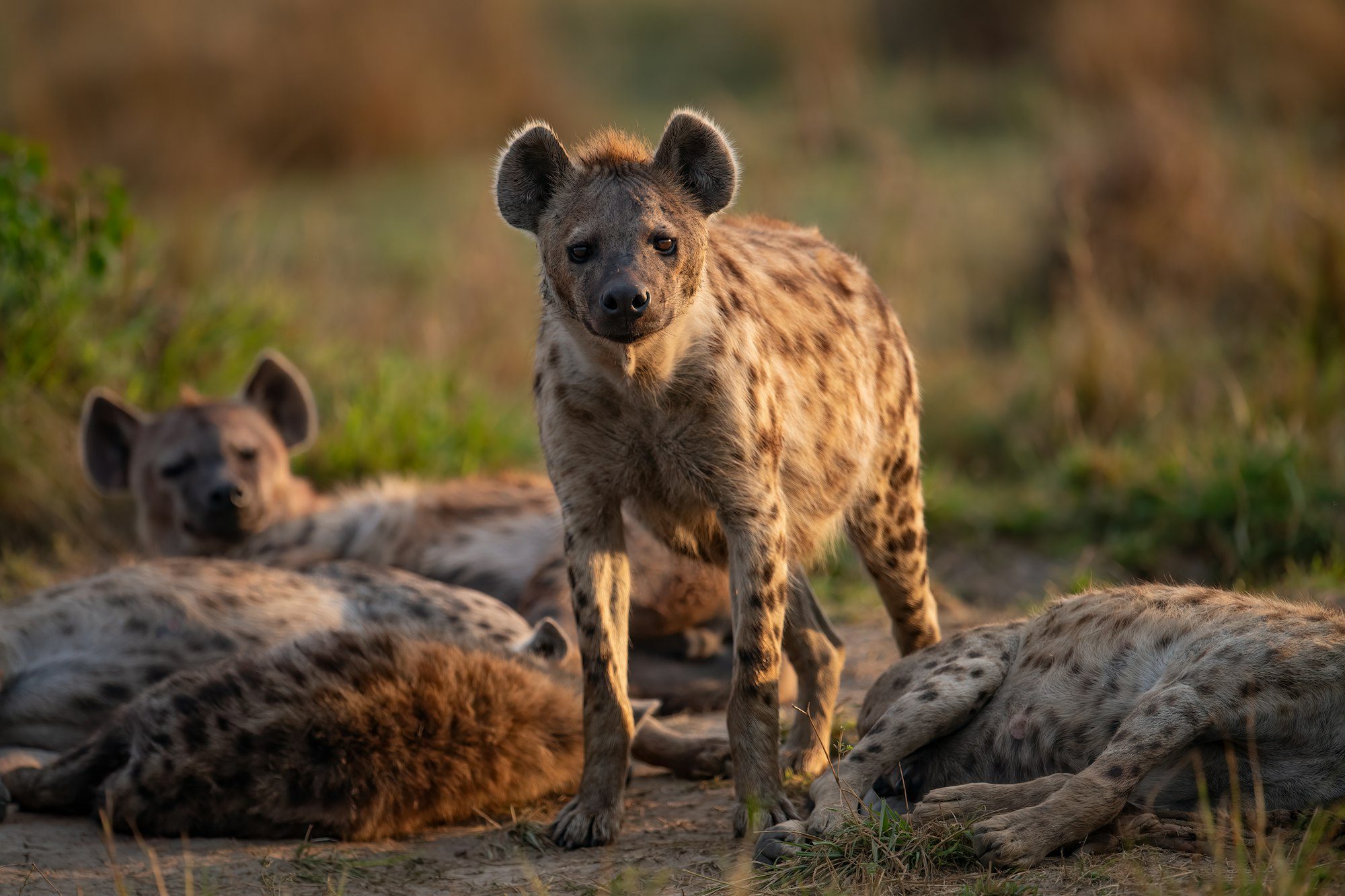
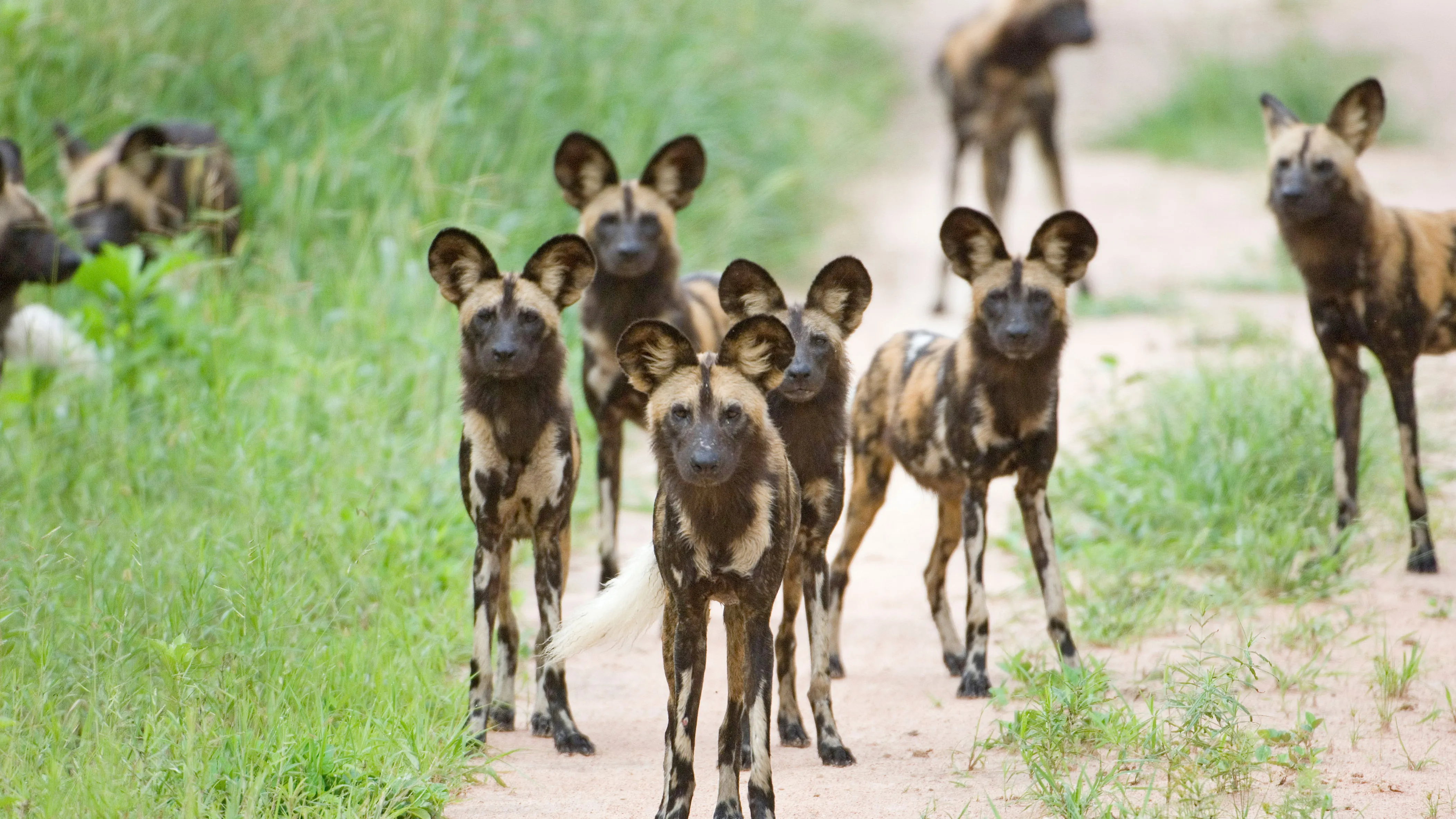
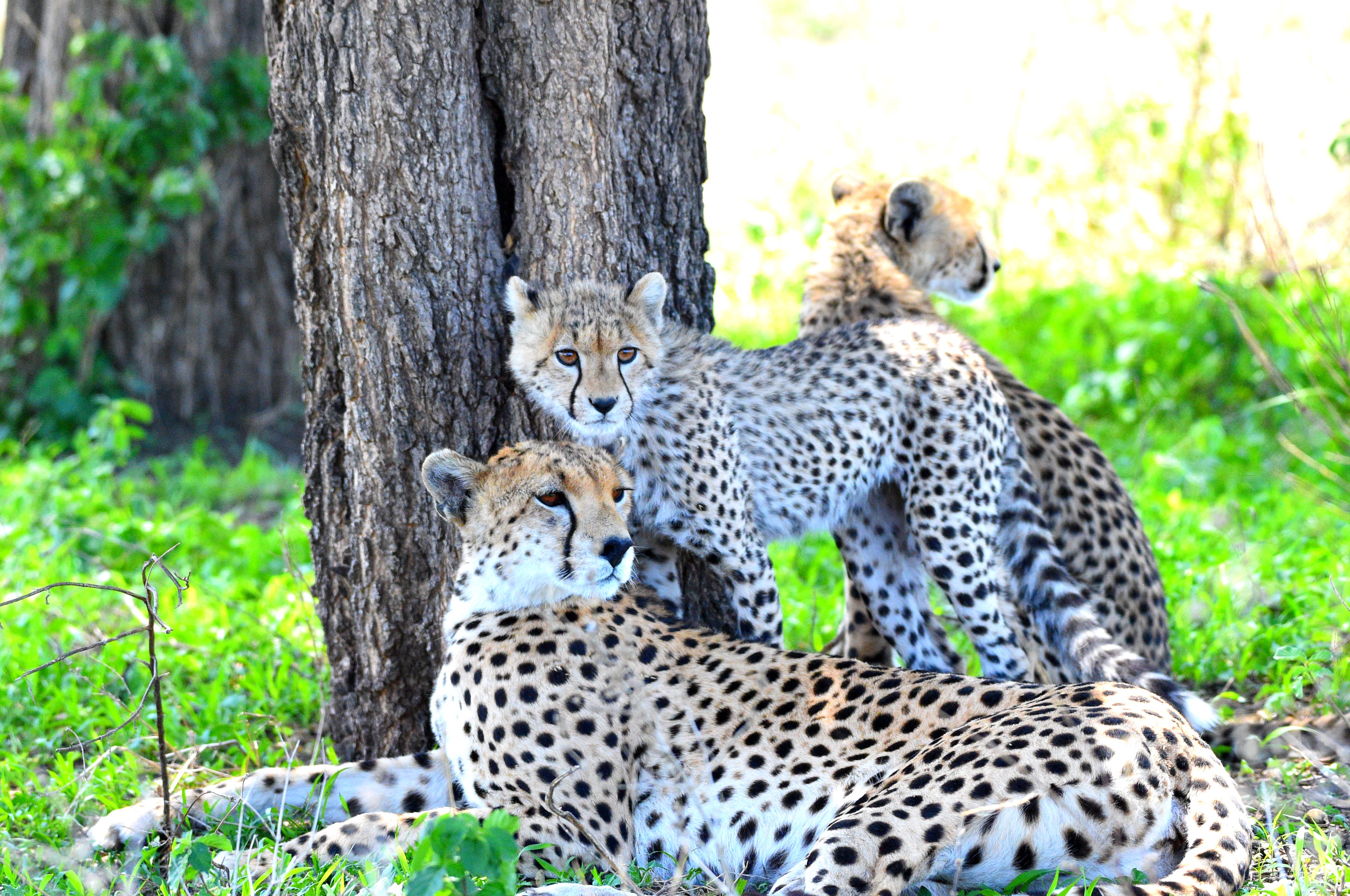
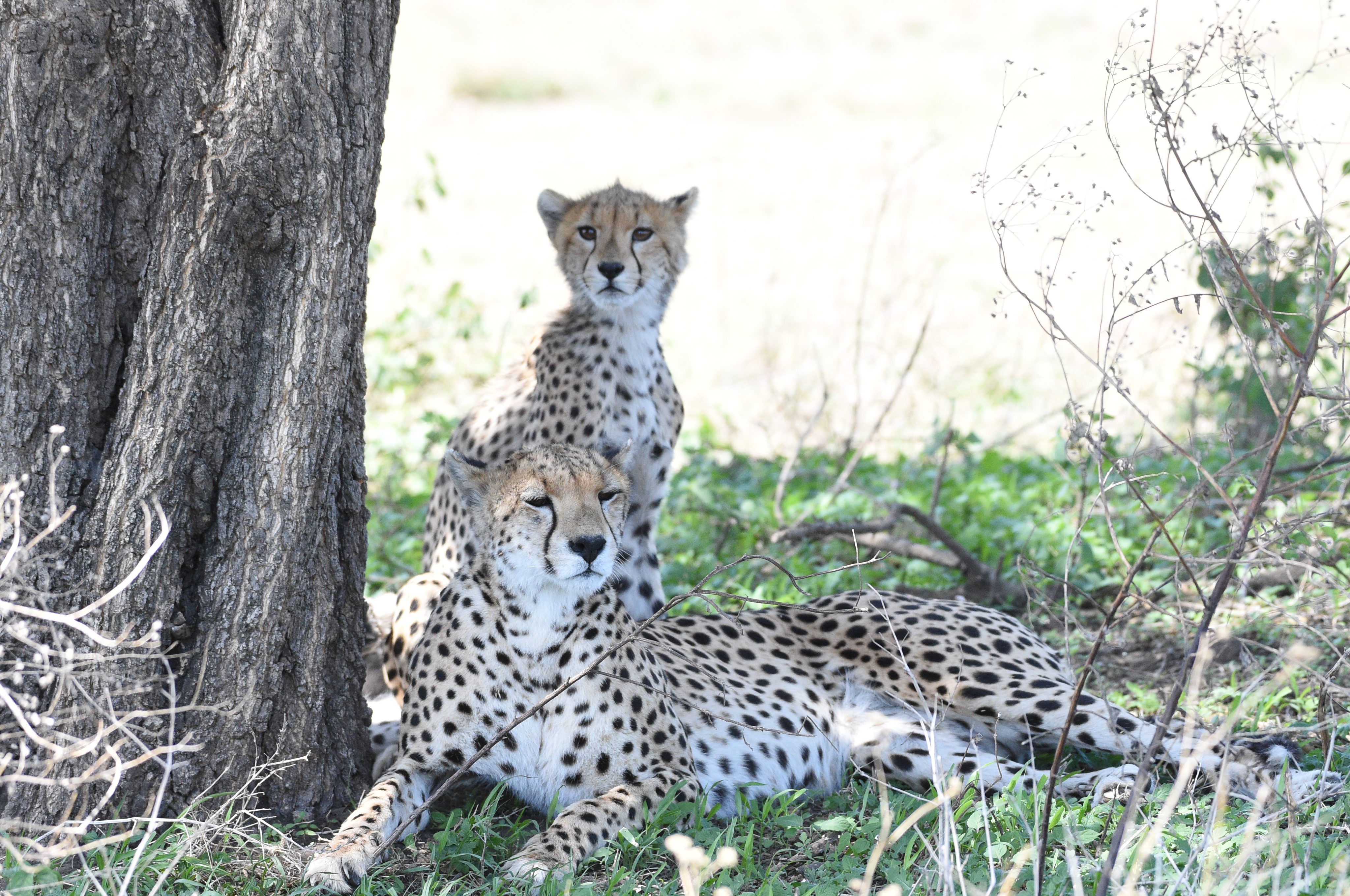
The timing is an evolutionary masterpiece: by flooding the plains with newborns simultaneously, the wildebeest overwhelm predators through sheer numbers. Most calves are up and running within 7 minutes of birth — they have to be, because lions, cheetahs, hyenas, and wild dogs are never far away.
When and Where
- When: Late January through February, peaking in the first two weeks of February. Some calving continues into early March.
- Where: The short-grass plains between Ndutu (in the Ngorongoro Conservation Area) and the southern Serengeti. The nutrient-rich volcanic soils here produce grass that's exceptionally high in phosphorus — exactly what lactating mothers need.
- How to get there: Ndutu is accessible from both the Serengeti side and the Ngorongoro side. Most itineraries approach from the Ngorongoro gate.
What You'll See
- Births: Wildebeest give birth in the open, without hiding. You'll witness the entire process from a respectful distance — birth, first steps, first suckling.
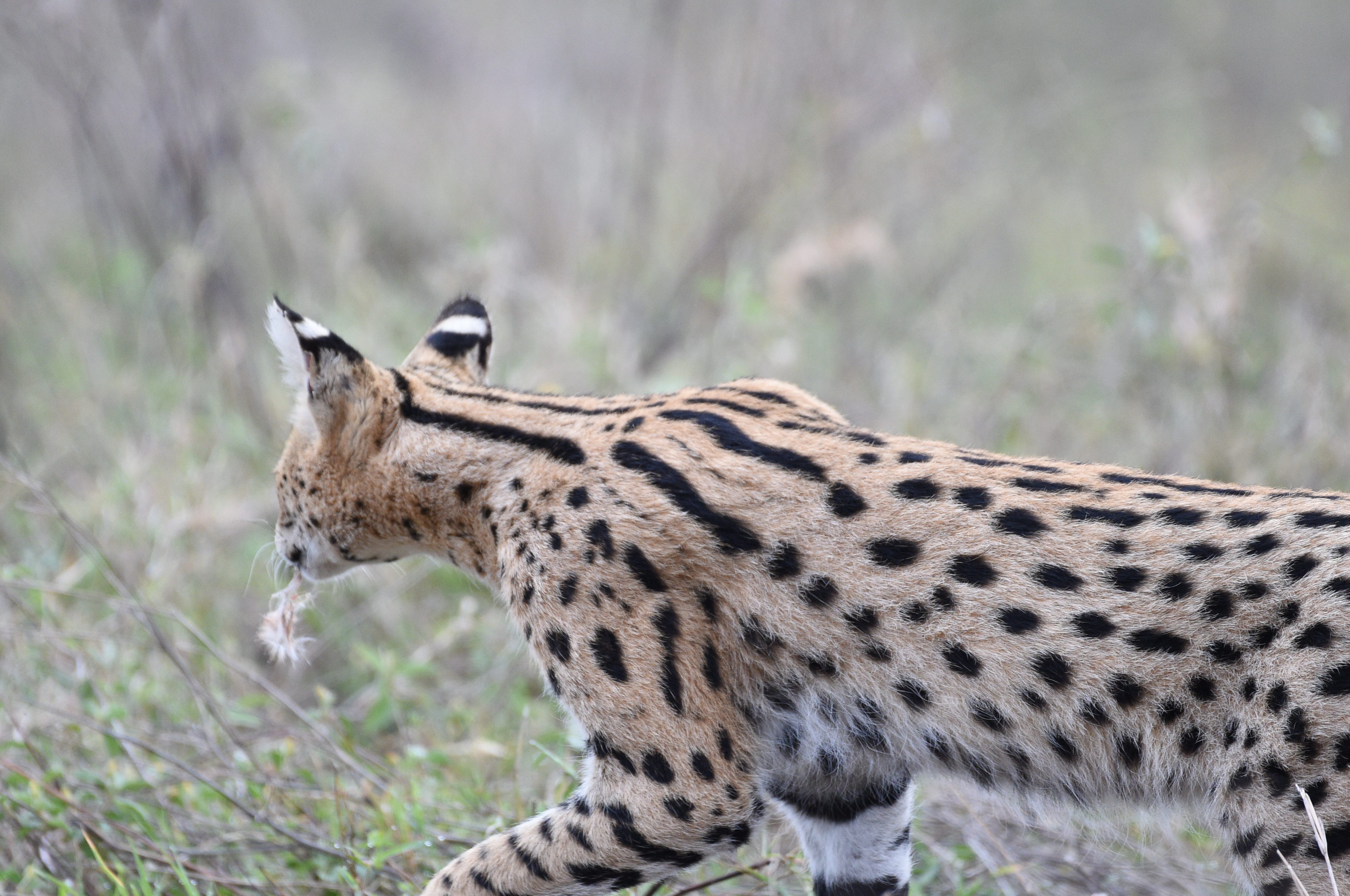
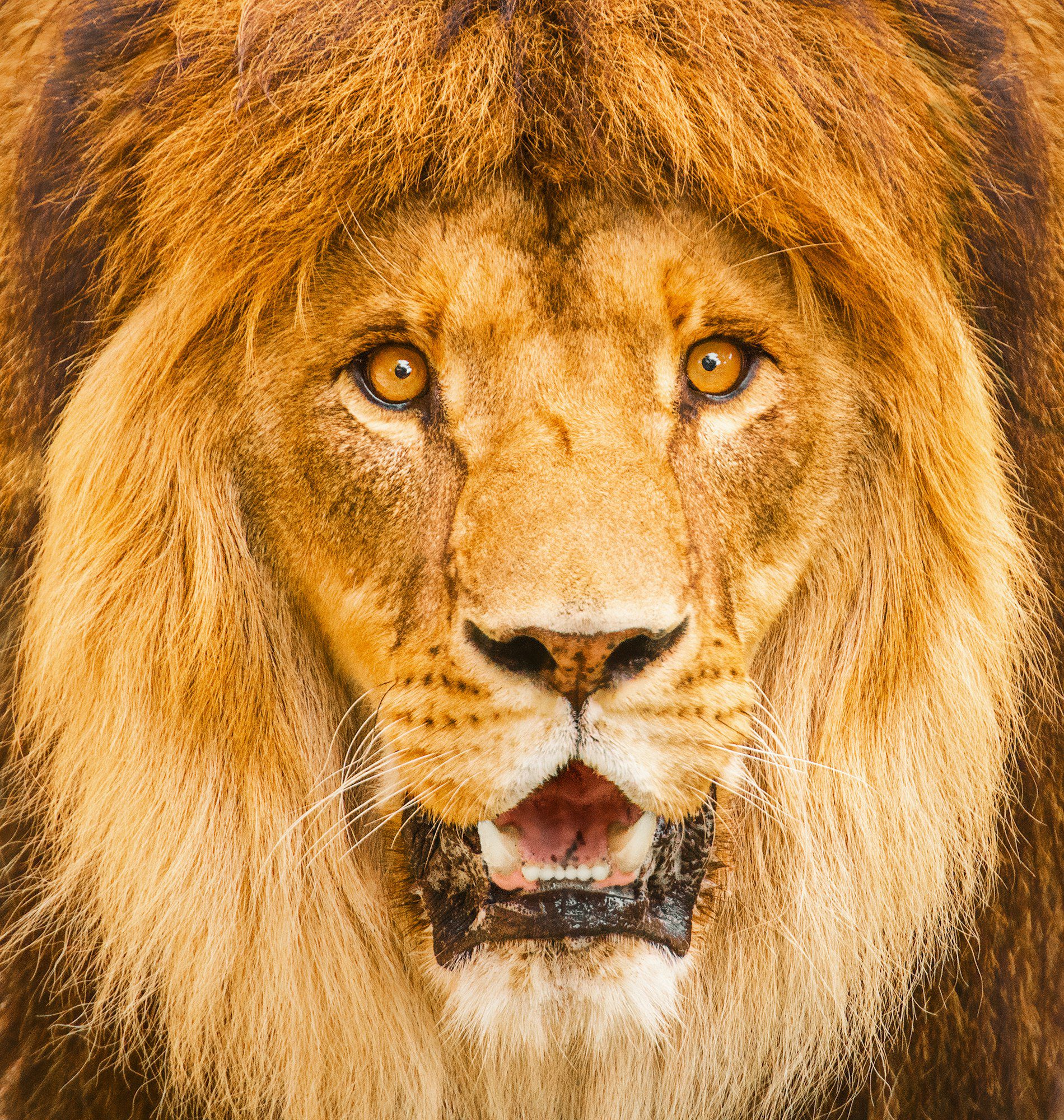
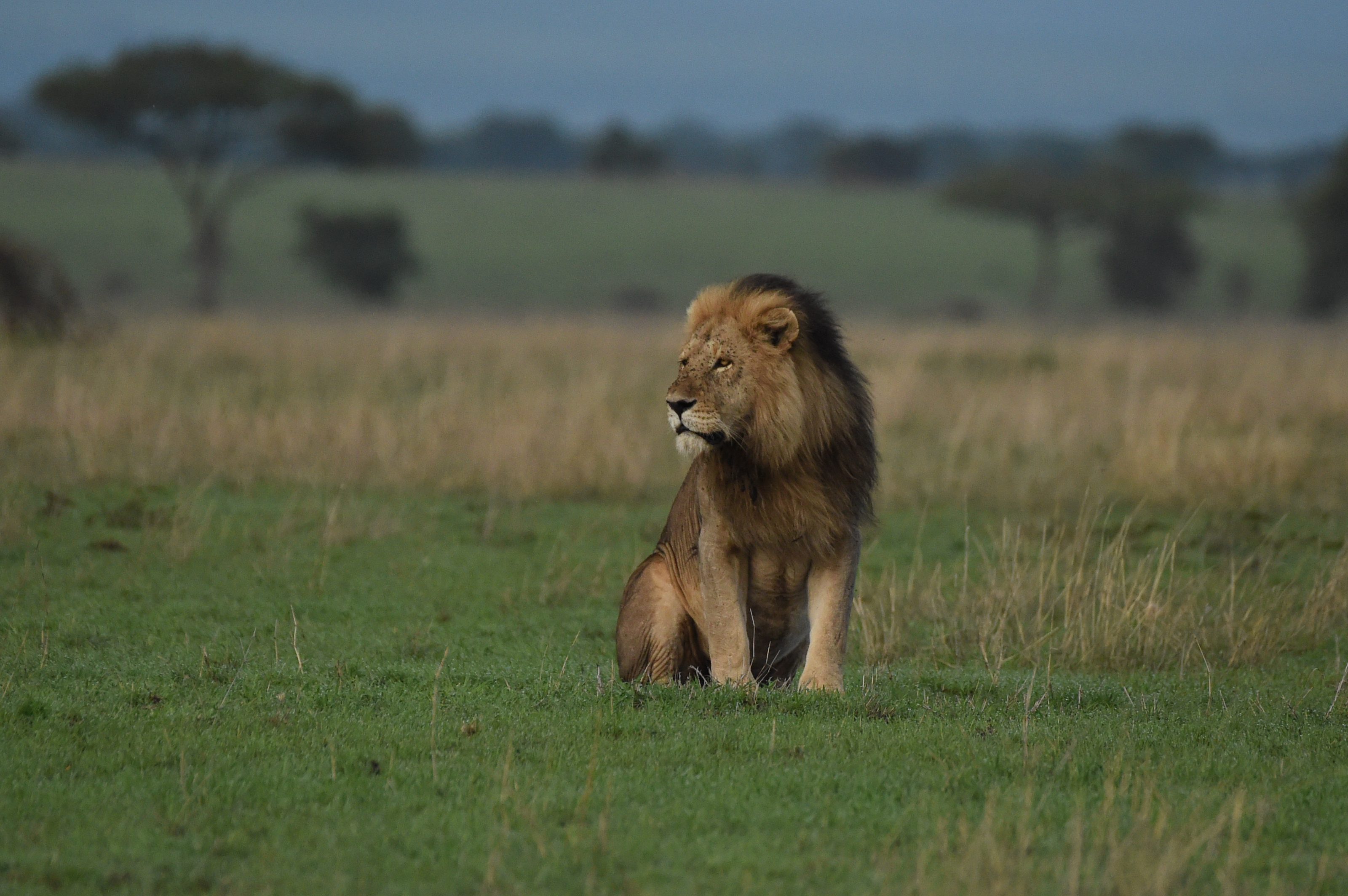
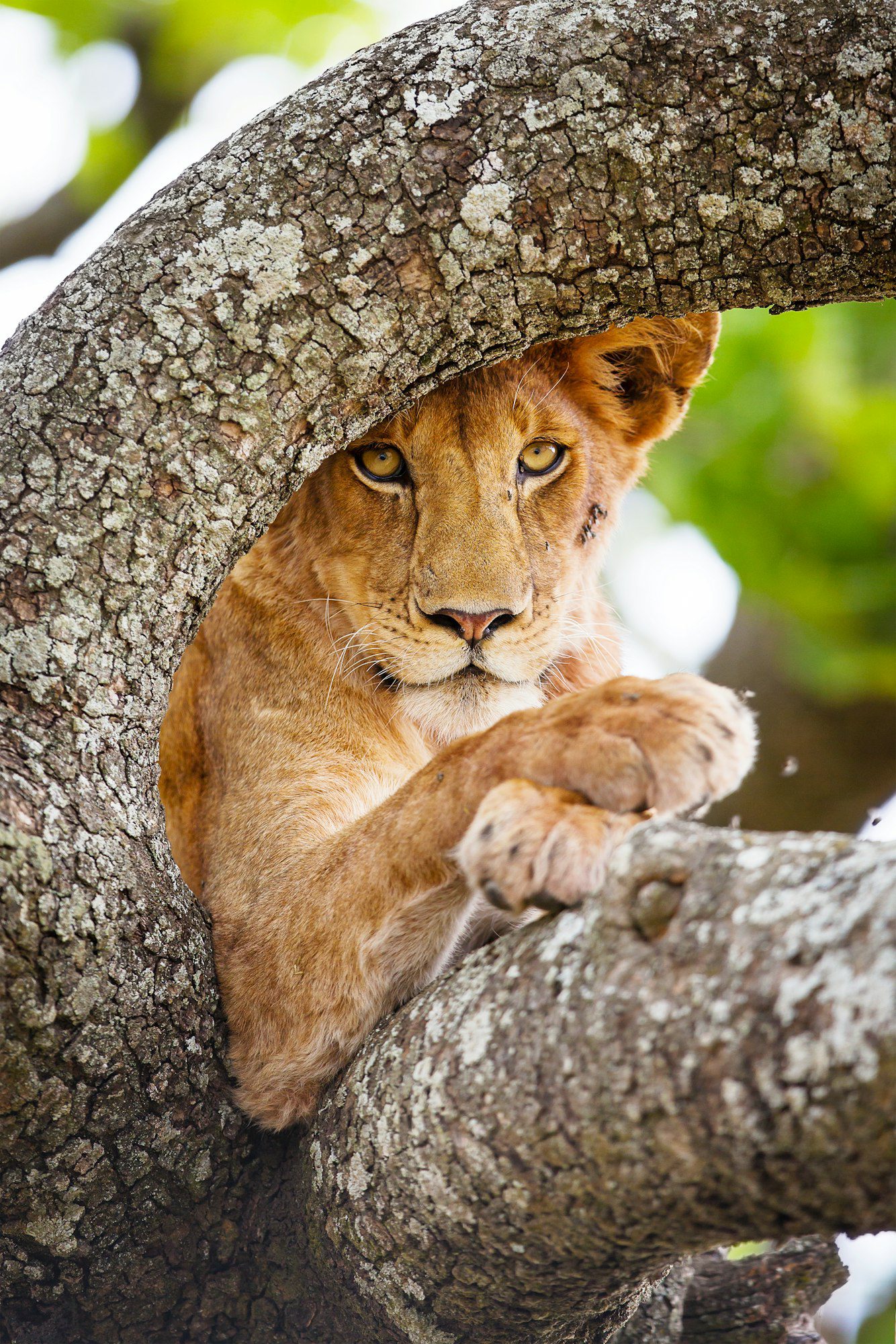
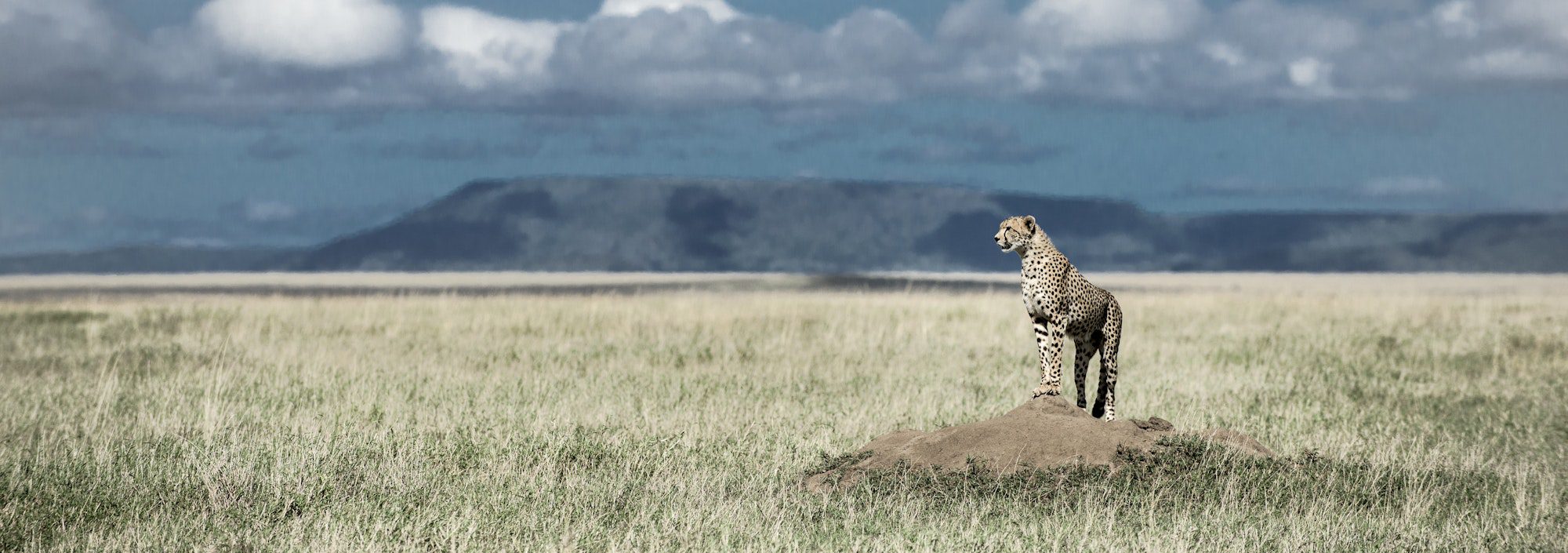
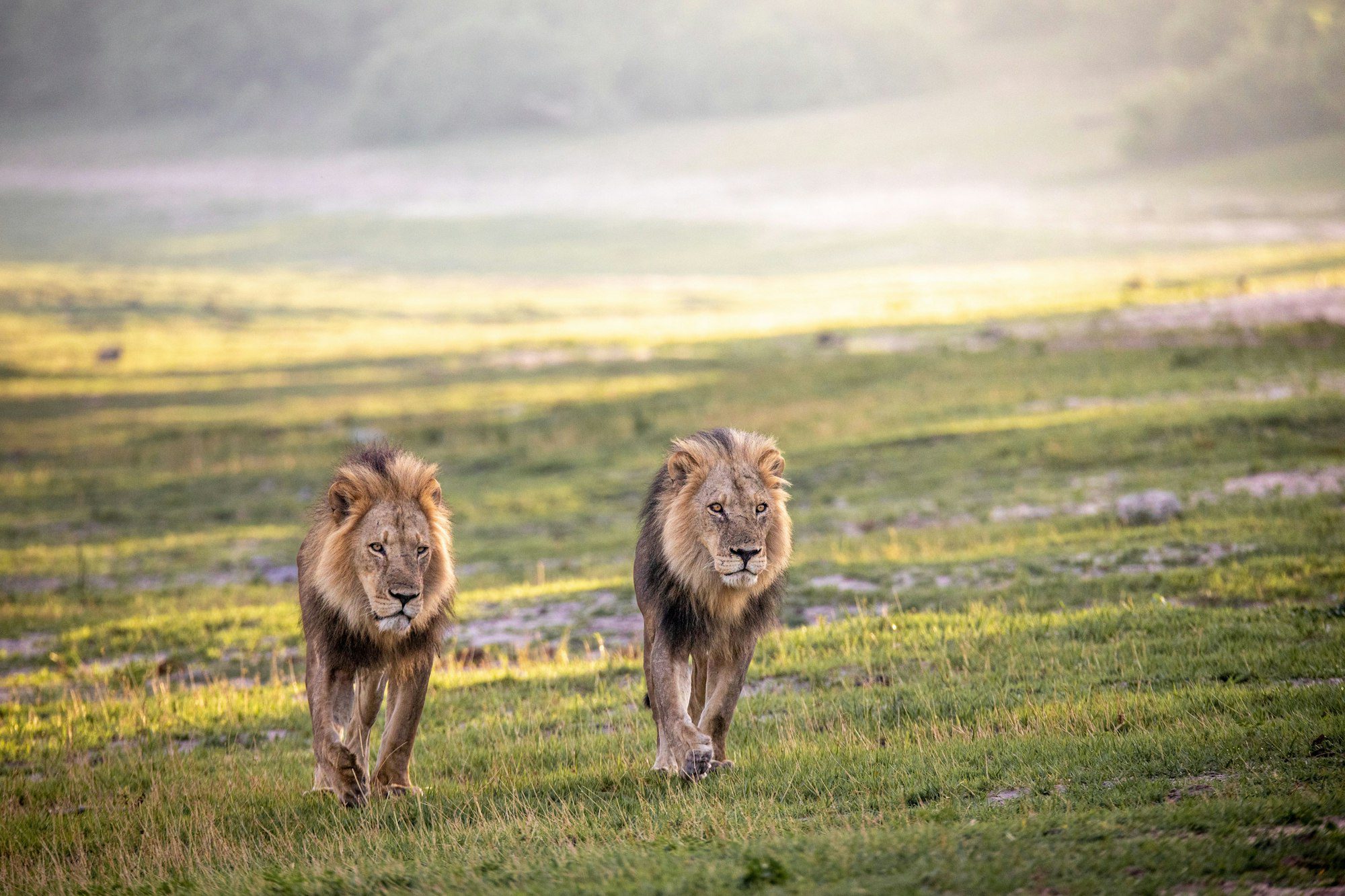
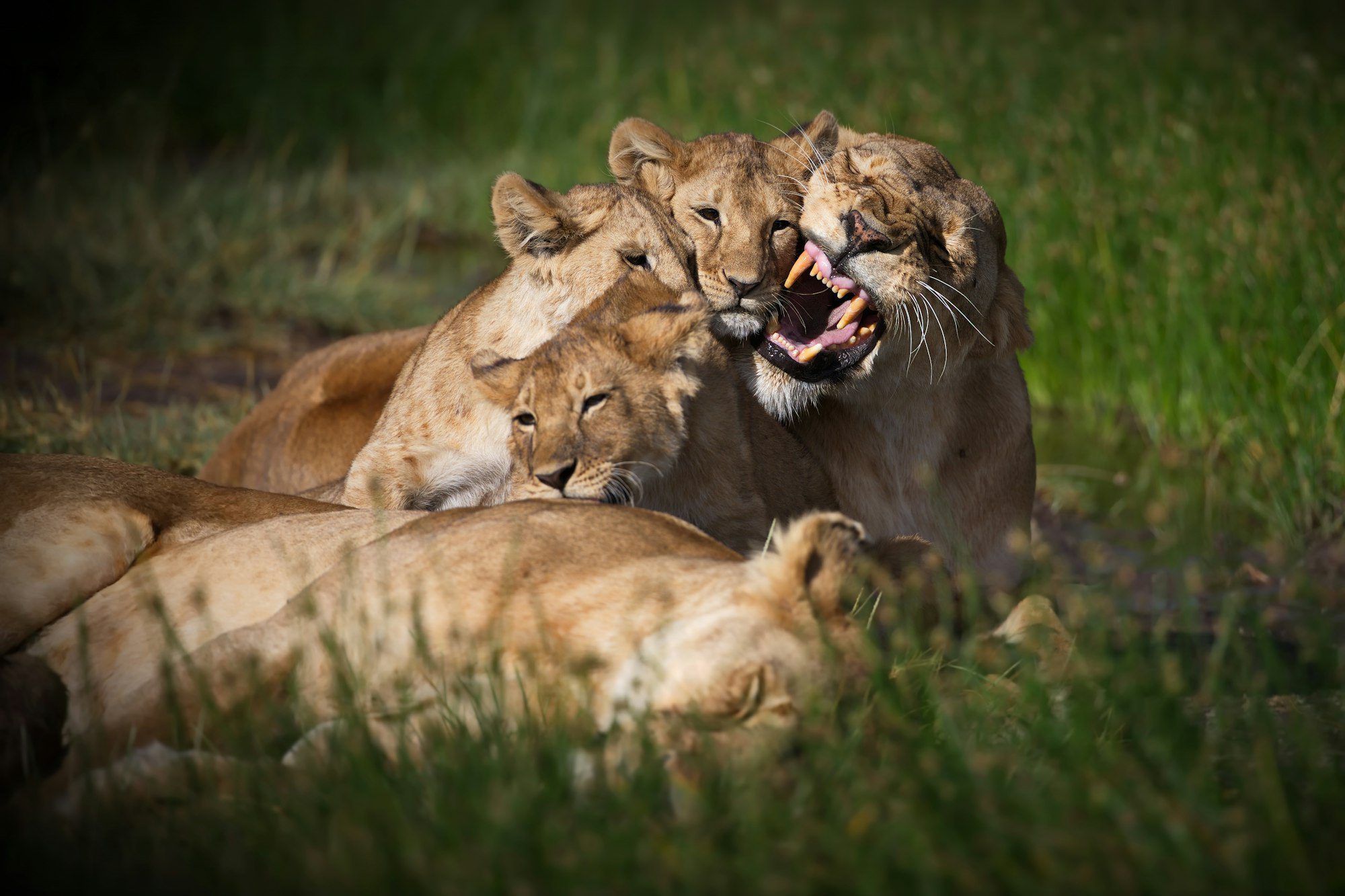
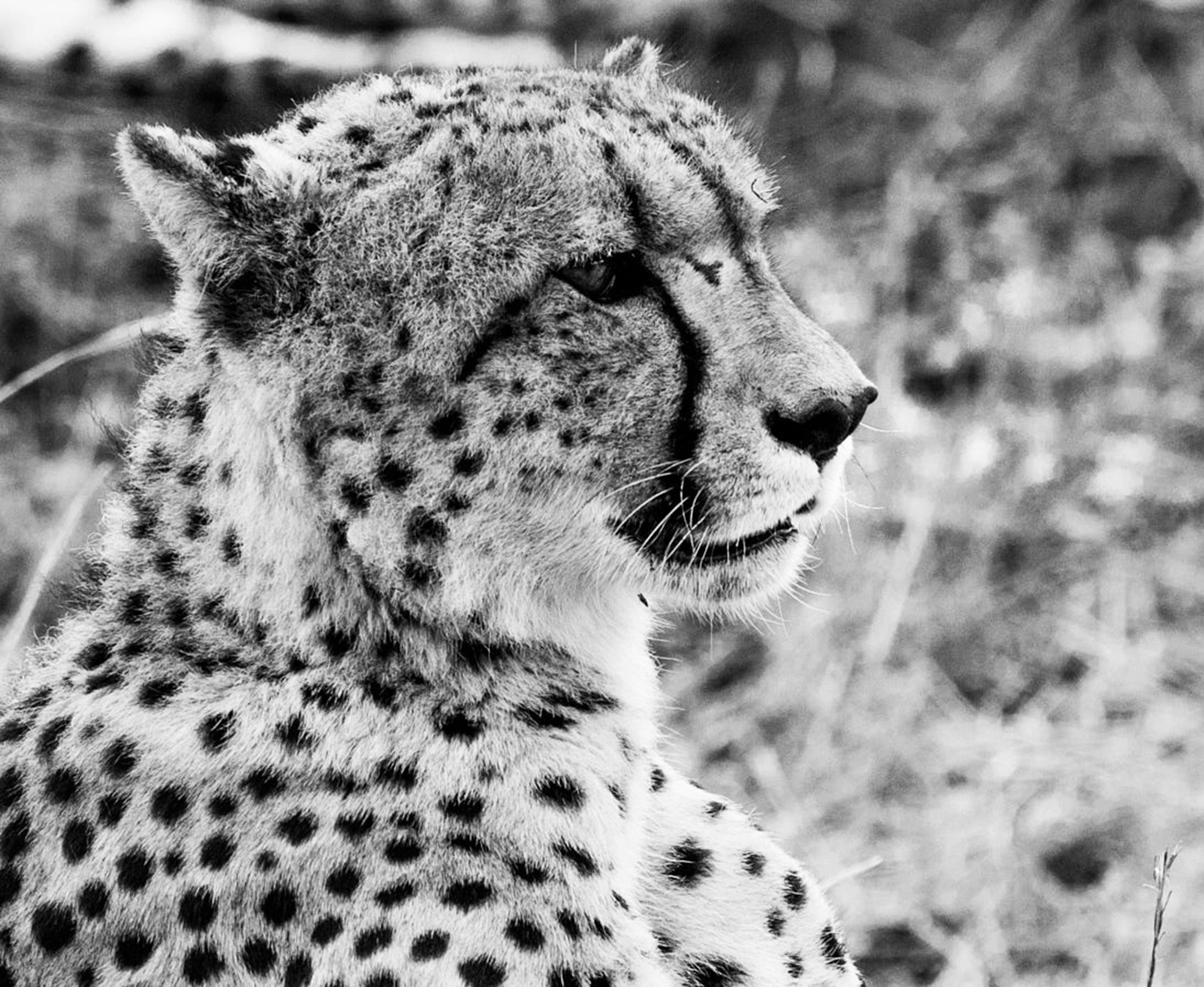
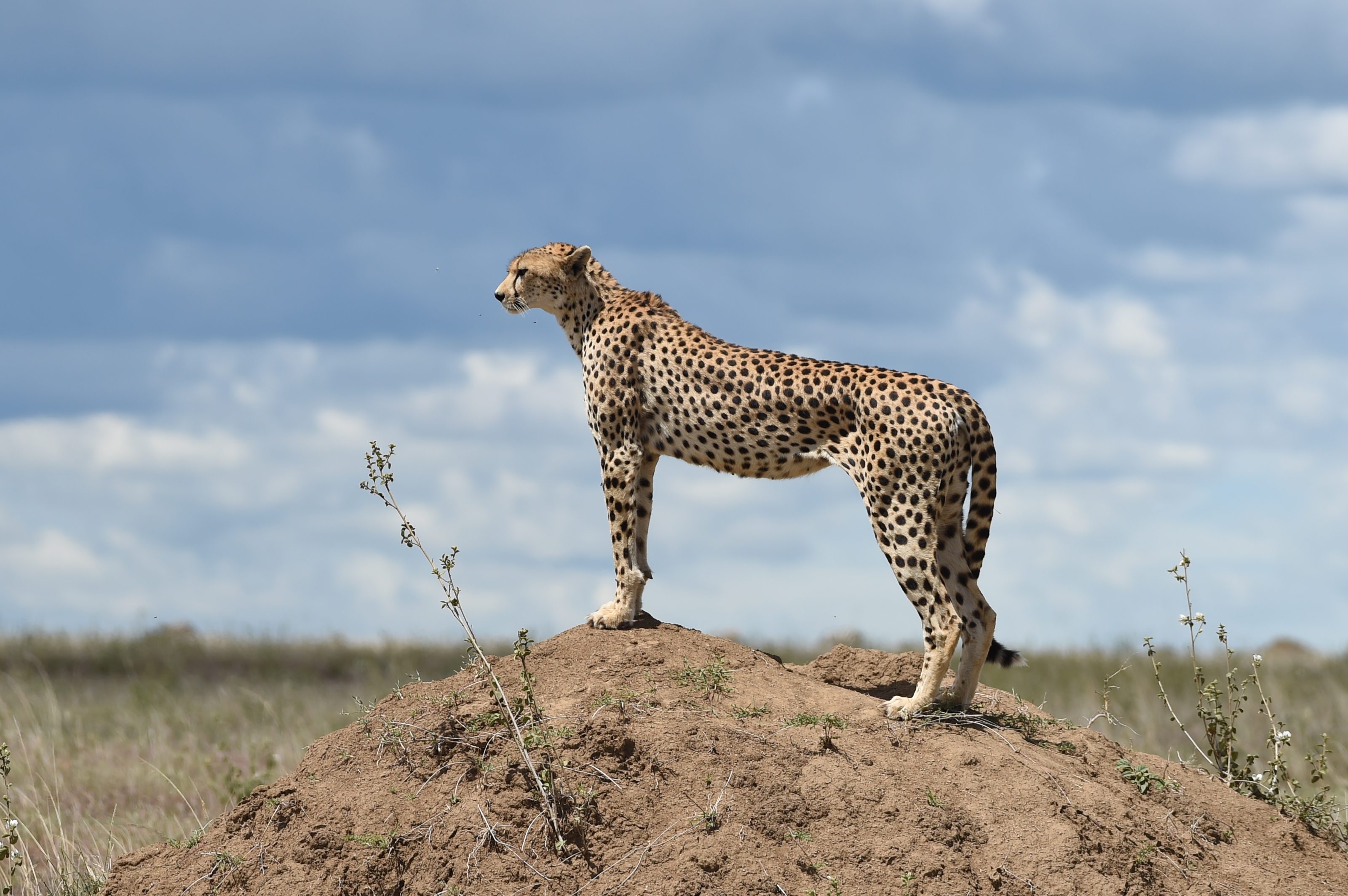
- Predator action: This is the single best time for predator viewing in the entire Serengeti. Cheetahs are everywhere, targeting vulnerable calves. Lion prides feast. Hyena clans are at their most active. The interaction between predators and the herds is constant and dramatic.
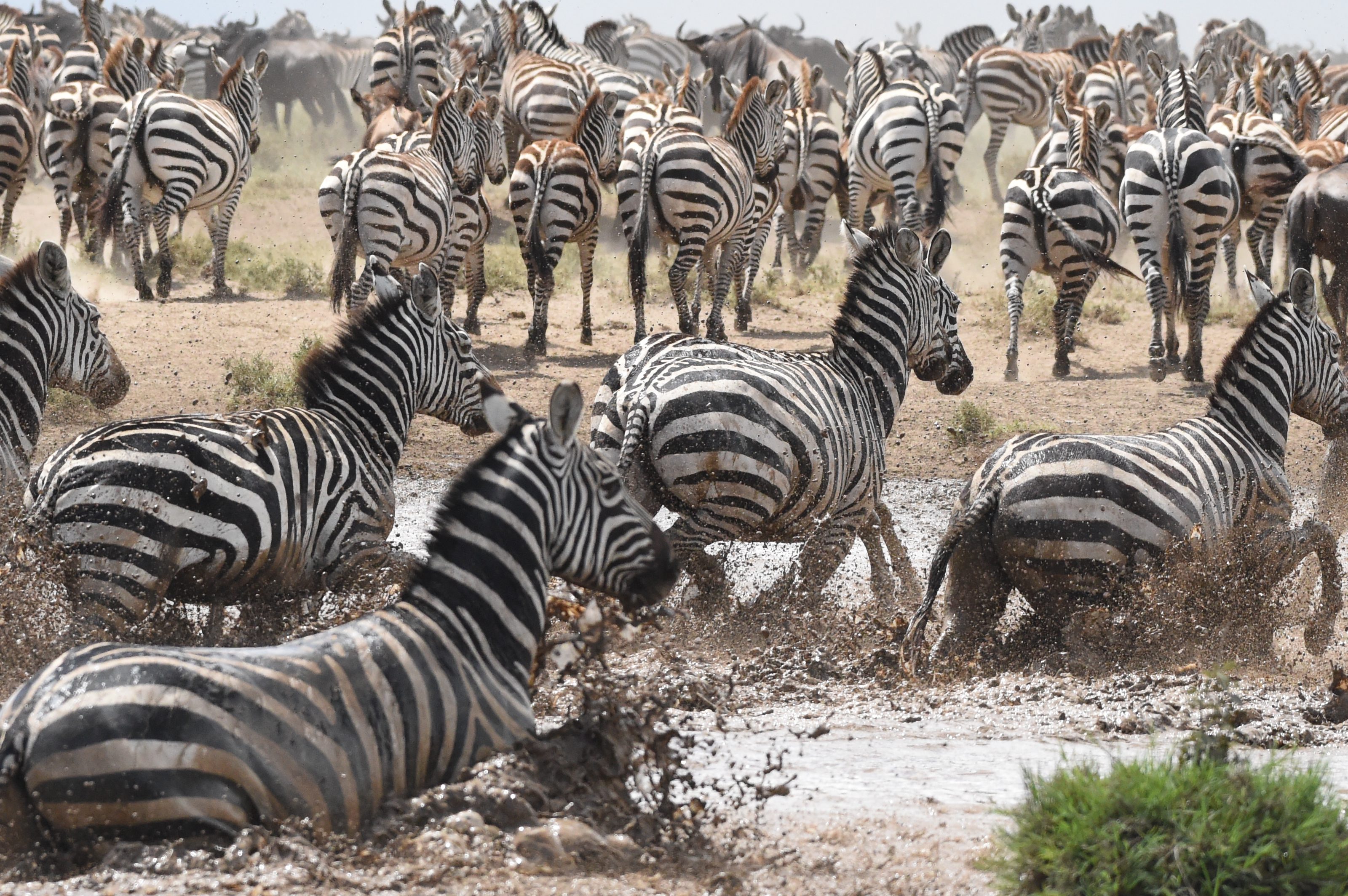
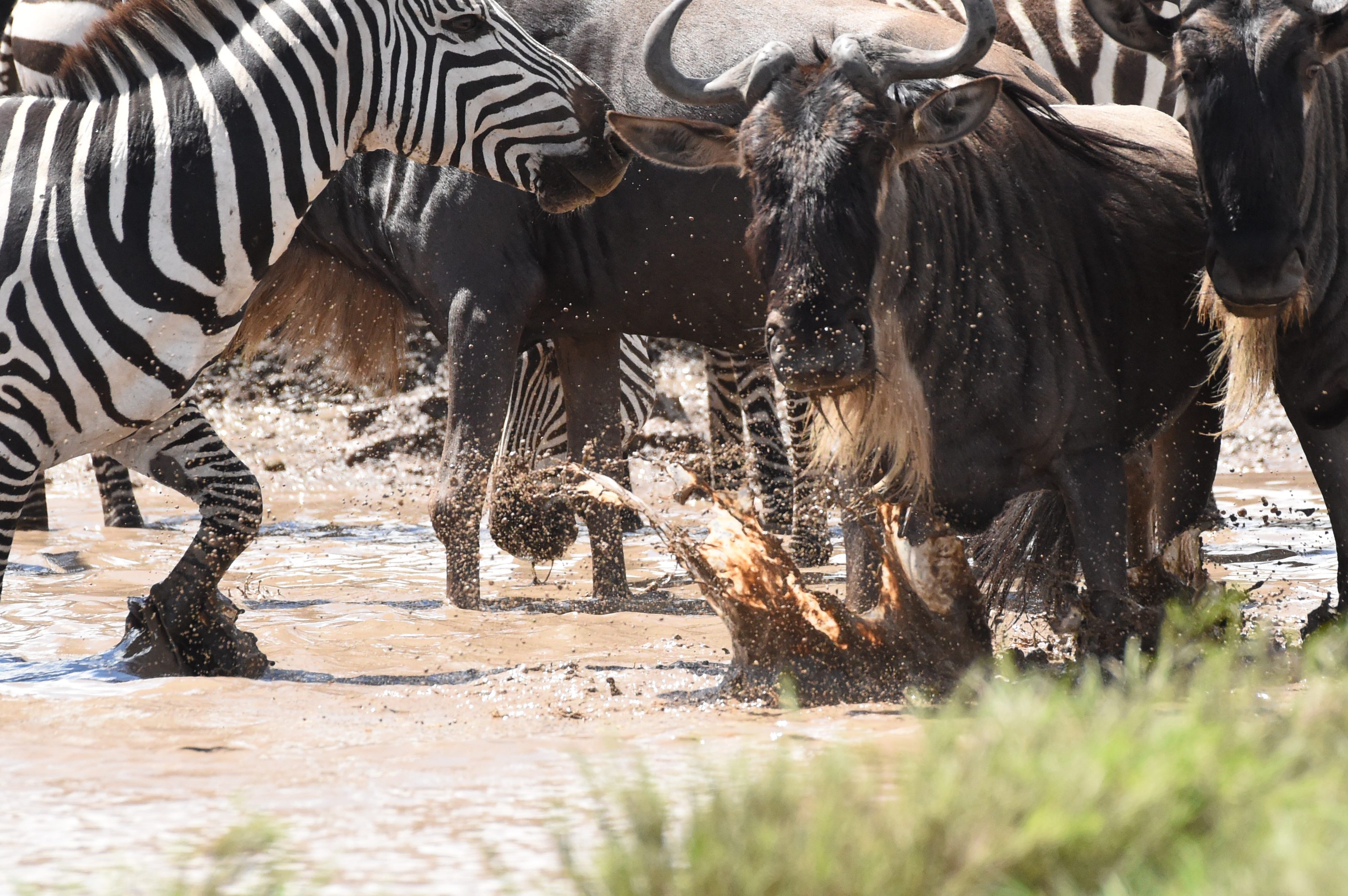
- Scale: The plains are covered with wildebeest as far as the eye can see. The numbers are genuinely staggering — photographs can't capture the vastness.
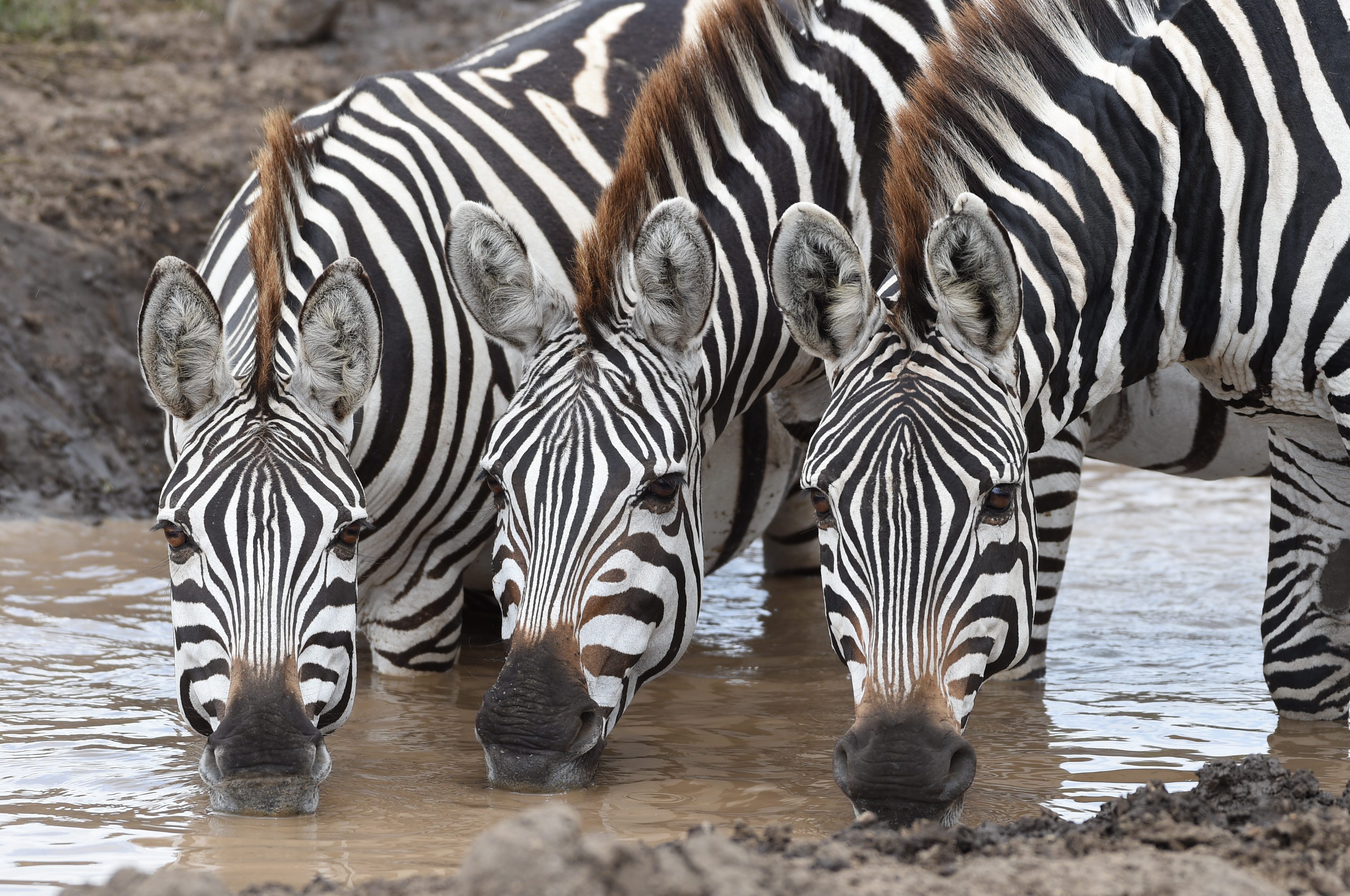
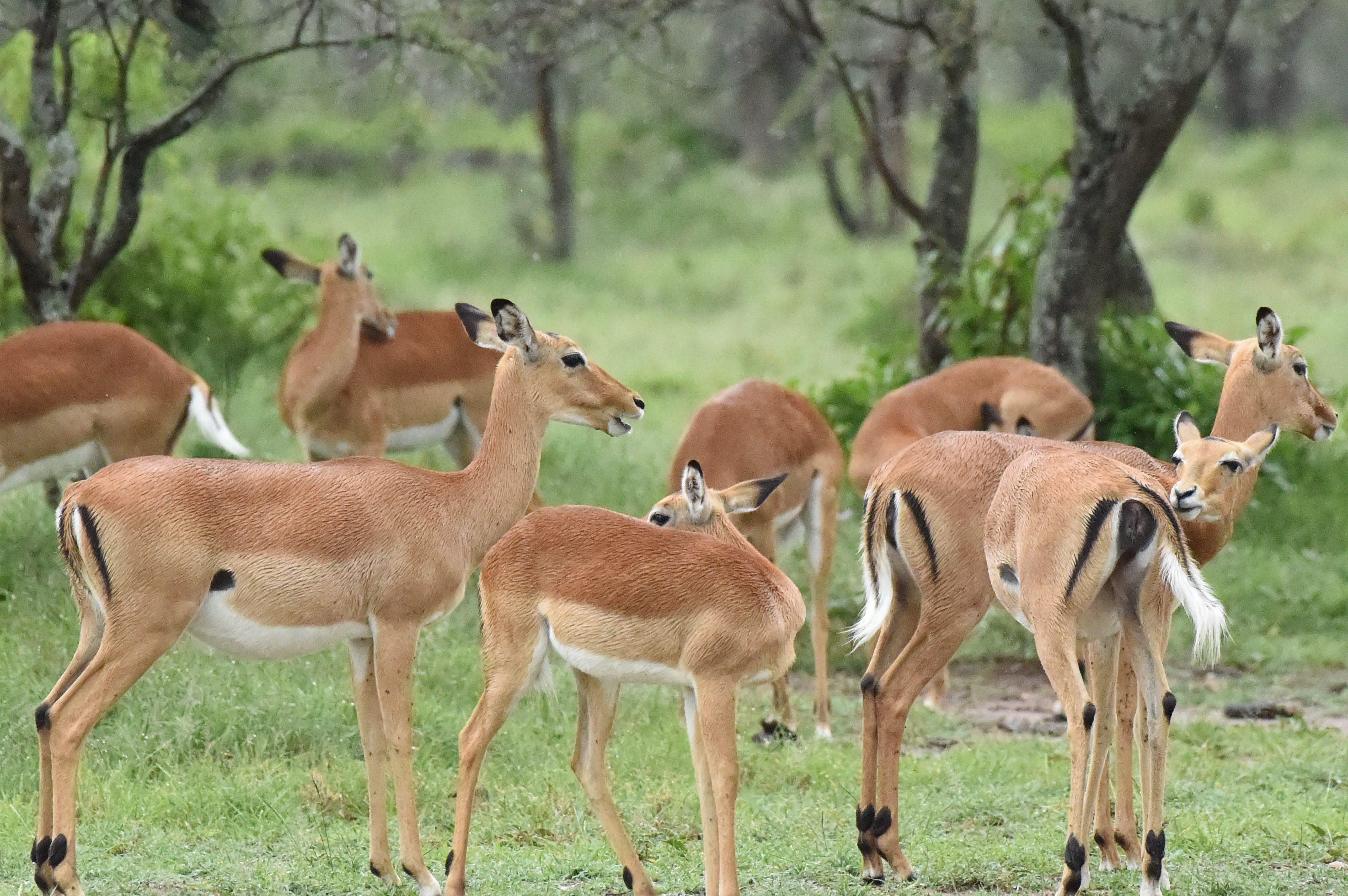
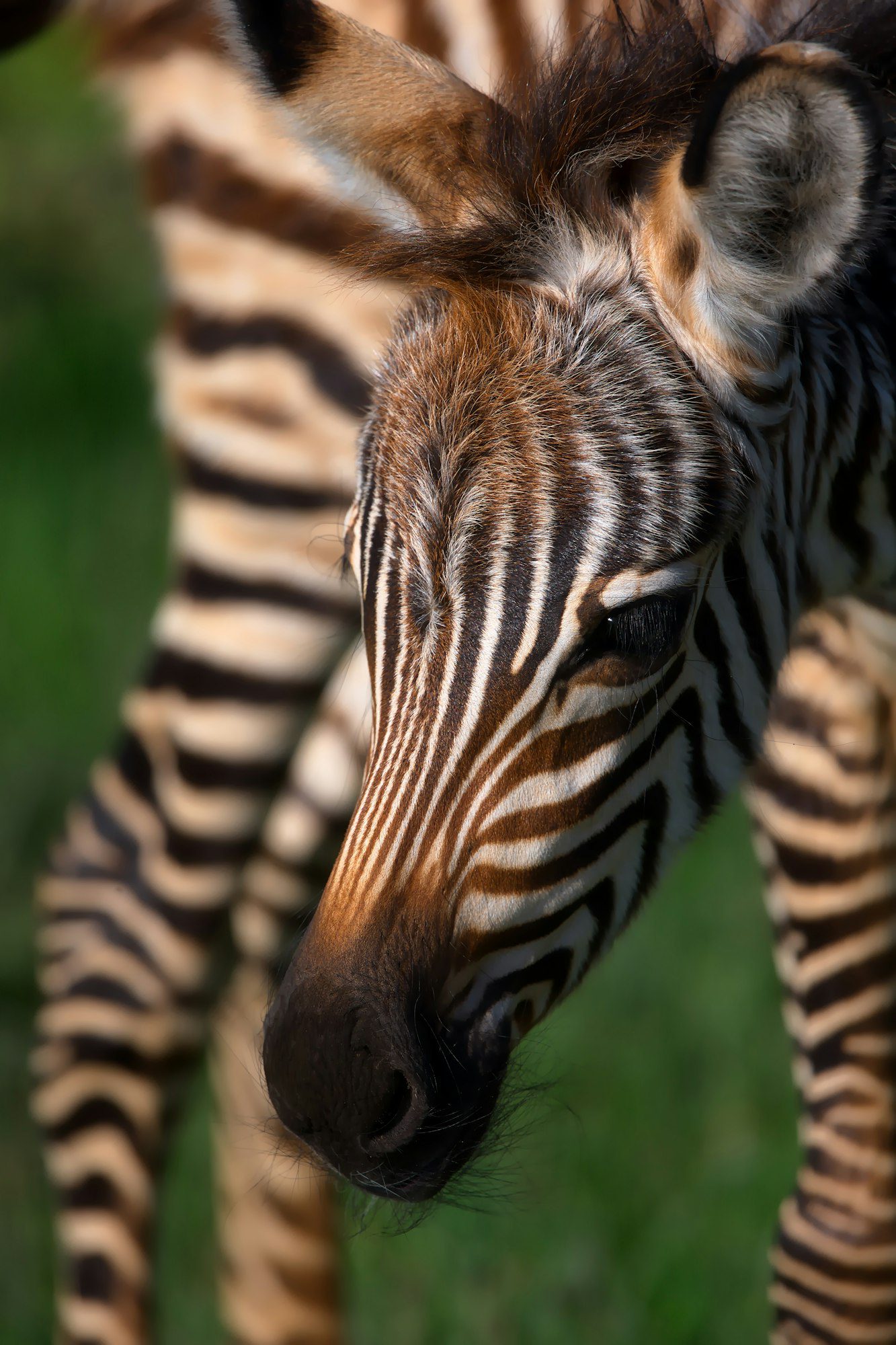
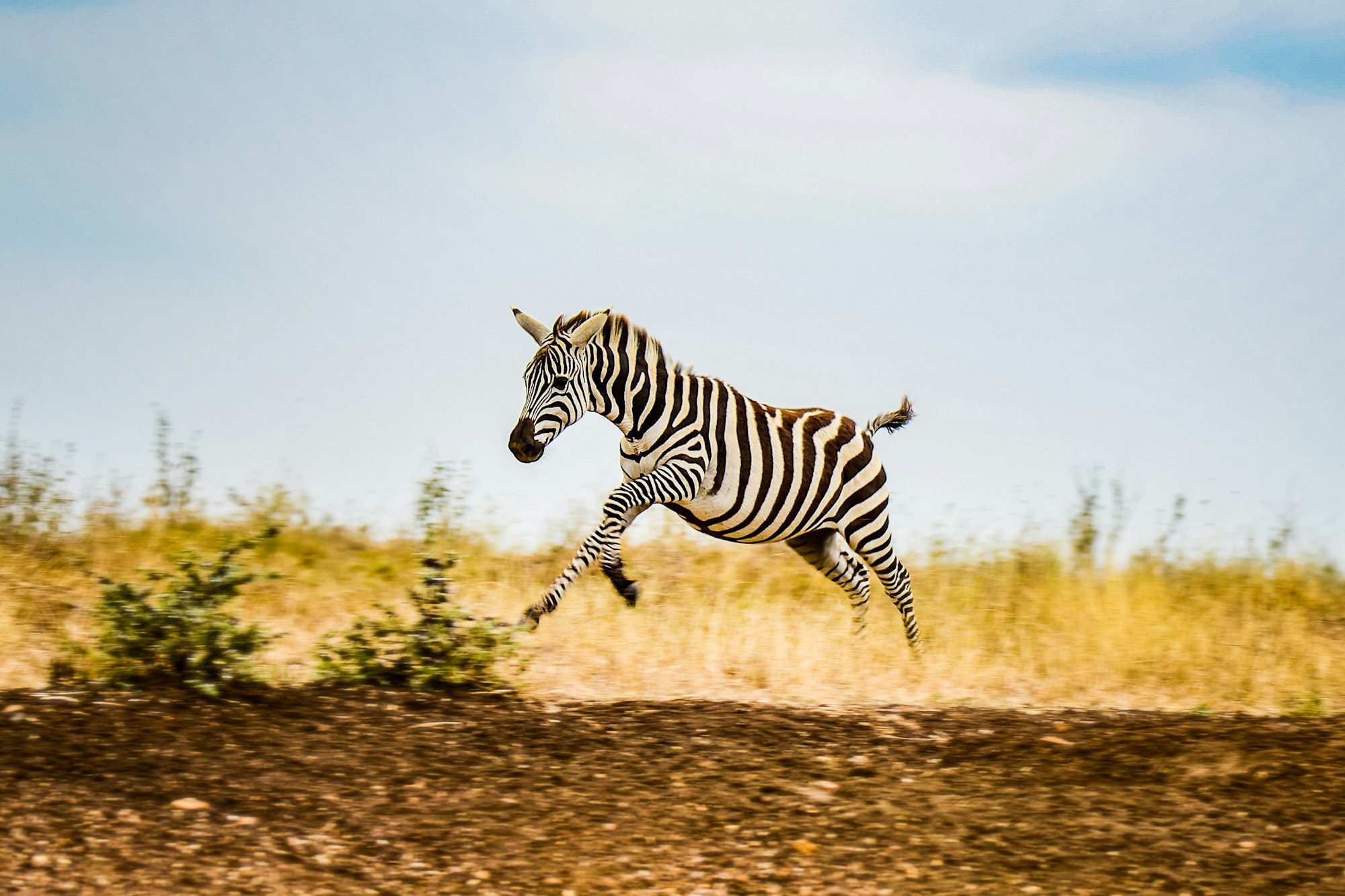
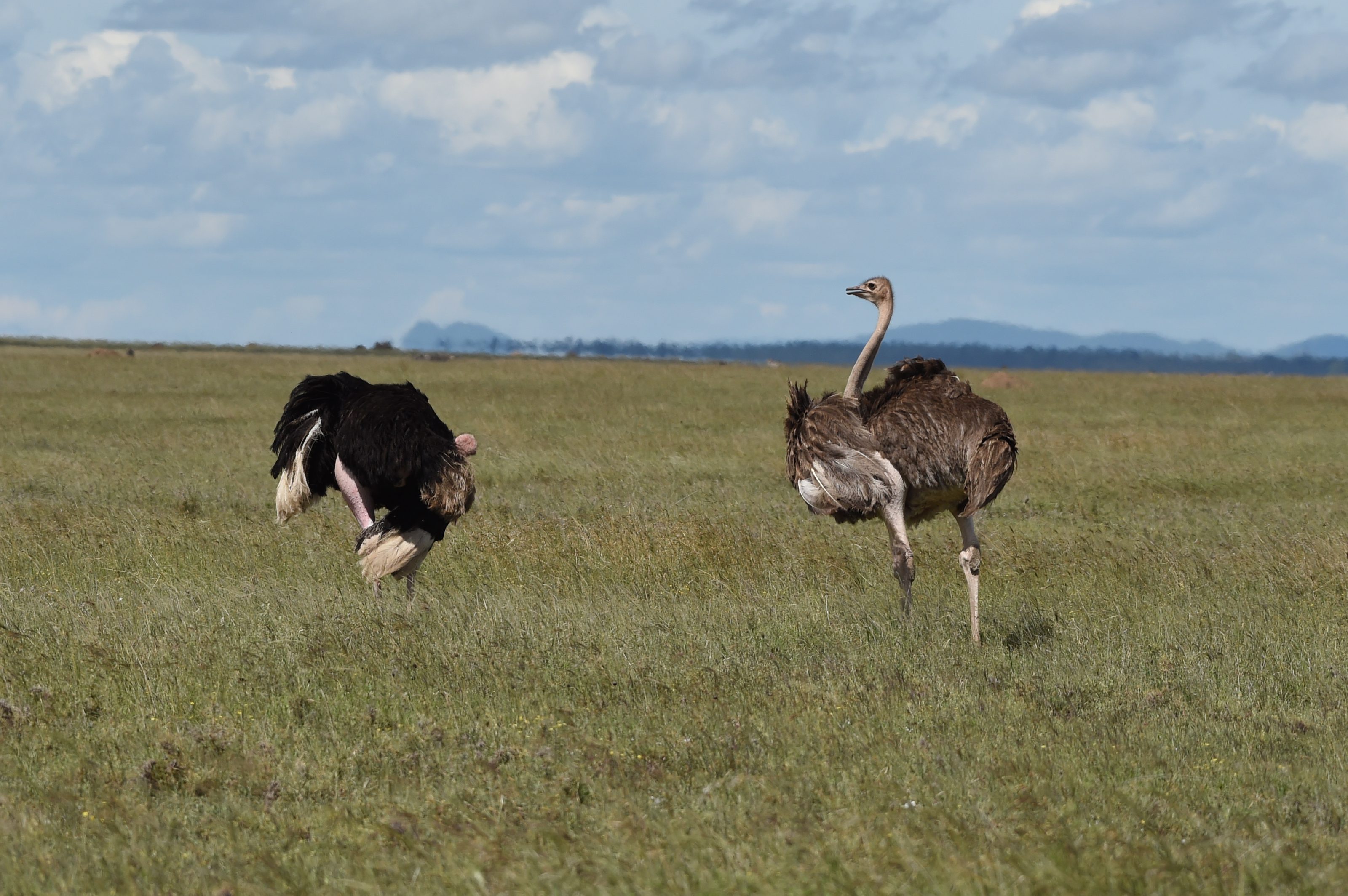
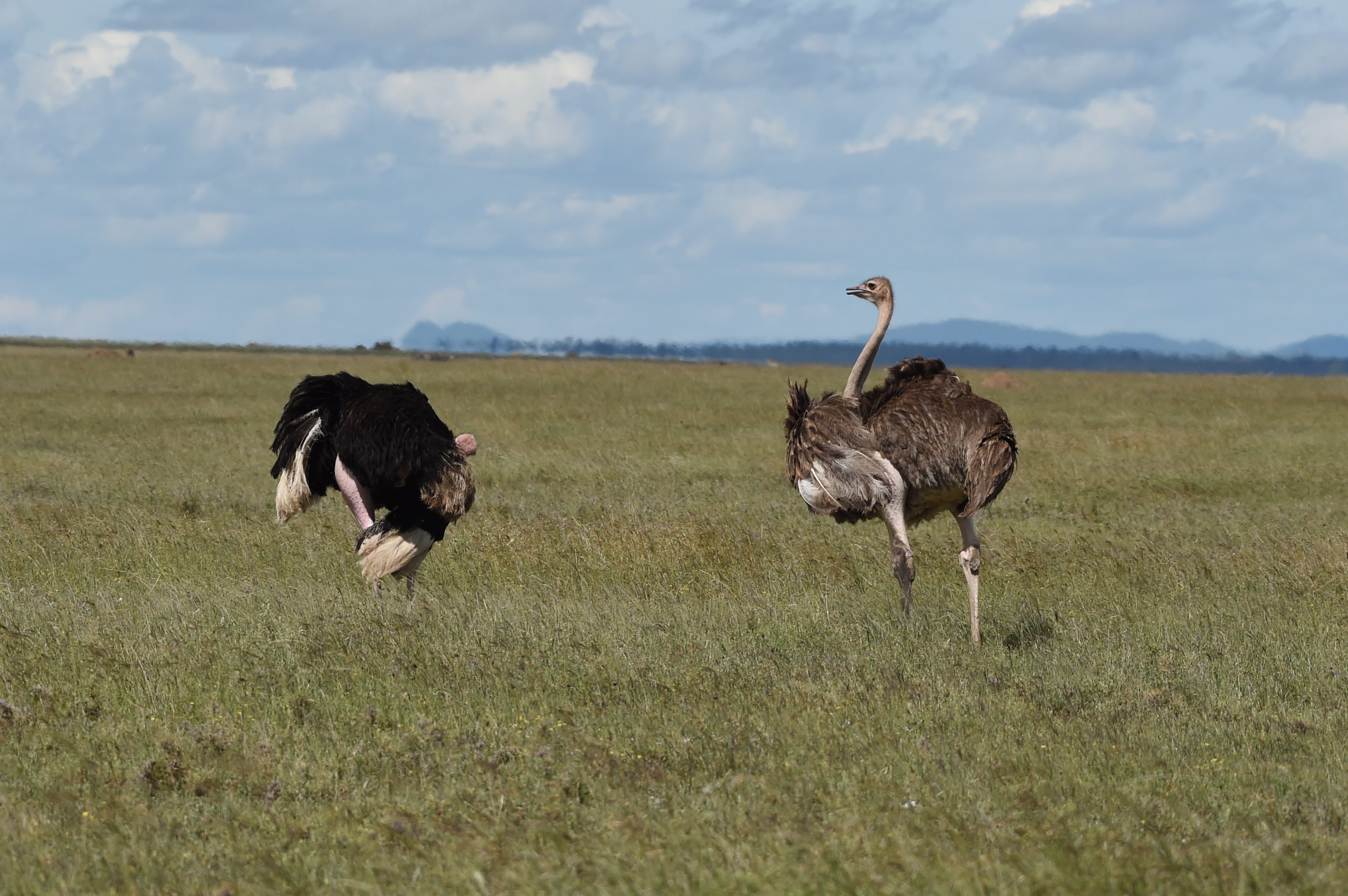
- Baby animals everywhere: It's not just wildebeest. Zebra foals, gazelle fawns, and other species also birth during this period.
Why Calving Season Is Special
Compared to the river crossings (July–September), calving season offers several advantages:
- More predictable: The herds are in the same general area for weeks. River crossings are unpredictable and may not happen on your visiting days.
- Better weather: January–February is warm with mostly clear skies and occasional refreshing showers. The green landscape photographs beautifully.
- Fewer tourists: Calving season is popular but significantly less crowded than peak dry-season Serengeti.
- Lower prices: Accommodation rates are mid-range, not peak season pricing.
Planning Your Calving Season Safari
We recommend at least 3 nights in the Ndutu/southern Serengeti area to fully experience calving season. Combine with the Ngorongoro Crater (nearby) and Tarangire for a complete 7-day safari. Request your calving season safari quote — the best Ndutu camps book out early, so plan 4–6 months ahead.