



Why Walk When You Can Drive?
A walking safari is to a game drive what snorkeling is to watching a nature documentary — it puts you inside the experience rather than observing from a distance. On foot, you notice everything a vehicle obscures: the crunch of dry grass underfoot, the alarm call of a francolin, the fresh scent of elephant dung (which tells your guide an elephant passed 20 minutes ago), and the adrenaline of tracking a predator on foot.
Walking safaris aren't about seeing more wildlife — you'll see less than from a vehicle. They're about seeing differently: understanding the ecosystem at ground level, reading tracks and signs, and experiencing the vulnerability of being a human in wild Africa.
Where to Walk in Tanzania
- Nyerere (Selous): The best walking safari destination in Tanzania. Multi-hour walks through diverse terrain with armed rangers. Several camps specialize in walking-focused itineraries.
- Ruaha: Walking safaris available from several camps. The rocky, varied terrain is excellent for on-foot exploration.
- Serengeti: Limited walking available in specific areas, always with armed rangers. Not the primary activity but a valuable supplement to game drives.
- Ngorongoro Highlands: Walks on the crater rim and surrounding highlands. Empakaai Crater walk offers stunning scenery.
- Tarangire: Some camps offer guided walks in concessions bordering the park.
What to Expect
- Duration: 1–4 hours depending on the operator and area.
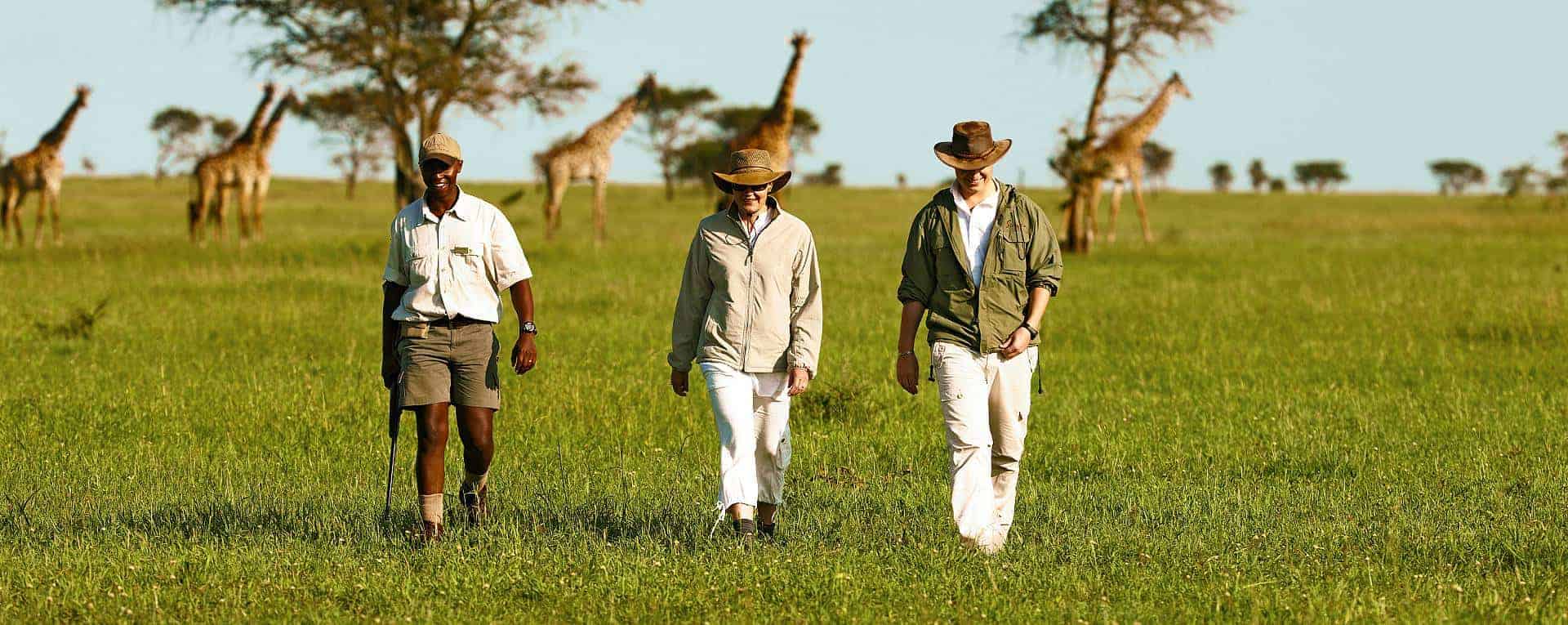
- Group size: Small groups (2–6 guests maximum) with an armed ranger and experienced guide.
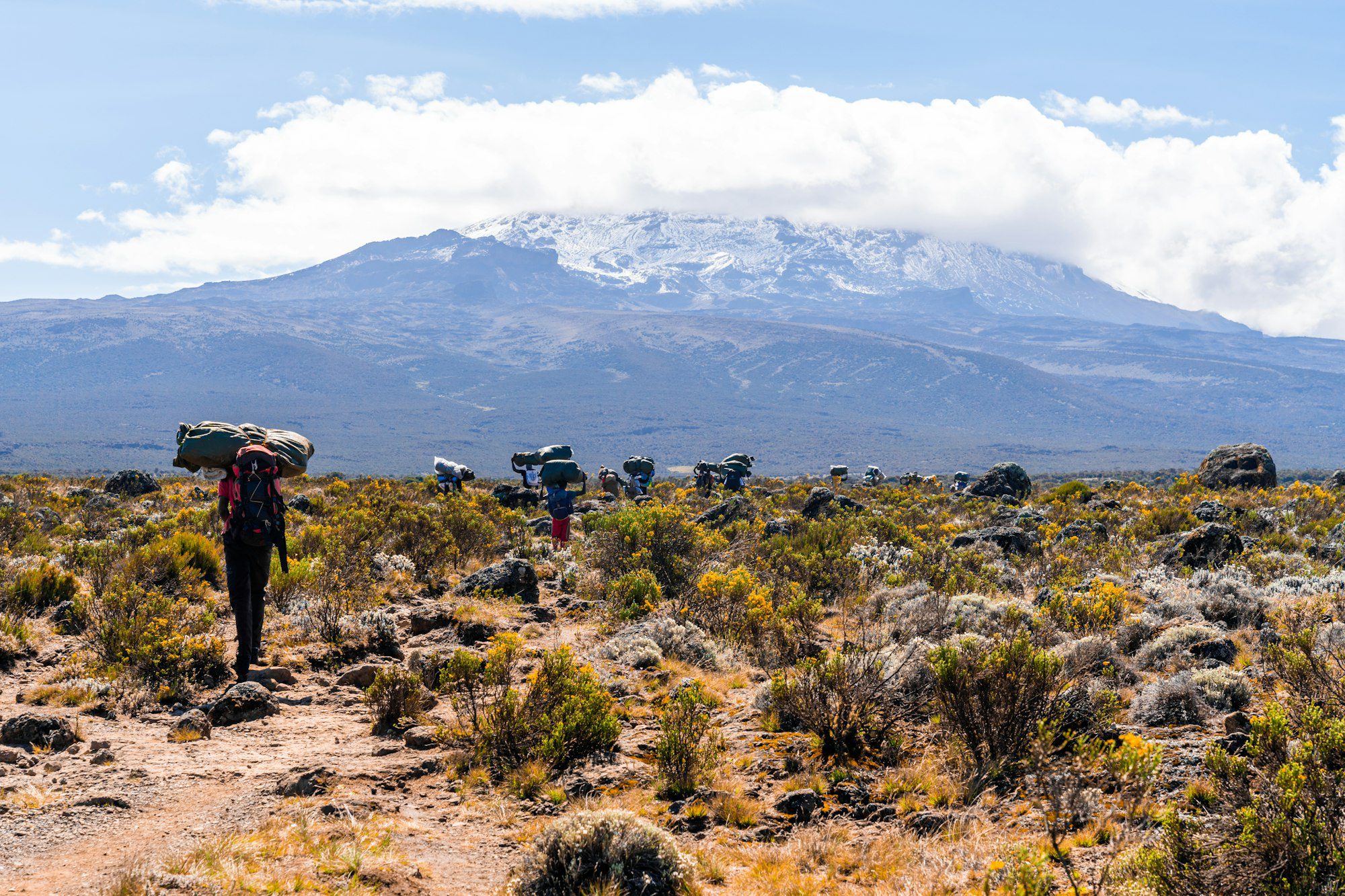
- Pace: Slow and deliberate. Your guide stops frequently to point out tracks, plants, insects, and small wildlife that you'd never notice from a vehicle.
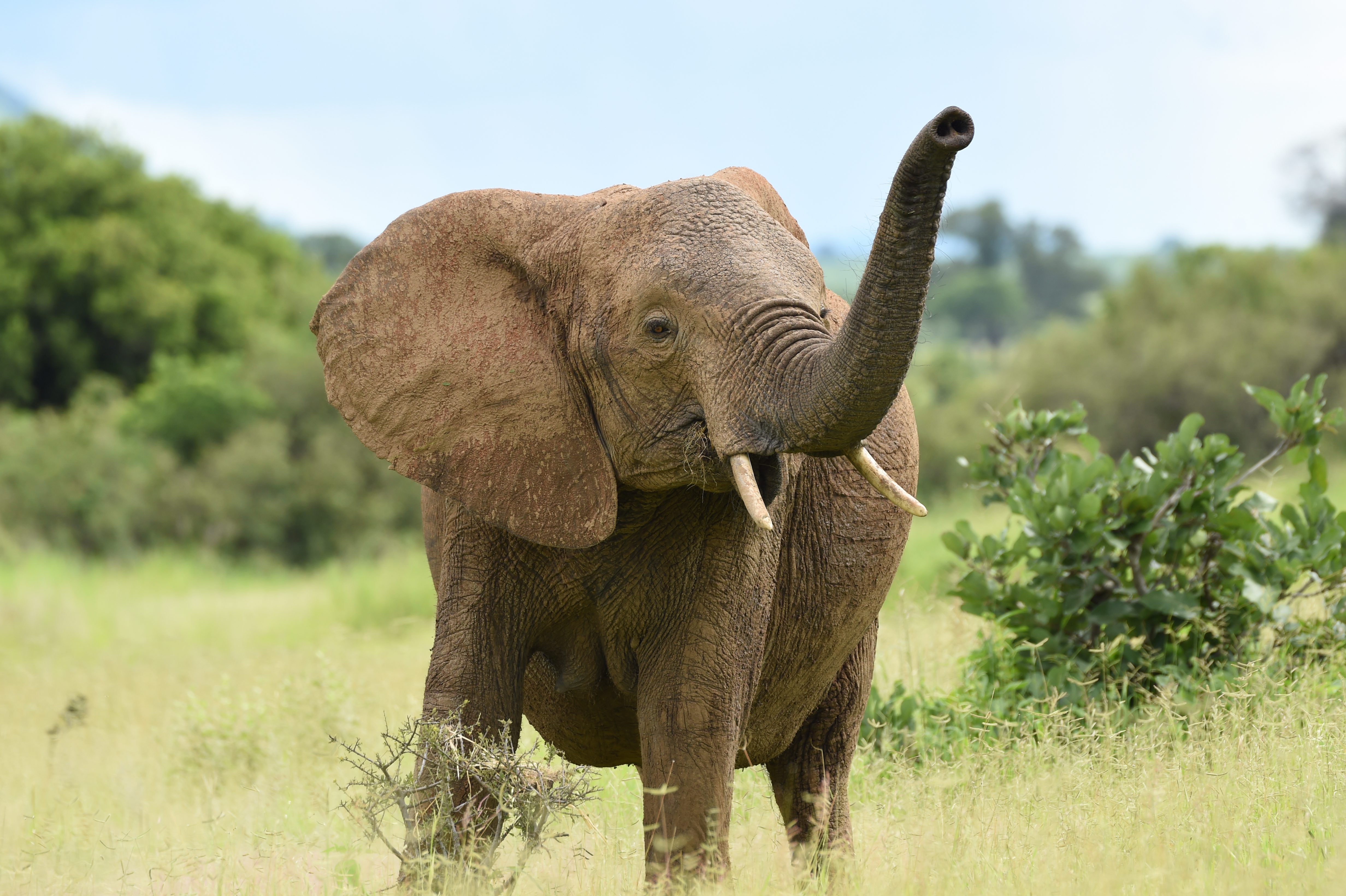
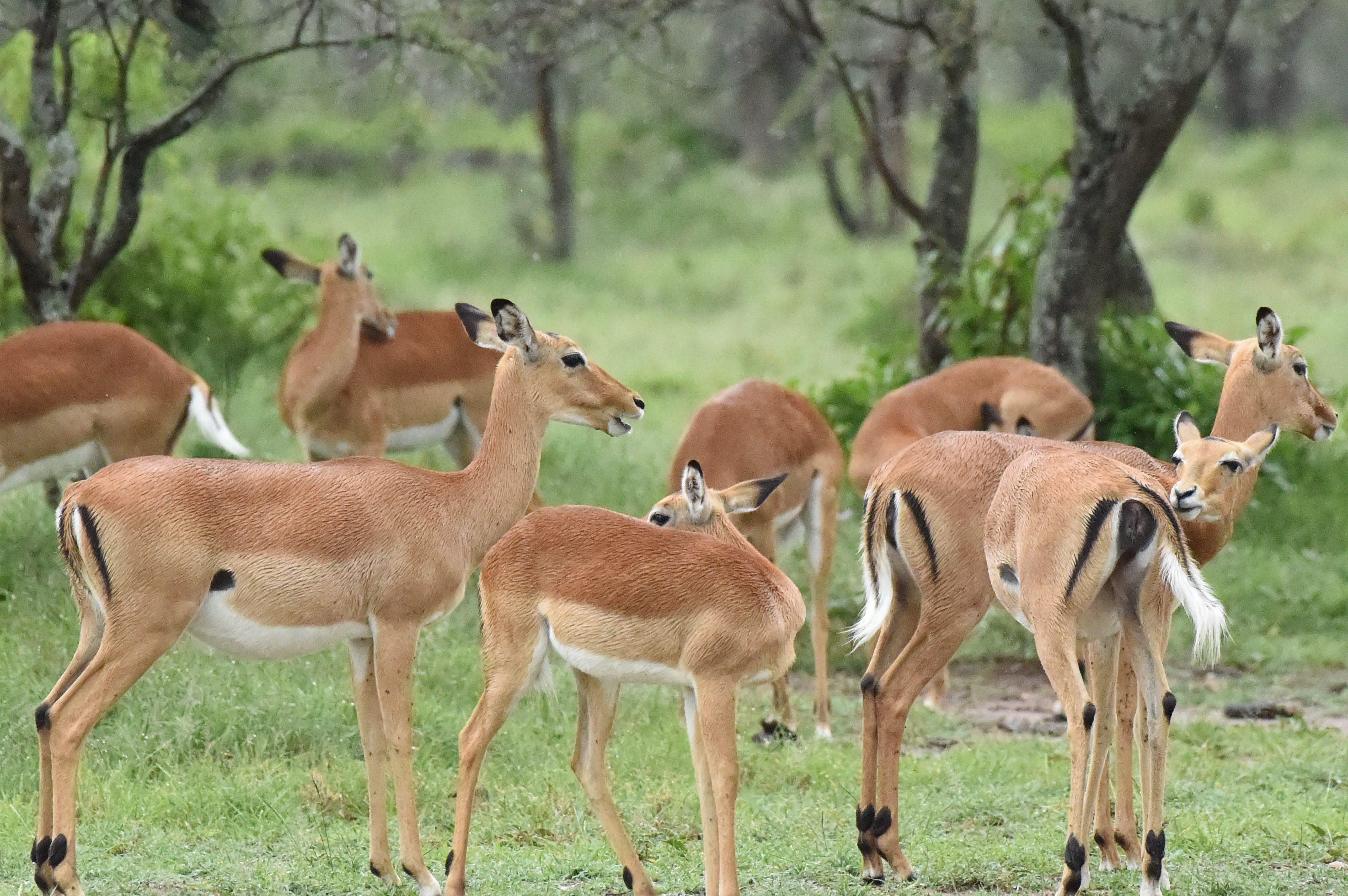
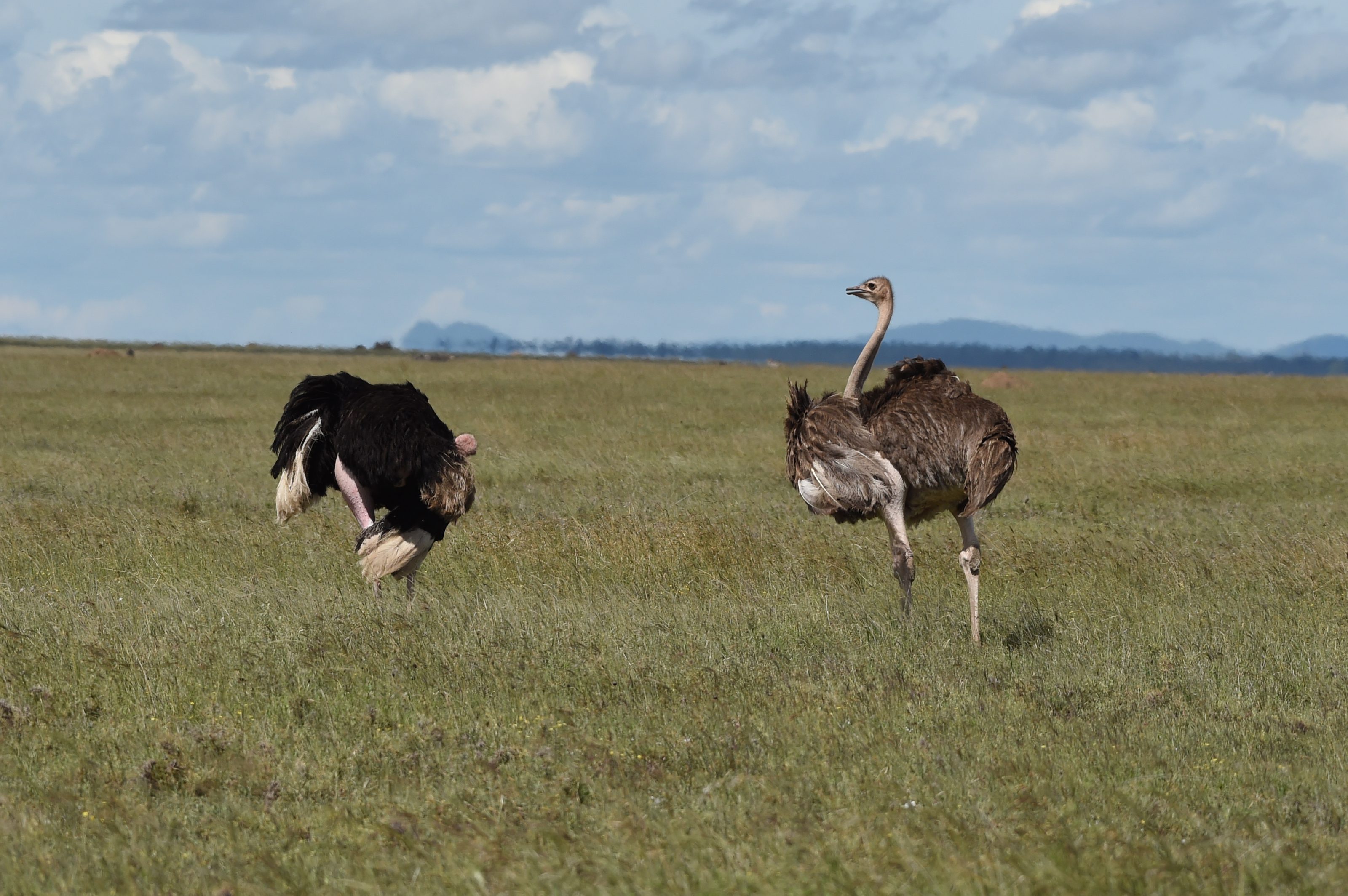
- Encounters: You may walk within view of elephants, giraffes, zebra, and antelope from a safe distance. Guides actively avoid dangerous game at close range — this is not a thrill-seeking activity but a nature immersion.
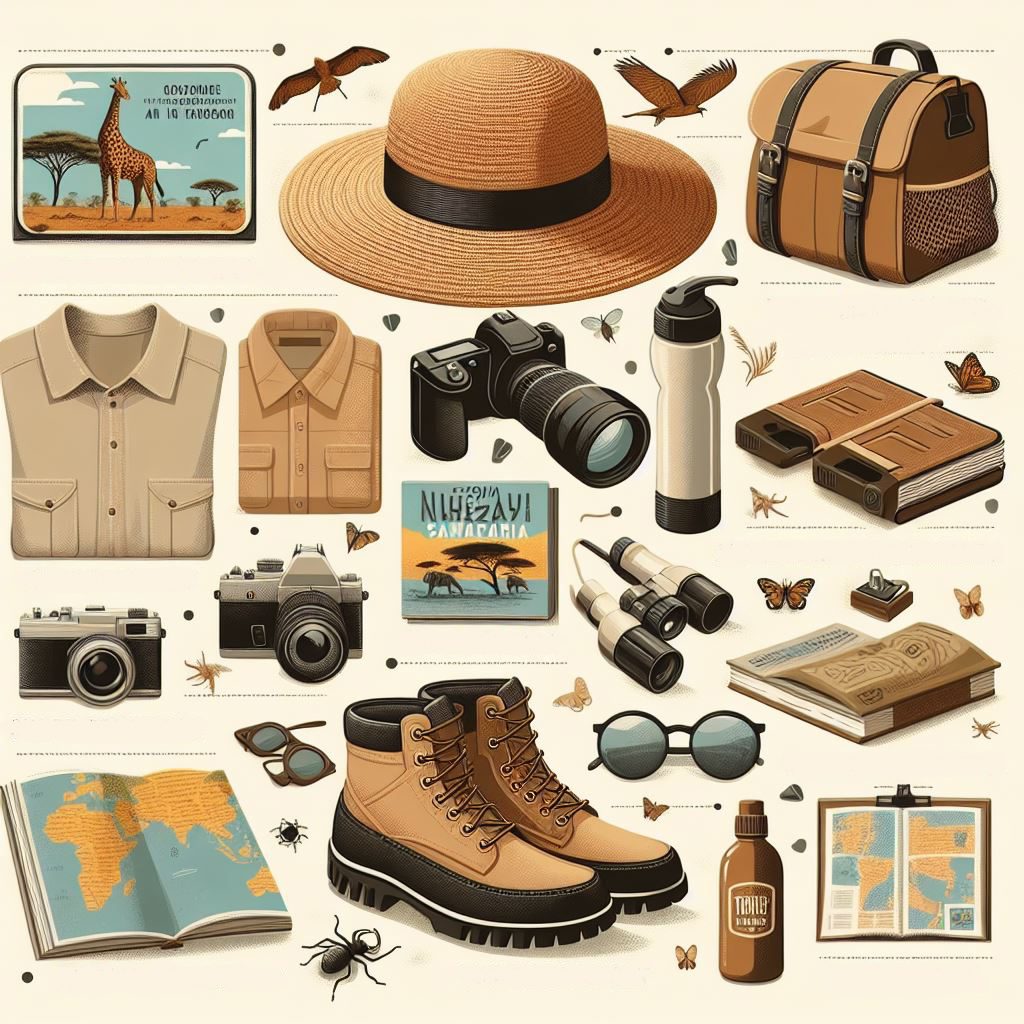
- Fitness: Moderate fitness required. The terrain is uneven — good walking shoes are essential.
Safety
Walking safaris in Tanzania are conducted with strict safety protocols:
- An armed ranger accompanies every walk
- Guides are trained in wildlife behavior and avoidance
- Routes are planned to minimize encounters with dangerous game
- Guests follow specific instructions: walk in single file, no sudden movements, listen to the guide
Walking safaris have an excellent safety record in Tanzania. The combination of experienced guides and armed rangers means incidents are extremely rare.
Add Walking to Your Safari
Walking safaris combine perfectly with vehicle-based game drives for a complete experience. We can include walking activities at camps that offer them as part of your broader Tanzania safari itinerary.