
Why Visit Tarangire National Park?
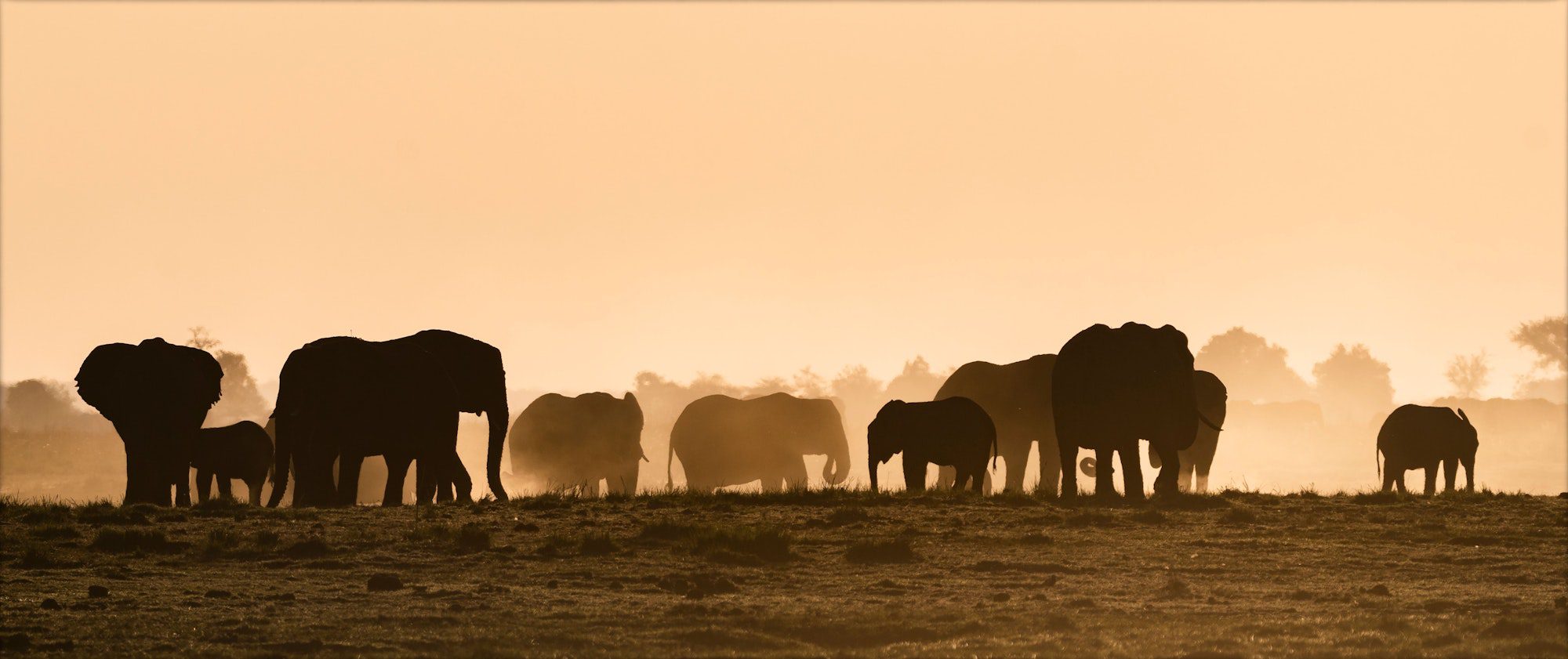
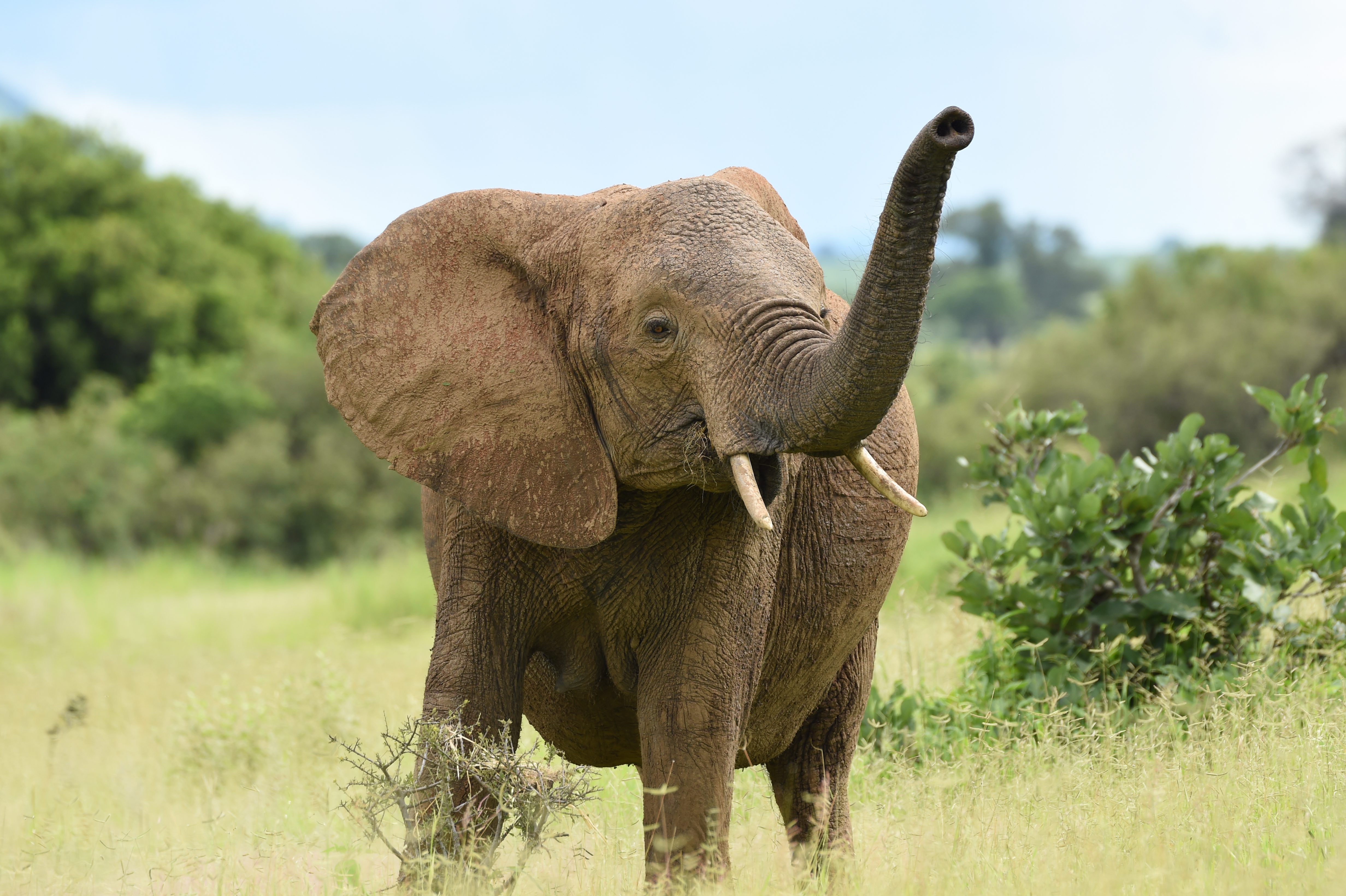
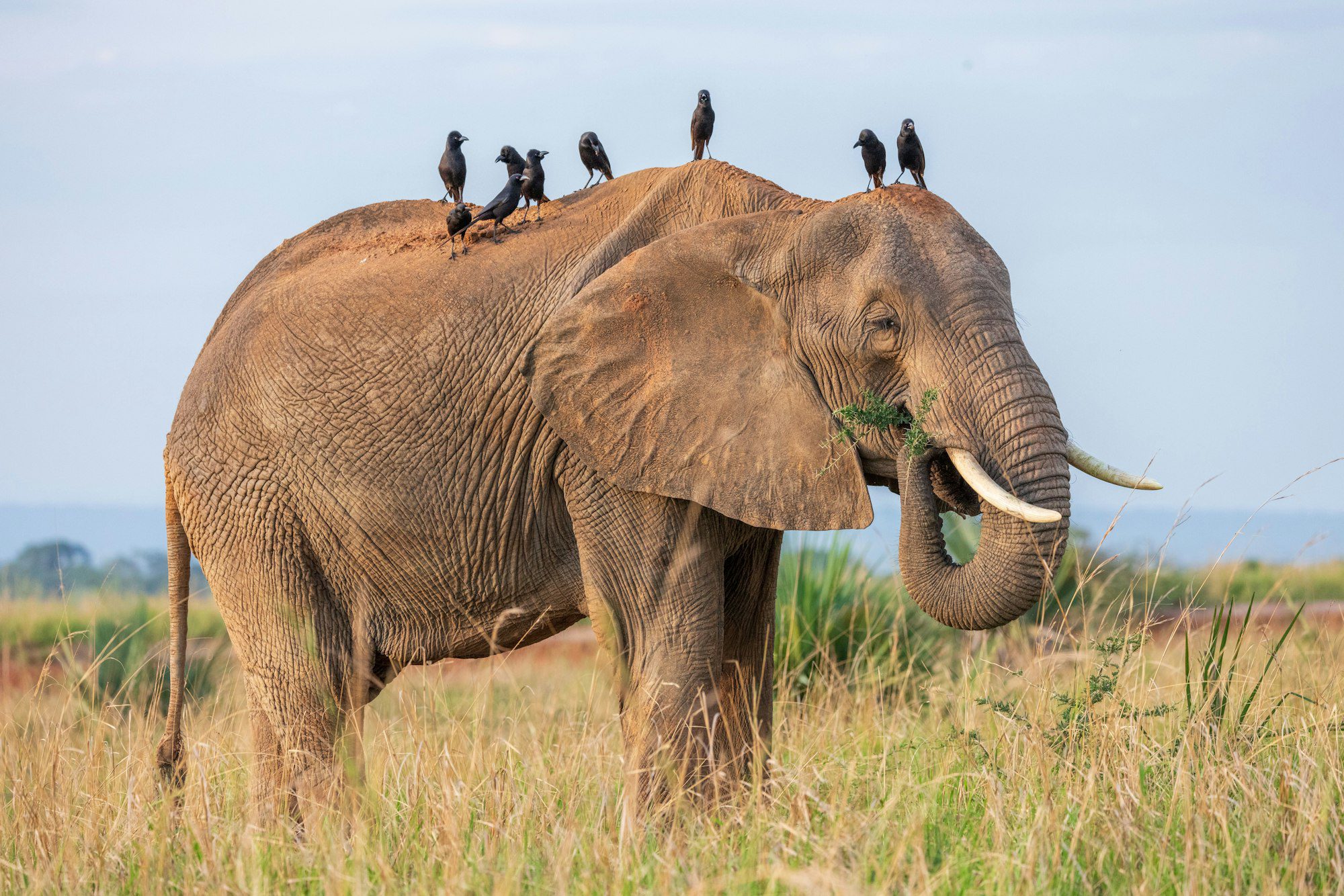
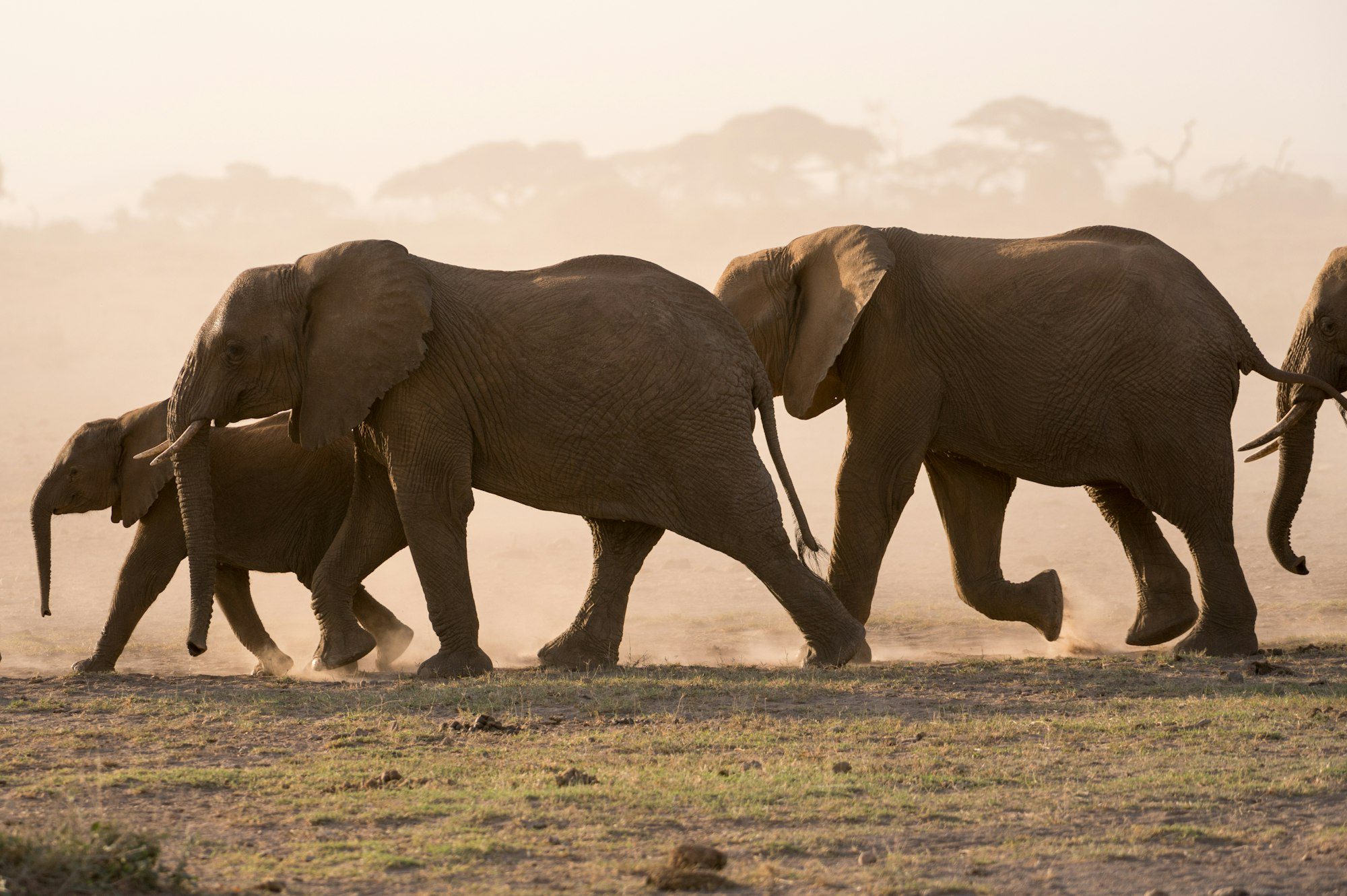
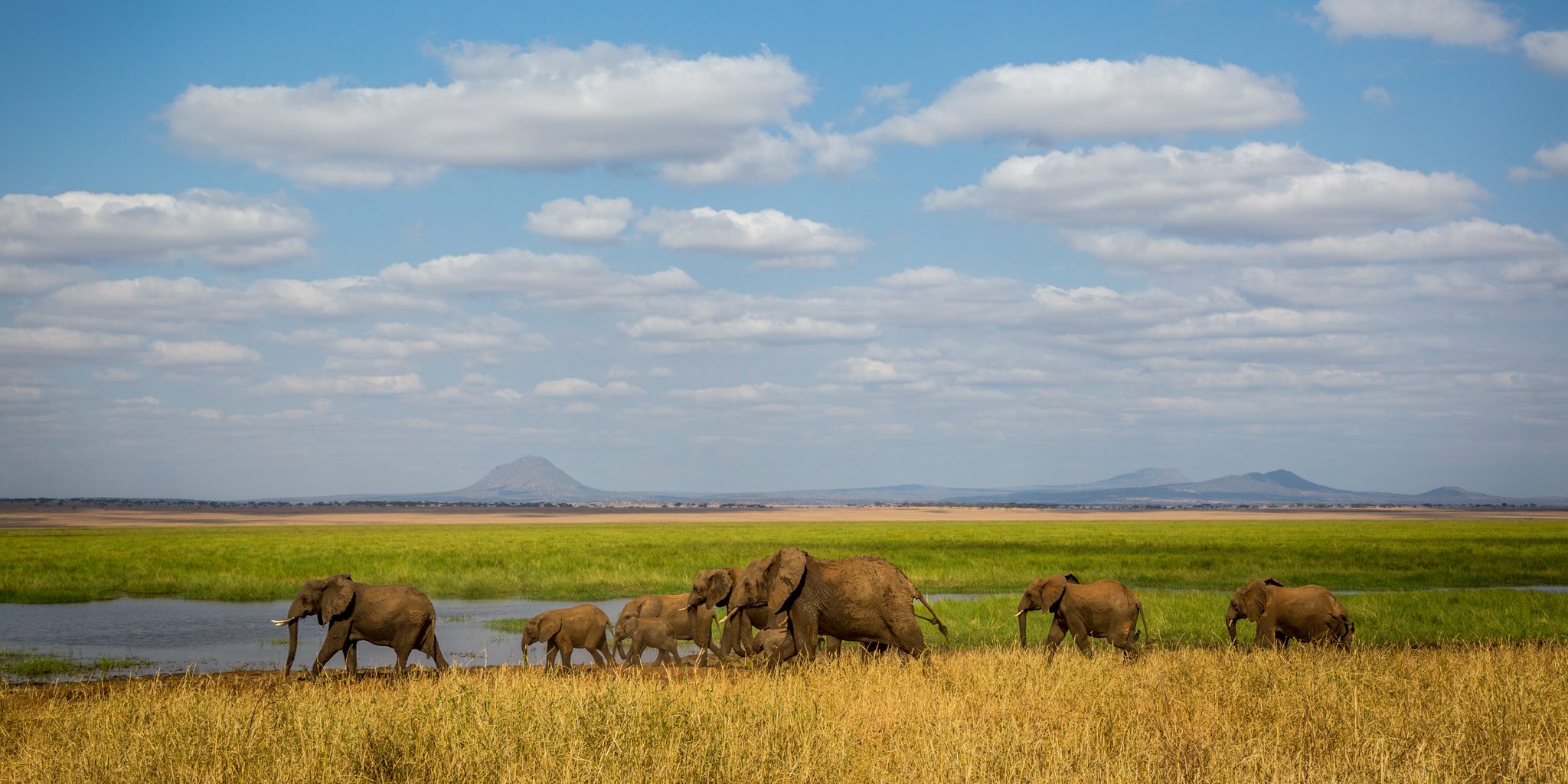
Tarangire is the unsung hero of Tanzania's northern safari circuit. While the Serengeti and Ngorongoro get the headlines, Tarangire delivers some of the most memorable wildlife encounters in East Africa — particularly during the dry season when up to 3,000 elephants gather along the Tarangire River, creating one of the highest elephant concentrations on the continent.
The park's landscape is uniquely beautiful: ancient baobab trees (some over 1,000 years old) dot the savanna, creating a photographic backdrop unlike any other park in Tanzania. At 2,850 km², Tarangire is large enough to offer genuine wilderness but compact enough to explore thoroughly in 1–2 days.
Wildlife in Tarangire
- Elephants: Tarangire's signature species. Herds of 200–300 are common during dry season (June–October). The sight of elephants feeding among massive baobabs is iconic Tarangire.
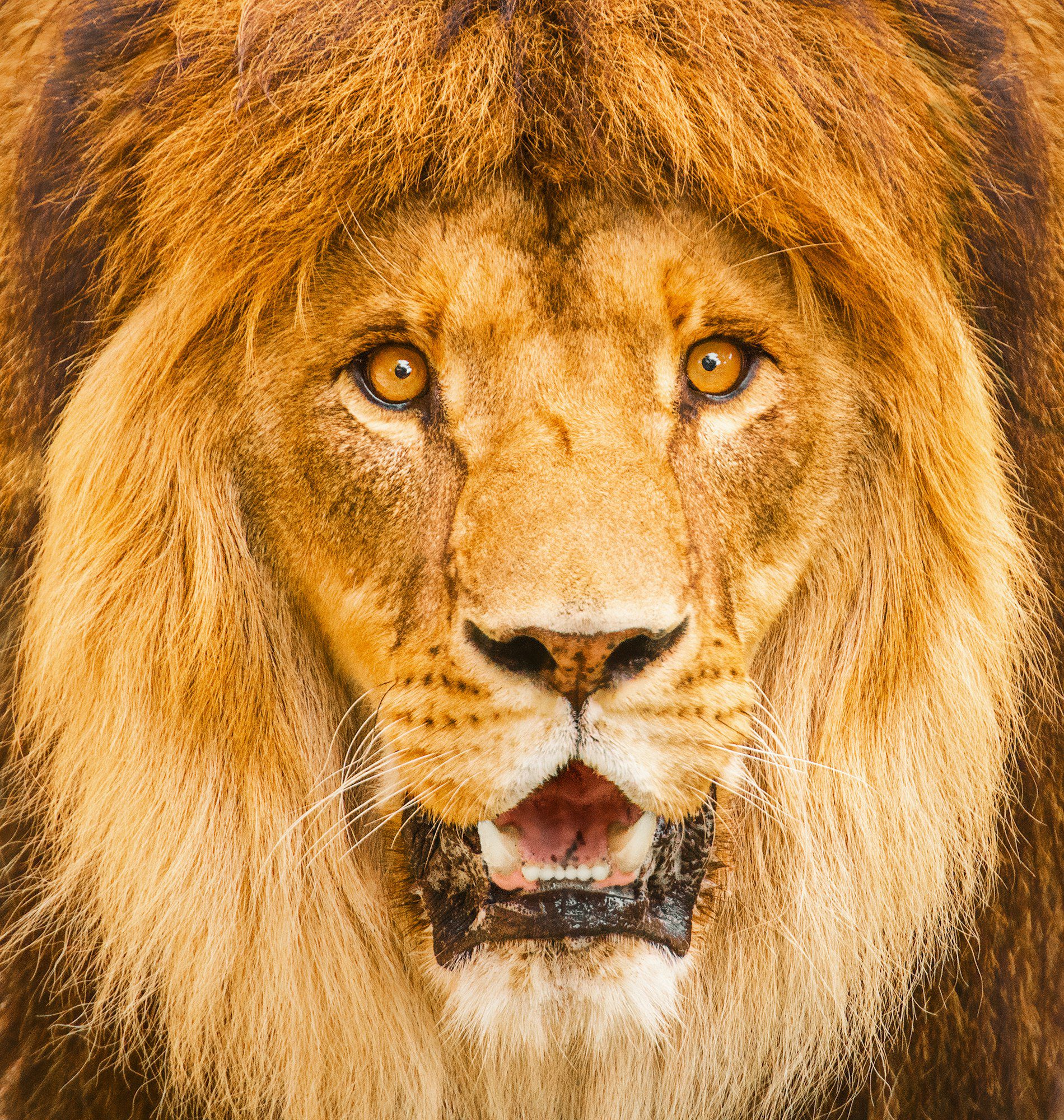
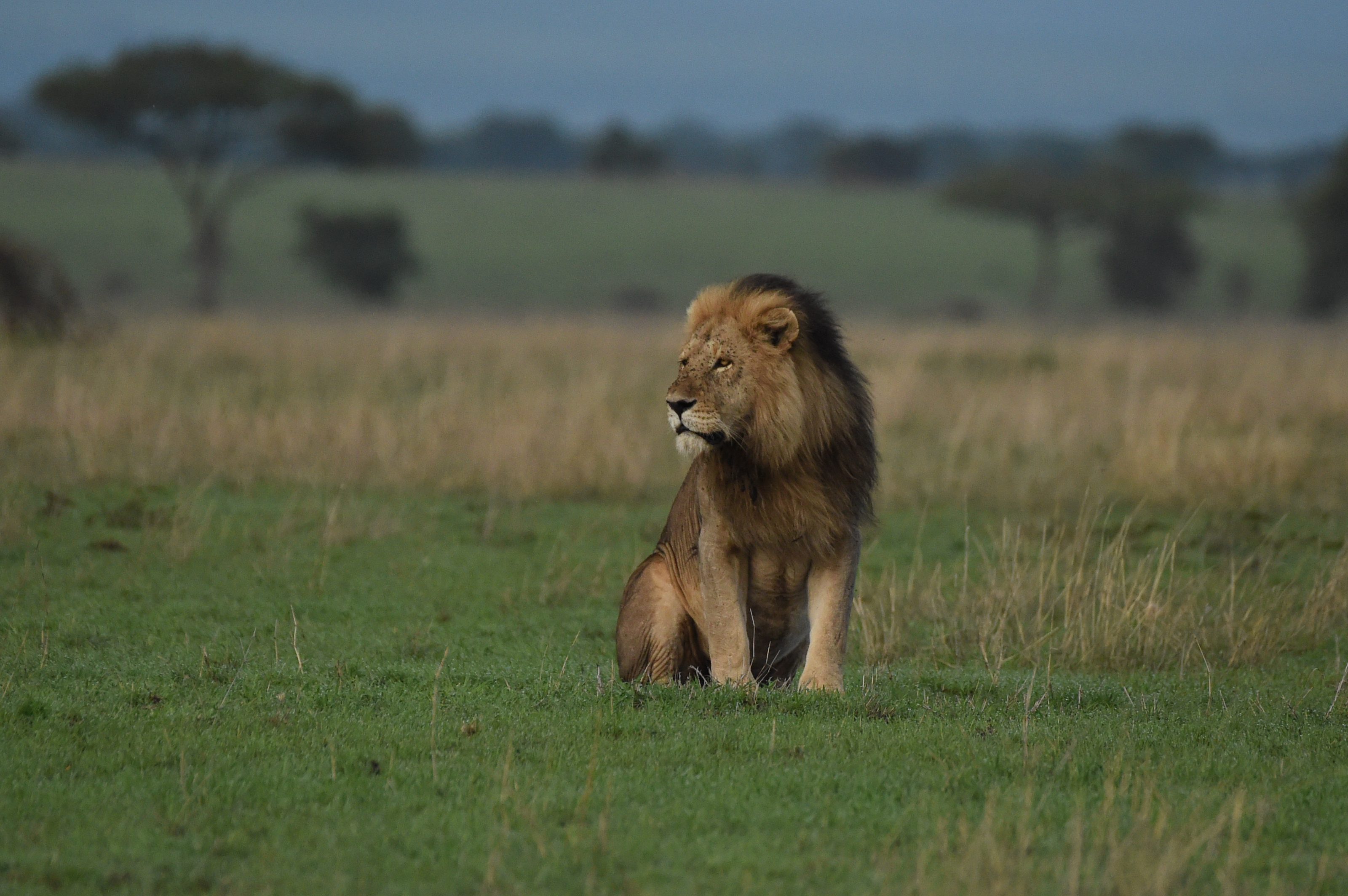
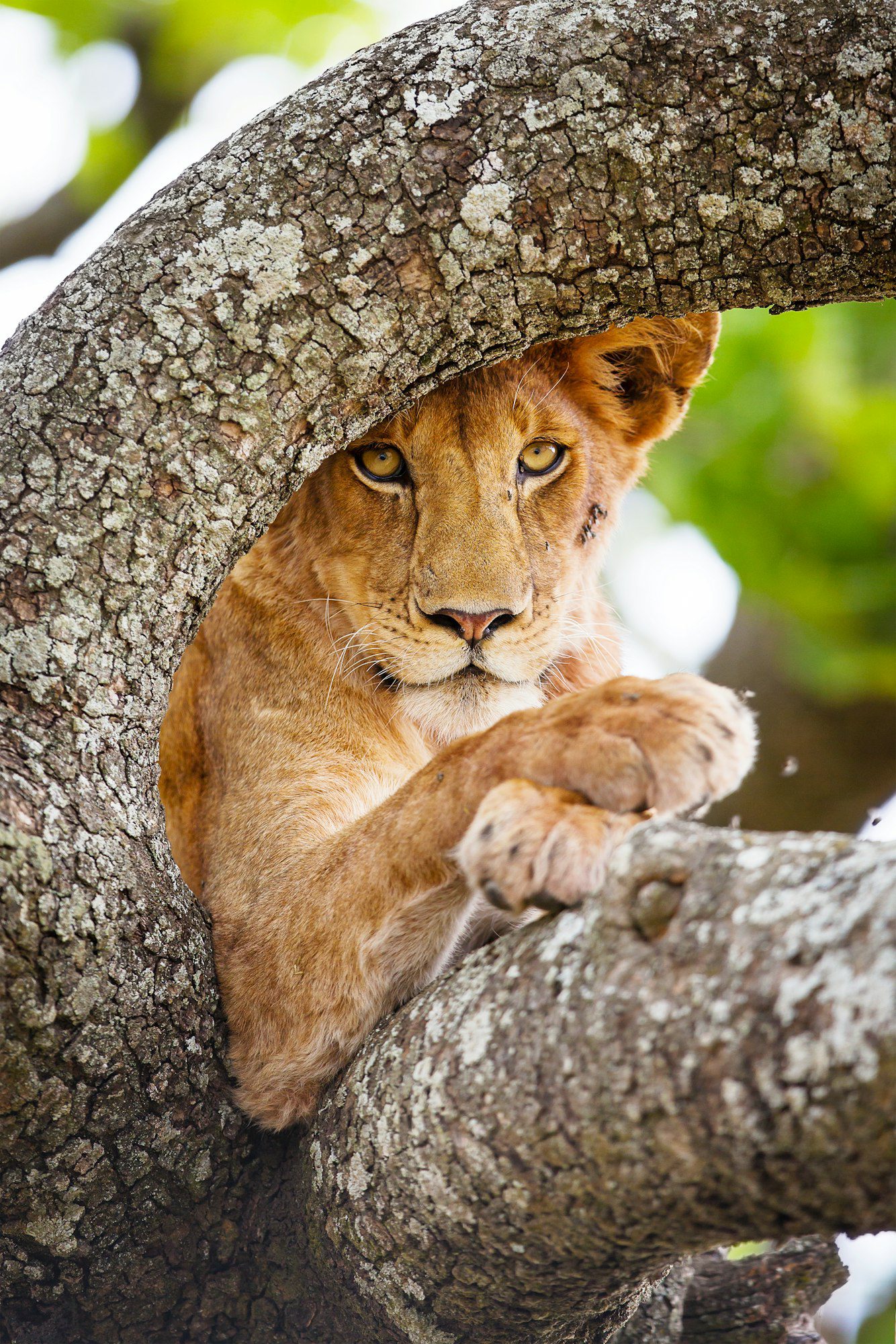
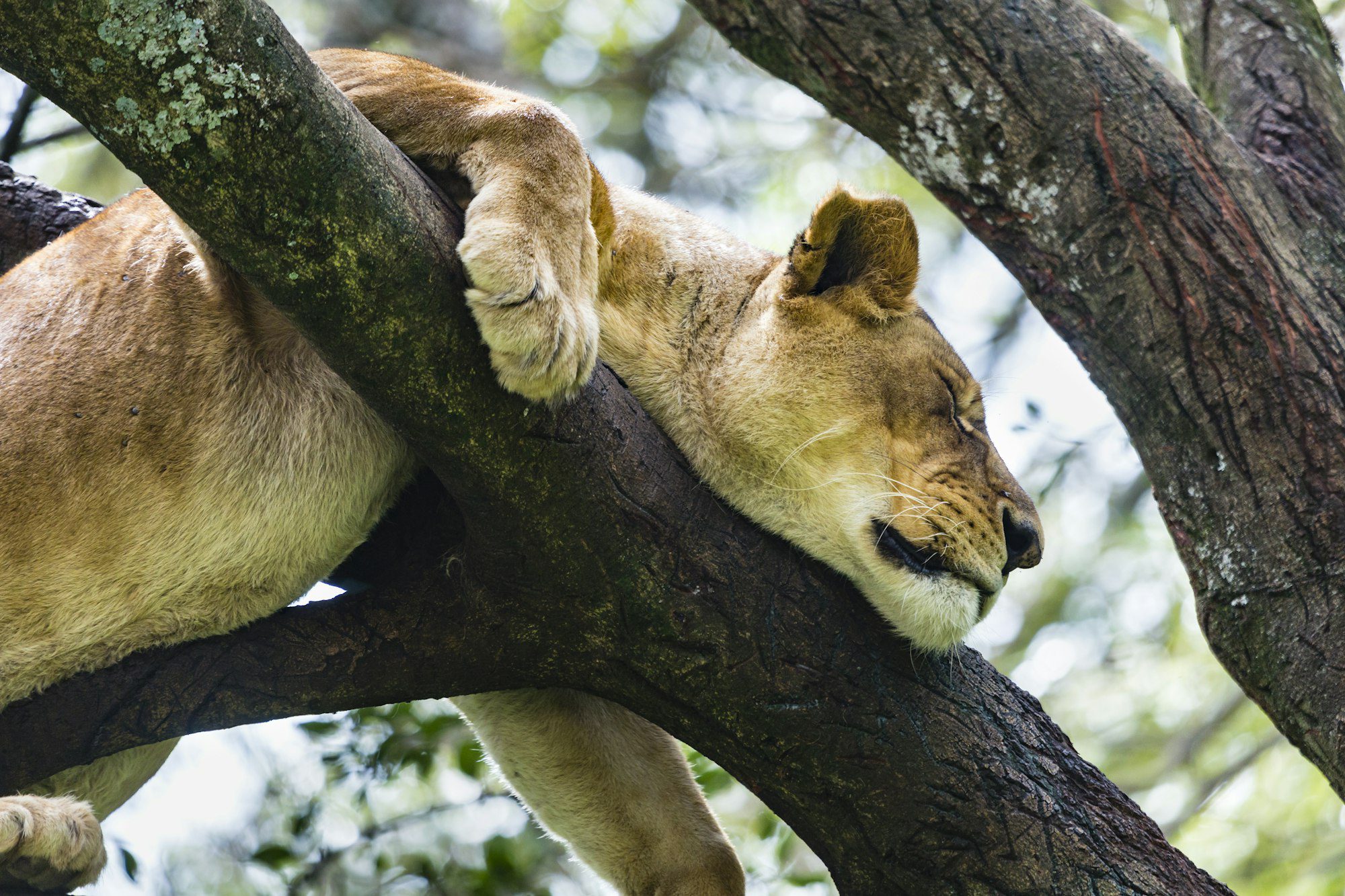
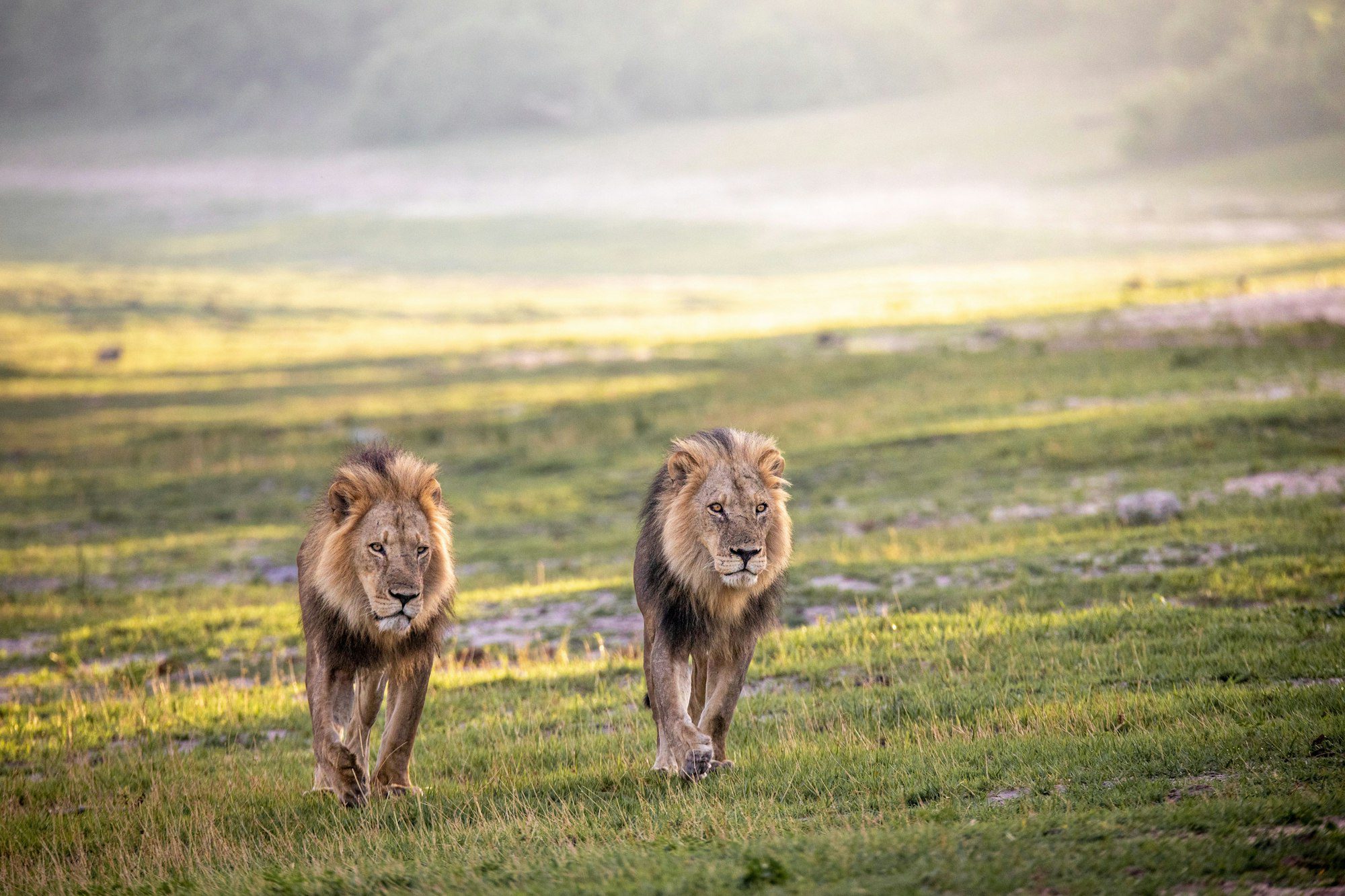
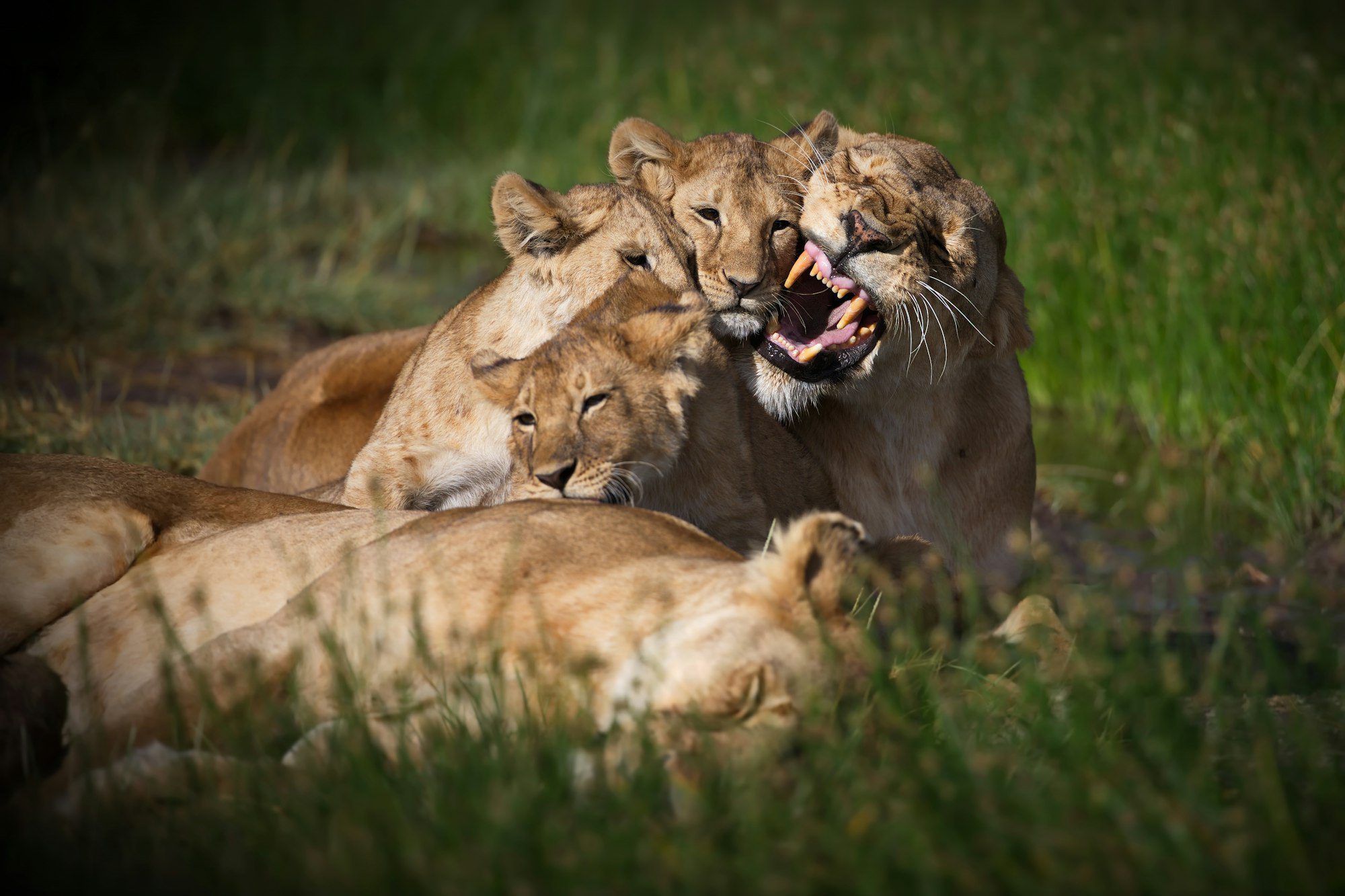
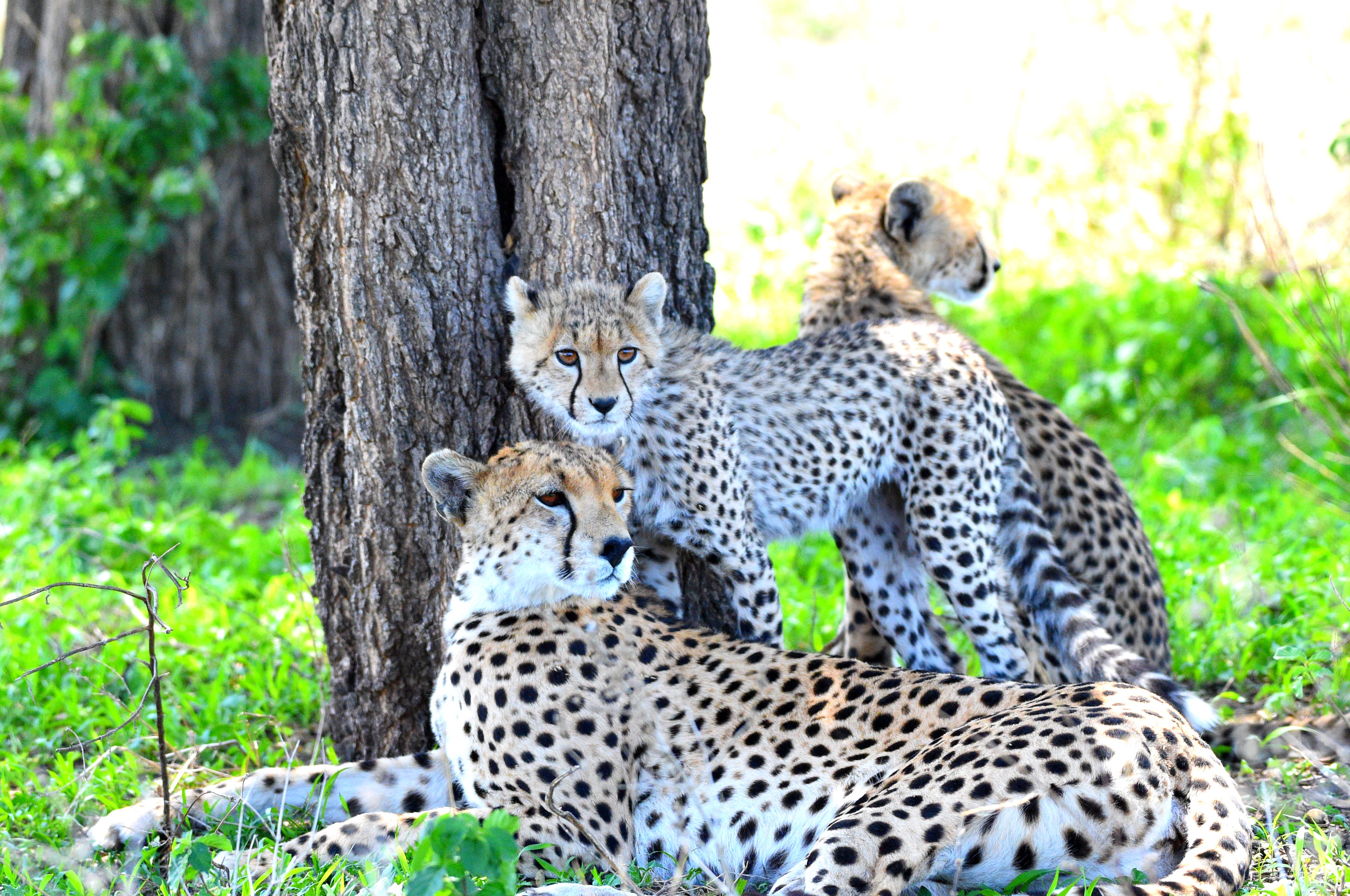
- Lions: Healthy population, often seen resting in the shade of baobabs or hunting along the river.
- Leopard: Present but shy. Best spotted early morning or late afternoon in riverine woodland.
- Tree-climbing pythons: Tarangire is famous for these — African rock pythons draped in sausage trees and baobabs.
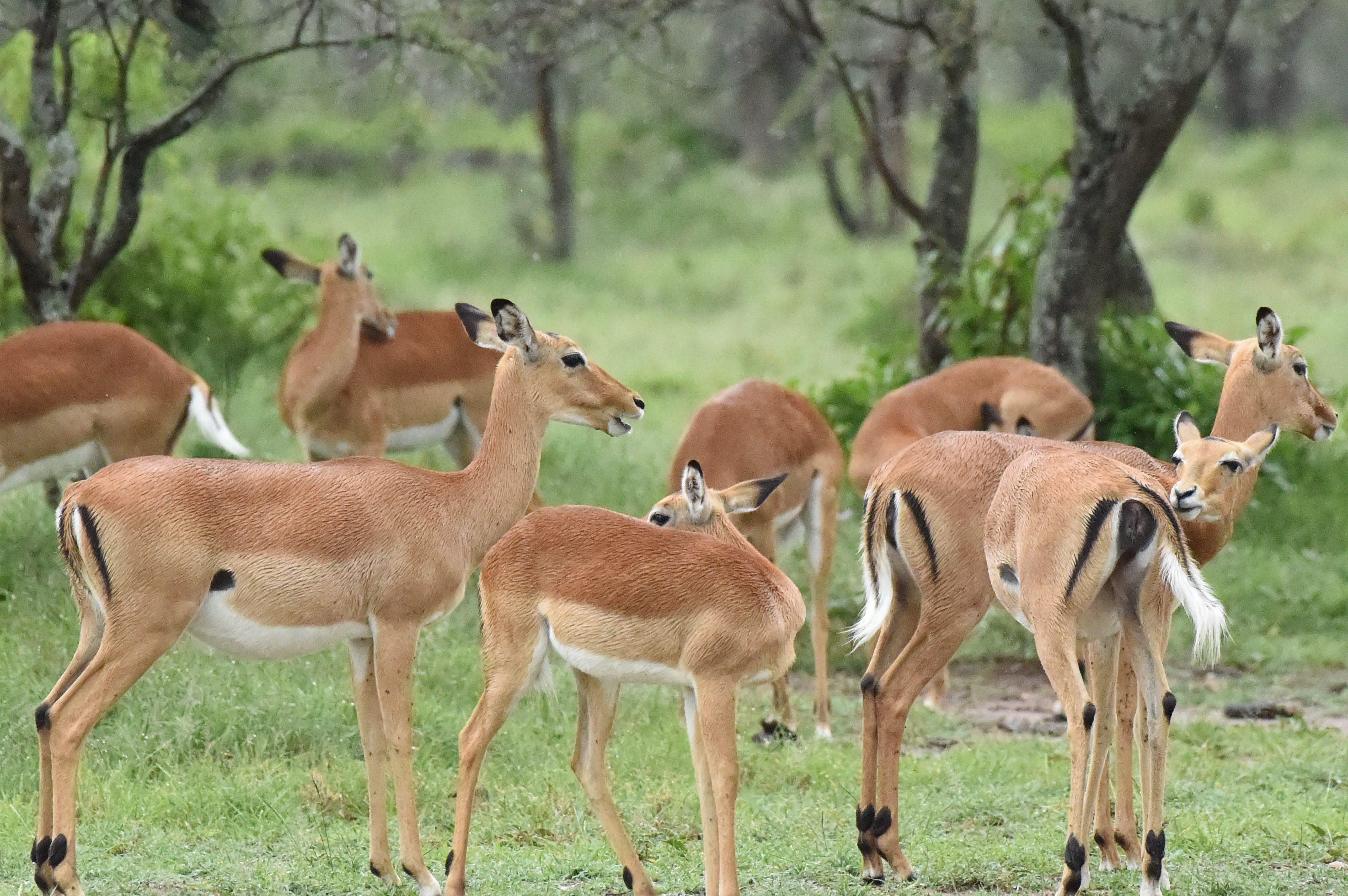
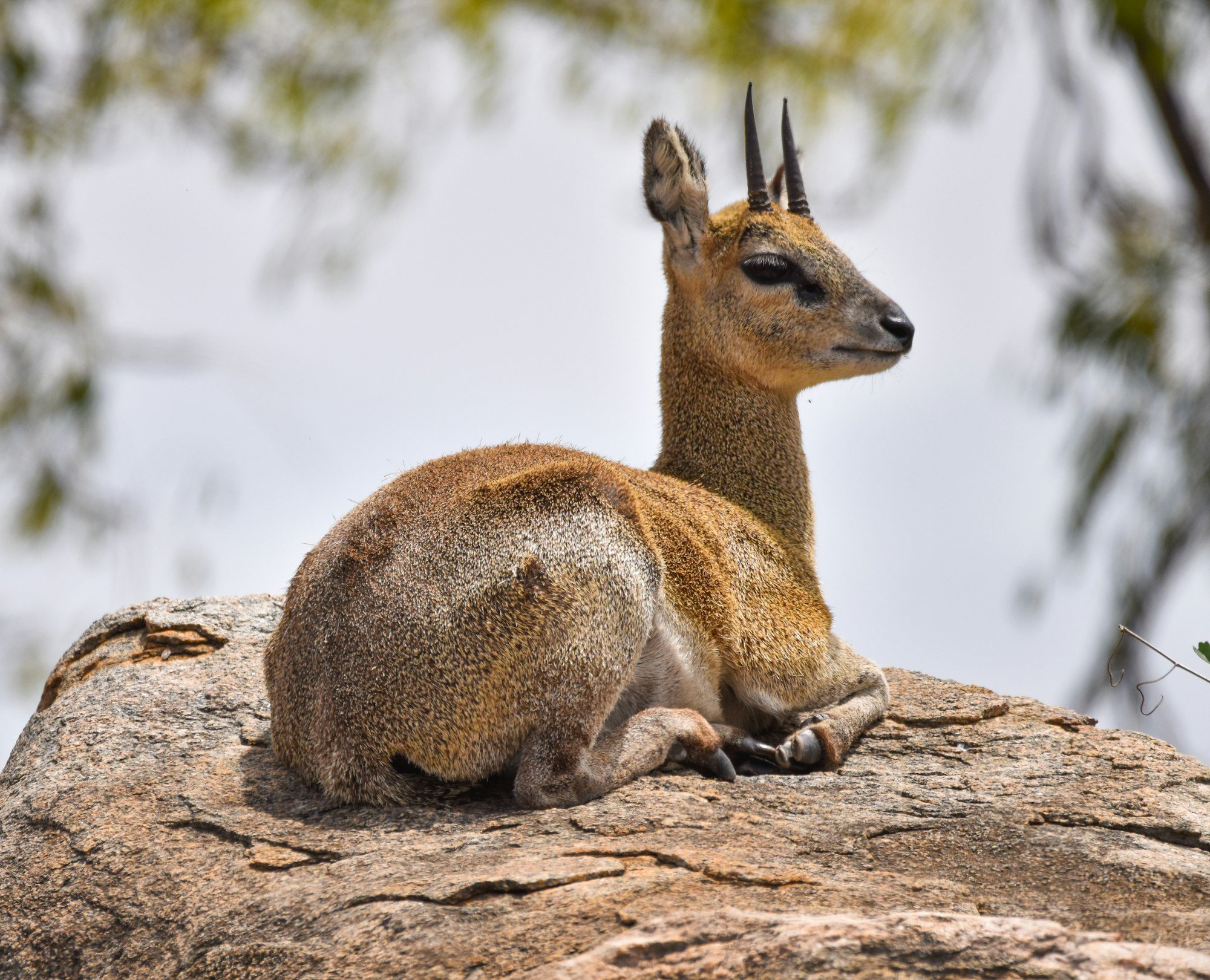
- Lesser kudu and fringe-eared oryx: Two antelope species more easily seen here than anywhere else in the northern circuit.
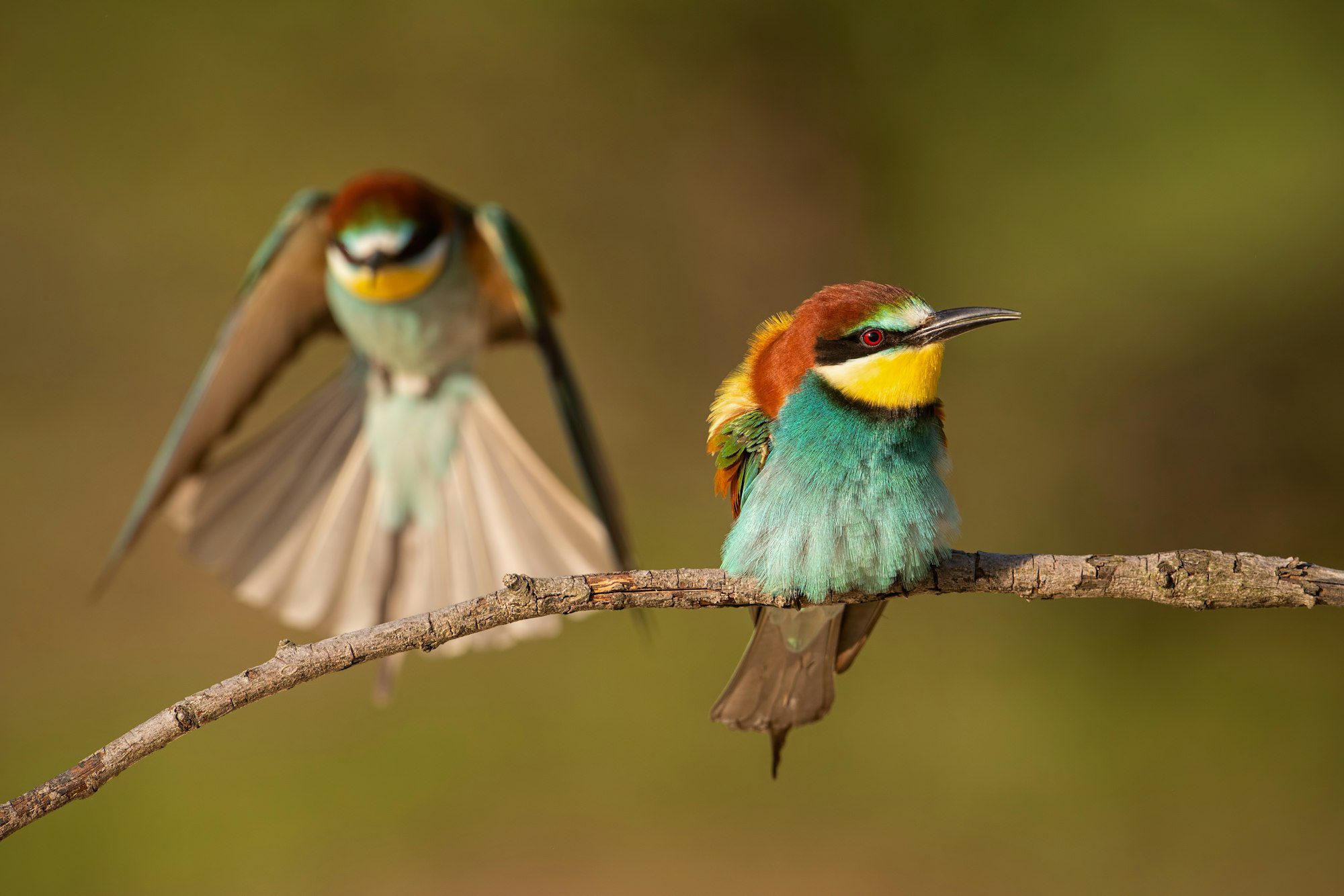
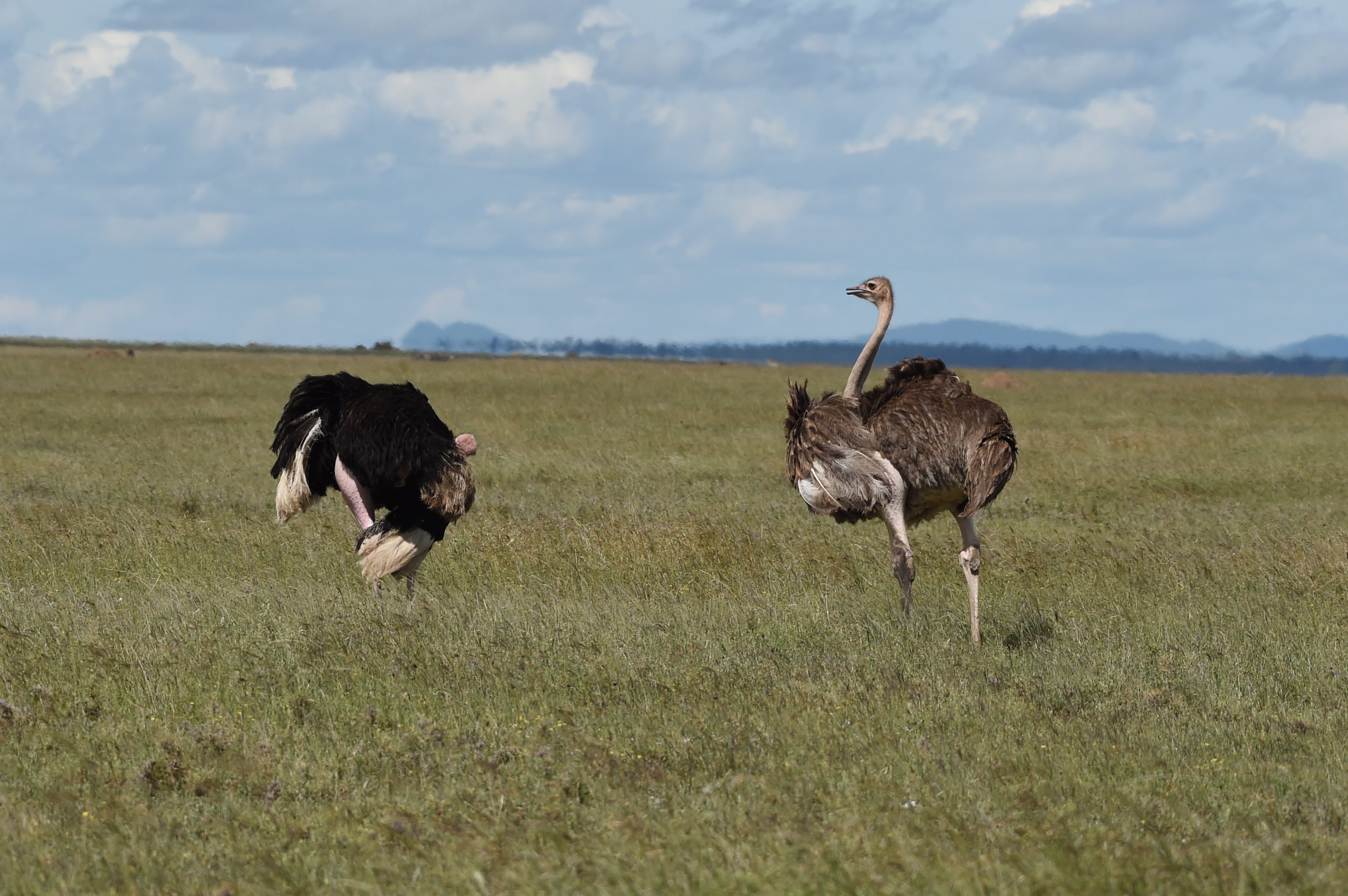
- Birds: Over 550 species, making Tarangire one of Tanzania's premier birding destinations. Kori bustards, yellow-collared lovebirds, and ashy starlings are park specialties.
Best Time to Visit
- June–October (dry season): The best time. Animals concentrate along the Tarangire River — the only permanent water source. Elephant herds peak, predator activity increases, and game drives are consistently productive.
- January–March: Green and beautiful. Migratory birds arrive. Wildlife is more dispersed but the landscape is stunning.
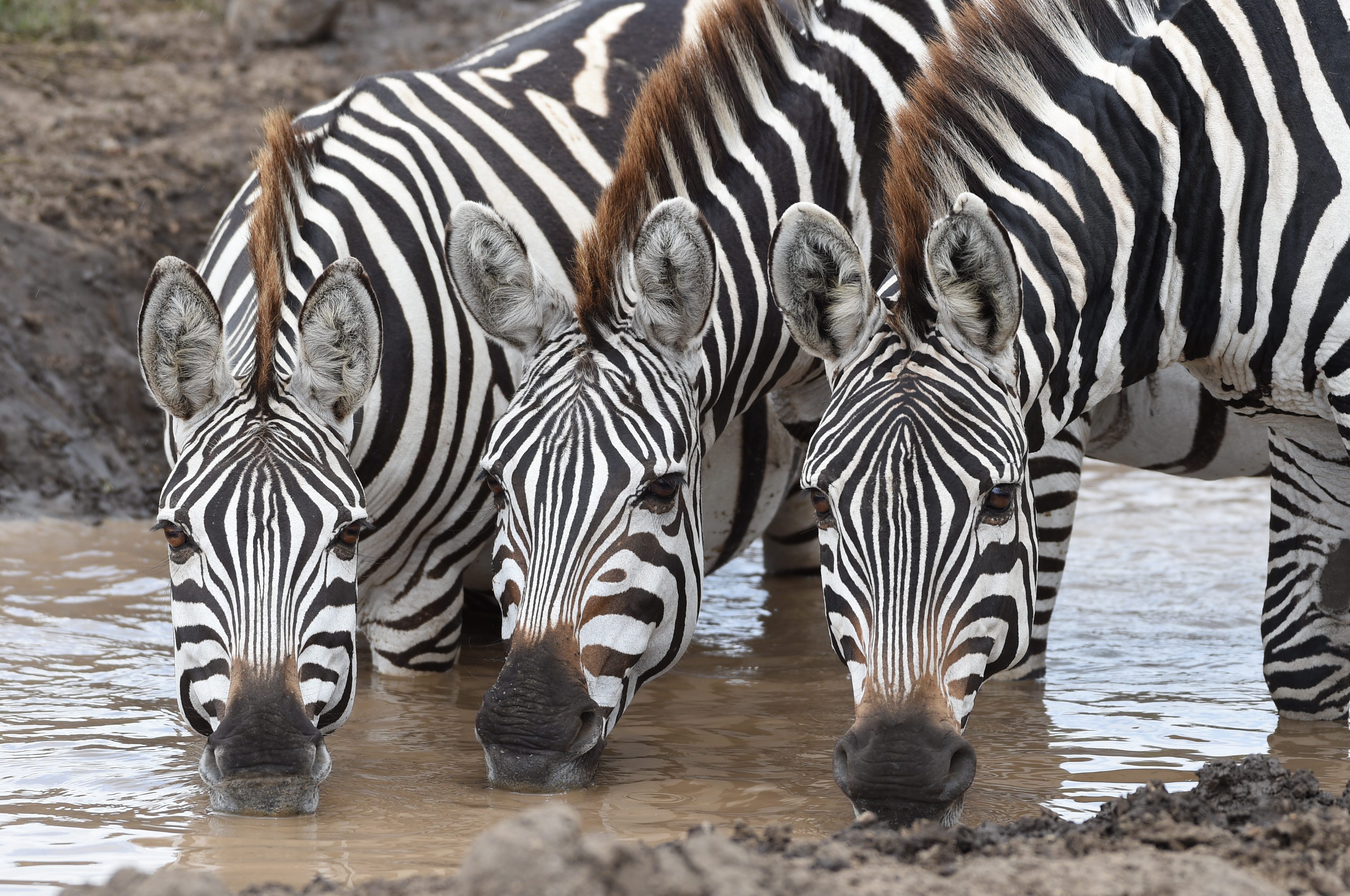
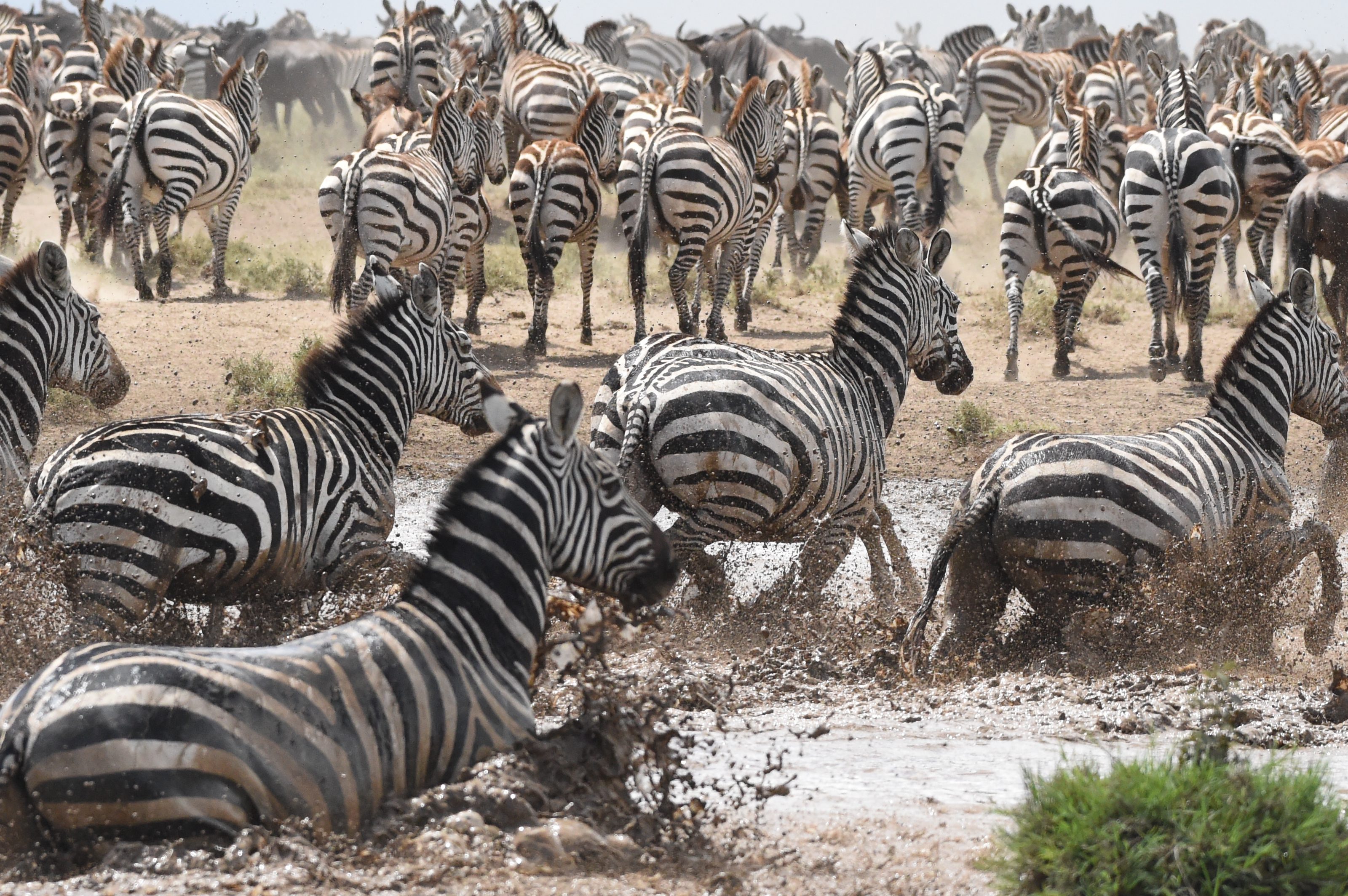
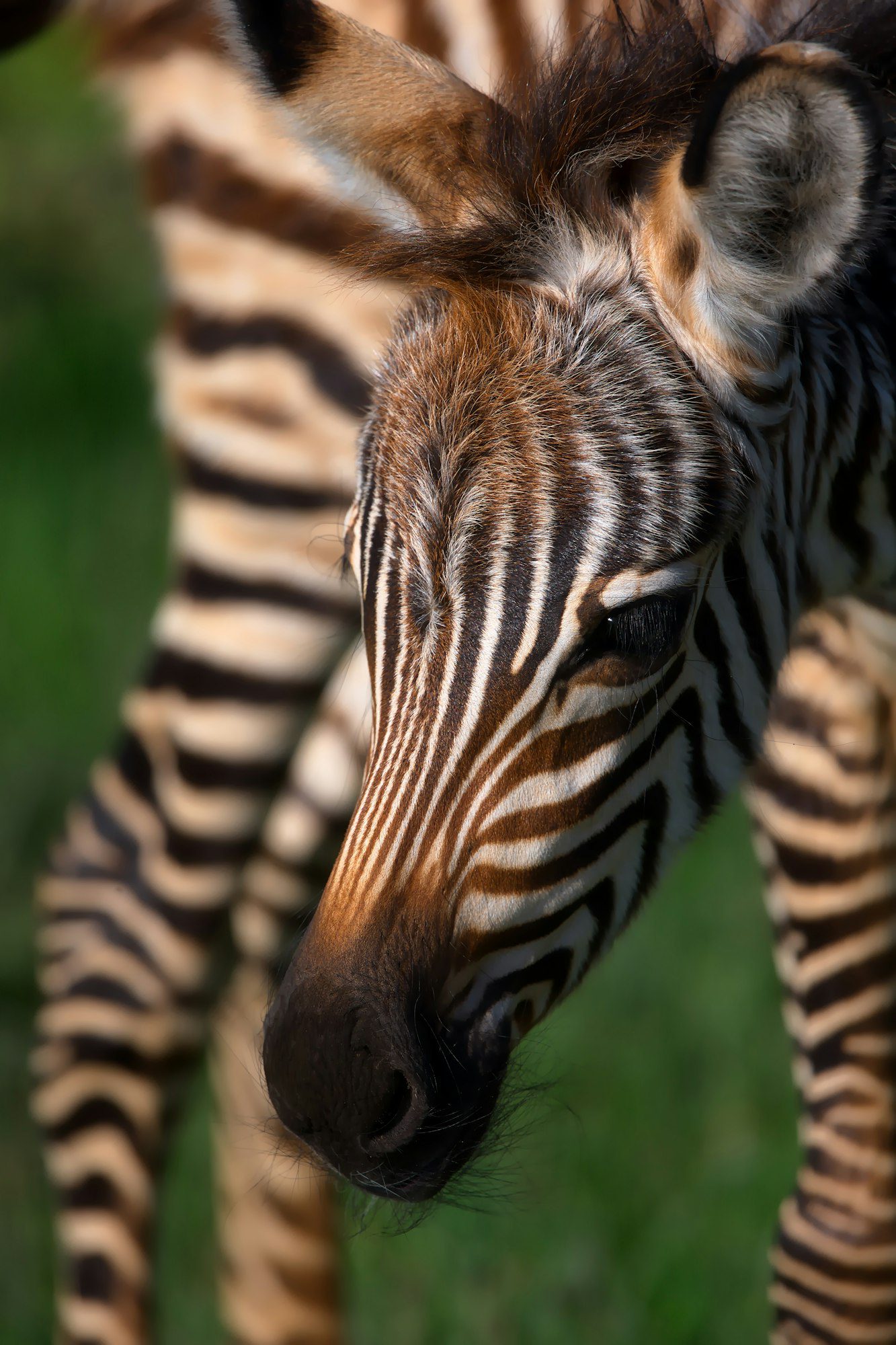
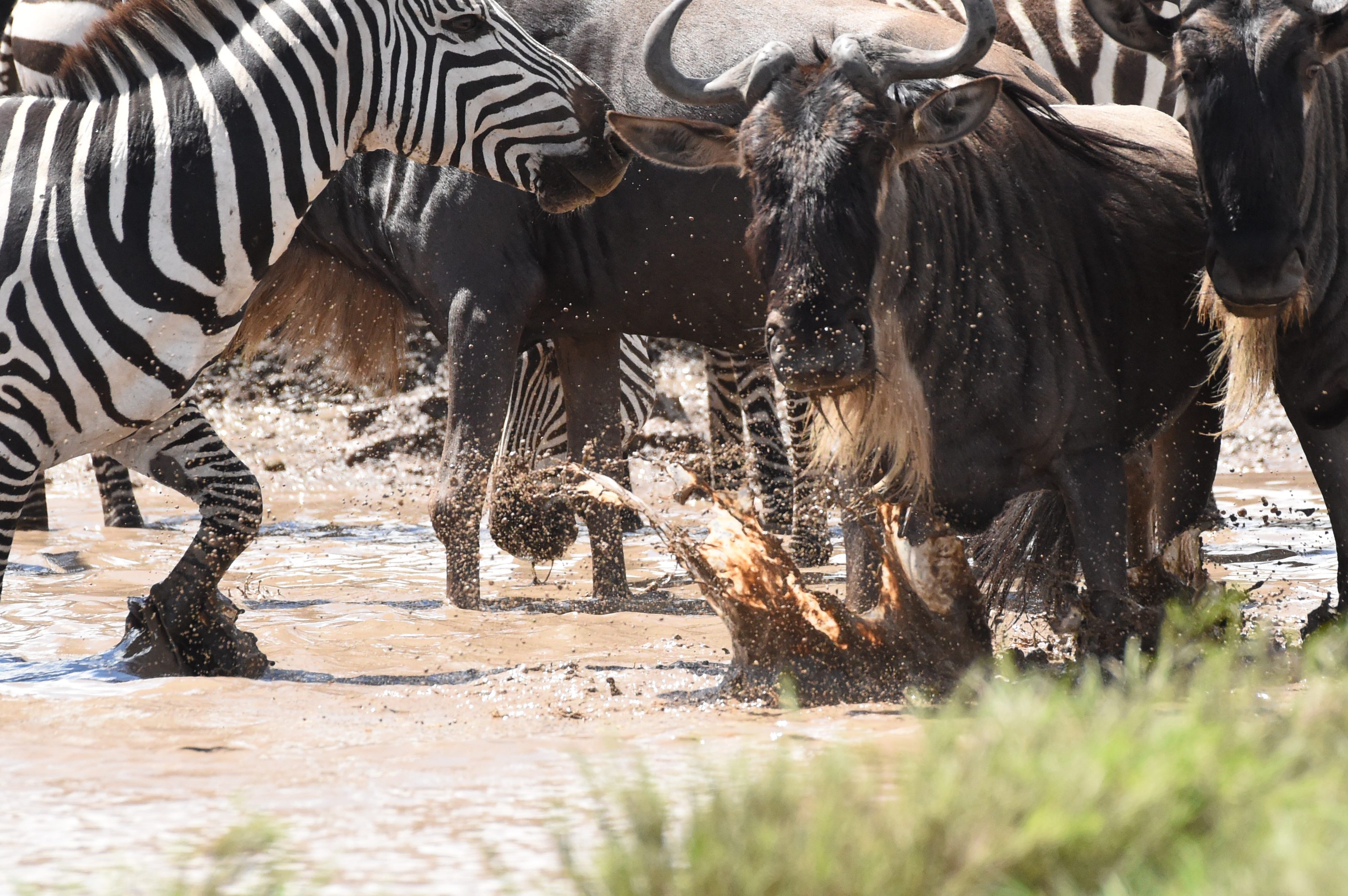
- November–December: Short rains bring migrating herds of wildebeest and zebra from the Maasai Steppe. Good wildlife and fewer tourists.
- April–May: Long rains. Some roads become challenging. Lowest visitor numbers and prices.
Park Fees and Logistics
- Entry fee: $53.10/person/24 hours (adults)
- Location: 120 km southwest of Arusha (approximately 2.5 hours drive)
- Gates: Main entrance gate near the northern boundary
- Facilities: Several lodges and tented camps inside the park; more options outside the boundaries
How to Include Tarangire in Your Safari
Tarangire works perfectly as the first or last park on a northern circuit safari:
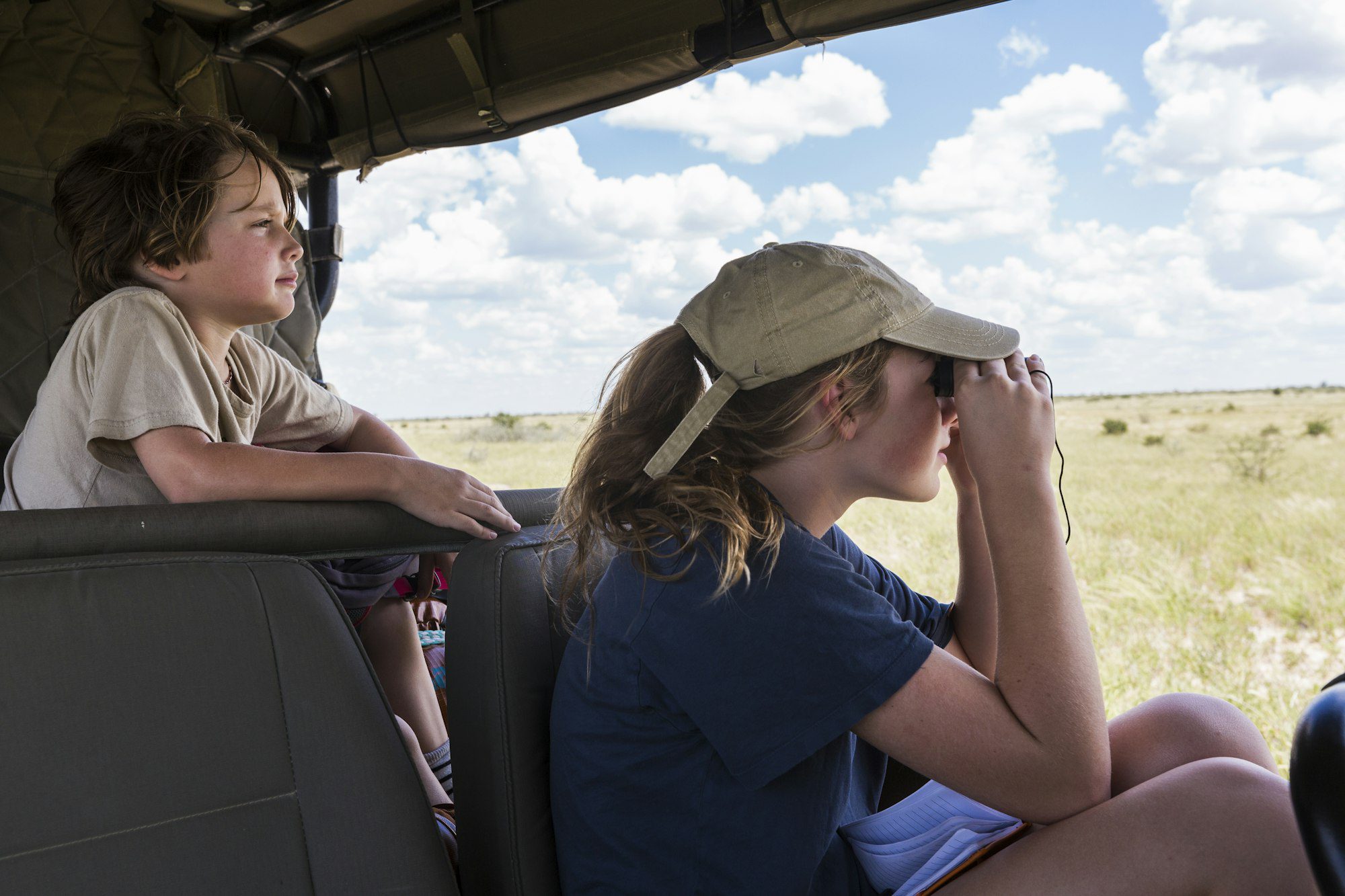
- First stop: Arrive from Arusha (2.5 hours), afternoon game drive, overnight. Continue to Serengeti next day.
- Last stop: Visit after Ngorongoro Crater on your return to Arusha. A fitting finale to a safari.
- Combined with Lake Manyara: Both parks are nearby and can be visited on consecutive days. See our Lake Manyara guide.
Browse our safari itineraries to see how Tarangire fits into multi-park trips, or request a custom quote that includes this remarkable park.