Why the Serengeti Is Africa's Greatest Safari Park
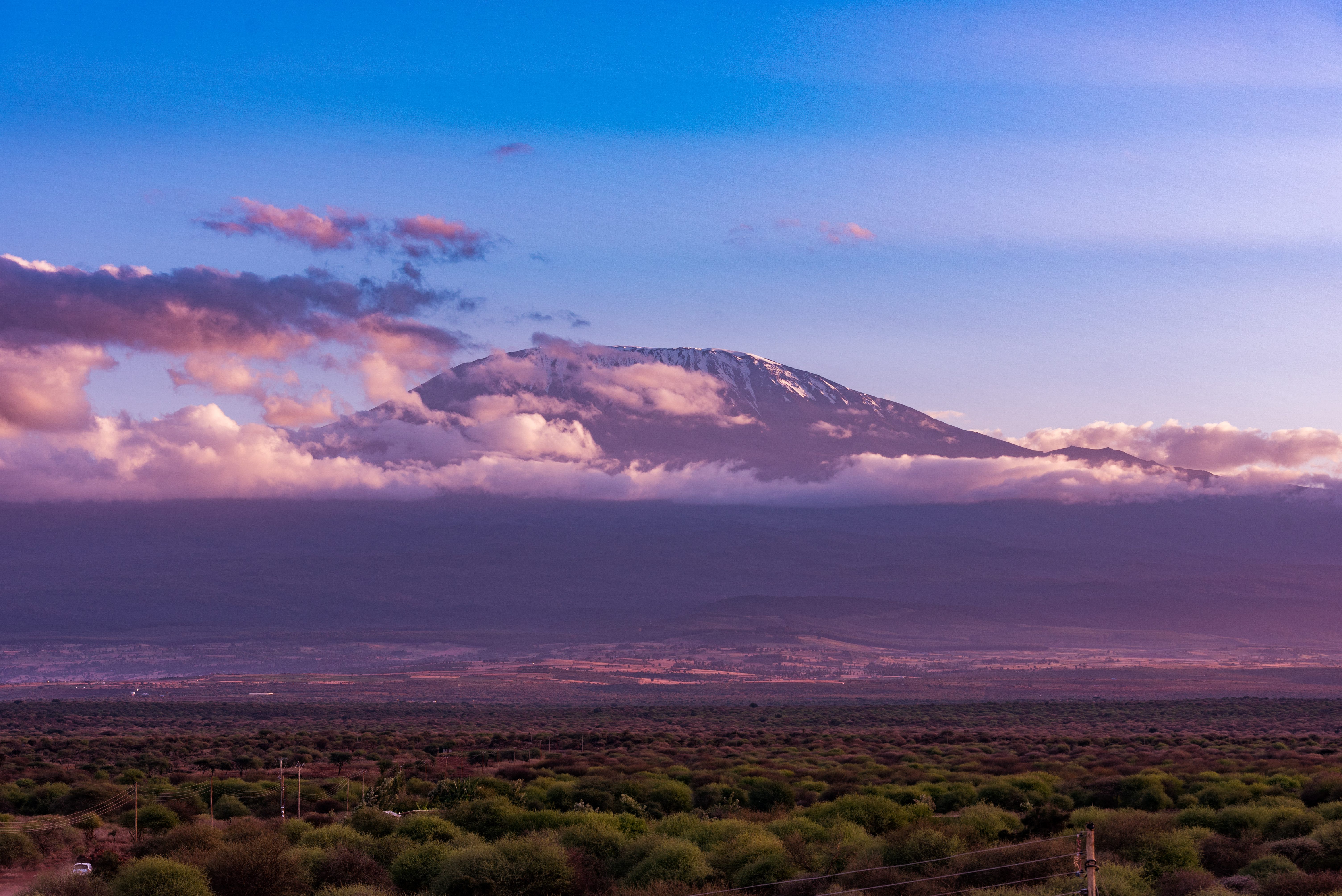
The Serengeti National Park is 14,763 km² of iconic African savanna — home to the Great Migration, the highest concentration of large predators on Earth, and landscapes so vast they gave the park its name (from the Maasai word "siringet," meaning "endless plains"). A UNESCO World Heritage Site since 1981, the Serengeti consistently ranks as the world's #1 safari destination.
Serengeti Wildlife
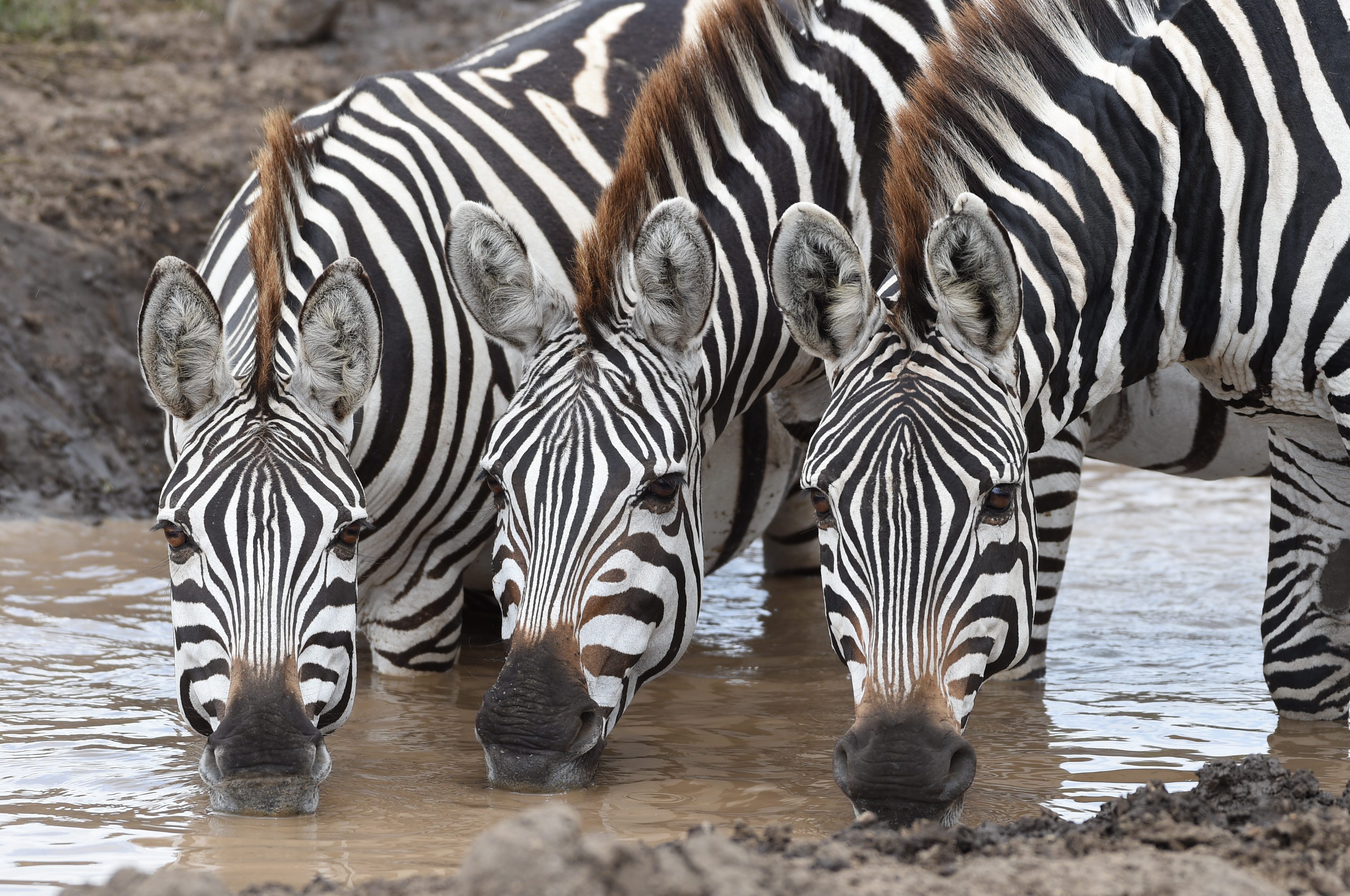
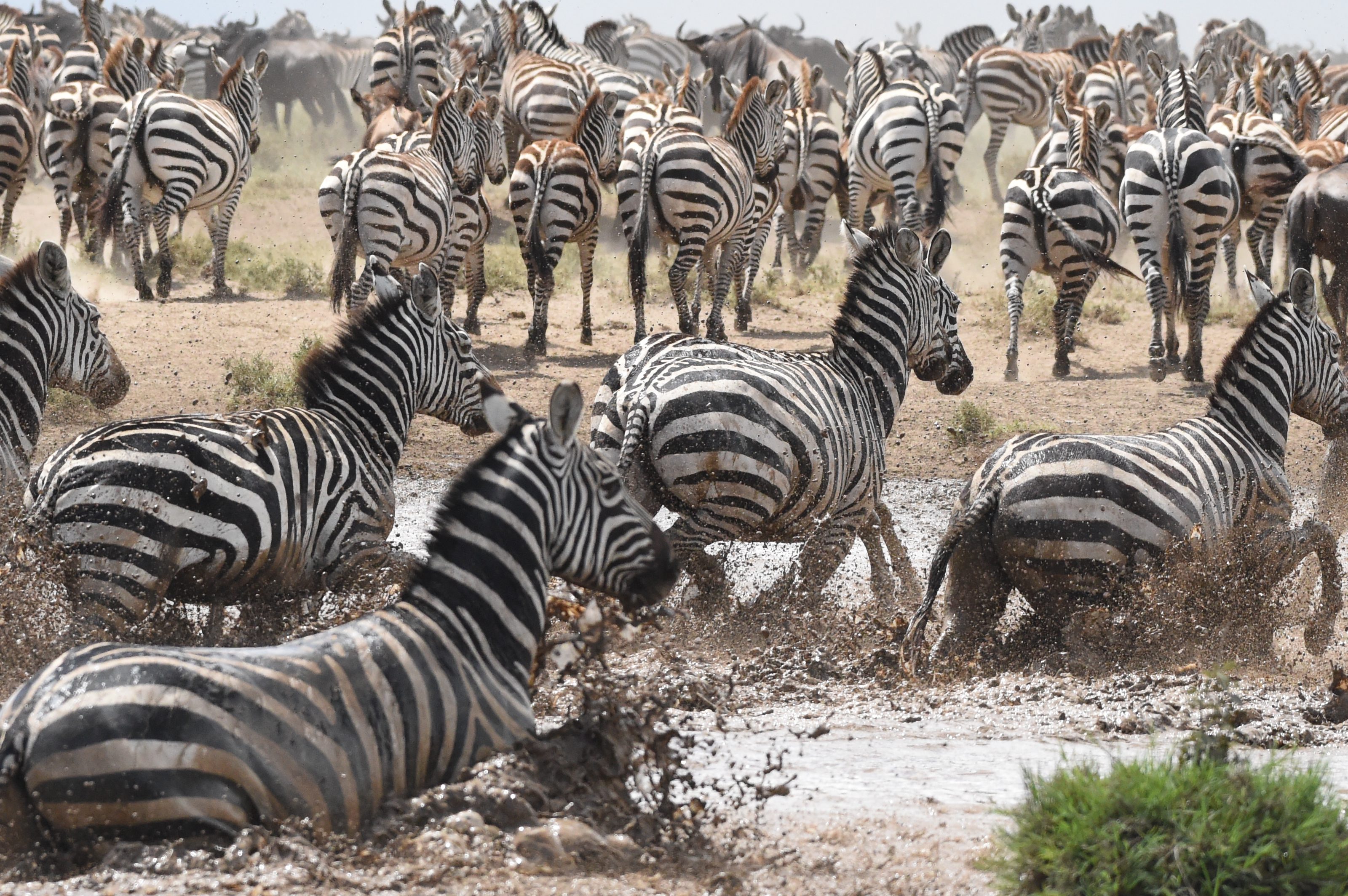
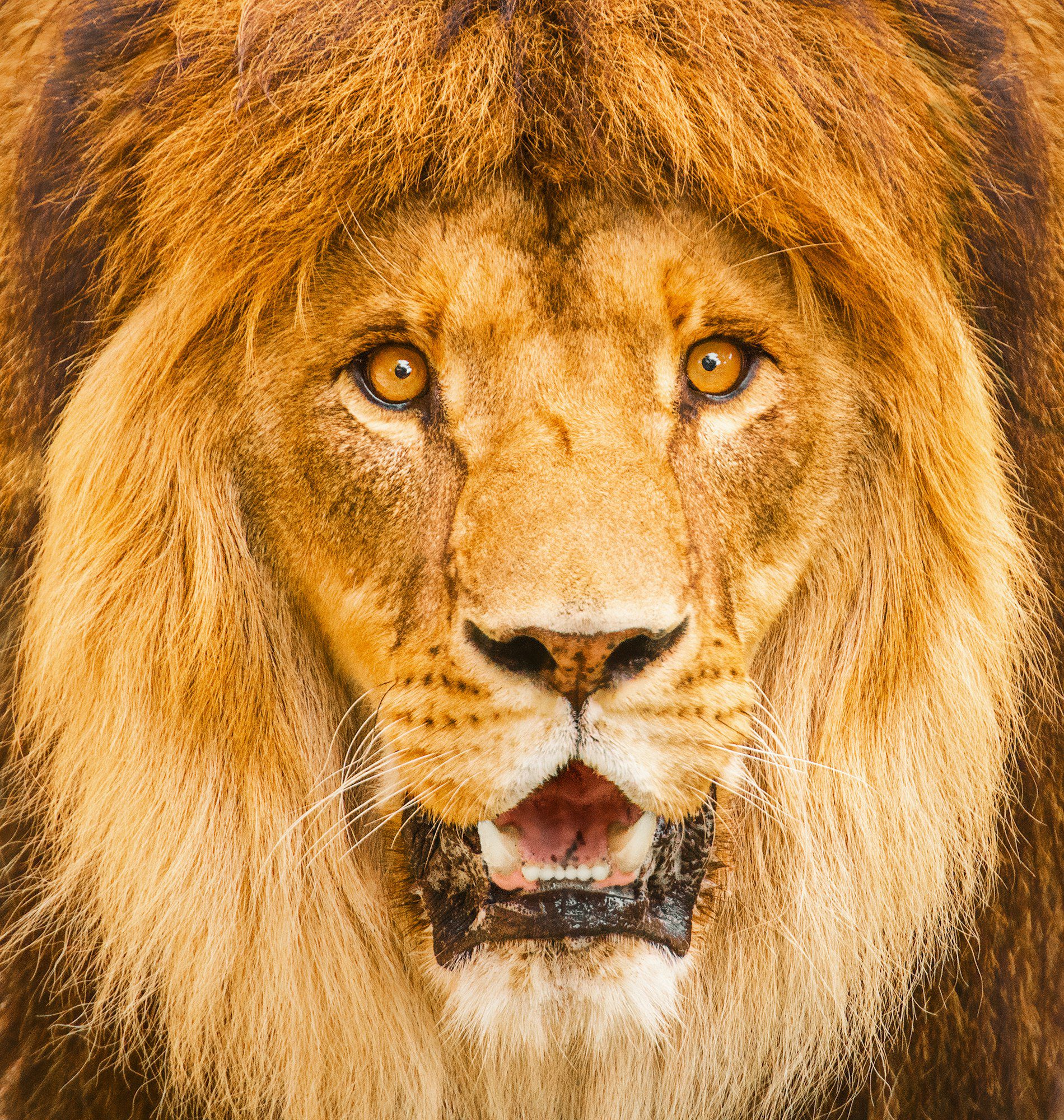
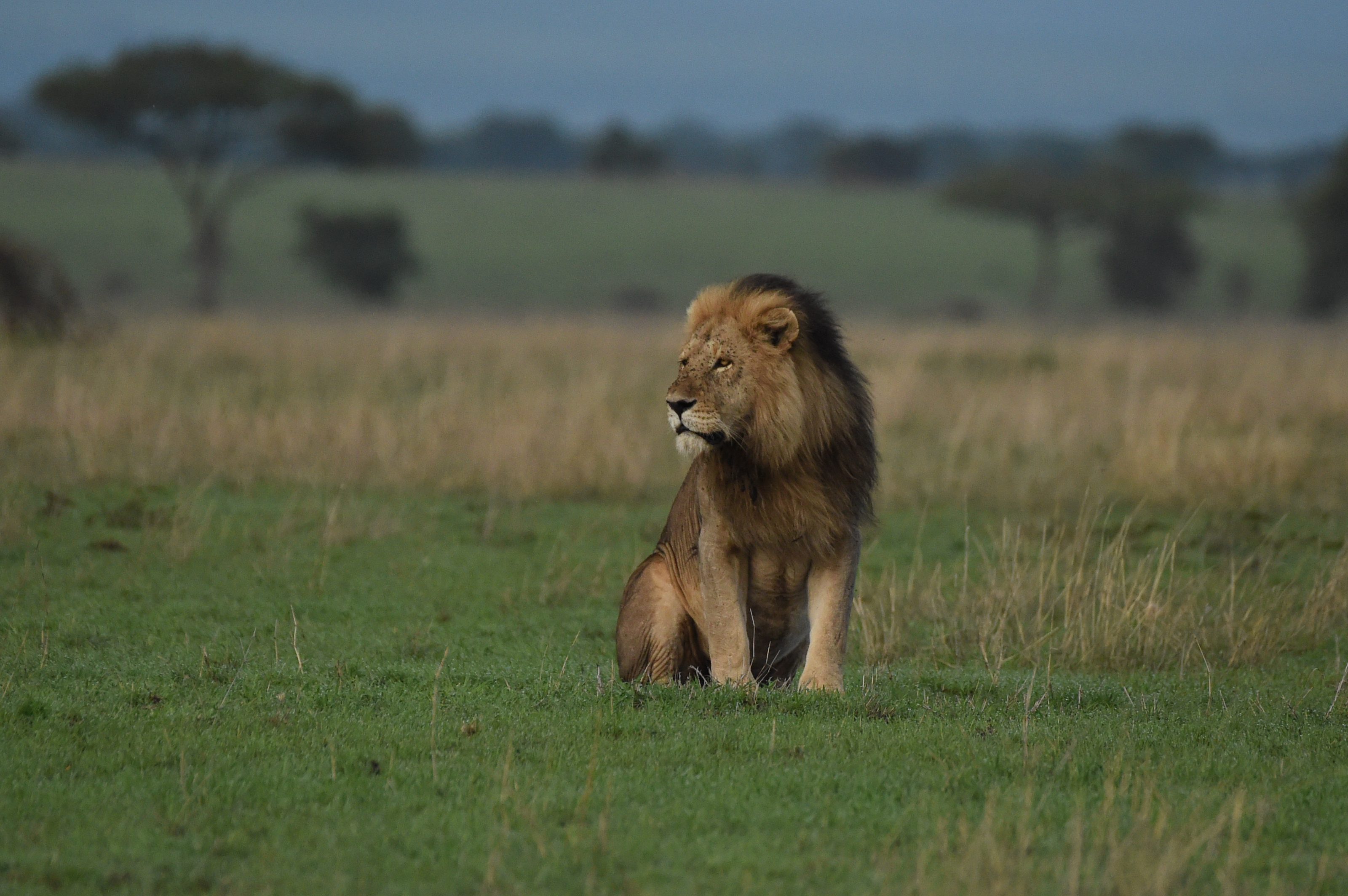
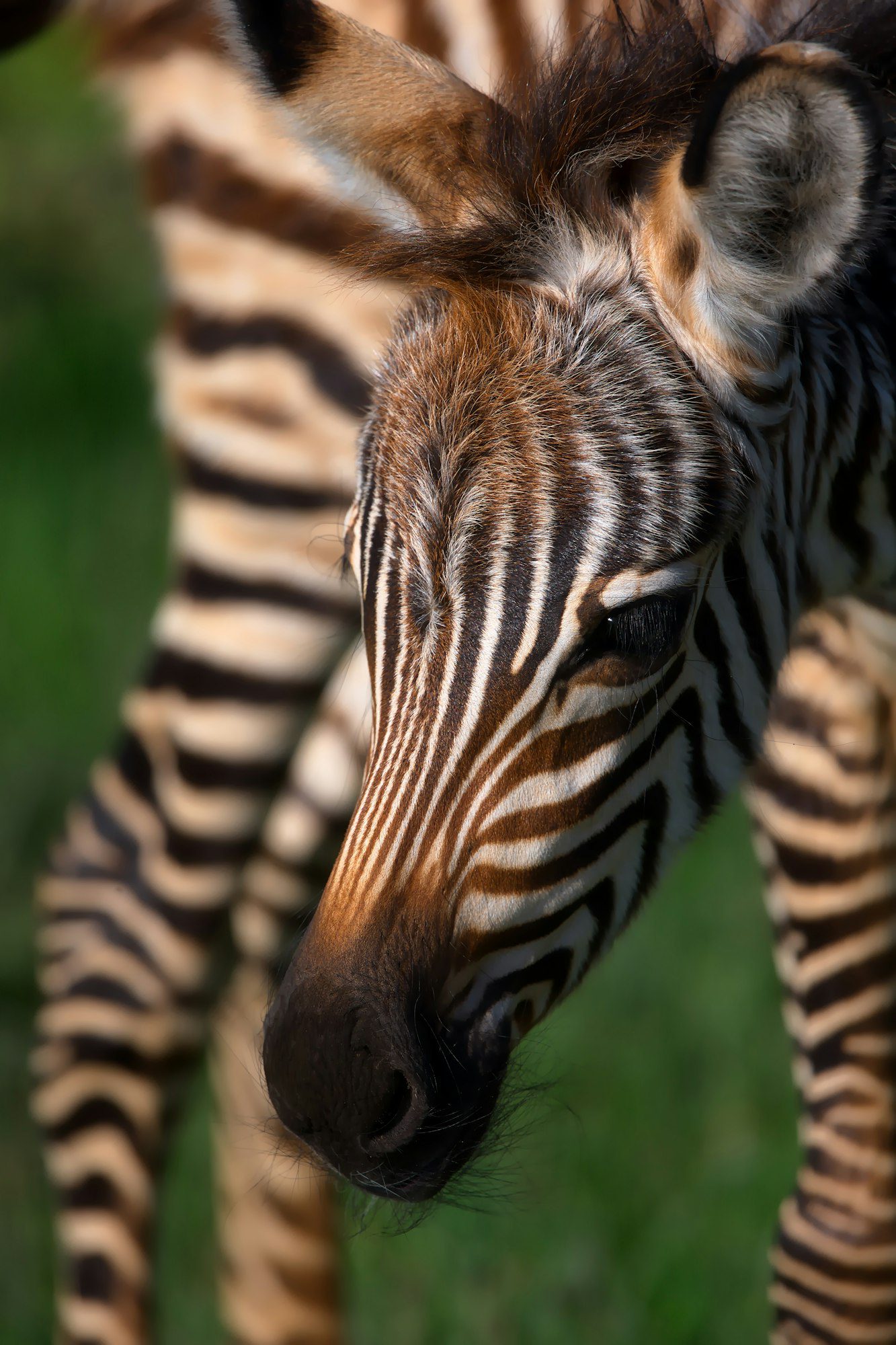
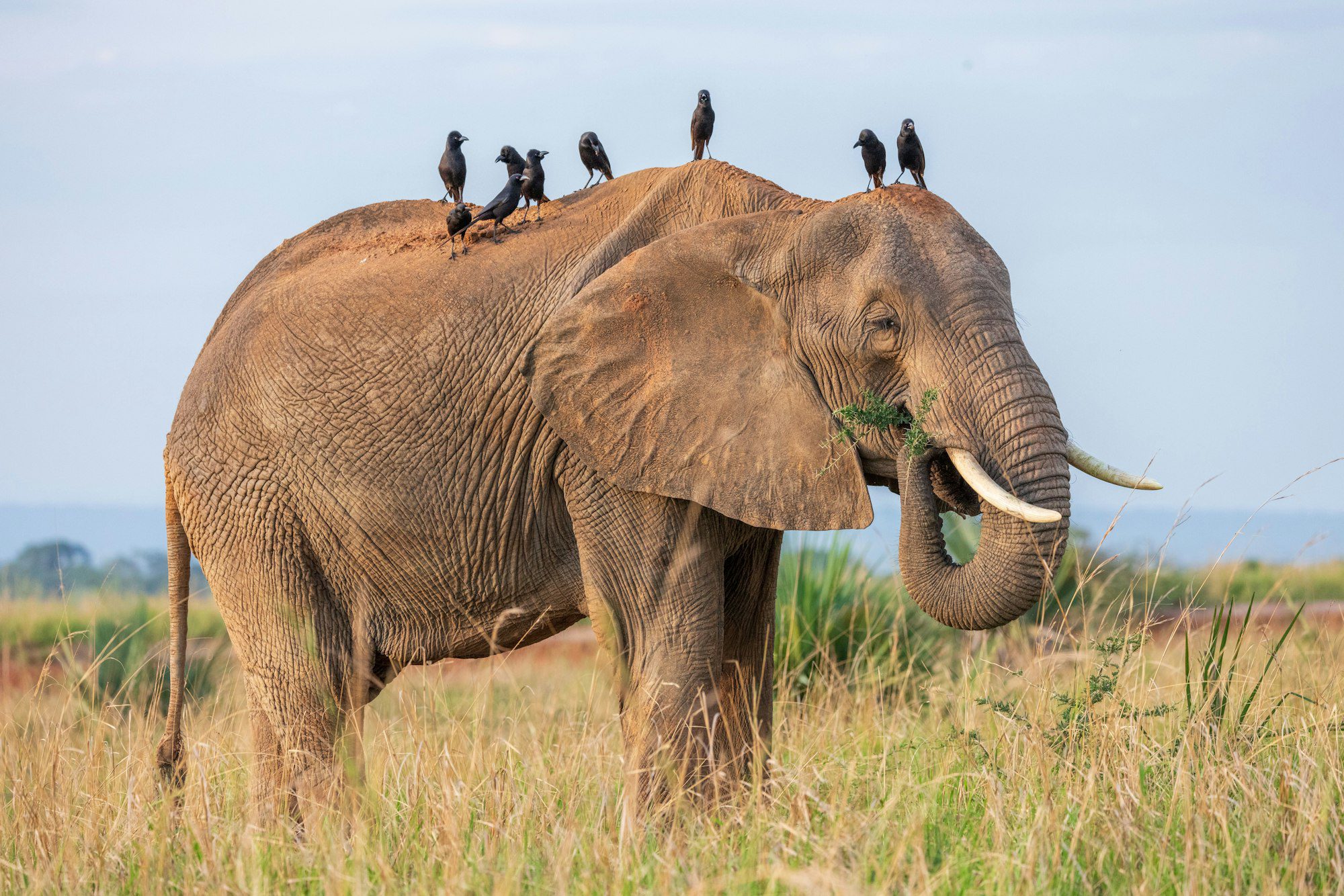
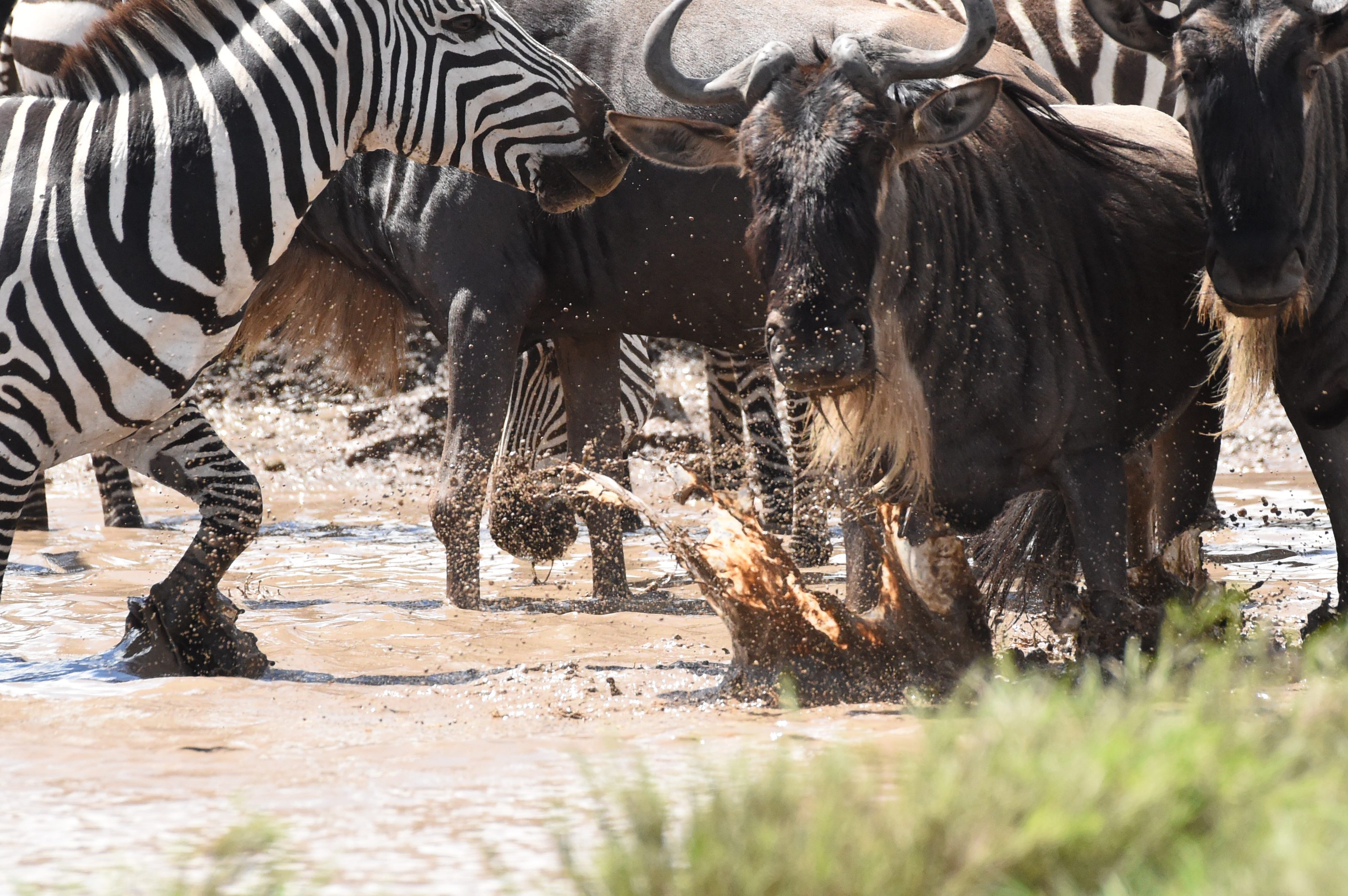
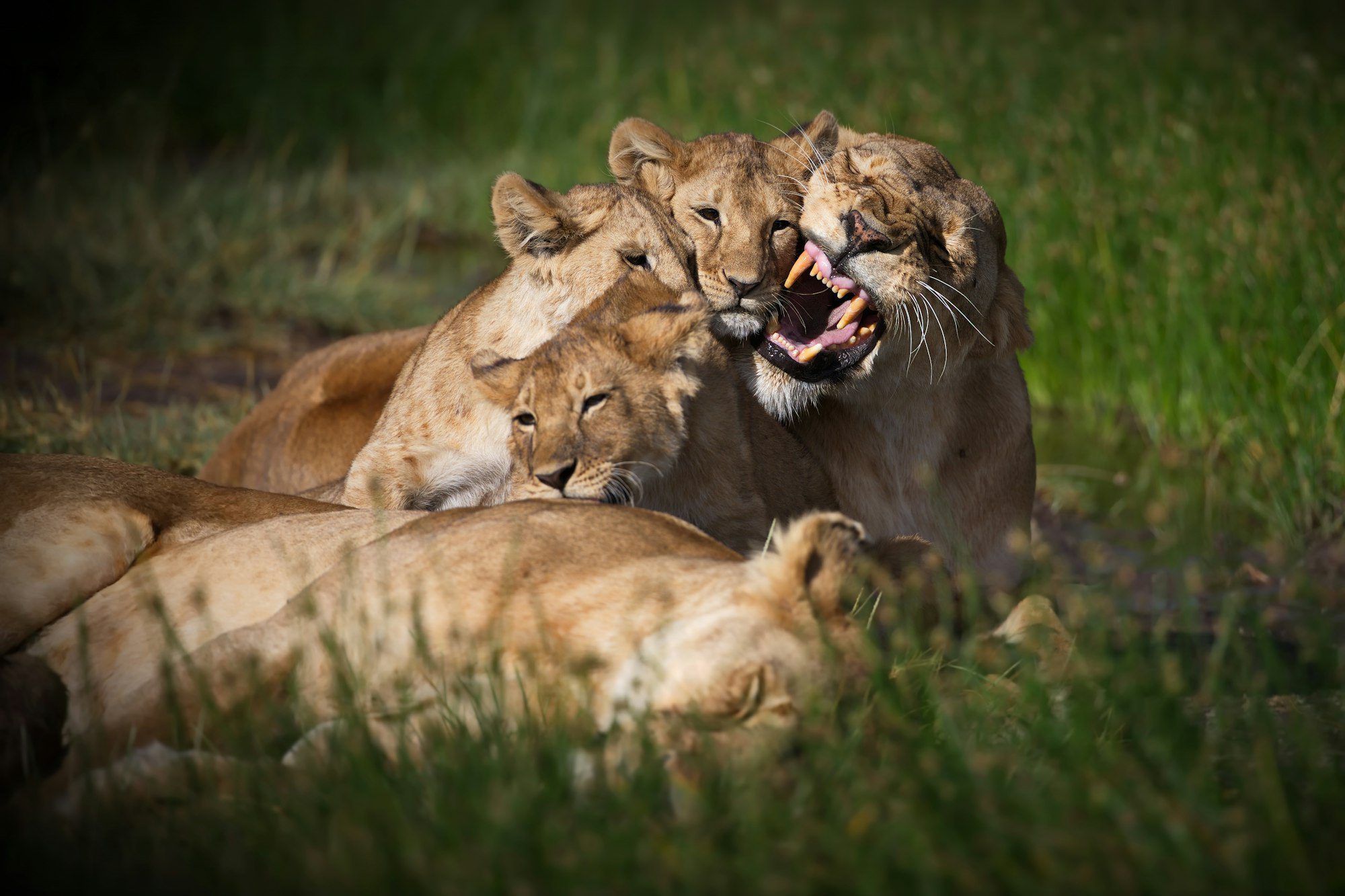
The numbers are staggering: over 1.5 million wildebeest, 500,000 zebra, 3,000+ lions (the largest population in Africa), 1,000+ leopards, and 500+ cheetahs. The full species list includes:
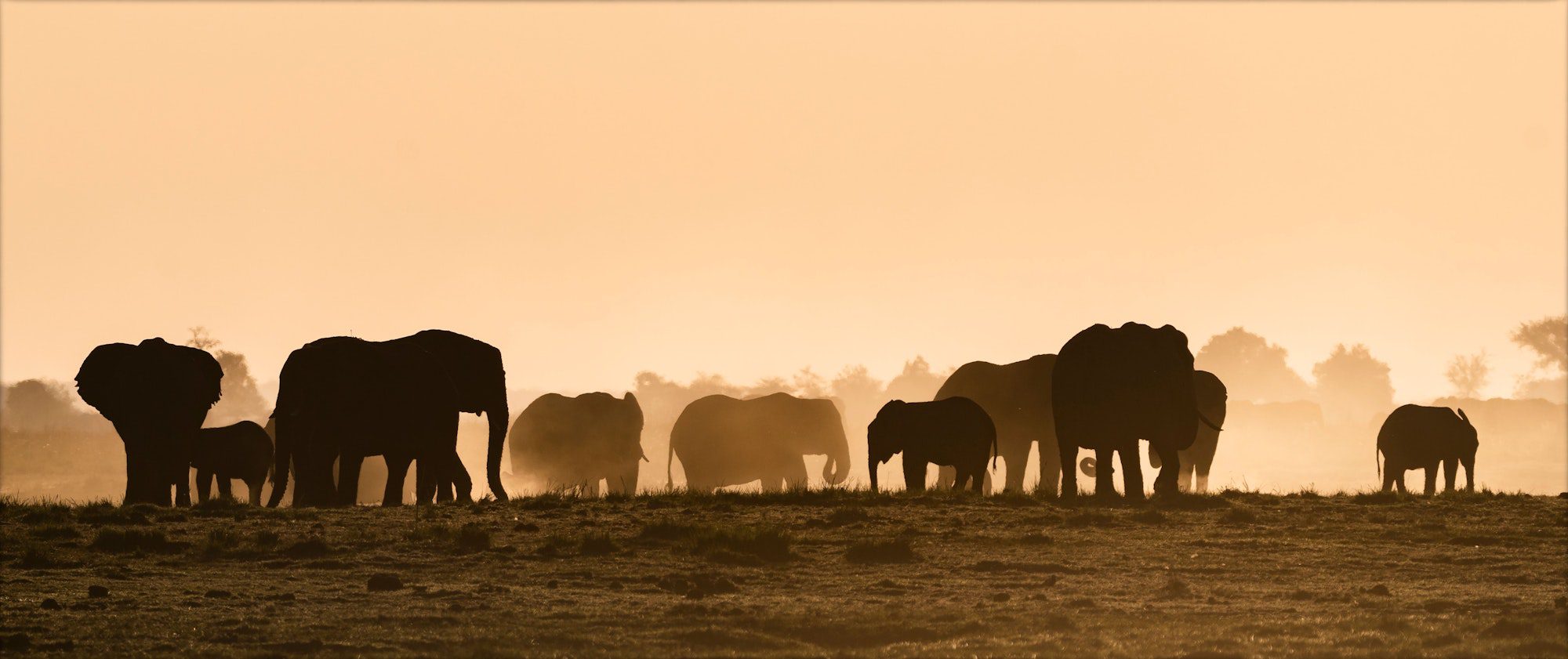
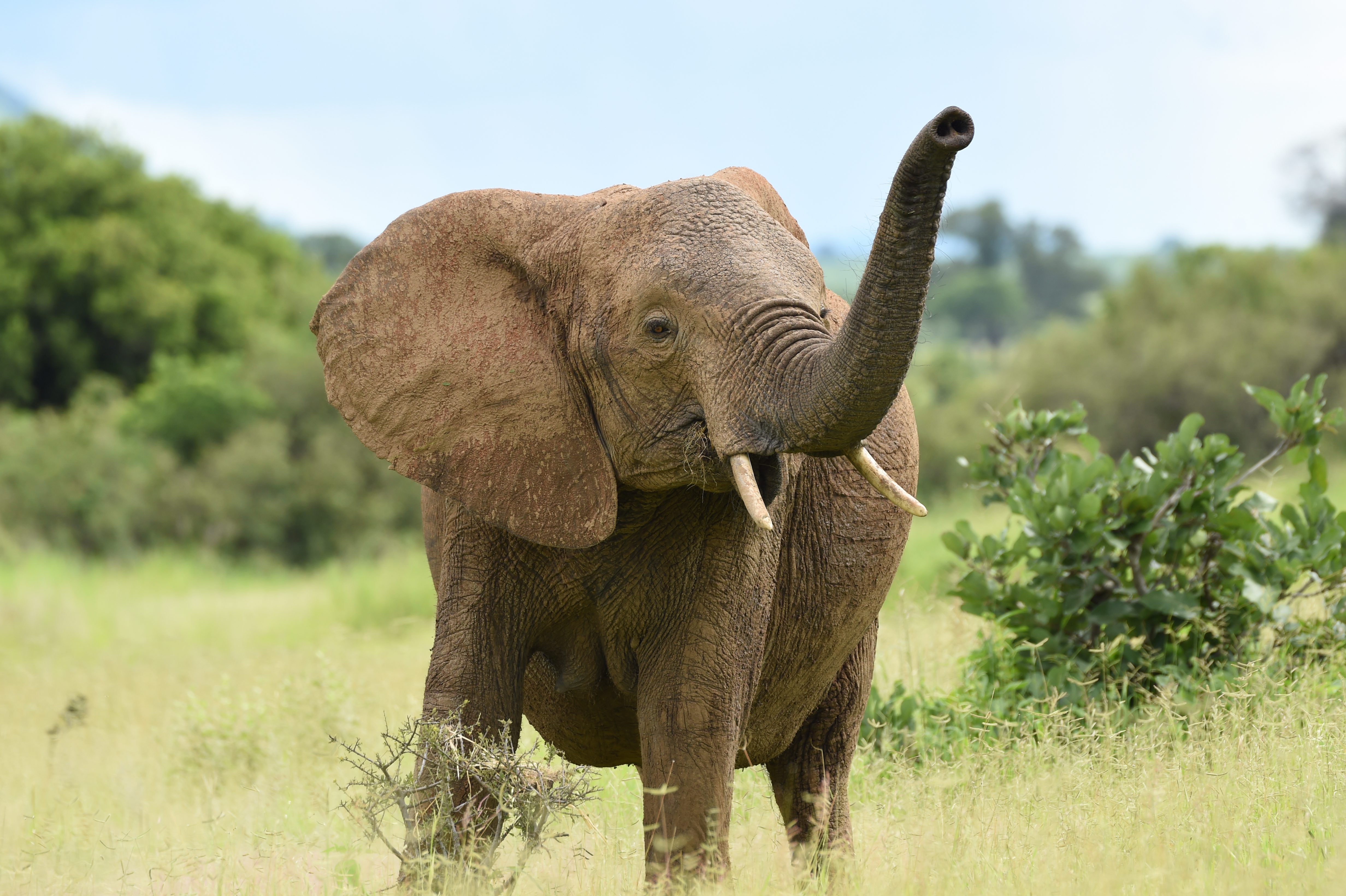
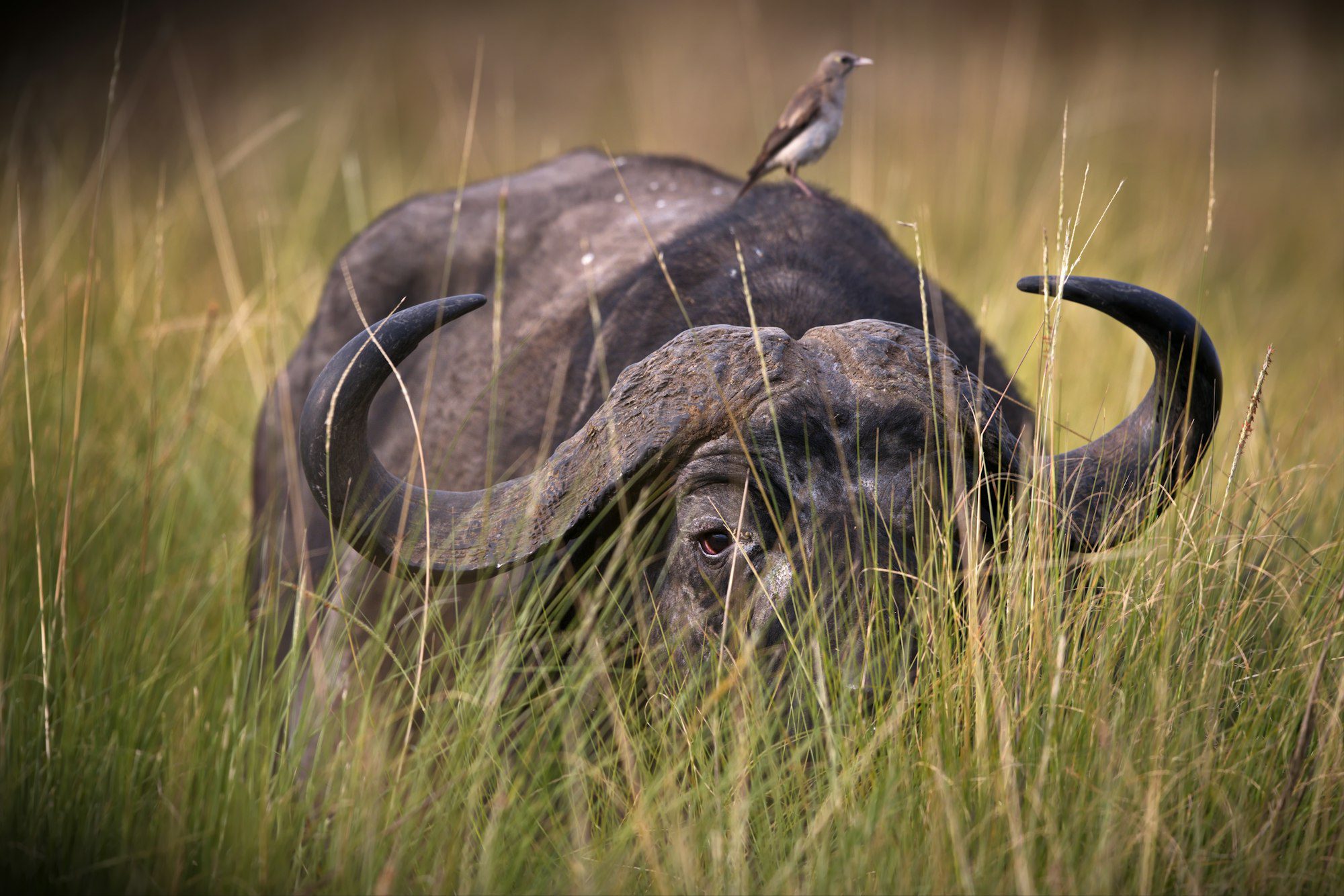
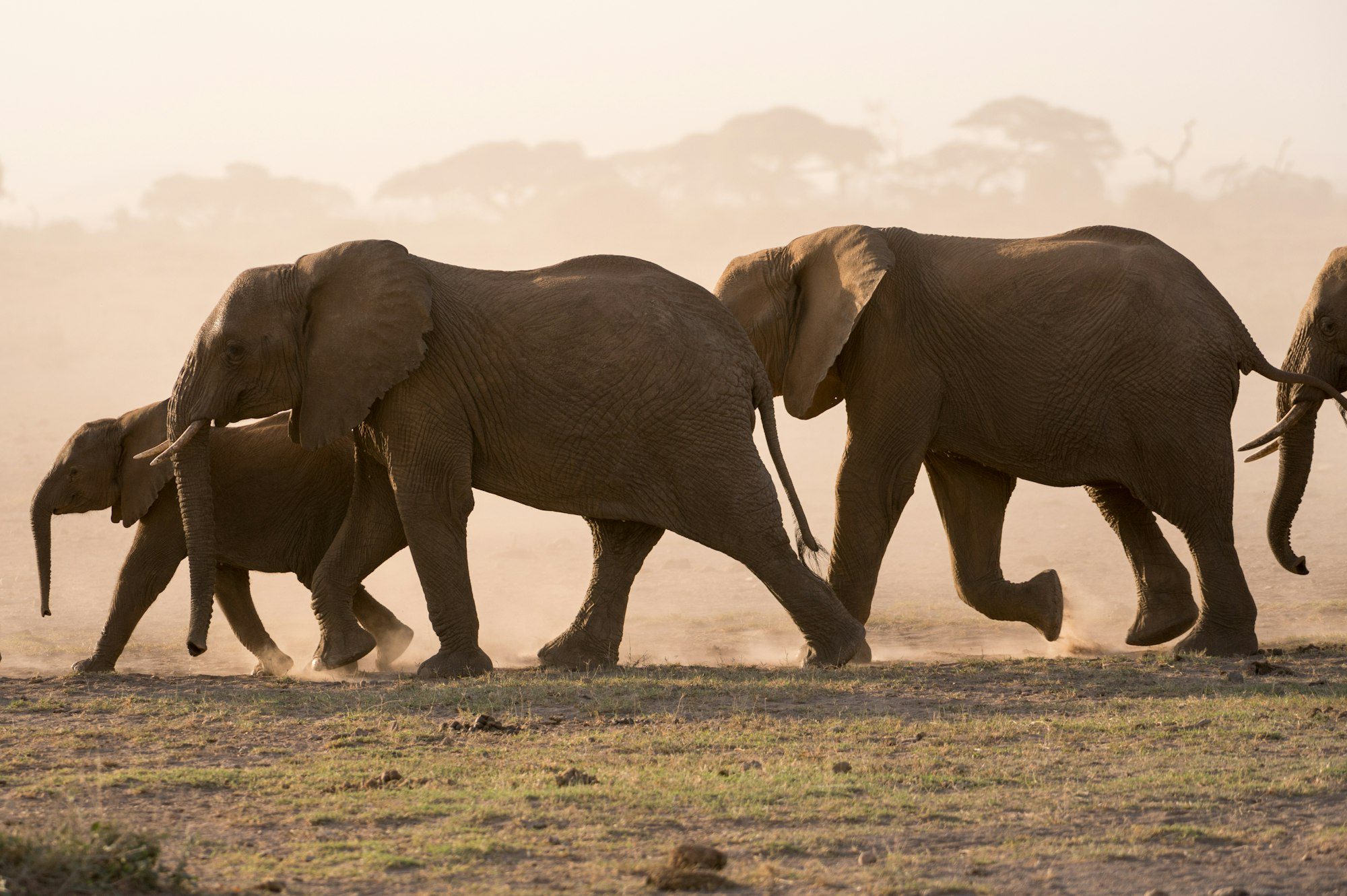
- Big Five: Lion, leopard, elephant, buffalo, rhino (black rhino are present but rare and protected)
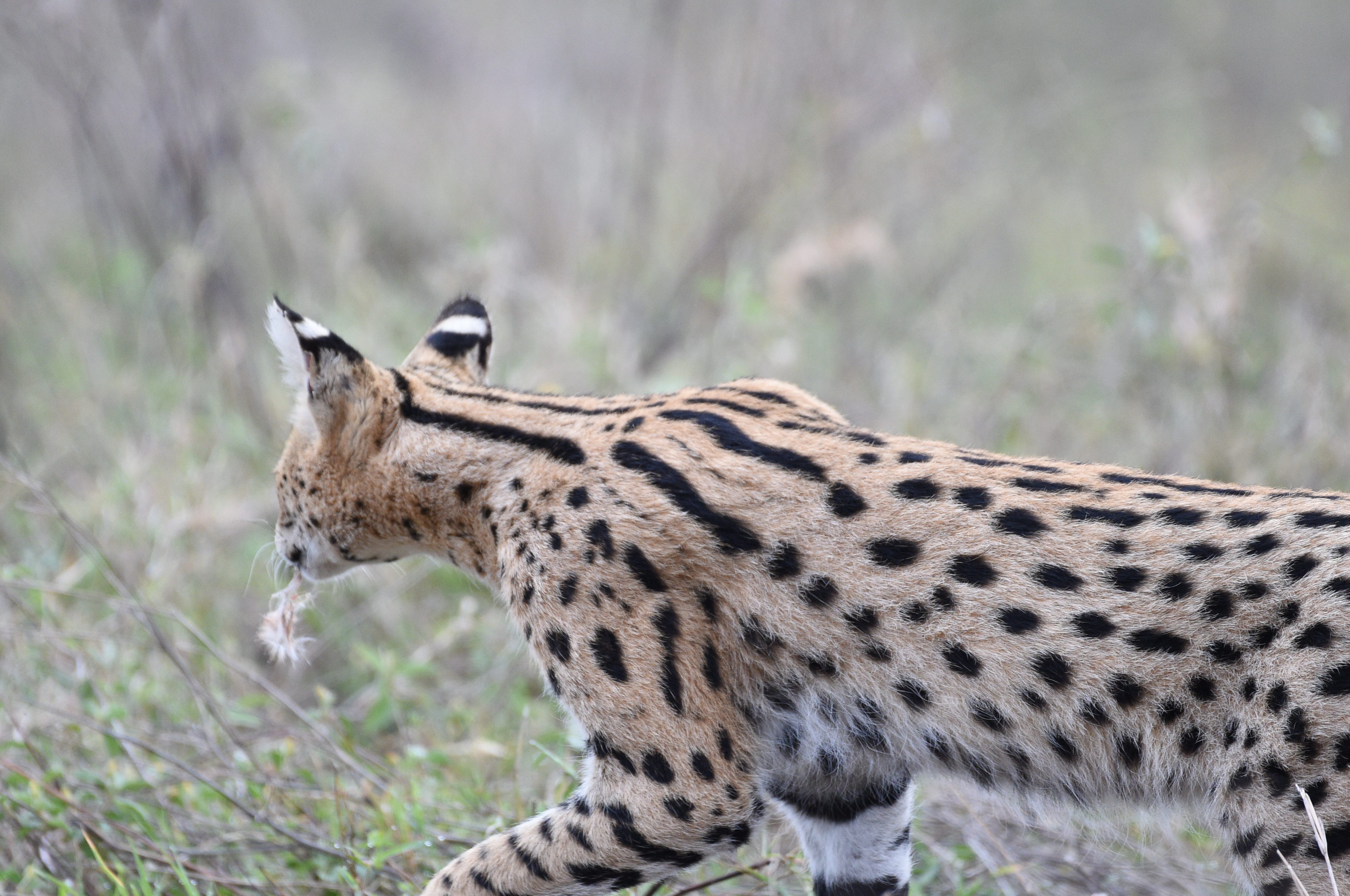
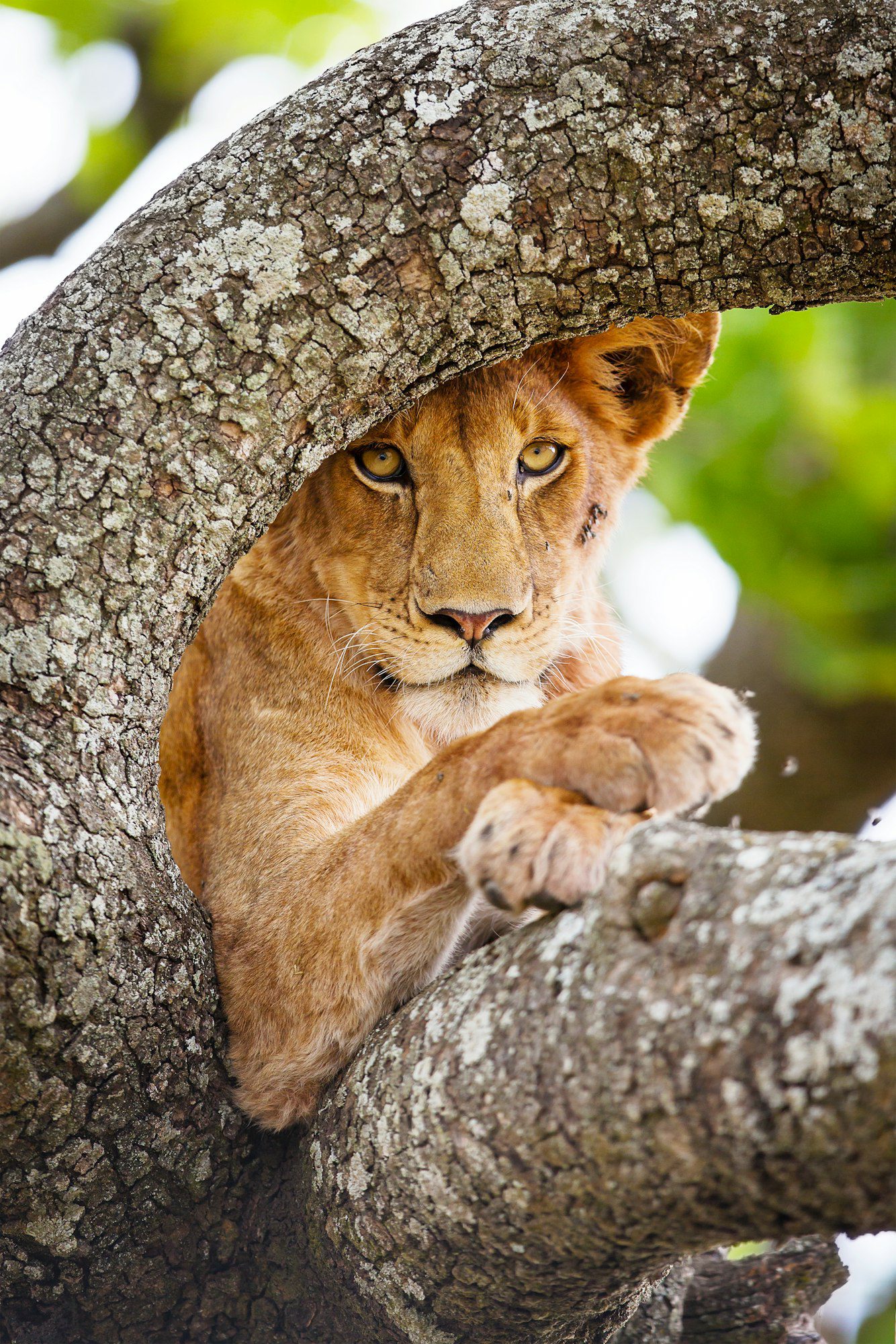
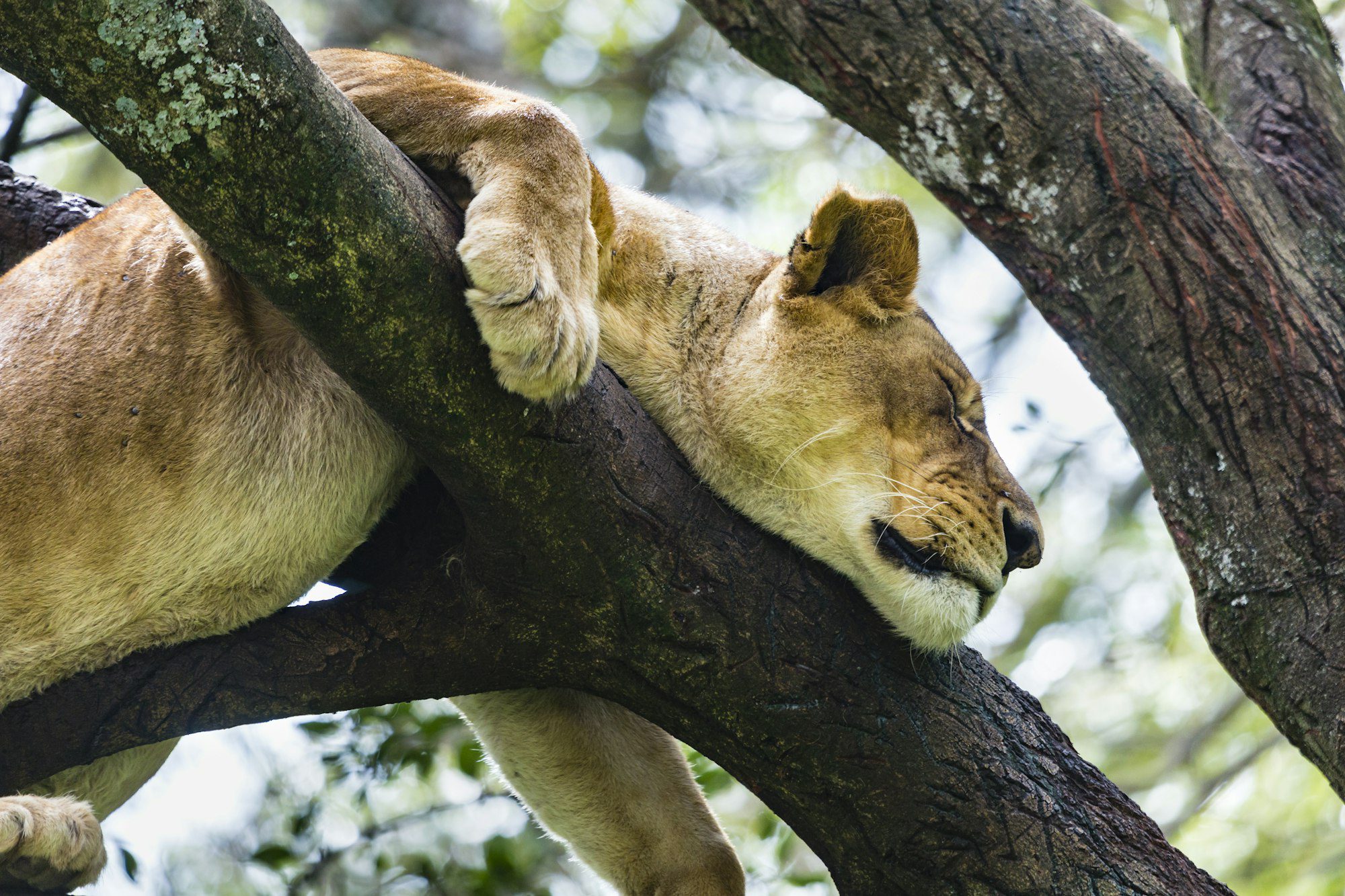
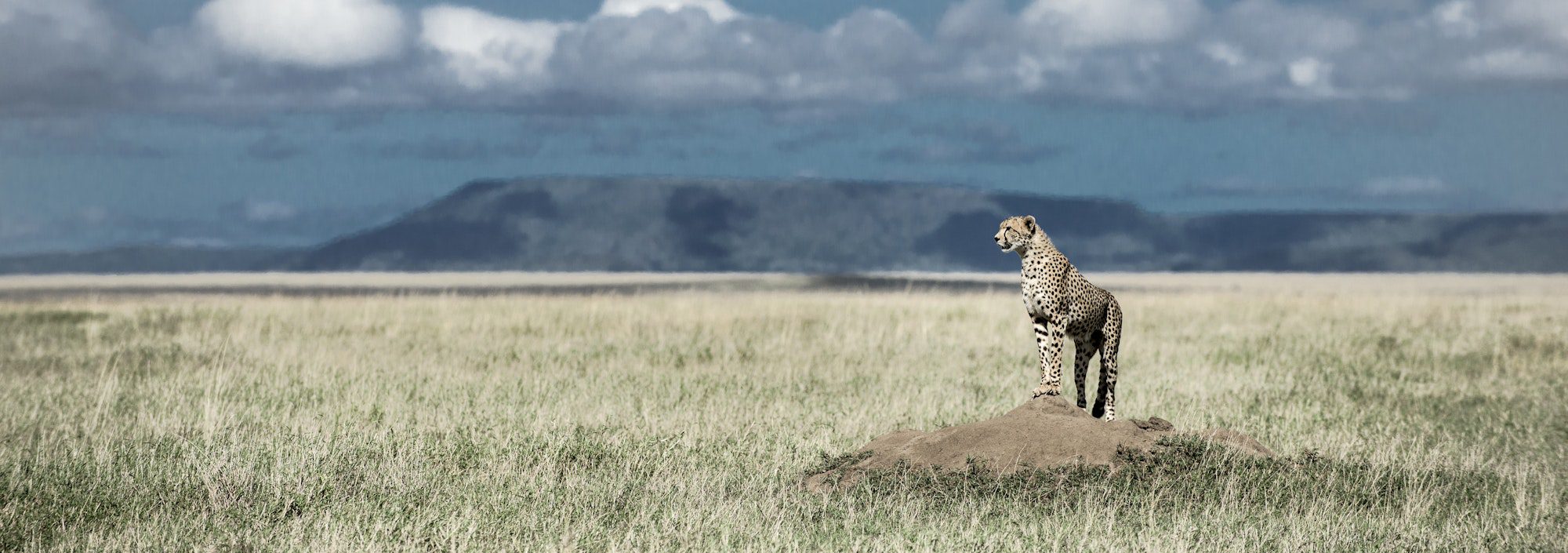
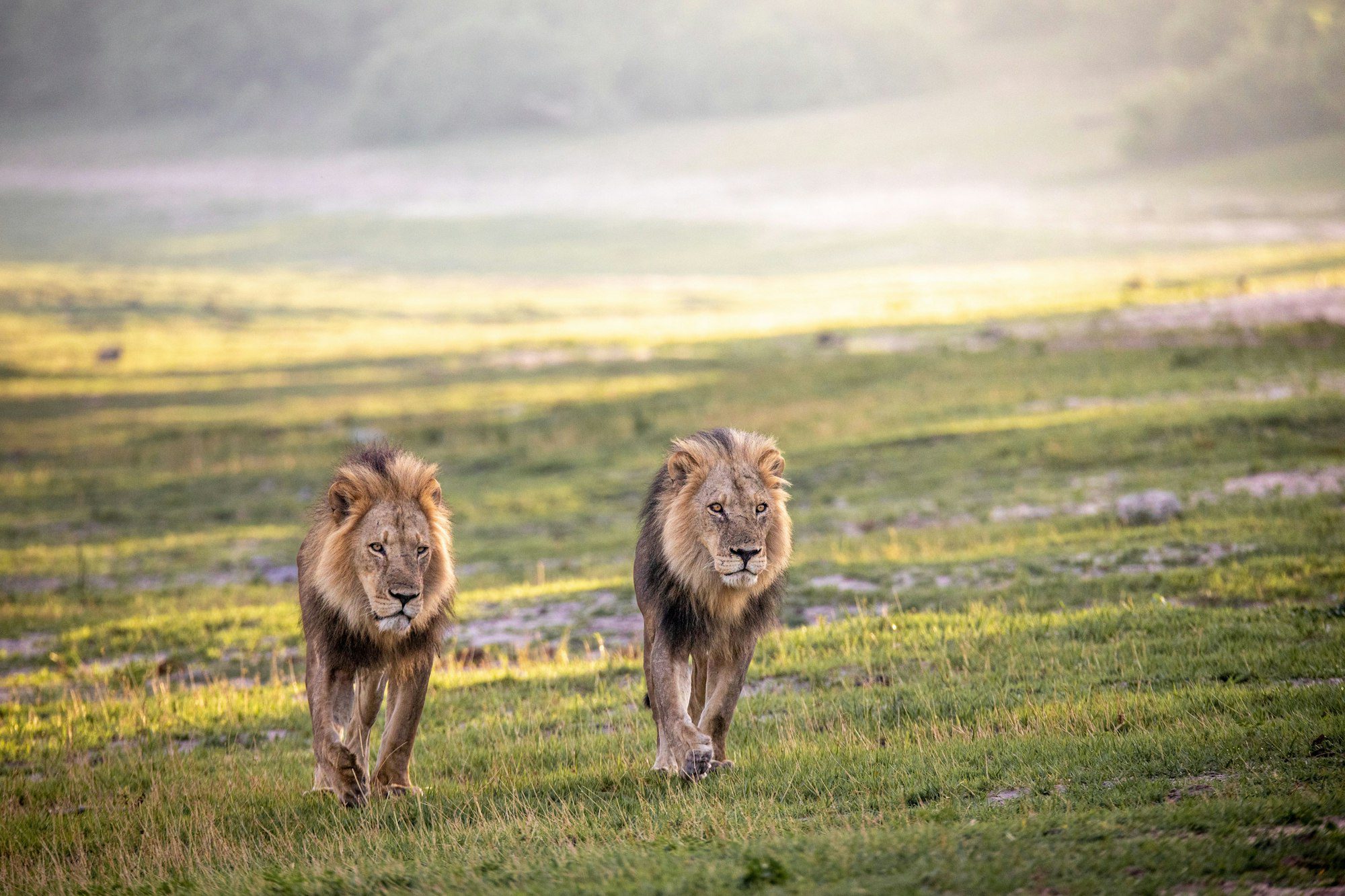
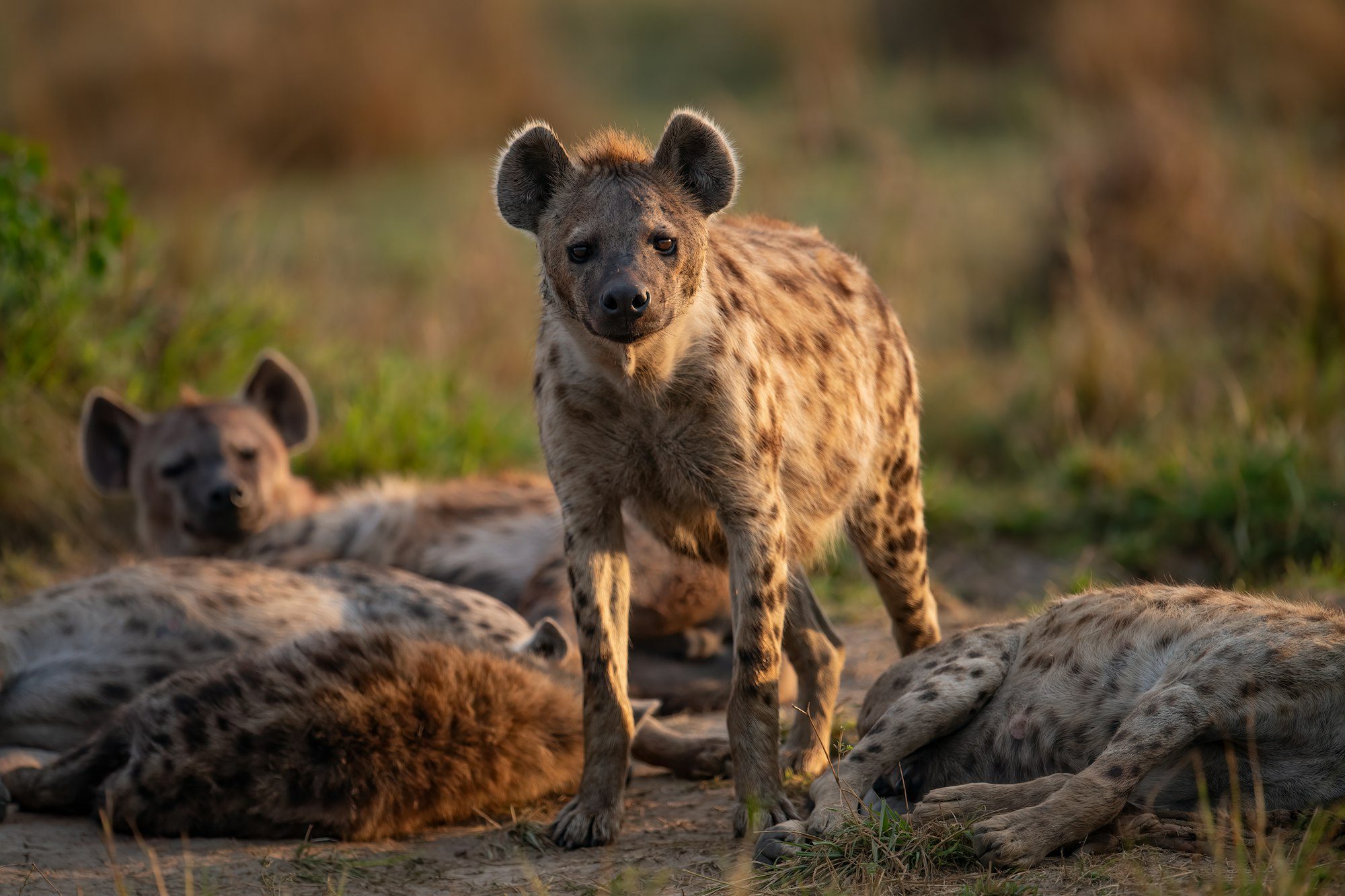
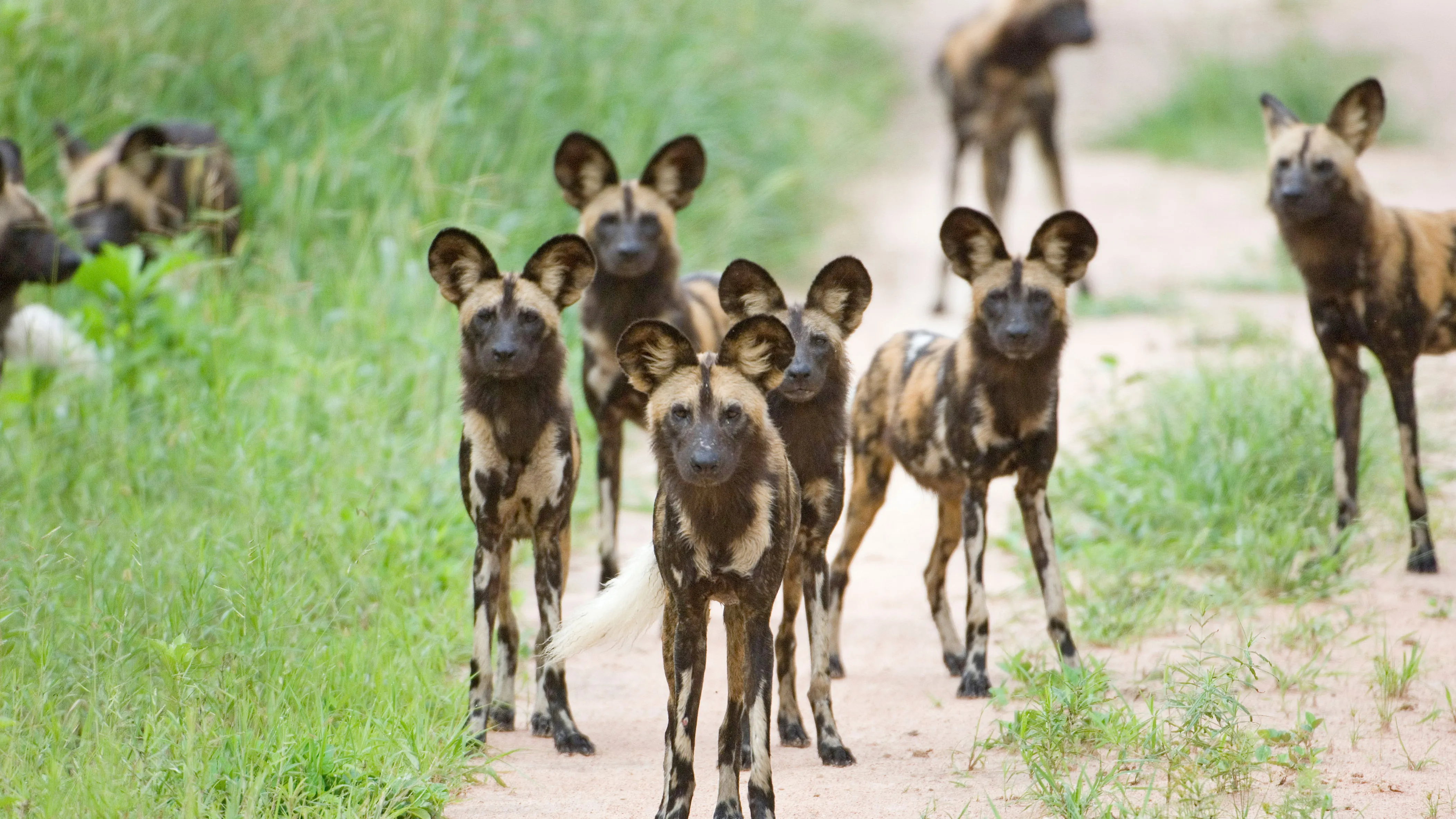
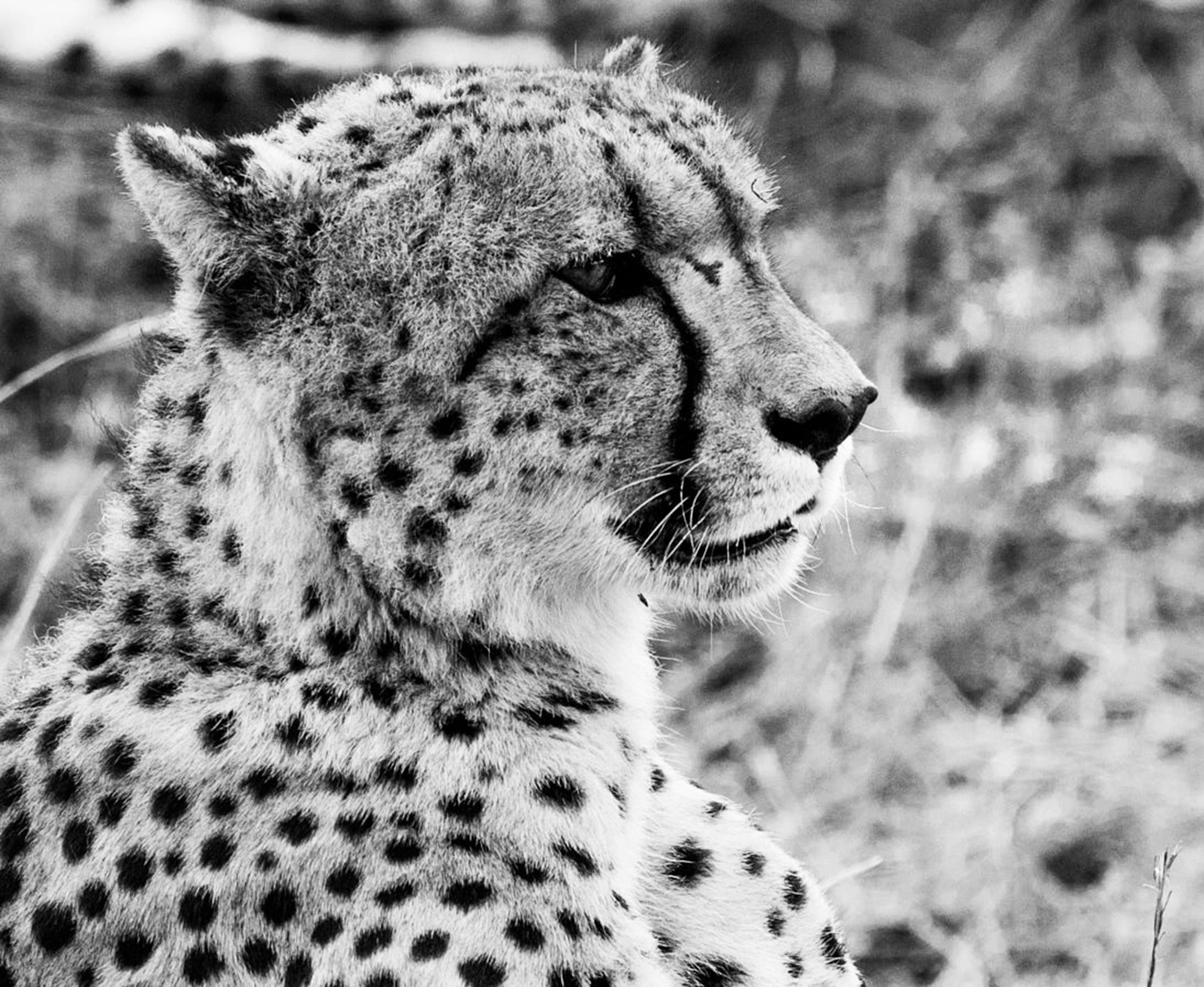
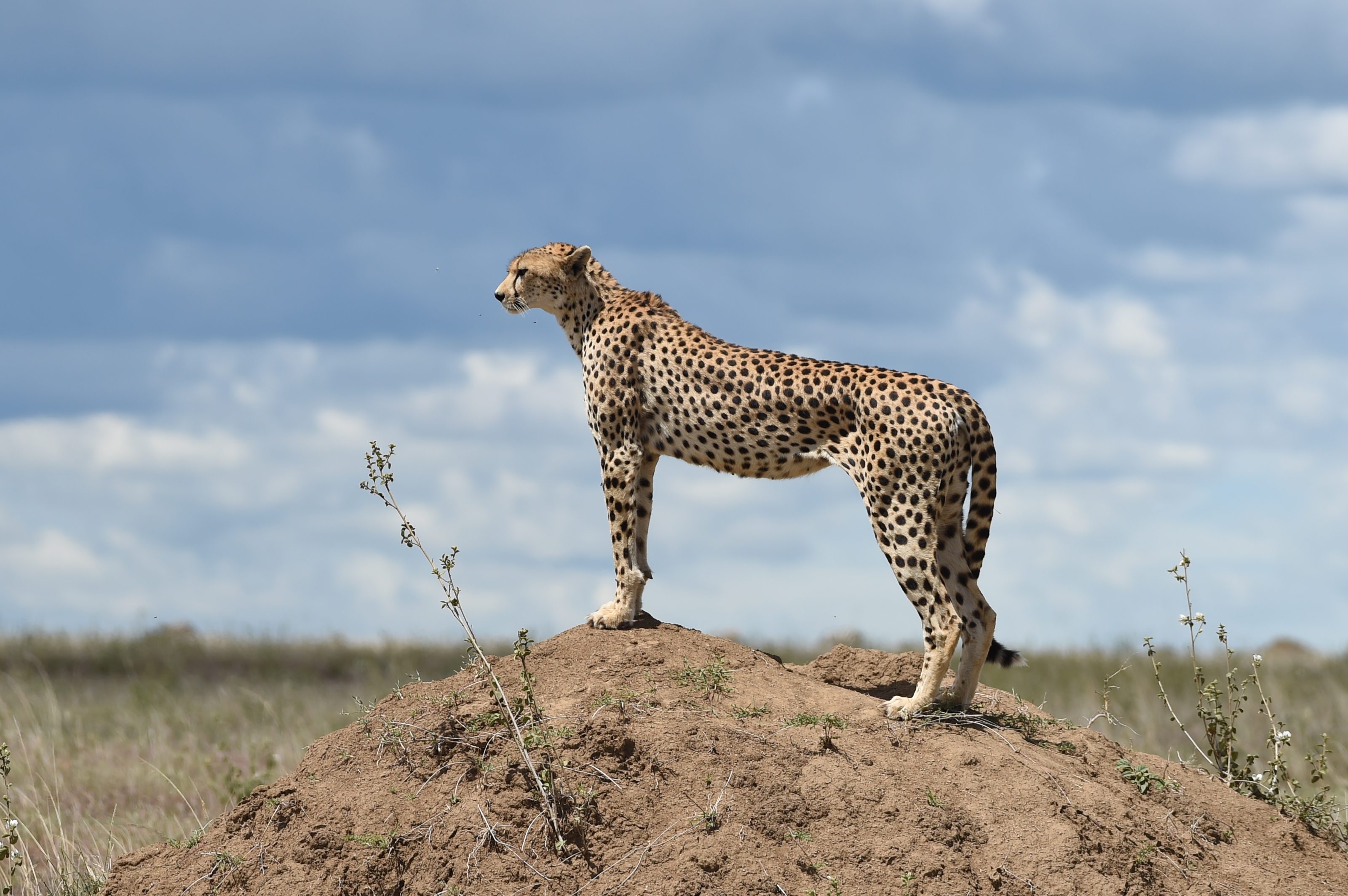
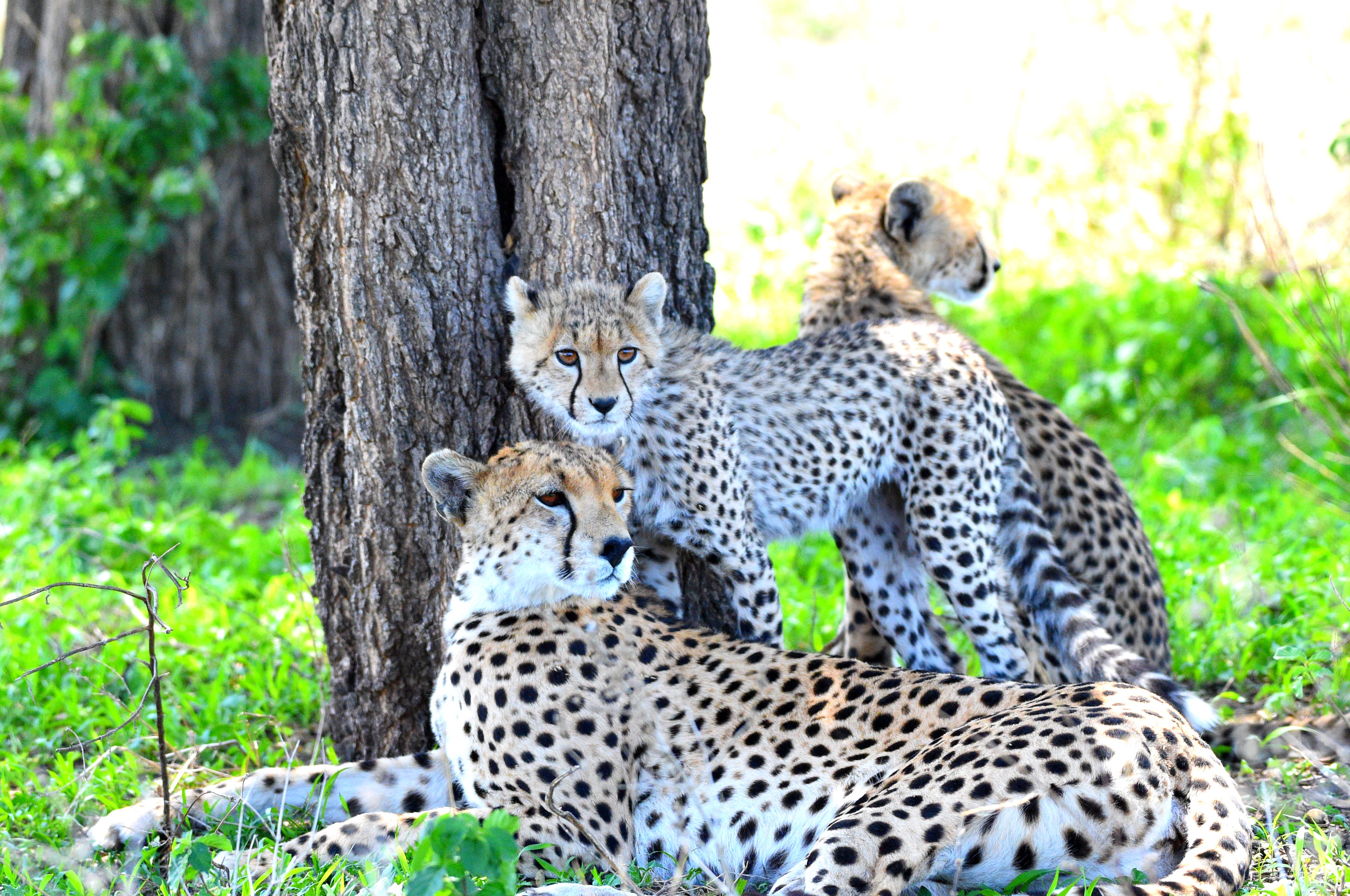
- Predators: Lions in prides of up to 30, cheetahs on the open plains, leopards in riverine woodland, spotted hyena clans, wild dogs (rare but increasing), serval cats
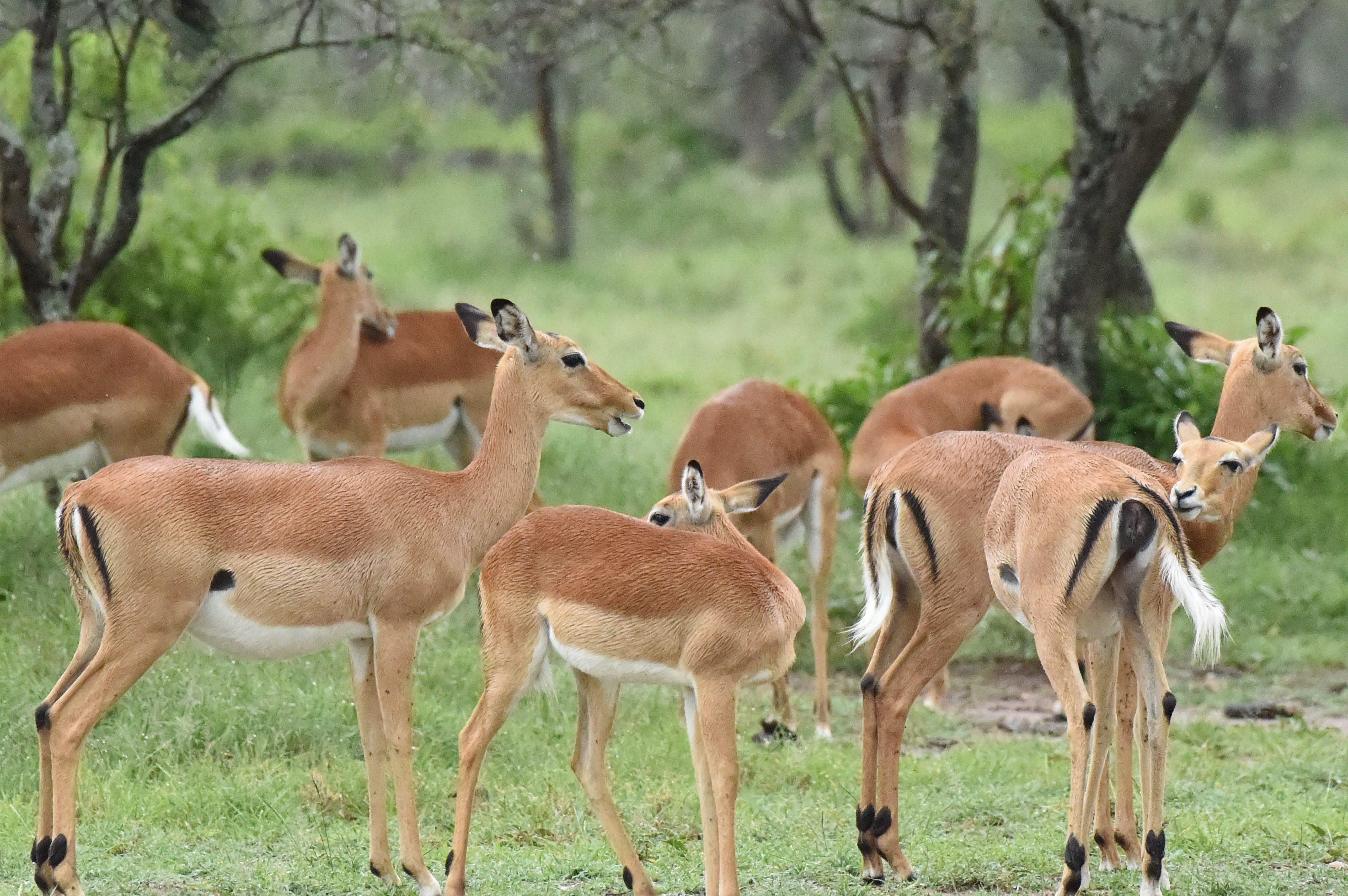
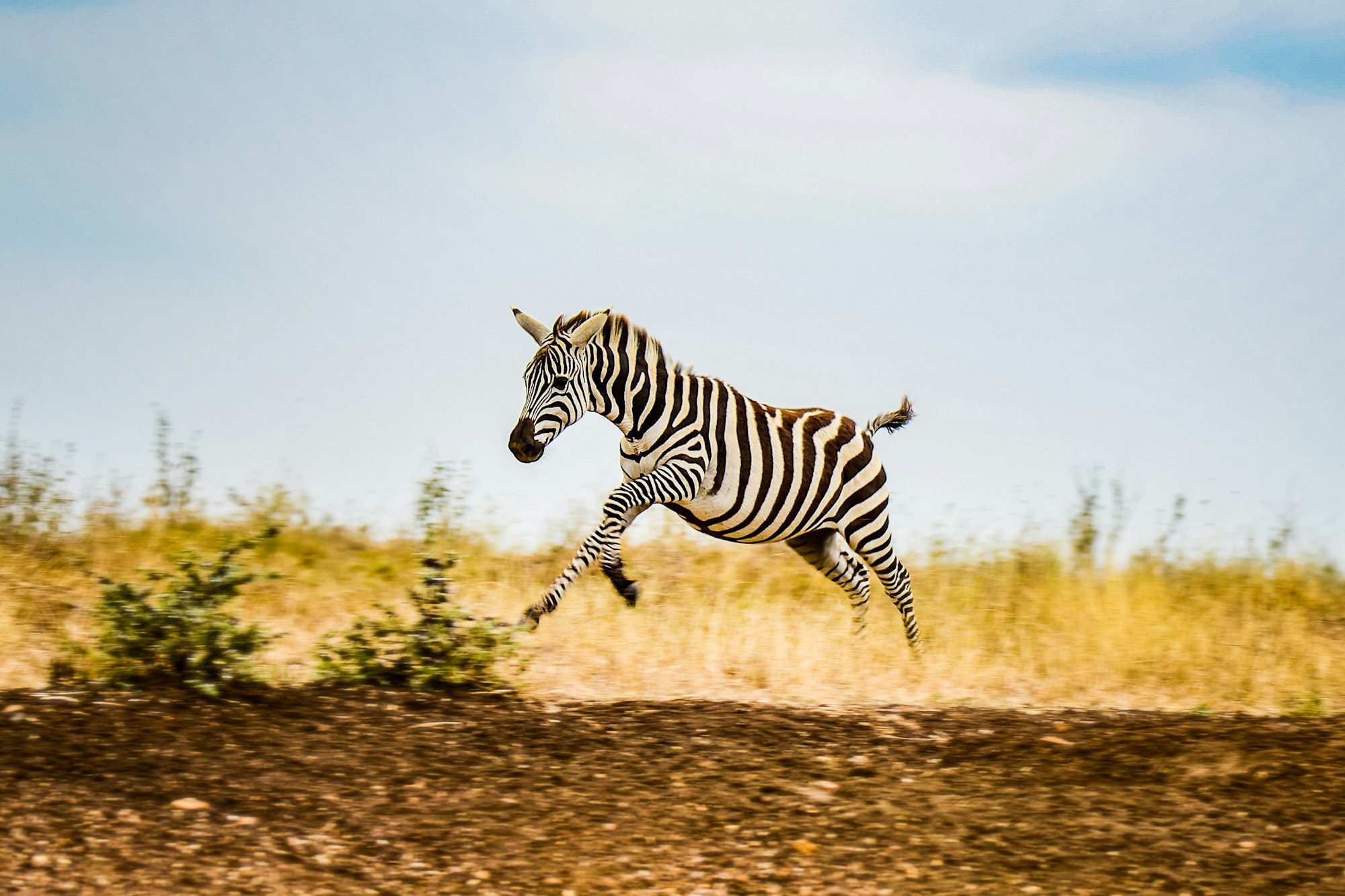
- Herbivores: Wildebeest (1.5 million), zebra (500,000), Thomson's and Grant's gazelle, topi, eland, giraffe, hippo, waterbuck
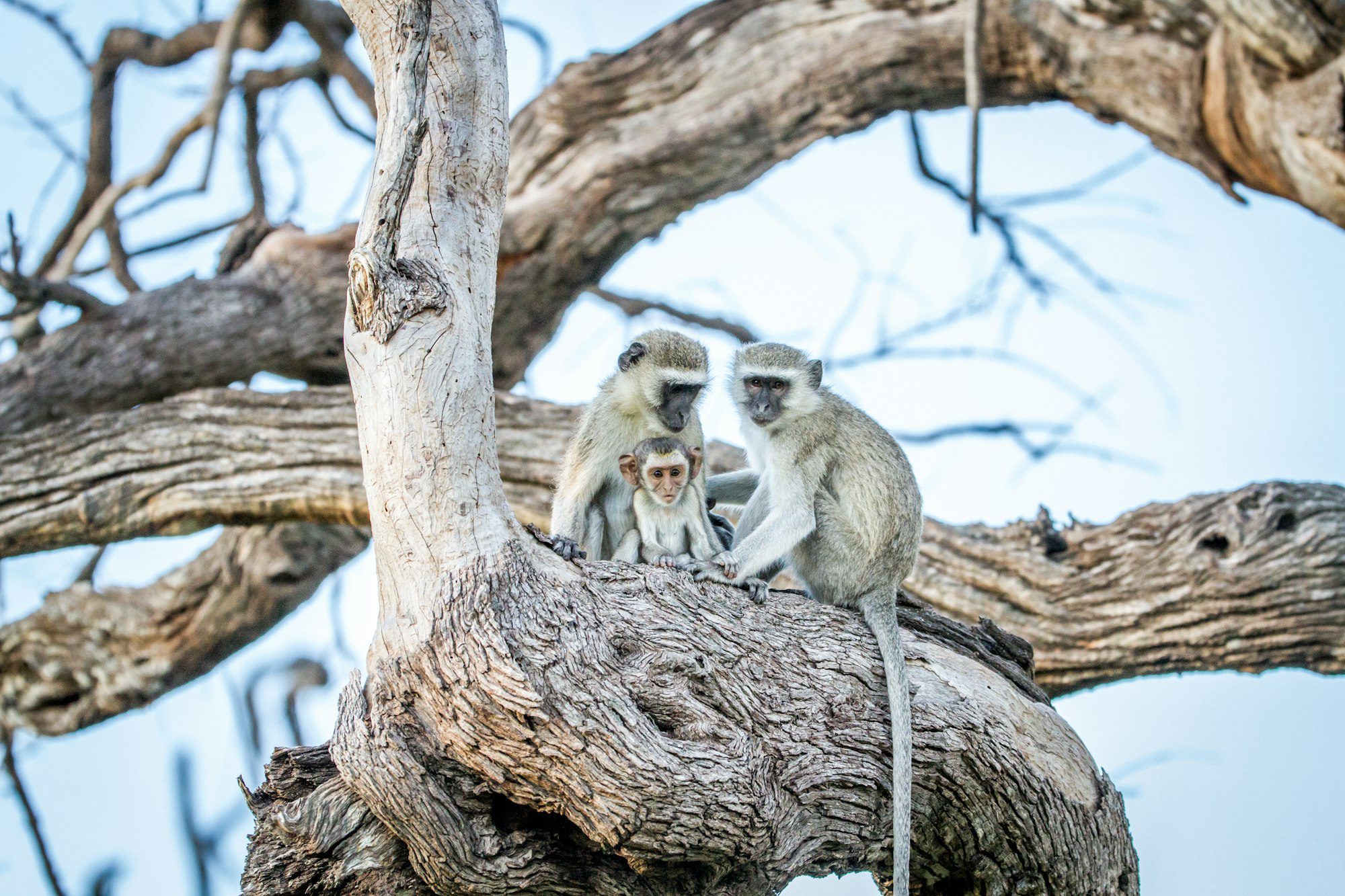
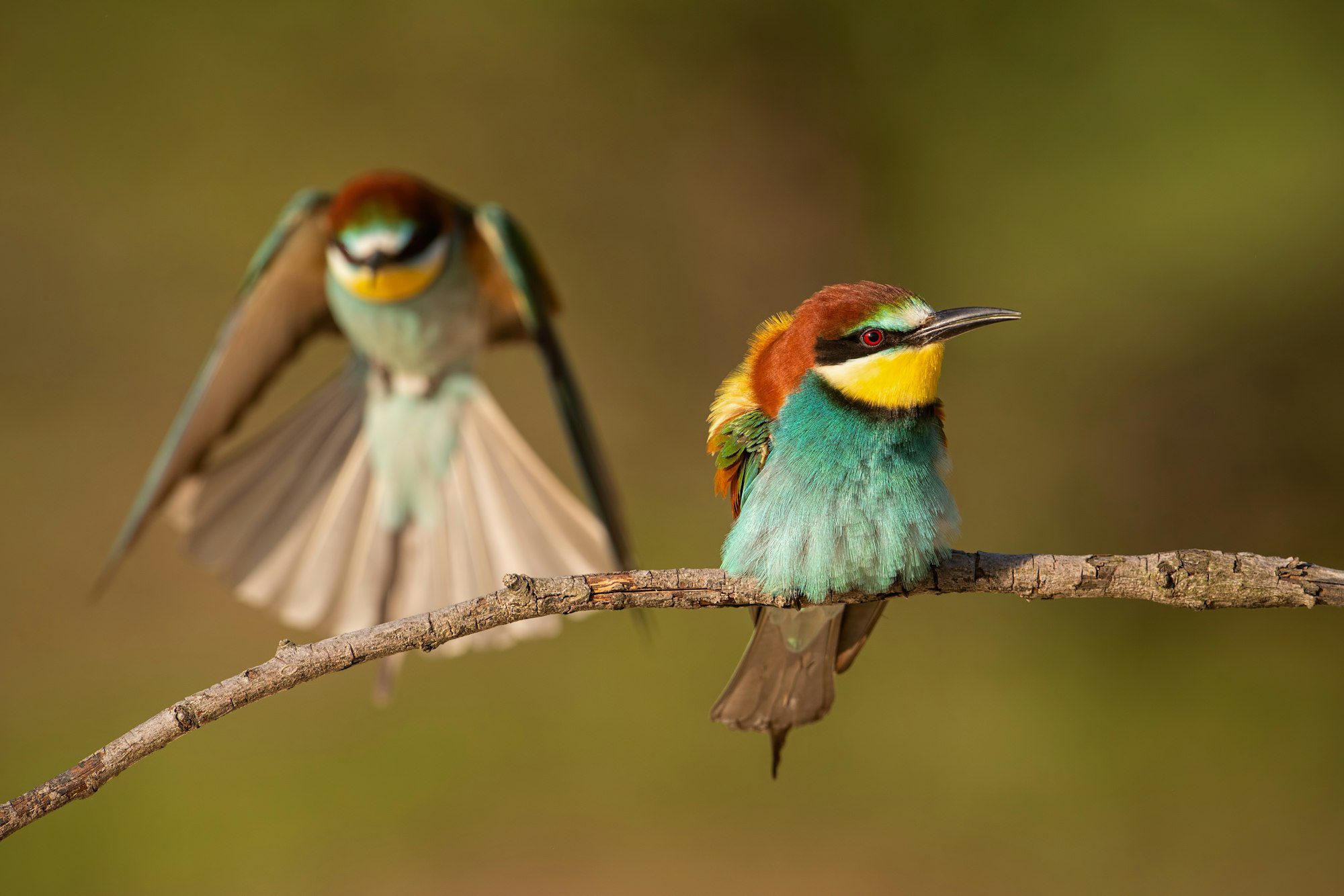
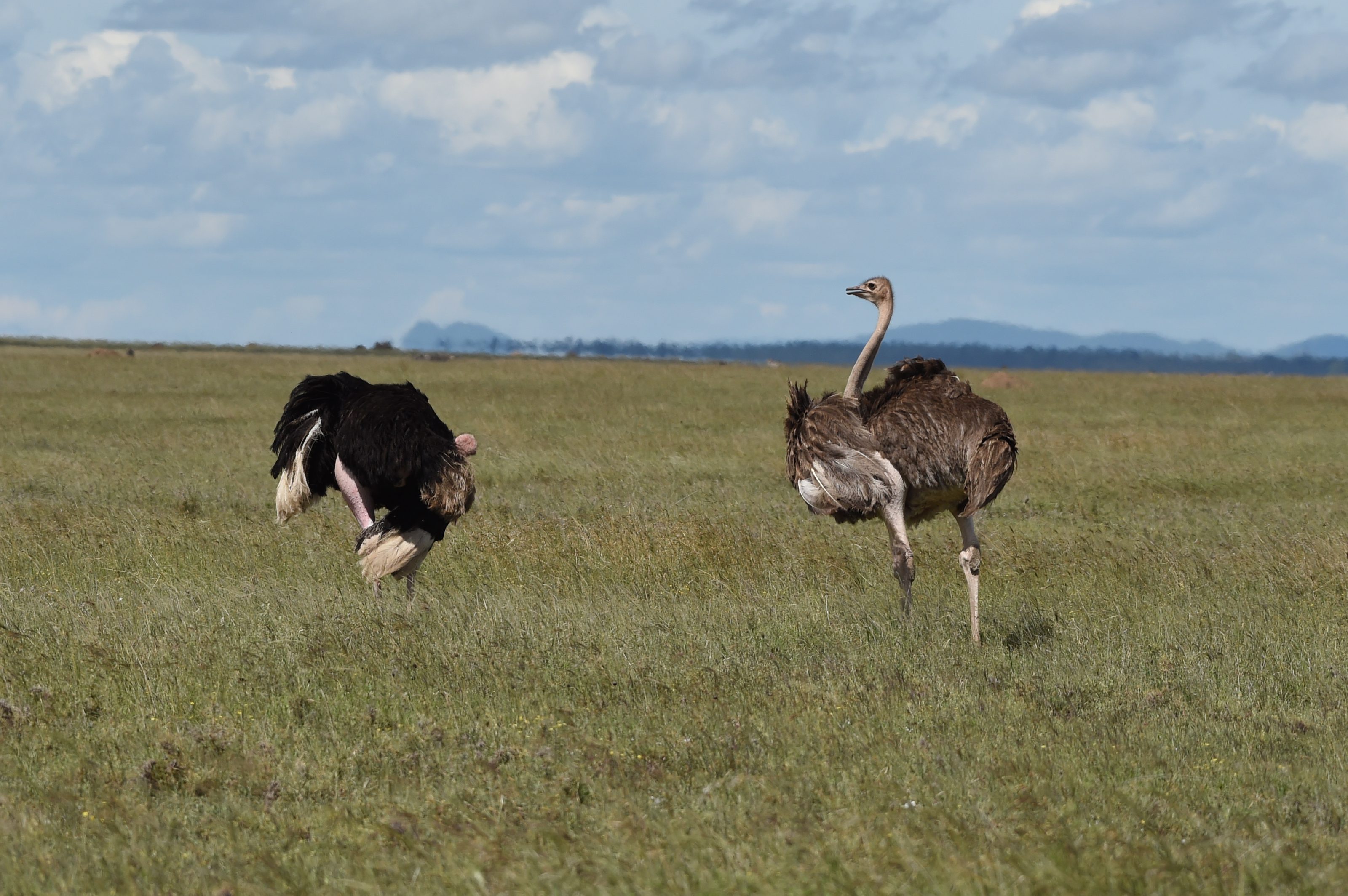
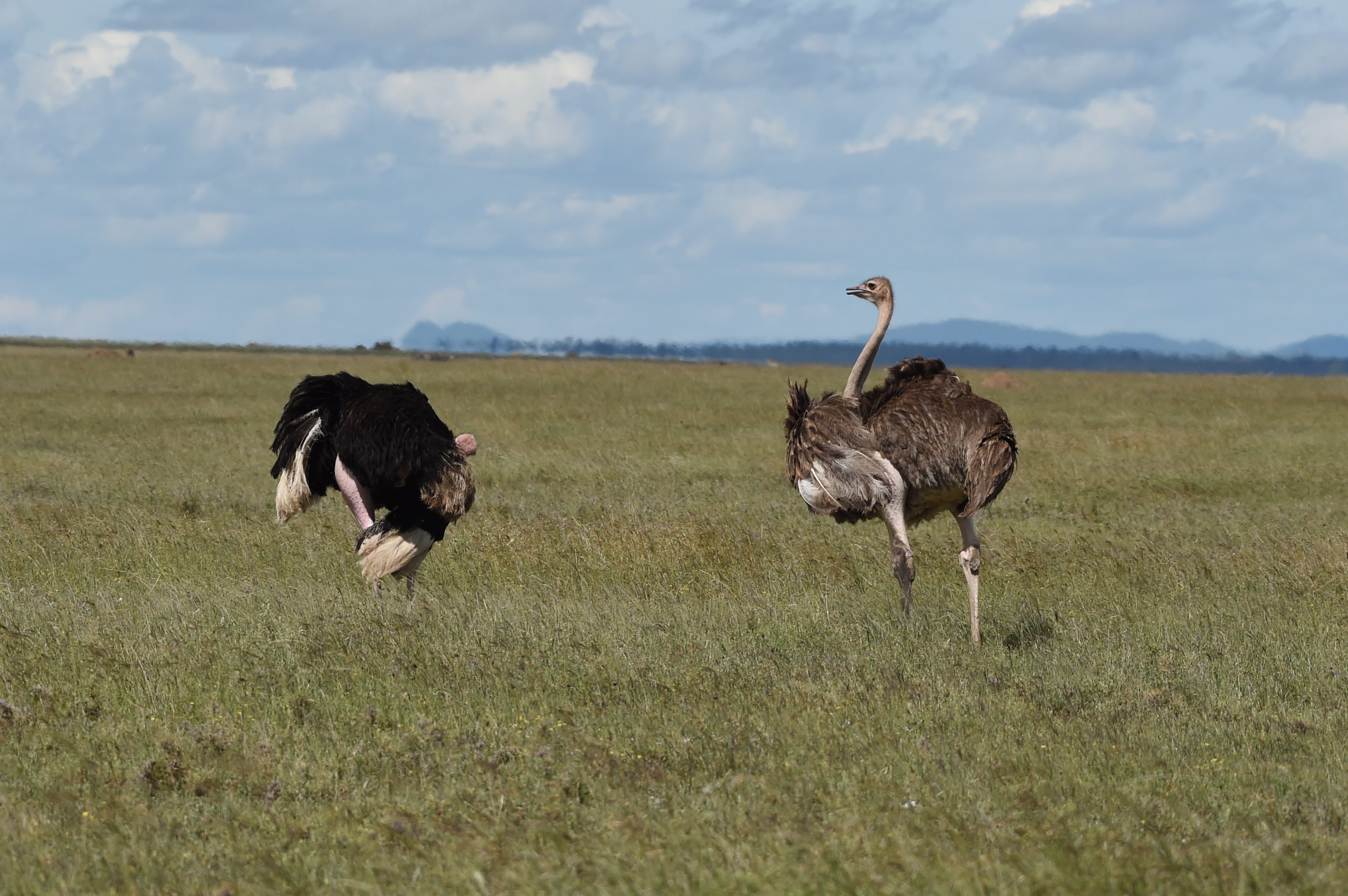
- Birds: Over 500 species, from the massive ostrich to the tiny beautiful sunbird. Secretary birds, martial eagles, and vulture species are commonly spotted.
Serengeti Regions and Where to Stay
The Serengeti is divided into distinct zones, each with different character and wildlife:
Central Serengeti (Seronera)
The most accessible and visited area. Year-round resident wildlife including lion prides, leopards in the Seronera River valley, and large herds of resident game. Best for first-time visitors and short stays. Has the most accommodation options from budget camping to mid-range lodges.
Southern Serengeti (Ndutu & Short-Grass Plains)
The calving grounds — where the migration's calving season unfolds from December to March. Flat, treeless plains stretching to the horizon. Predator action is intense during calving. Limited accommodation — mostly seasonal camps.
Western Corridor (Grumeti)
Where the migration passes through in June–July. The Grumeti River hosts crossings similar to (but smaller than) the famous Mara crossings. Home to large crocodiles and hippo pods. Some exclusive concessions with luxury lodges.
Northern Serengeti (Kogatende & Lamai)
The staging area for the spectacular Mara River crossings from July to October. Remote and exclusive, with fewer lodges and a genuine wilderness atmosphere. This is where the Serengeti feels most wild and least crowded.
Best Time to Visit the Serengeti
The Serengeti rewards visitors year-round, but timing your visit to a specific area and season makes a significant difference. See our detailed month-by-month Serengeti timing guide for the complete breakdown.
- Peak wildlife viewing: July–October (dry season)
- Migration calving: January–February (southern Serengeti)
- River crossings: Late July–September (northern Serengeti)
- Best value: April–May (green season, lowest prices)
- Best photography: January–March (green landscapes, dramatic skies)
Getting to the Serengeti
By road from Arusha: 7–8 hours via the Ngorongoro Conservation Area. This is the standard approach for northern circuit safaris. The drive through Ngorongoro is scenic and you can game-drive en route.
By light aircraft: Daily scheduled flights from Arusha to multiple Serengeti airstrips (1–1.5 hours). This saves a full driving day and is recommended for itineraries of 10+ days or for connecting to southern parks. Airlines include Coastal Aviation and Auric Air.
Serengeti Park Fees
- Adult entry: $82.60 per person per 24 hours
- Children (5–15): $23.60 per 24 hours
- Vehicle fee: Included in operator packages
- Camping fees: $30 (public campsite) to $50 (special campsite) per person per night
These fees are included in all safari packages from reputable operators. See our complete cost guide for full pricing breakdowns.
Activities in the Serengeti
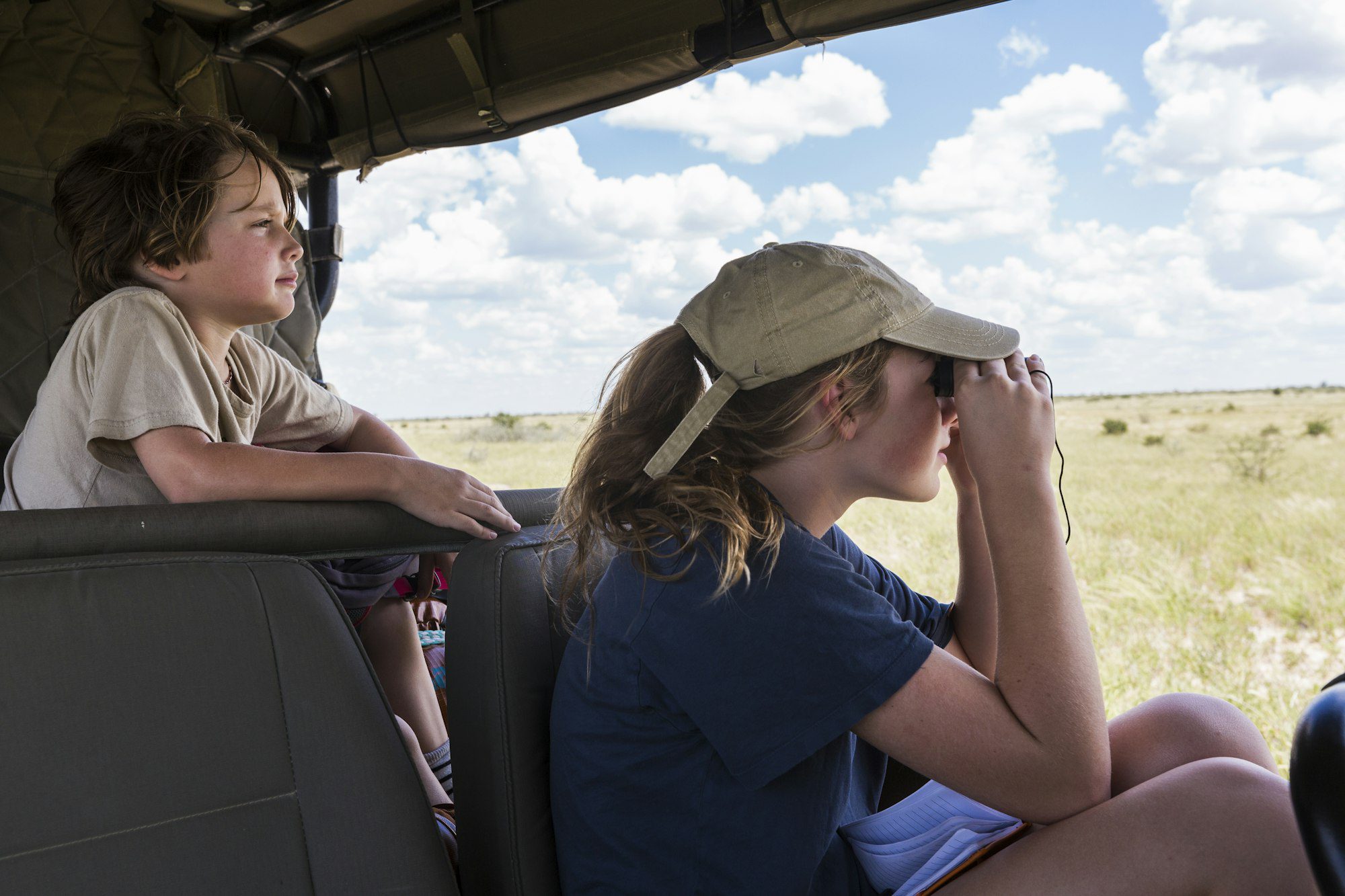
- Game drives: The core safari activity. Morning (6:30 AM–noon) and afternoon (3:30 PM–6:30 PM) drives with your guide.
- Hot air balloon safari: Sunrise flights over the plains with champagne breakfast on landing. $550–$650 per person. Read our balloon safari guide.
- Walking safaris: Available in specific areas with armed ranger escort. A completely different perspective on the bush.
- Cultural visits: Maasai villages near the park boundaries offer cultural experiences.
Plan Your Serengeti Safari
The Serengeti is the centerpiece of every Tanzania safari we design. Whether you have 3 days or 3 weeks, we'll craft an itinerary that positions you in the right zone for the best wildlife action during your travel dates. Get your free custom Serengeti itinerary.