Tanzania: A Photographer's Dream Destination
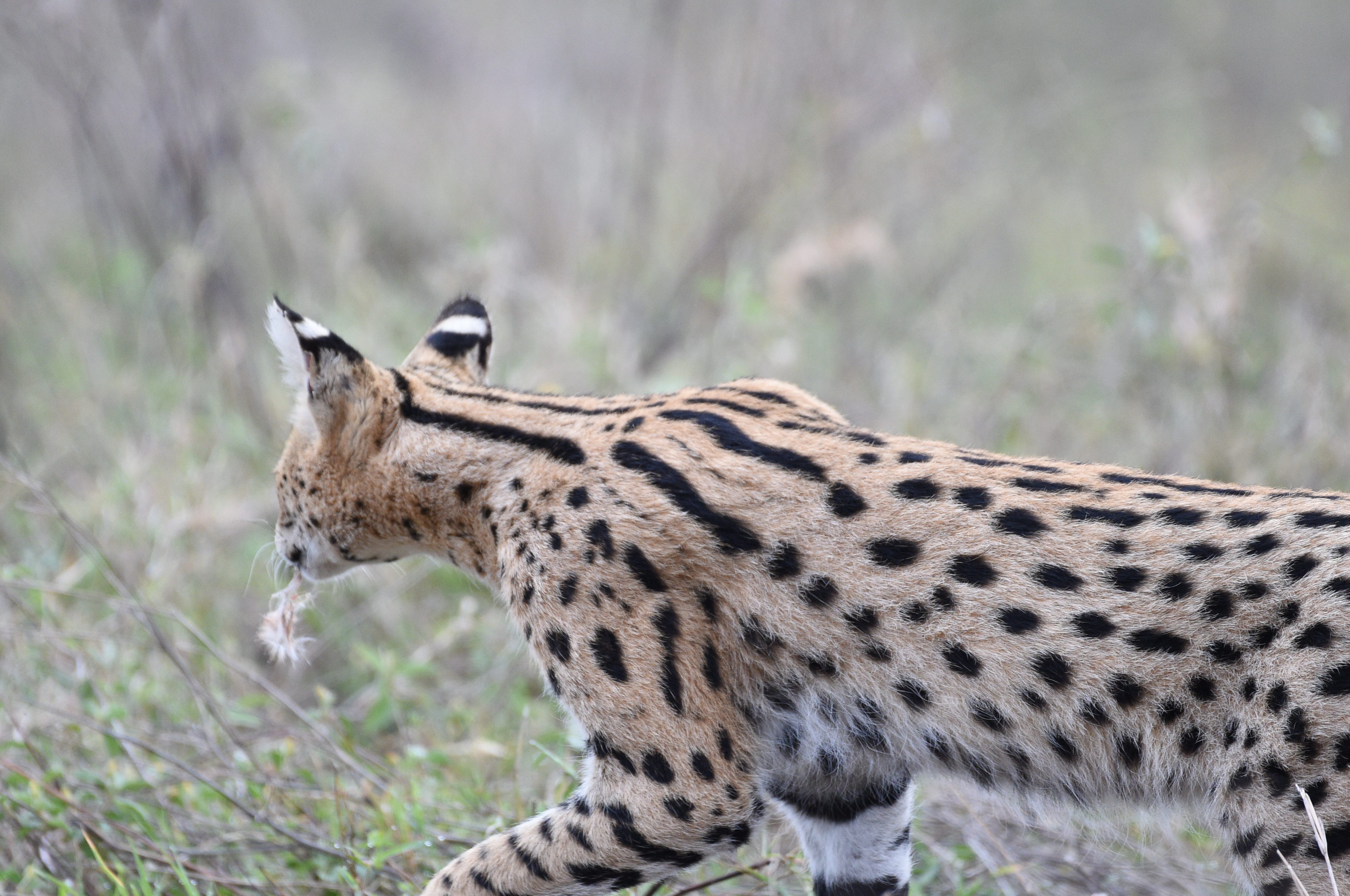
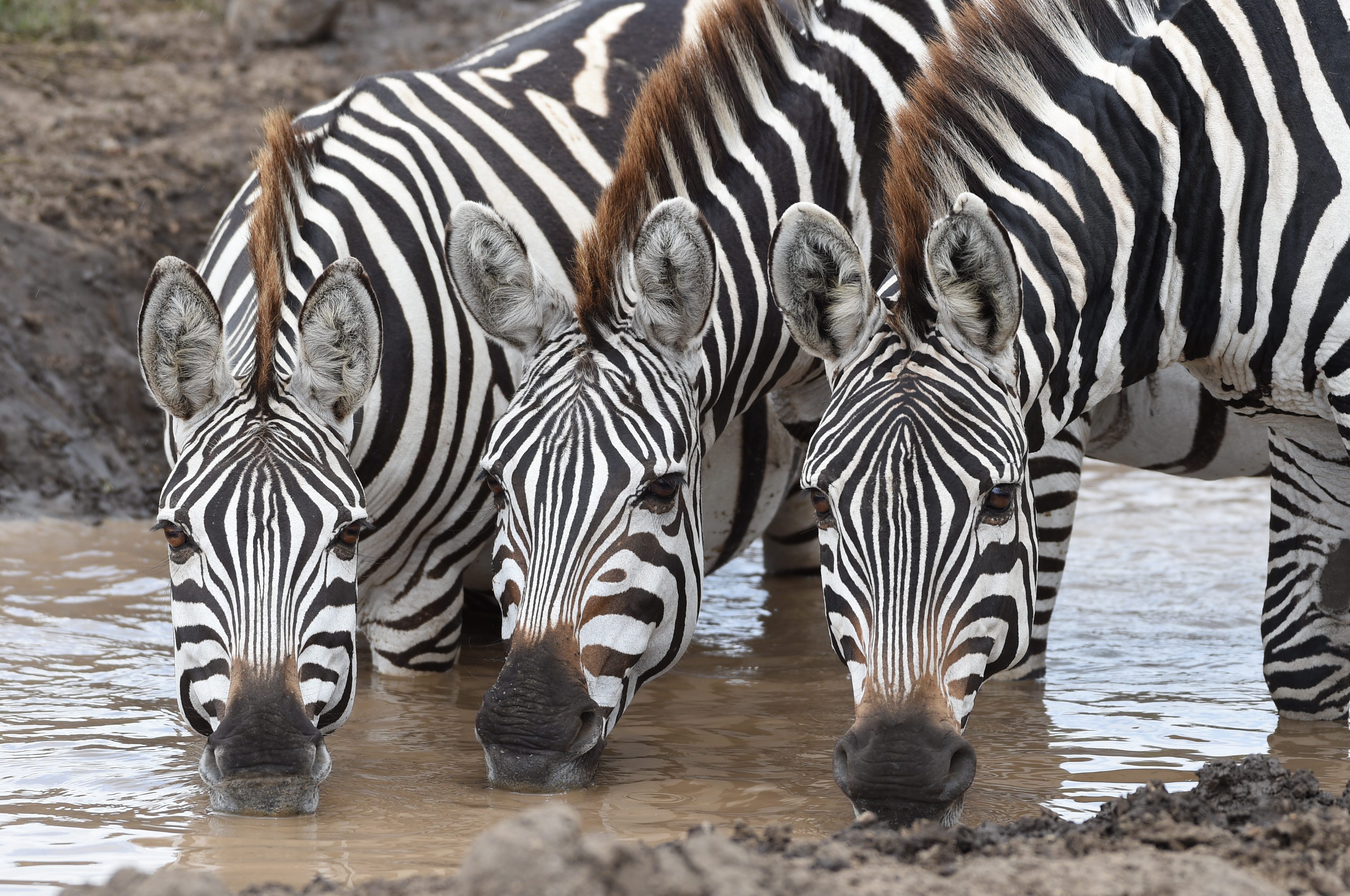
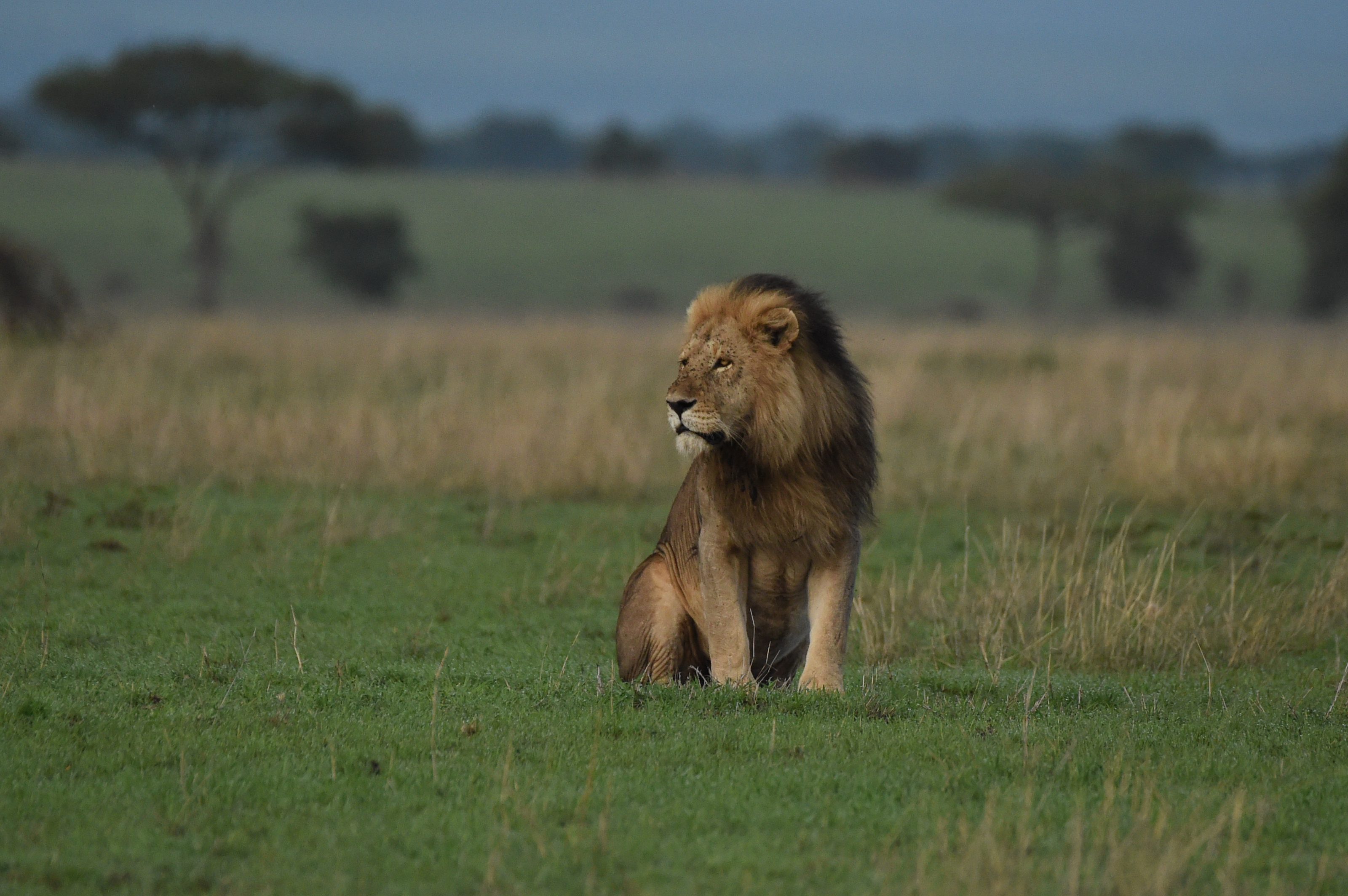
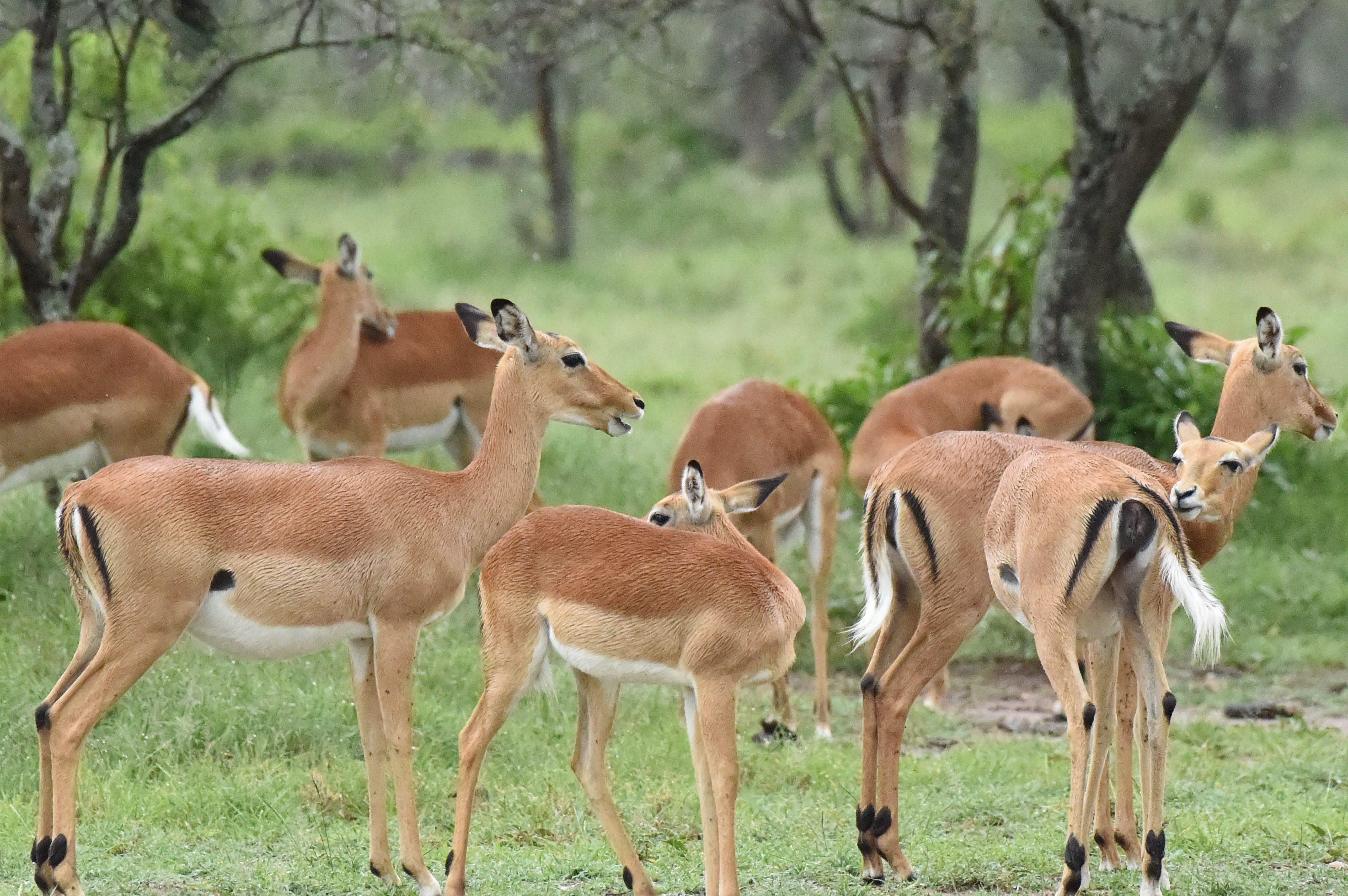
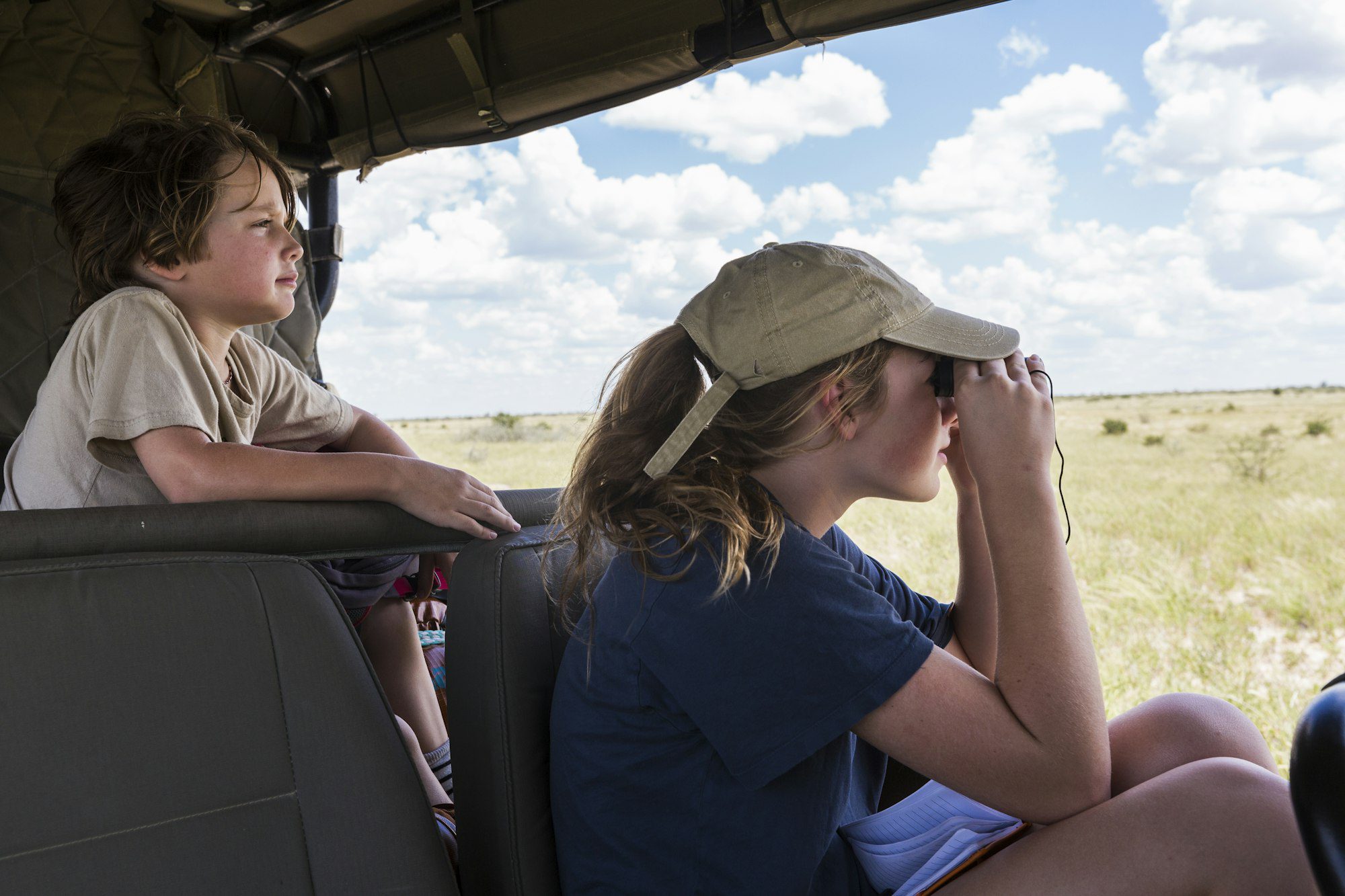
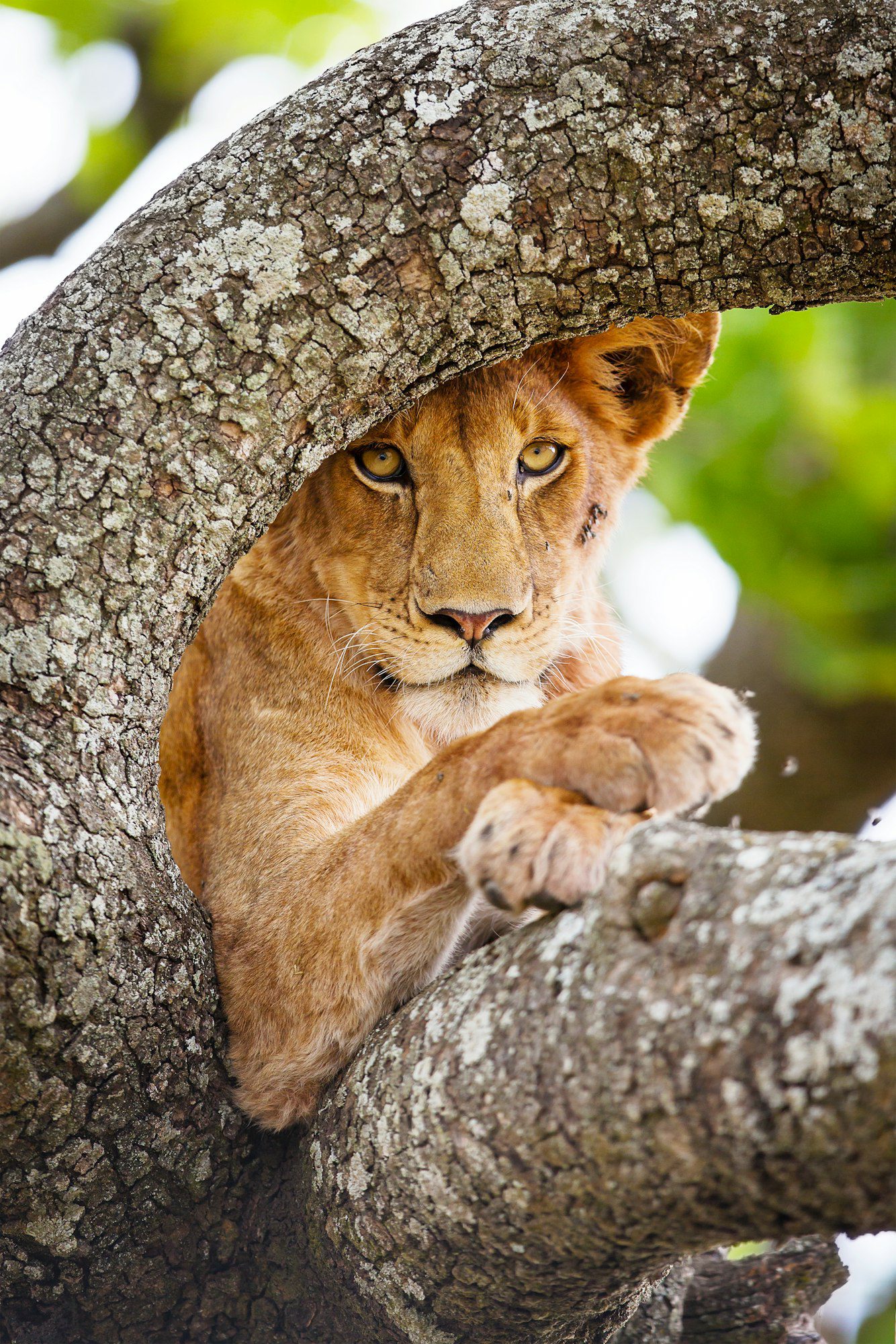
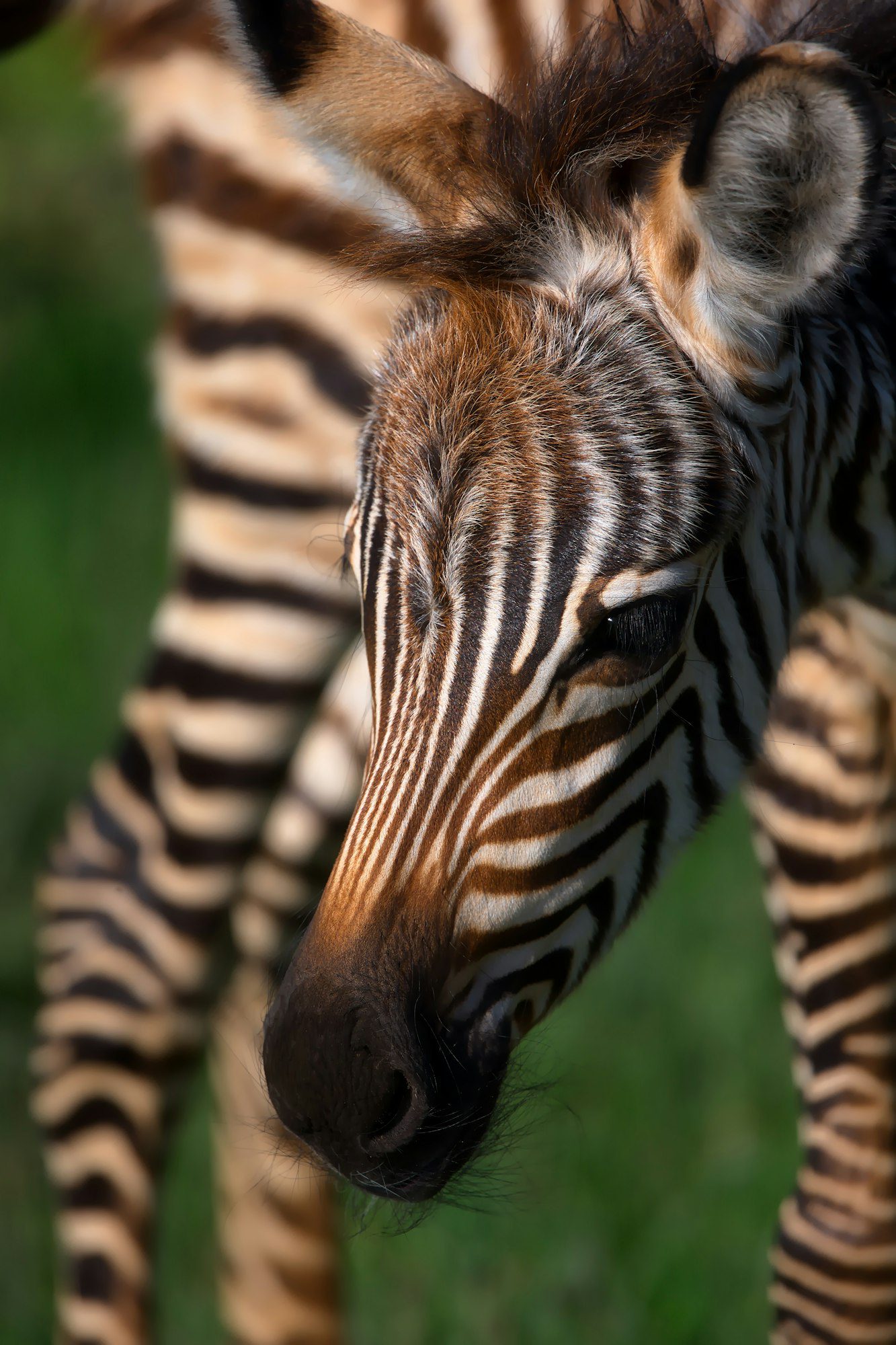
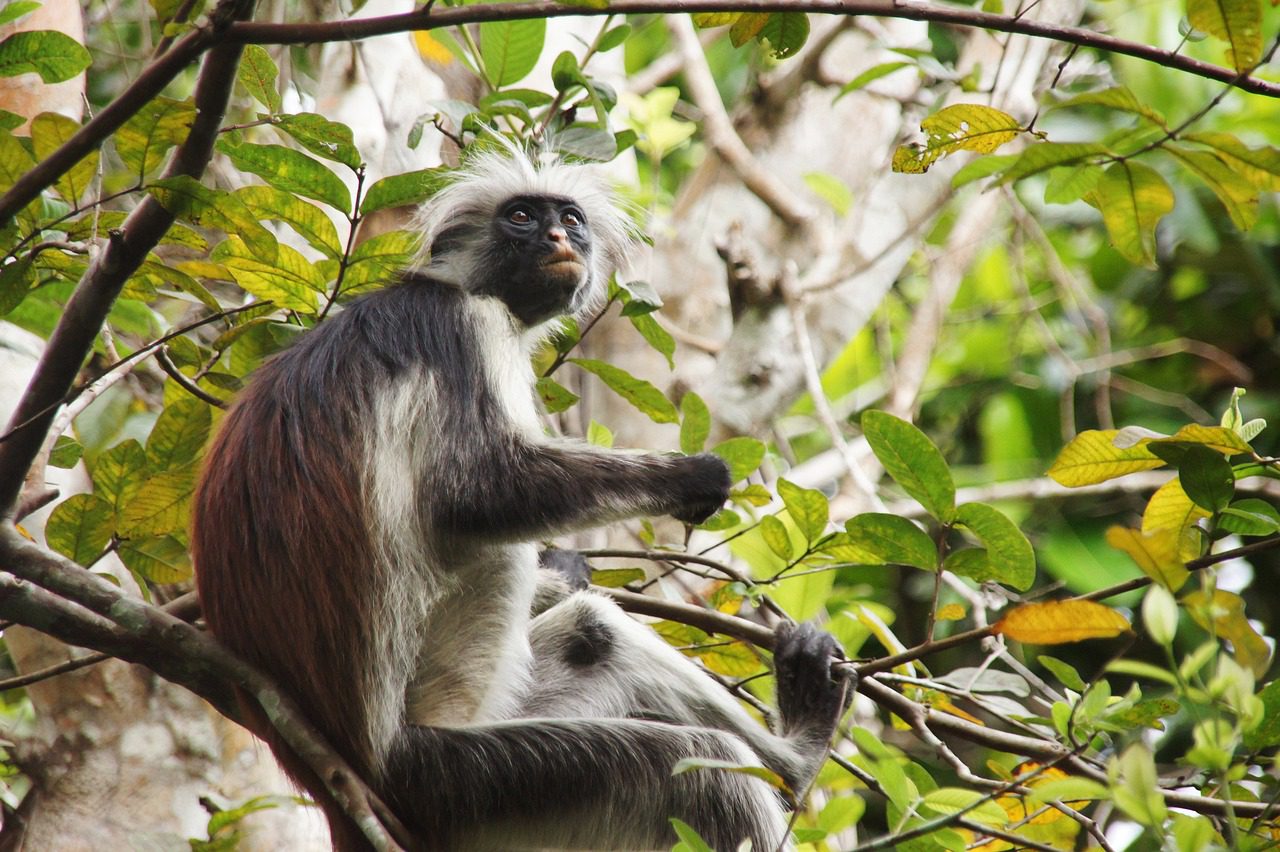
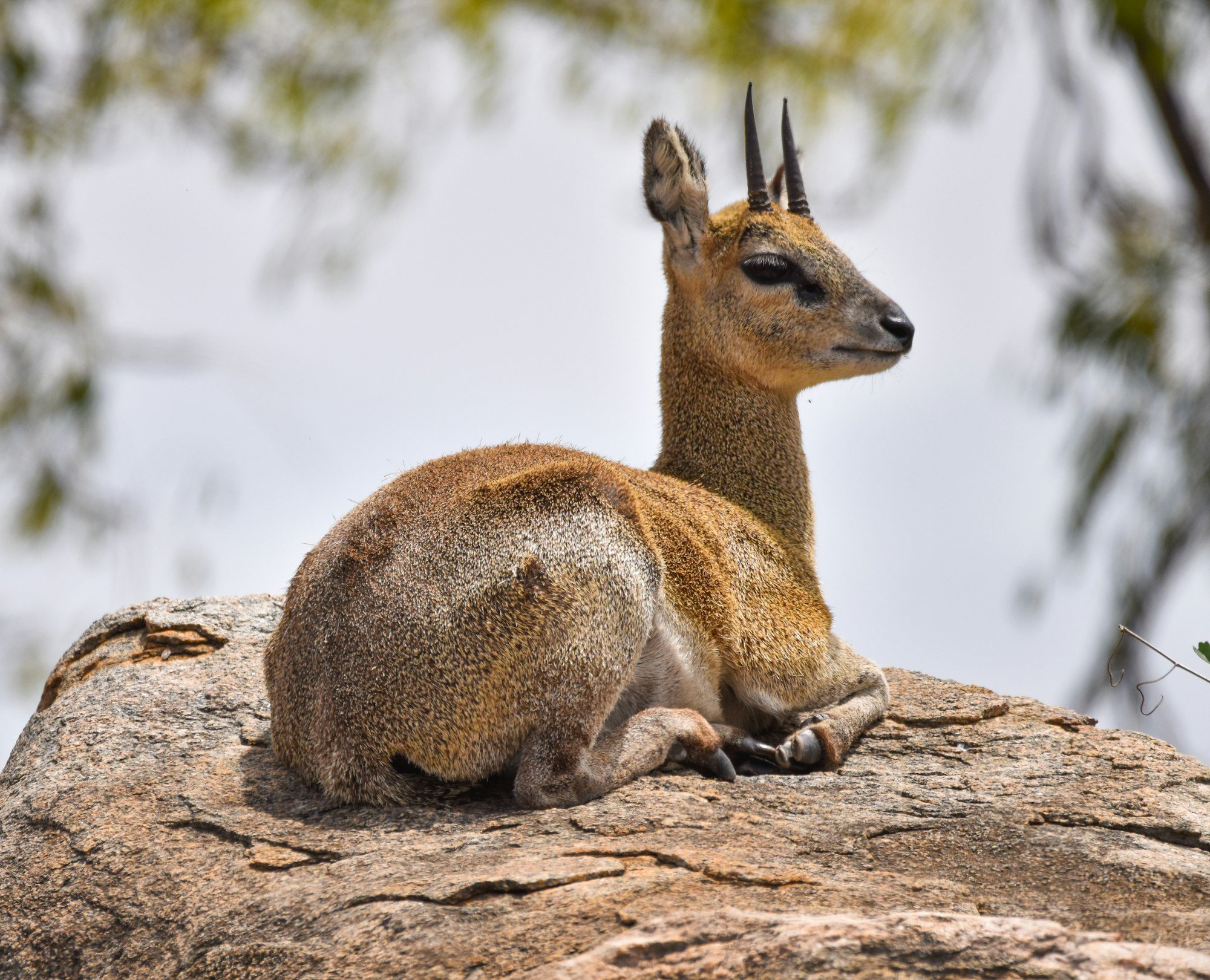
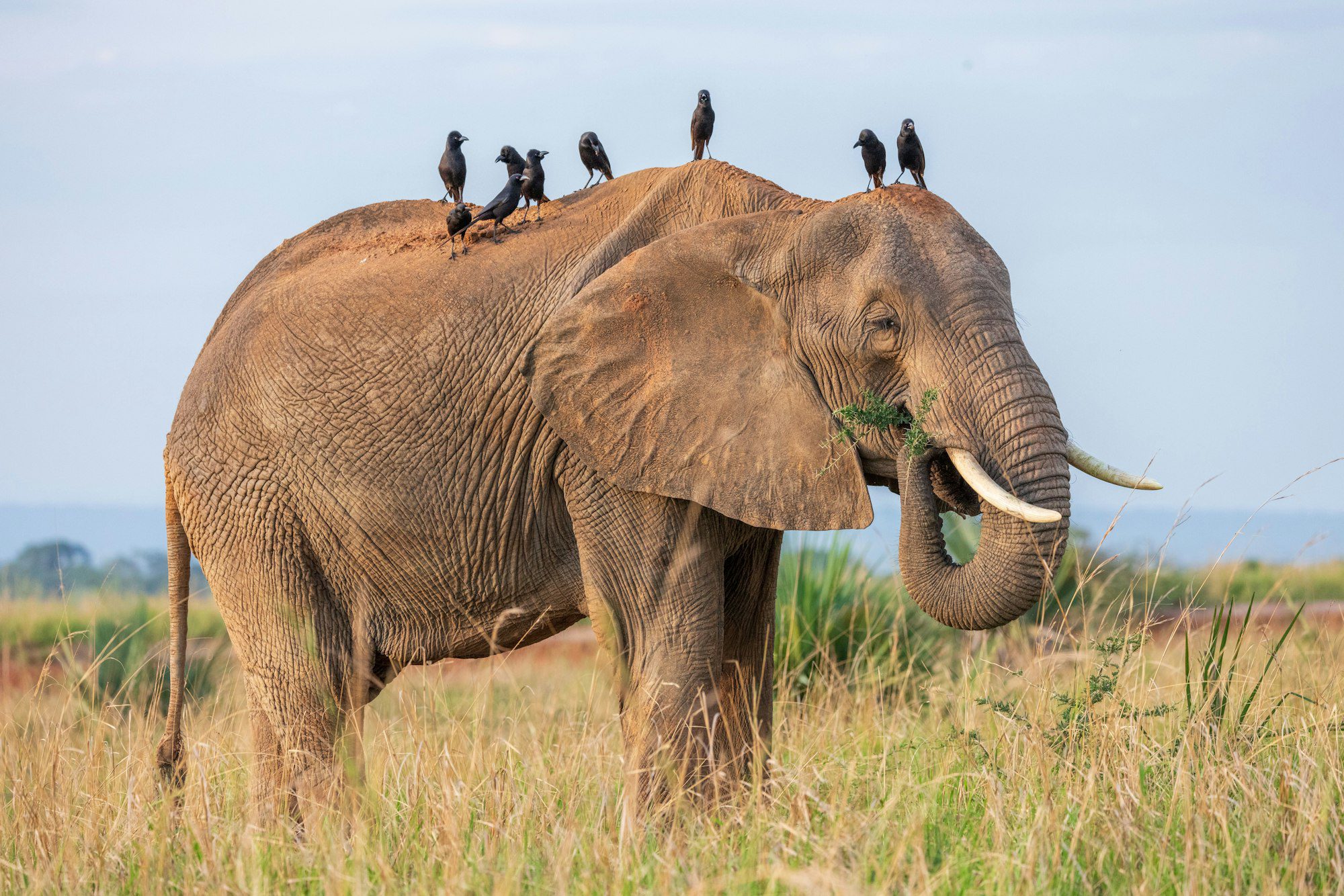
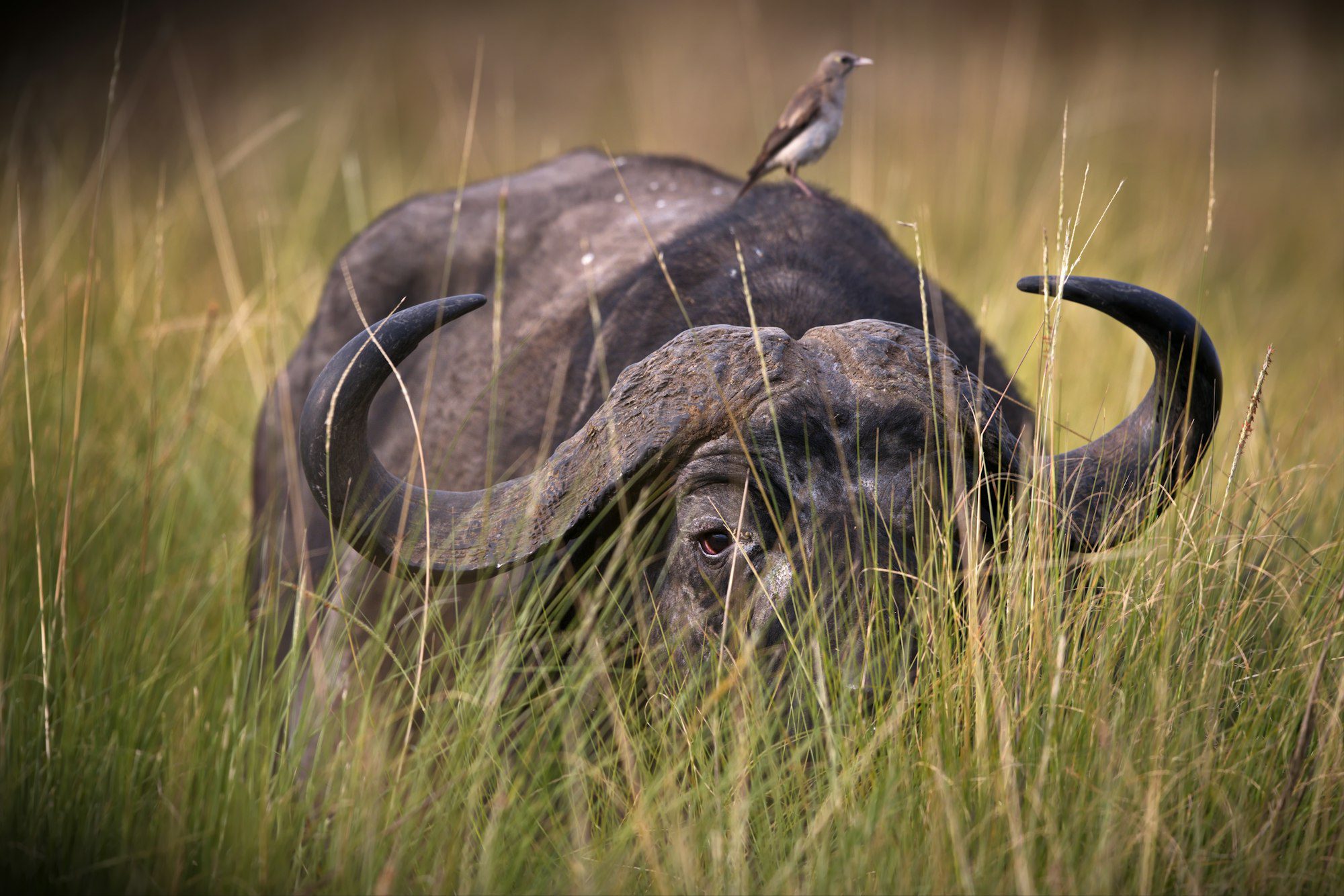
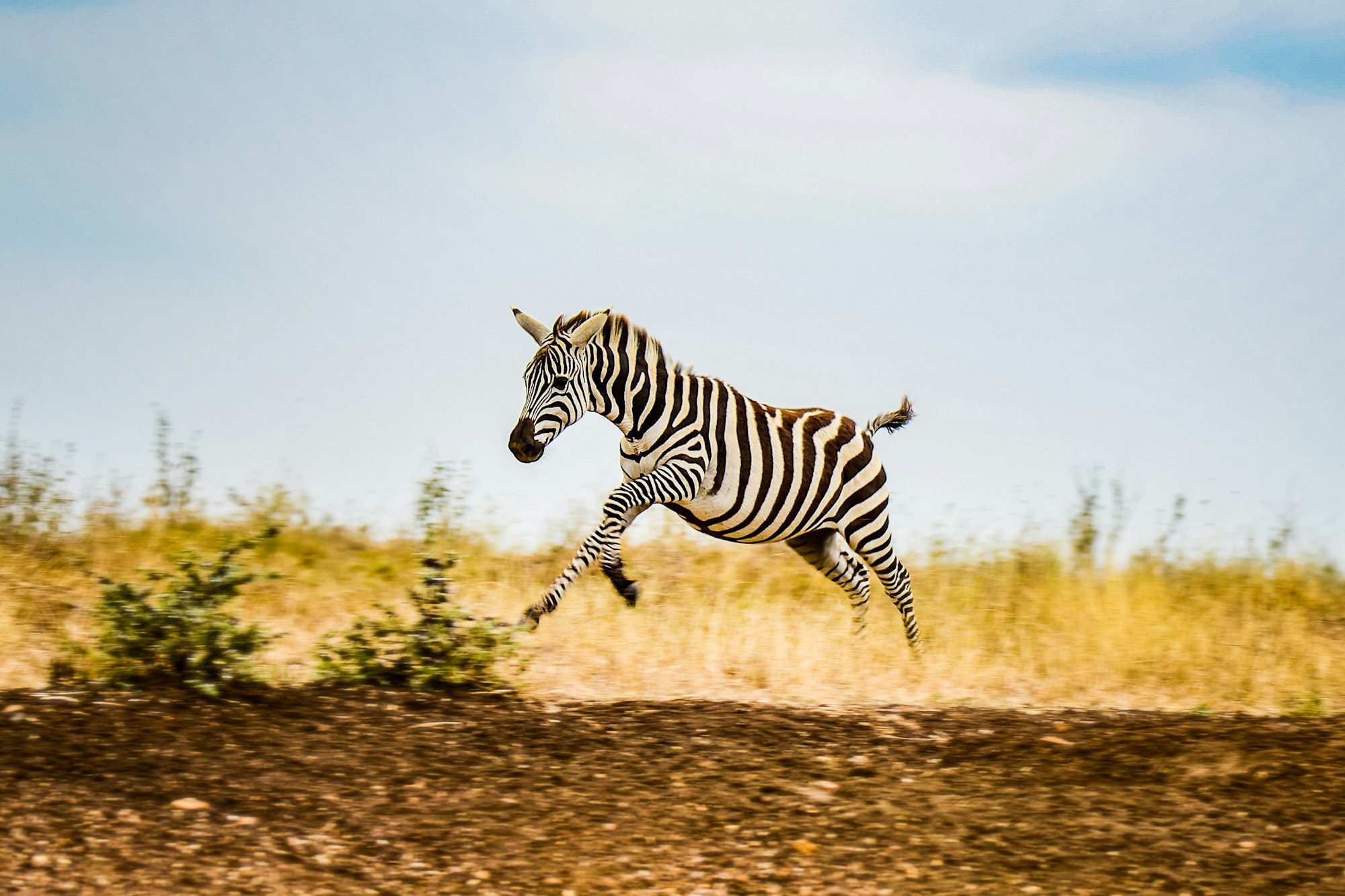
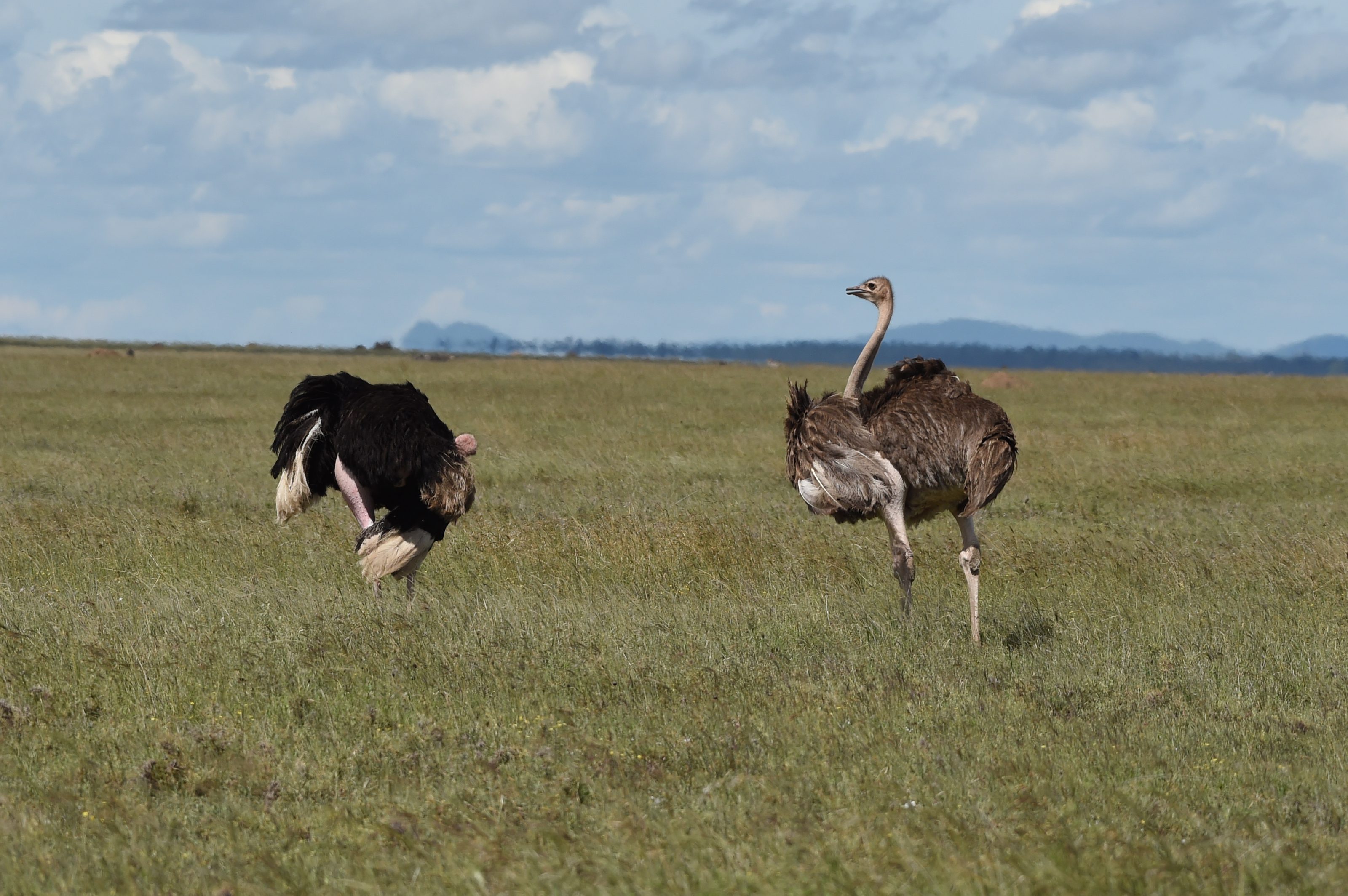
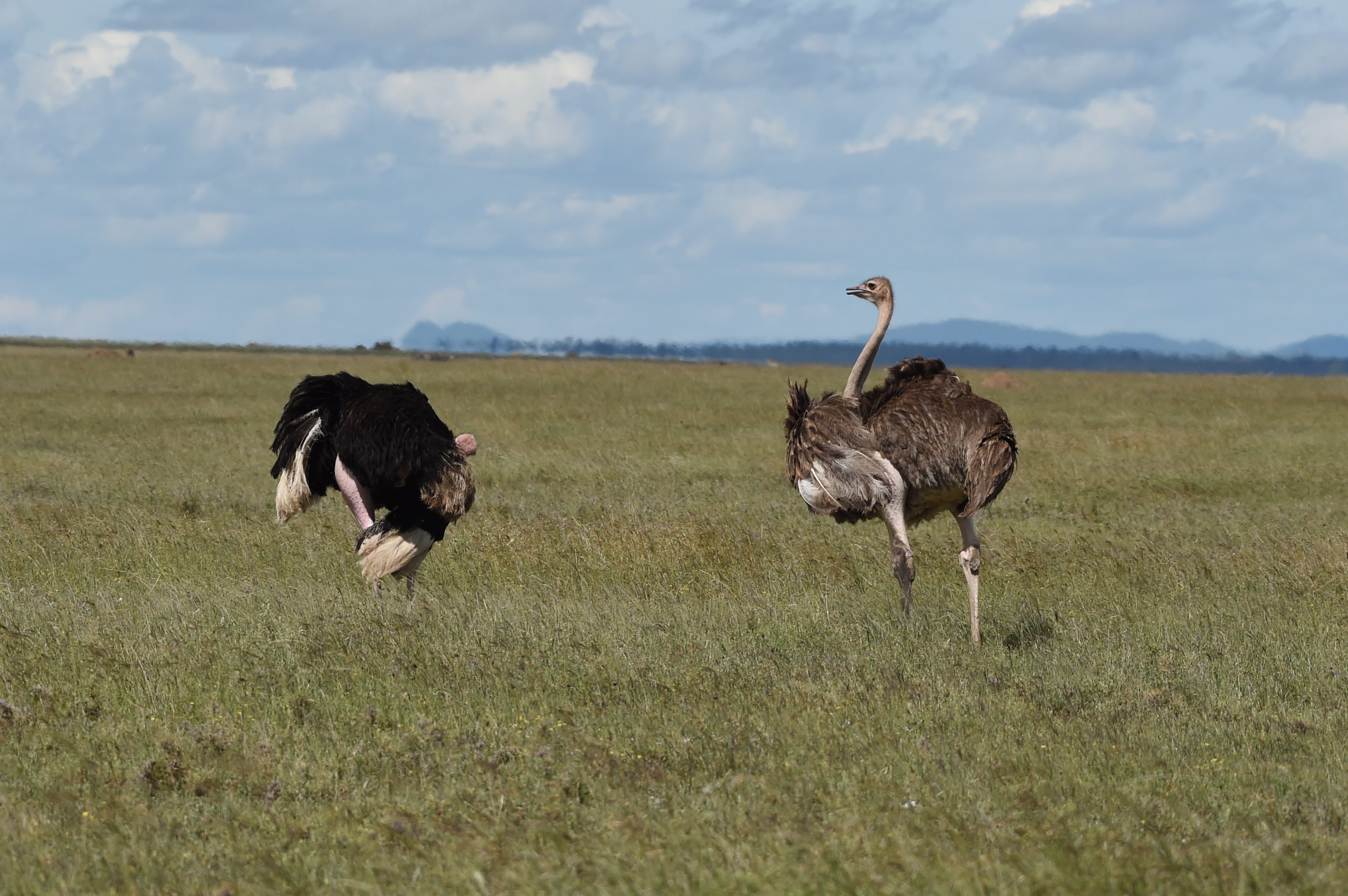
Tanzania is one of the world's best destinations for wildlife photography. The Serengeti's open plains allow unobstructed shots of predators on the hunt, the Ngorongoro Crater provides dramatic backdrops for Big Five portraits, and the sheer density of wildlife means you're constantly composing the next shot. Here's everything you need to know to make the most of your photography safari.
Essential Camera Gear
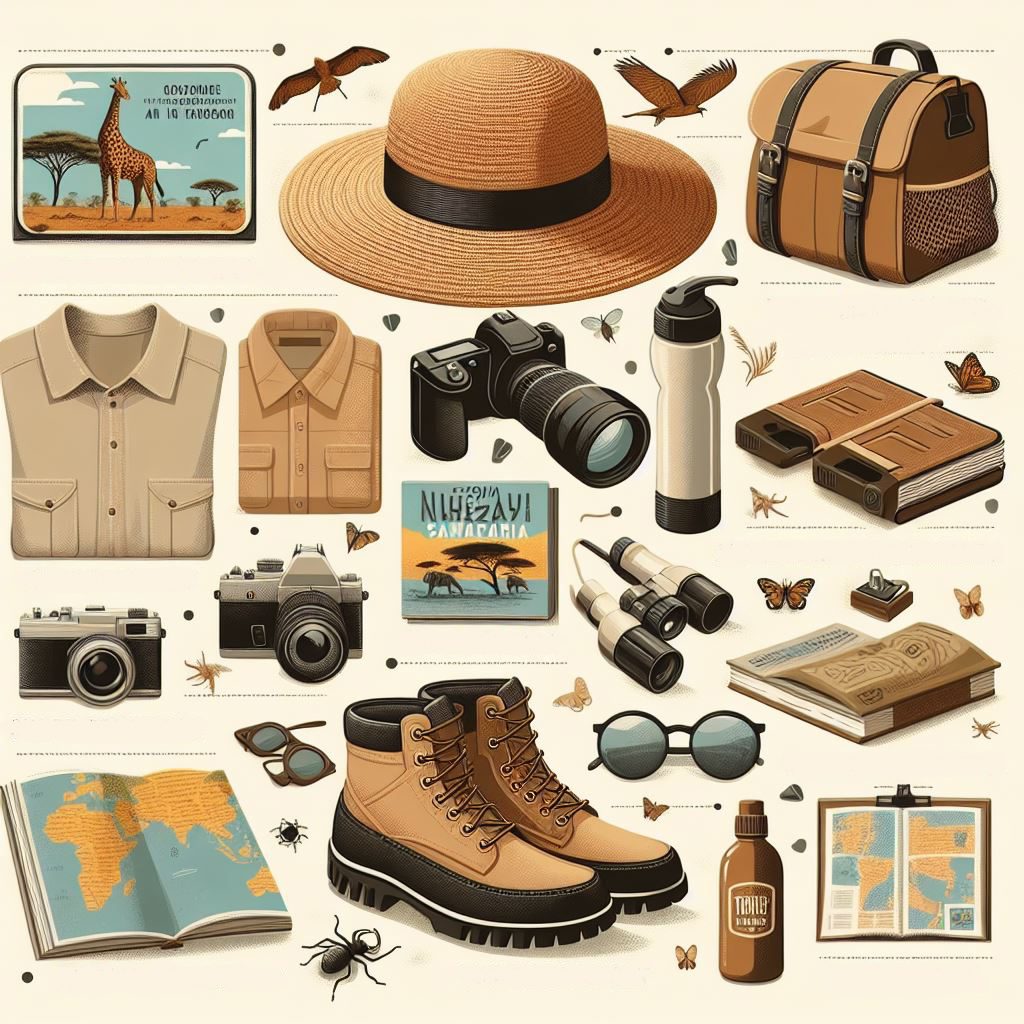
- Camera body: Any modern mirrorless or DSLR with fast autofocus and good high-ISO performance. Popular choices: Sony A7IV/A1, Canon R5/R6, Nikon Z8. Crop-sensor bodies like the Canon R7 or Sony A6700 give extra reach with wildlife lenses.
- Primary lens (100–400mm or 200–600mm): This is your workhorse. Most wildlife is at medium distance — 200–400mm covers 80% of shots. The Sony 200–600mm and Canon 100–500mm are safari favorites for their zoom range and image quality.
- Wide-angle lens (16–35mm): For landscapes, starscapes, vehicle interiors, and those close encounters where a telephoto is too much.
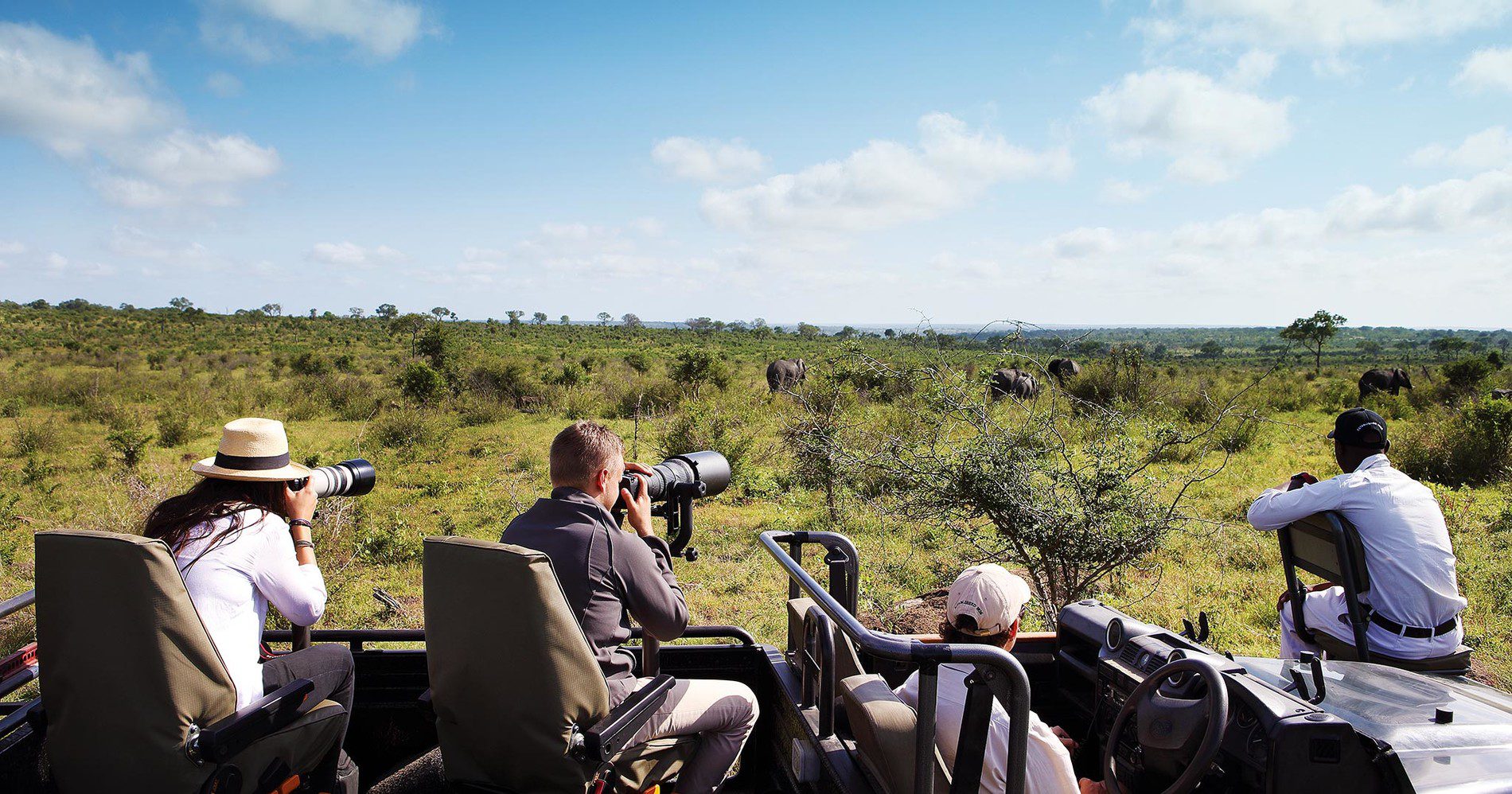
- Beanbag: Essential for stabilizing your telephoto on the vehicle window ledge. Far more practical than a tripod on safari. Fill an empty beanbag with rice or beans at your first camp.
- Memory cards: Bring at least 256GB total. You'll shoot 1,000–3,000 frames per day.
- Extra batteries: At least 3. Cold mornings and continuous shooting drain batteries fast.
- Dust protection: Serengeti dust is invasive. Bring zip-lock bags, a rocket blower, and sensor cleaning supplies. Change lenses inside the vehicle with windows closed.
Camera Settings for Safari
General Wildlife
- Mode: Aperture priority (Av/A) for static subjects; Shutter priority (Tv/S) for action
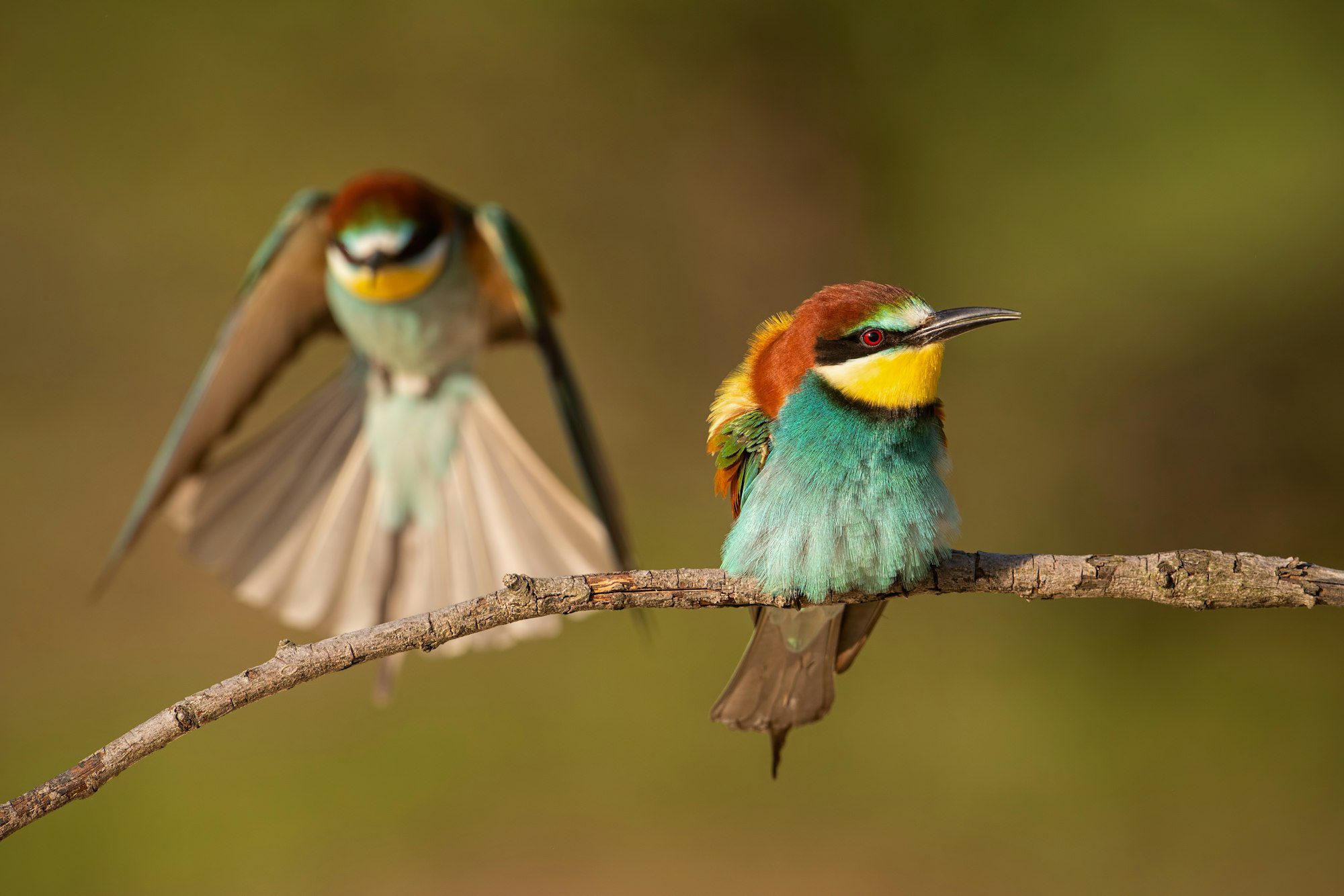
- Shutter speed: Minimum 1/500s for stationary animals, 1/1000s+ for moving subjects, 1/2000s+ for birds in flight
- Aperture: f/5.6–f/8 for sharp wildlife portraits with blurred backgrounds
- ISO: Auto ISO with a maximum of 6400–12800 (depending on your camera's noise performance)
- AF mode: Continuous AF (AI Servo/AF-C) with animal eye detection if available
- Drive mode: Continuous high-speed shooting for action sequences
Golden Hour (Sunrise/Sunset)
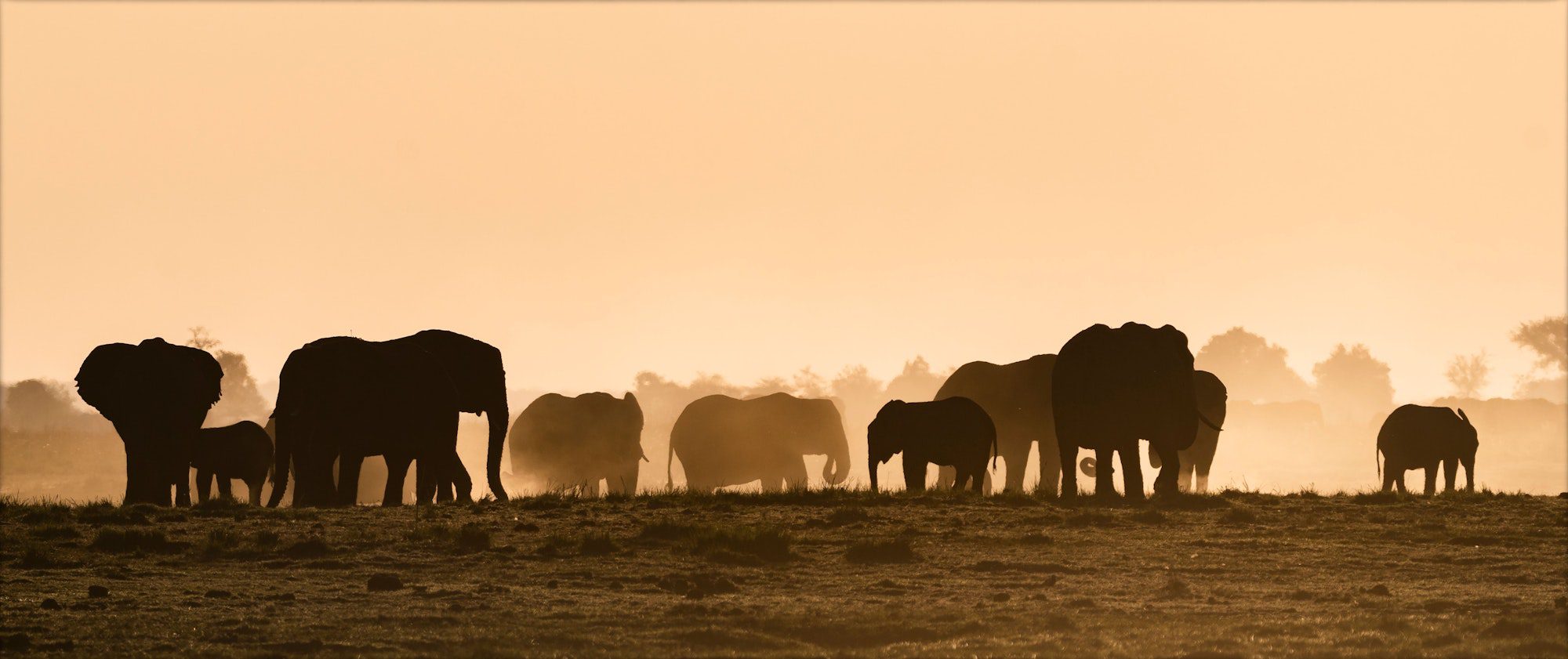
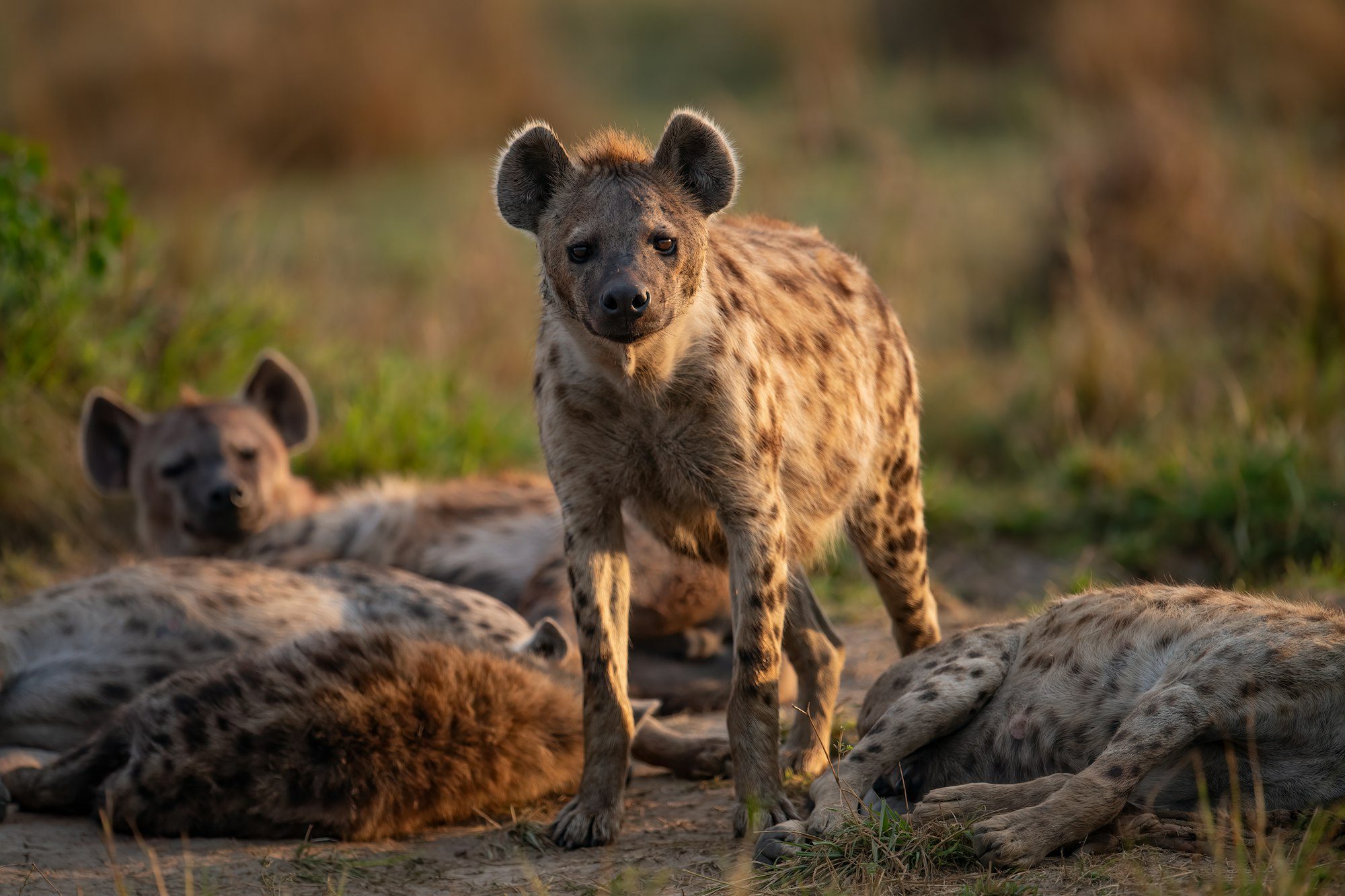
The magic hours are 6:00–7:30 AM and 4:30–6:30 PM. Light is warm, directional, and dramatic. Lower your ISO, open up your aperture, and shoot into or across the light for rim-lit silhouettes and golden wildlife portraits.
Best Locations for Photography
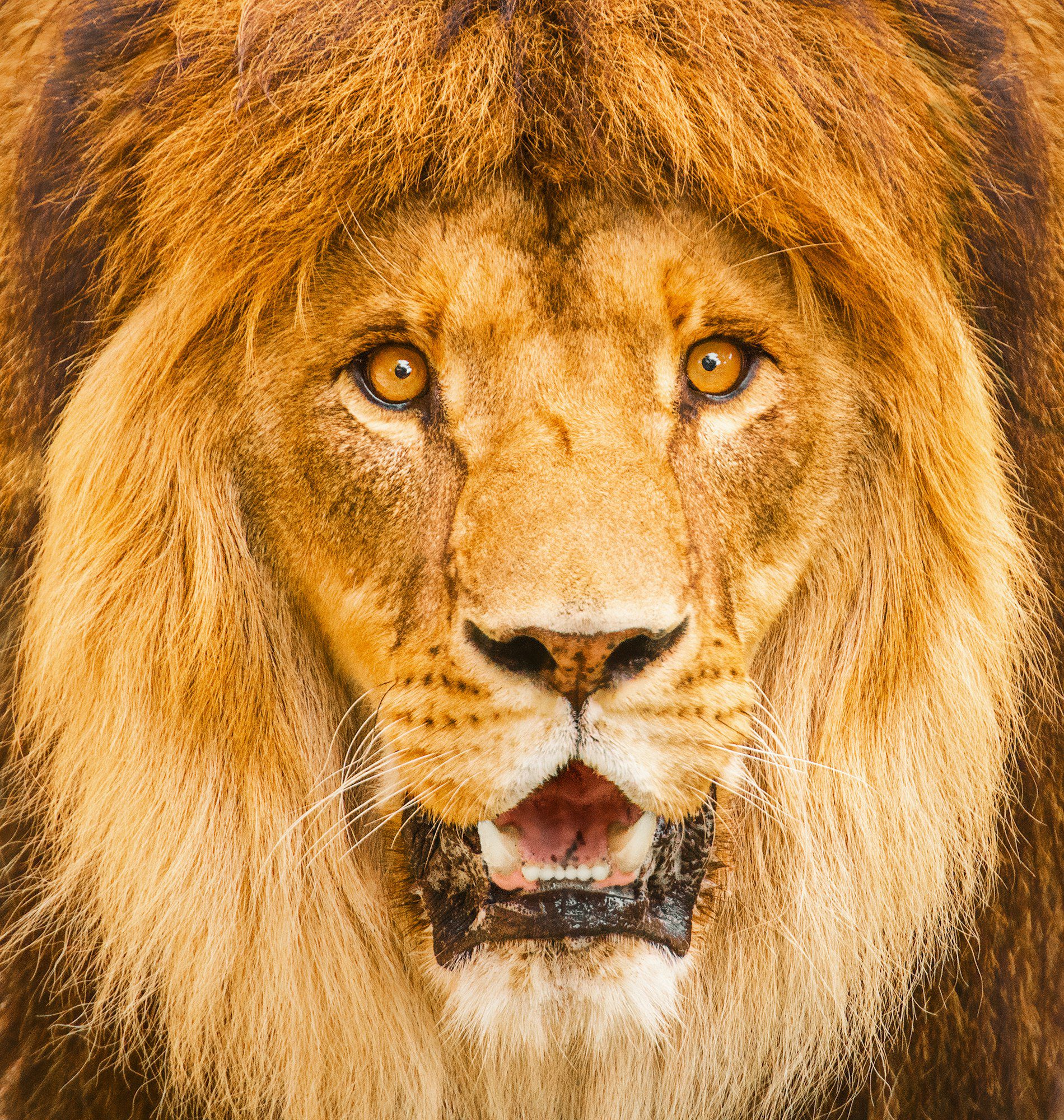
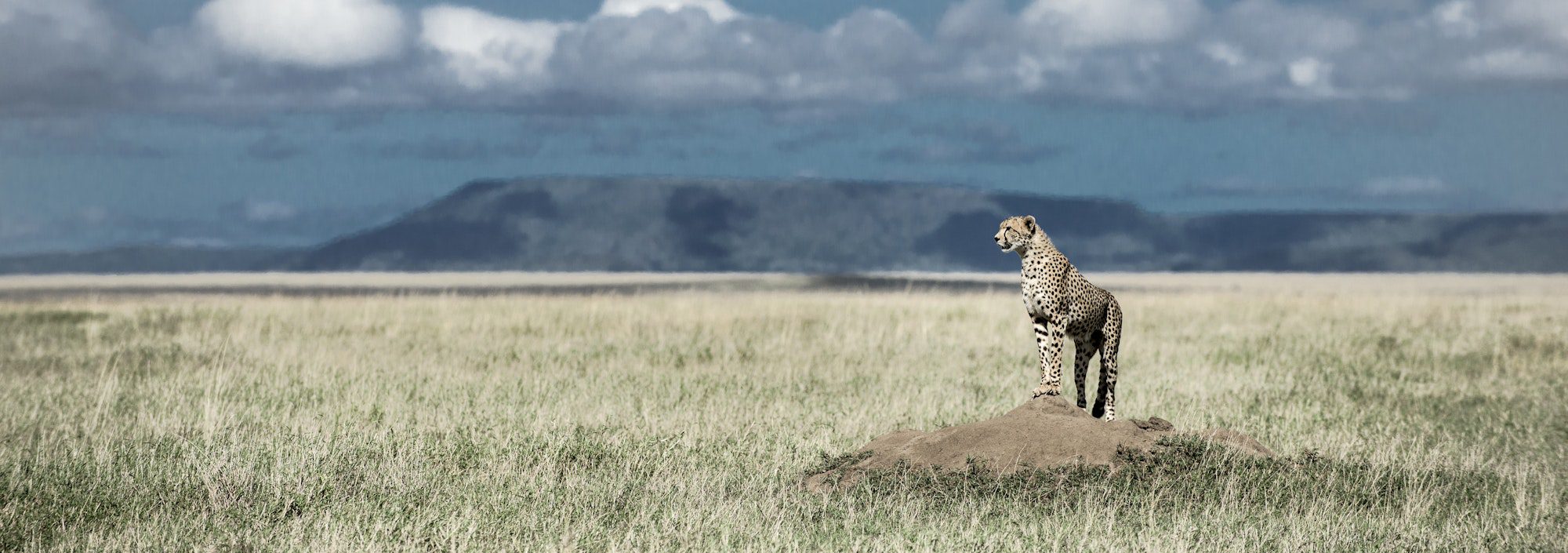
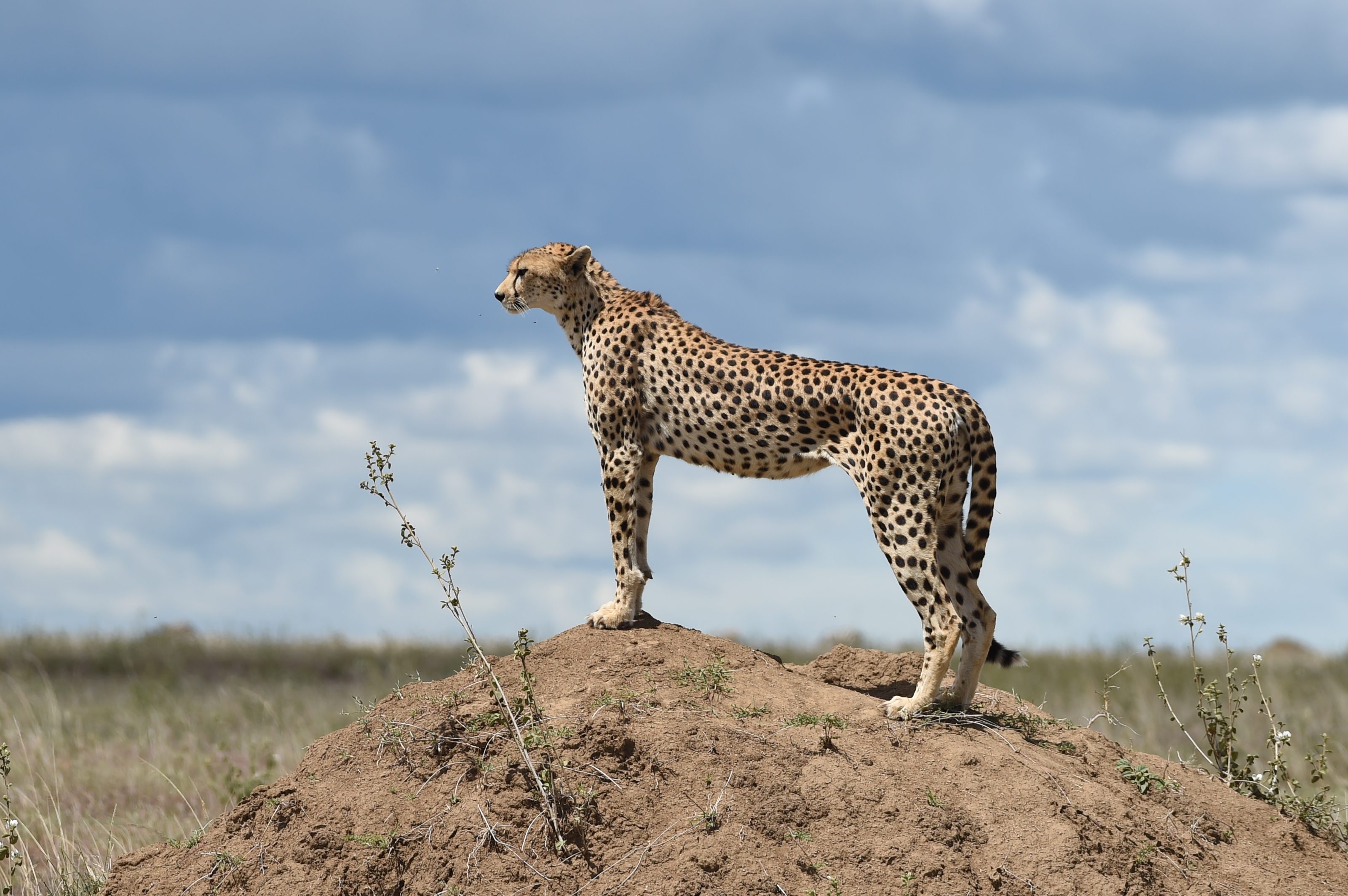
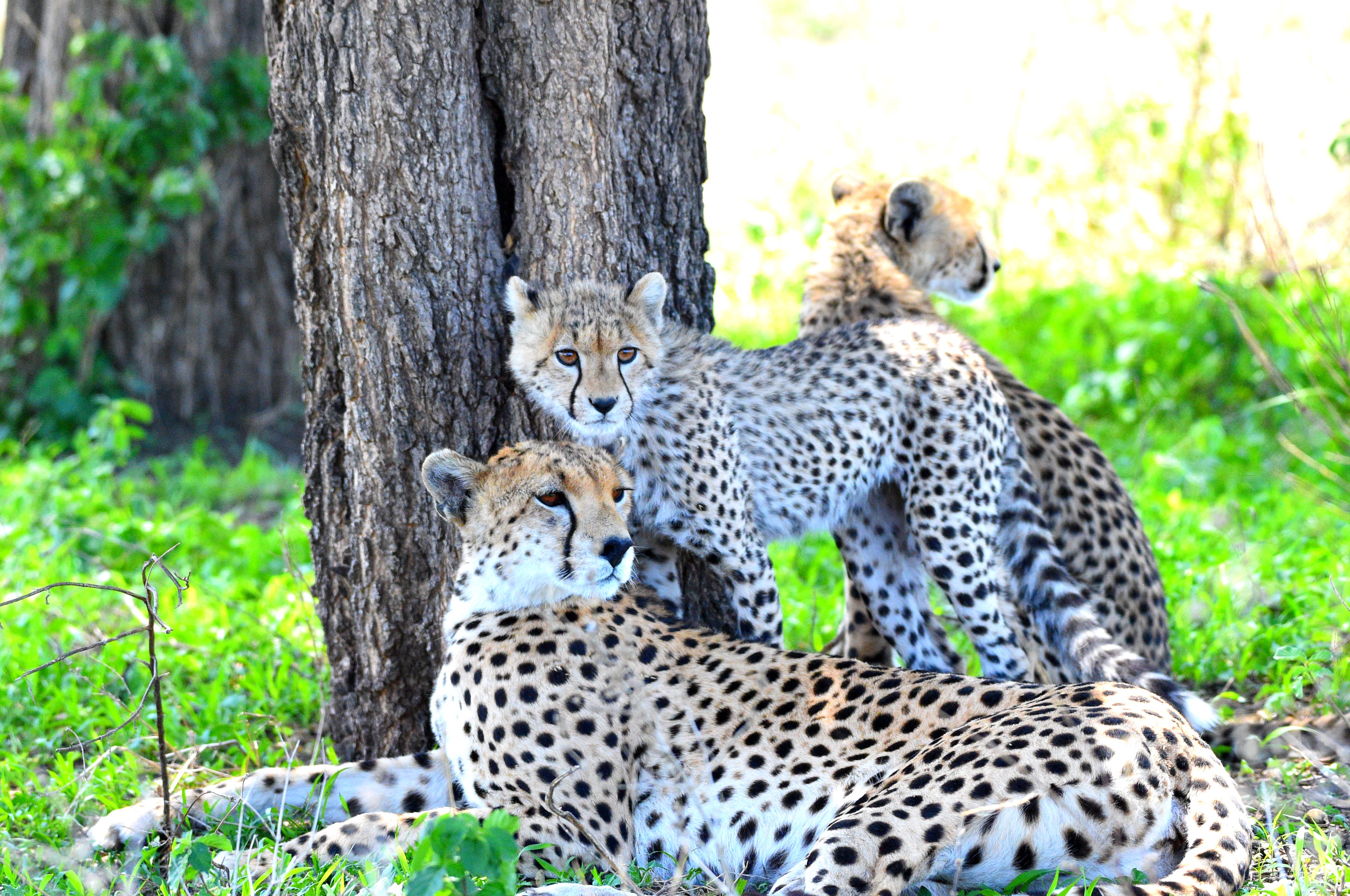
- Serengeti Seronera Valley: Leopard in sausage trees, lion prides, cheetah on termite mounds. Year-round excellence.
- Ndutu (Southern Serengeti): January–March calving. Predator action, baby wildebeest, cheetah hunts on open short-grass plains with clean backgrounds.
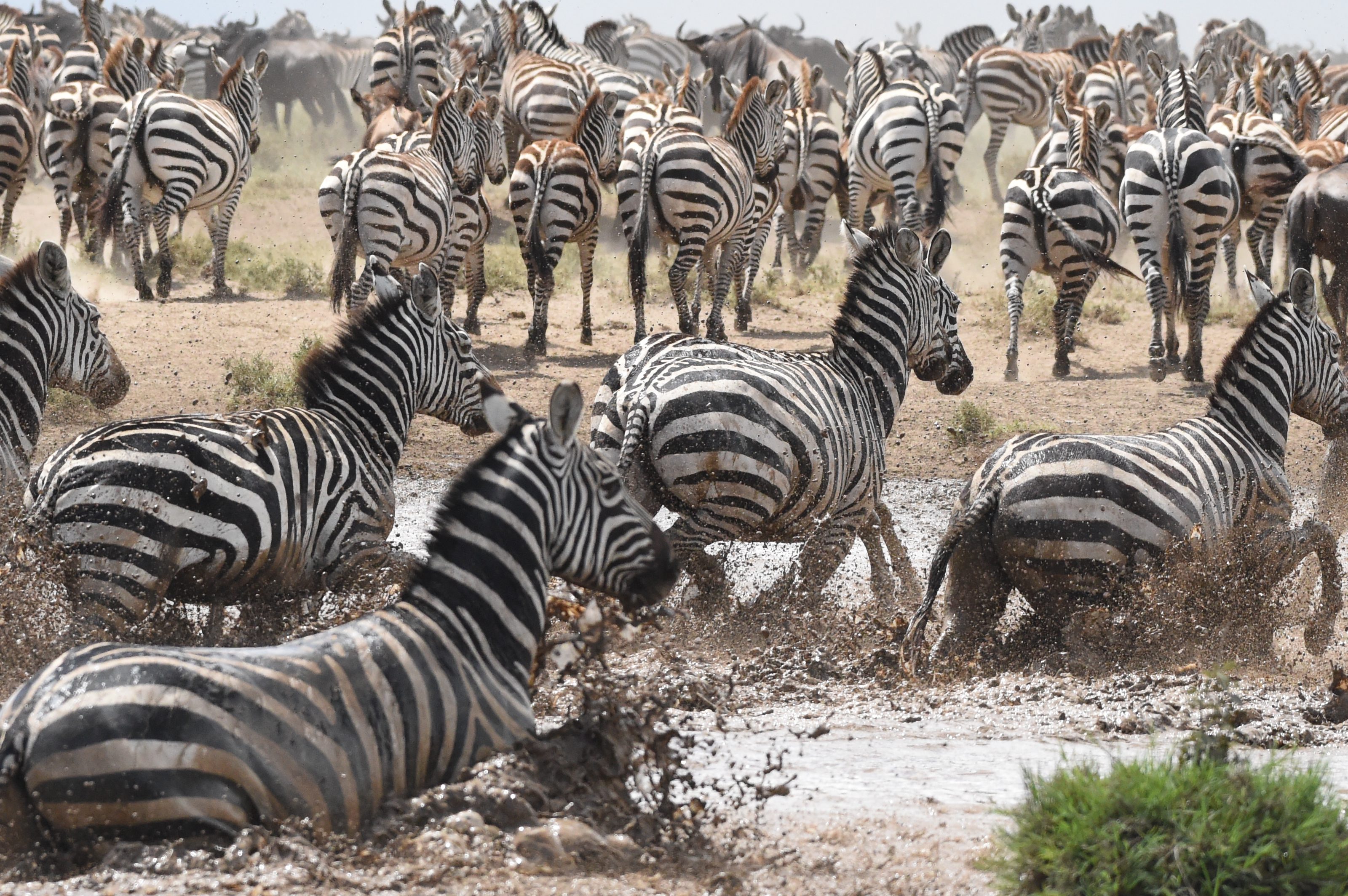
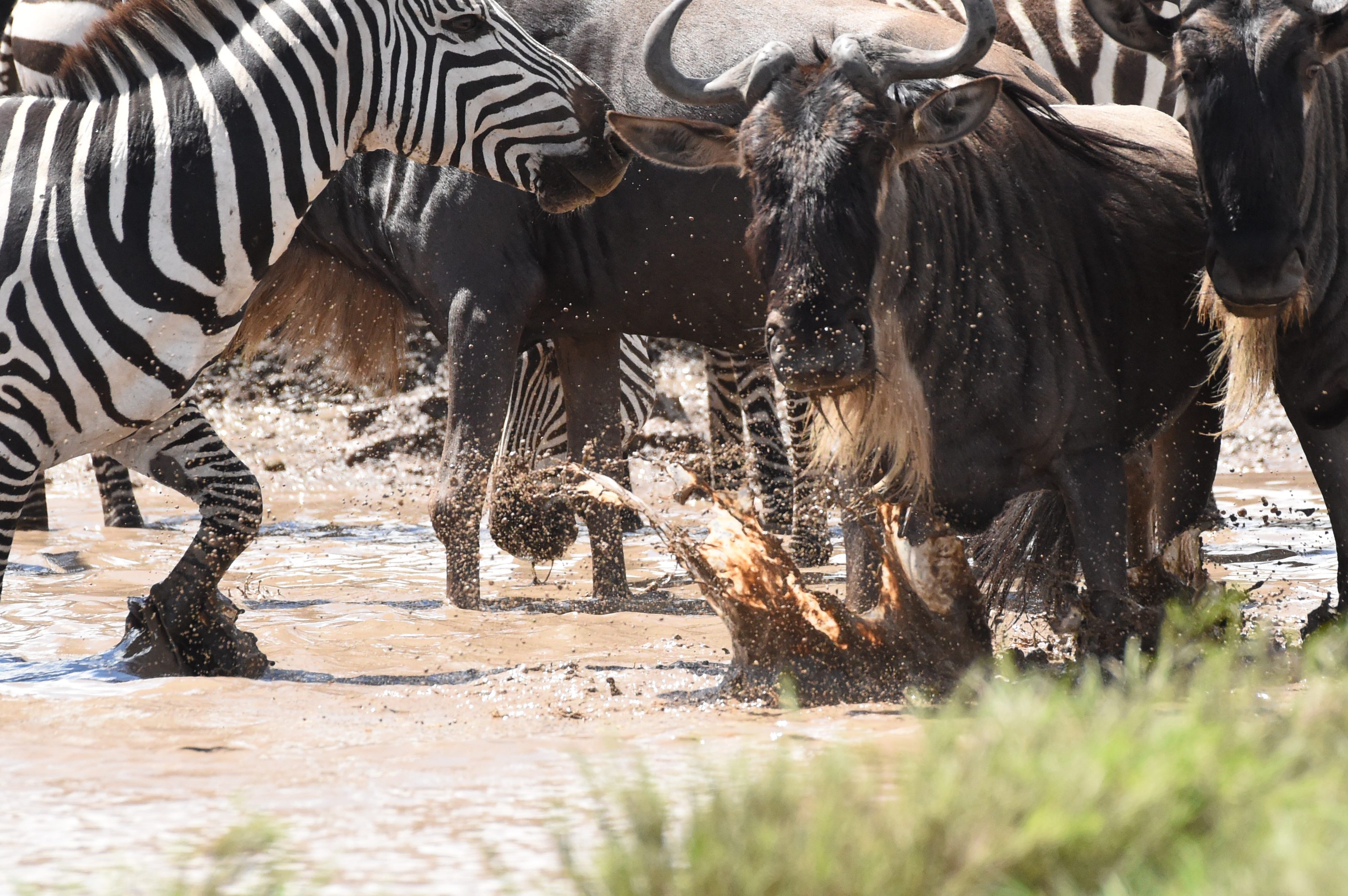
- Northern Serengeti (Kogatende): July–October river crossings. Dramatic water action, crocodiles, chaos. Use fast shutter speeds (1/2000s+).
- Ngorongoro Crater: Flamingos against crater walls, rhino in grassland, lions with dramatic rim backdrop. The contained environment means predictable backgrounds.
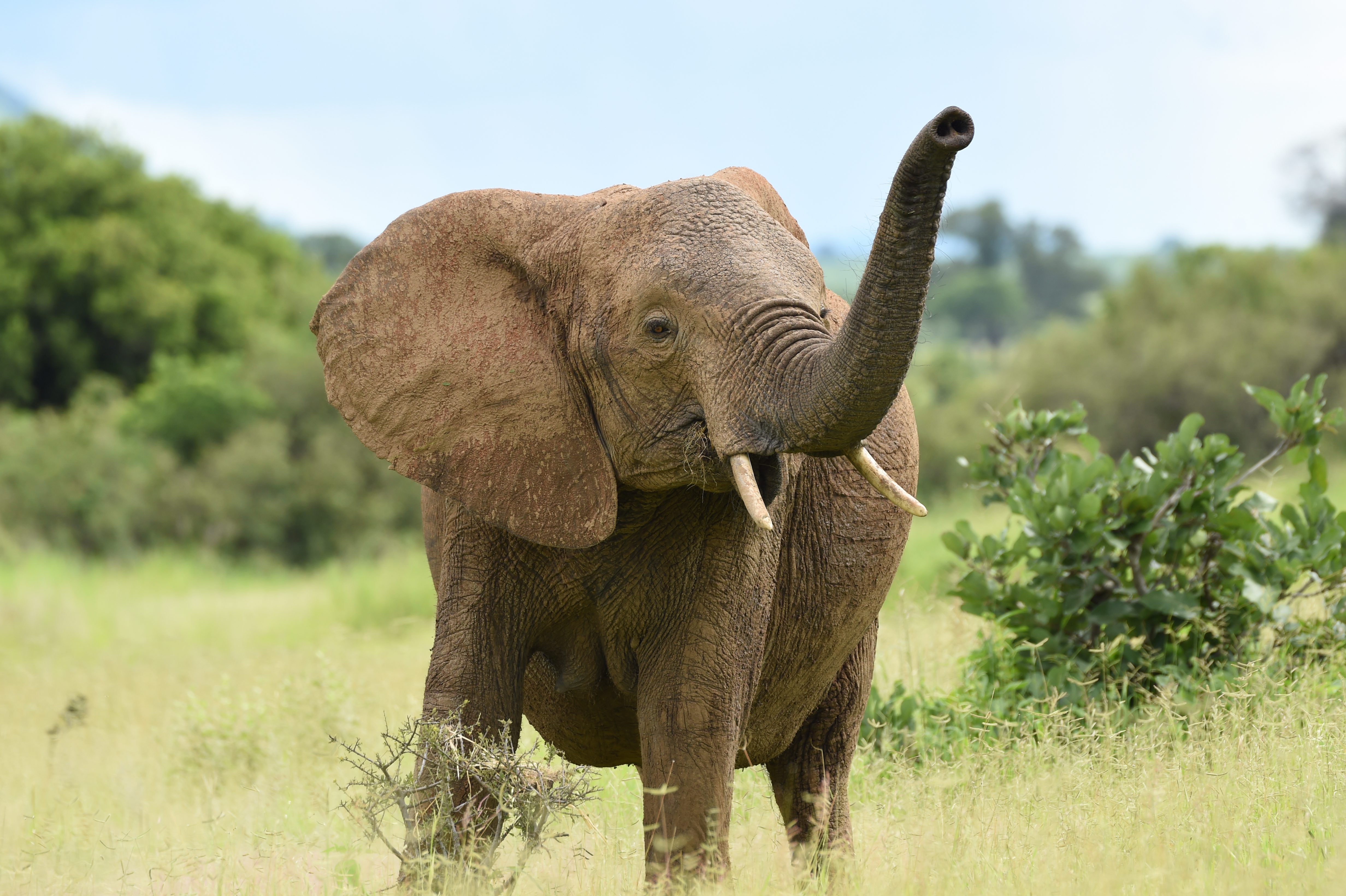
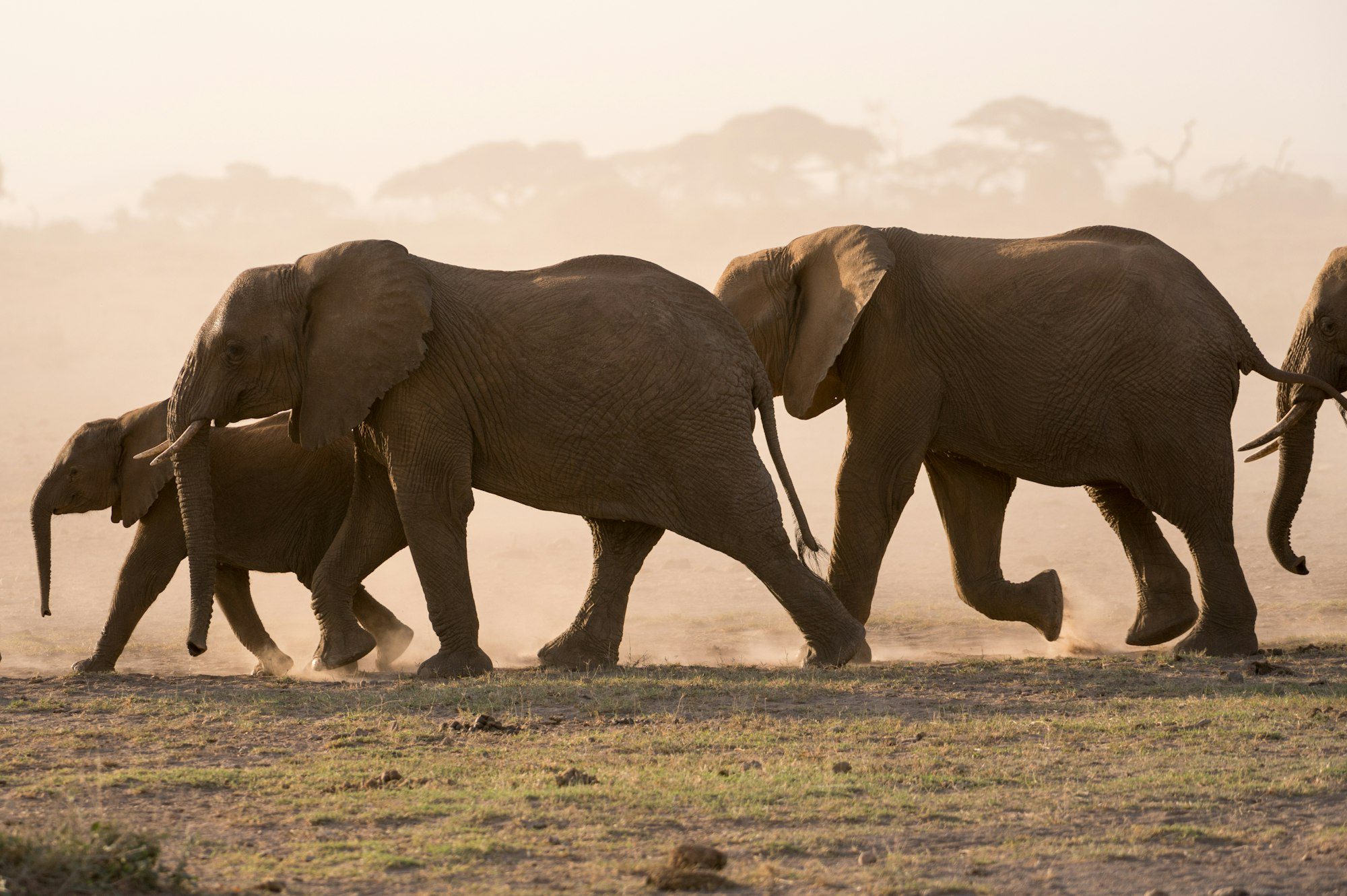
- Tarangire: Elephants against baobab trees is one of Africa's most photogenic compositions. September–October for peak elephant concentrations.
Composition Tips
- Get low. Ask your guide to stop on dips in the road. Shooting from a lower angle through the vehicle window creates more intimate wildlife portraits with cleaner backgrounds.
- Leave space for the animal to move into. Place the subject on the left or right third with space in front of them.
- Include environment. Not every shot needs to be a tight portrait. Wide shots showing animals in their habitat tell a richer story.
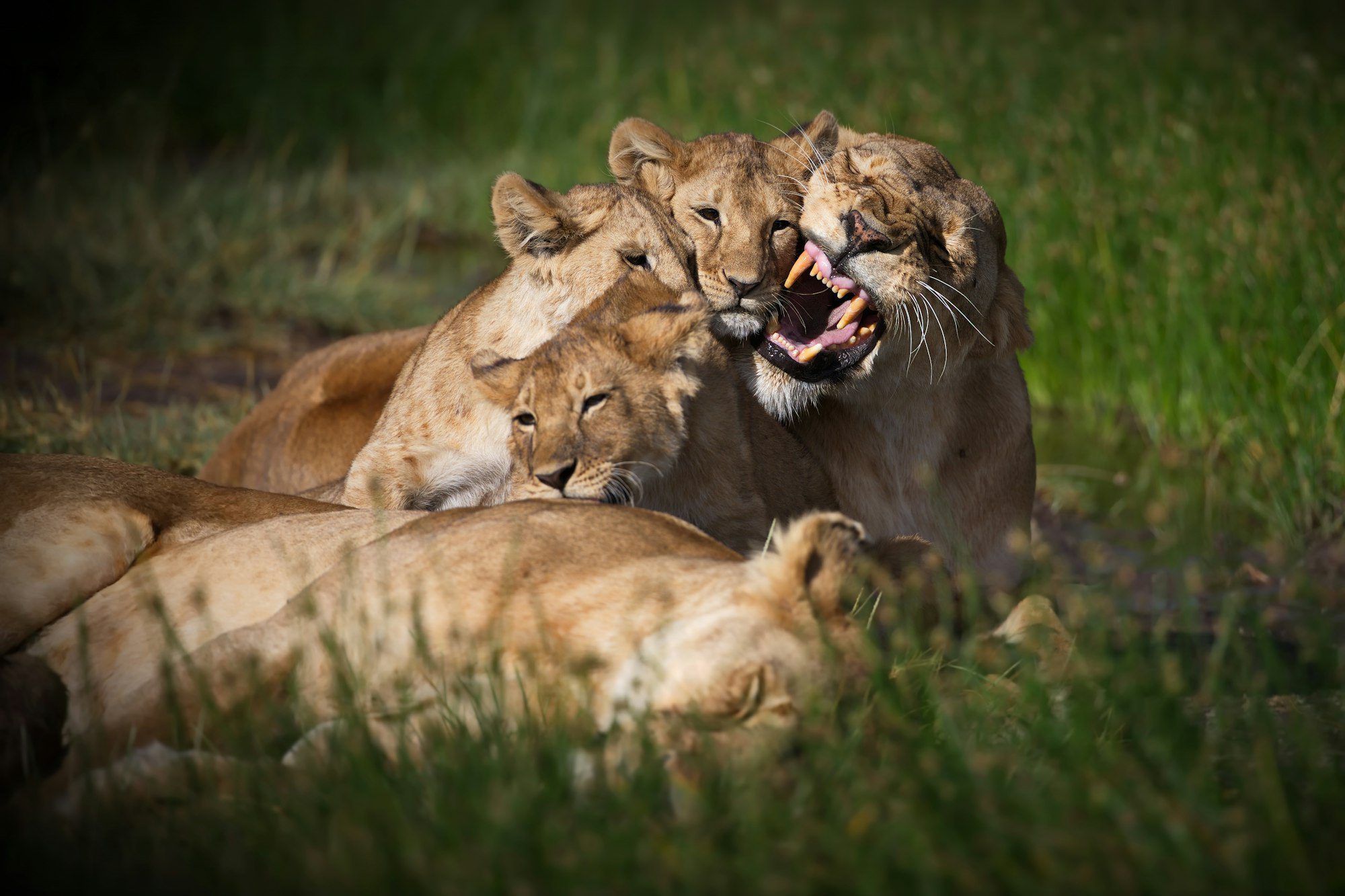
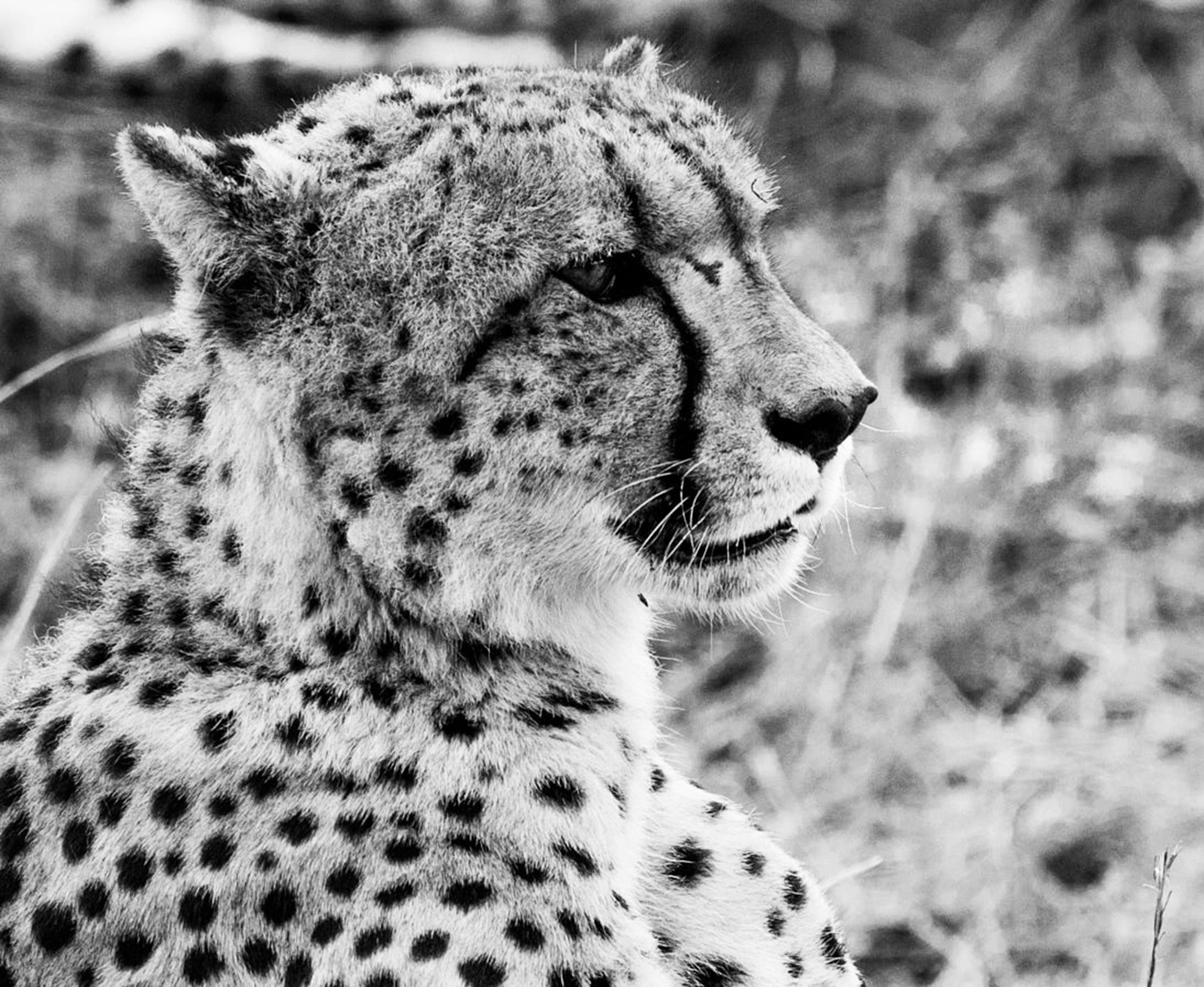
- Wait for behavior. A lion yawning, an elephant dust-bathing, a cheetah scanning — moments of behavior elevate images from "nice photo" to "portfolio shot."
- Shoot in RAW. The dynamic range of safari scenes (bright sky, shadowed animals) demands RAW for post-processing flexibility.
Book a Photography-Focused Safari
We design safari itineraries specifically for photographers — prioritizing parks and areas with the best photographic opportunities for your travel dates, allowing longer time at sightings, and matching you with guides who understand photography needs. Tell us about your photography goals and we'll build your perfect photographic safari.