
Why the Ngorongoro Crater Is a Must-Visit
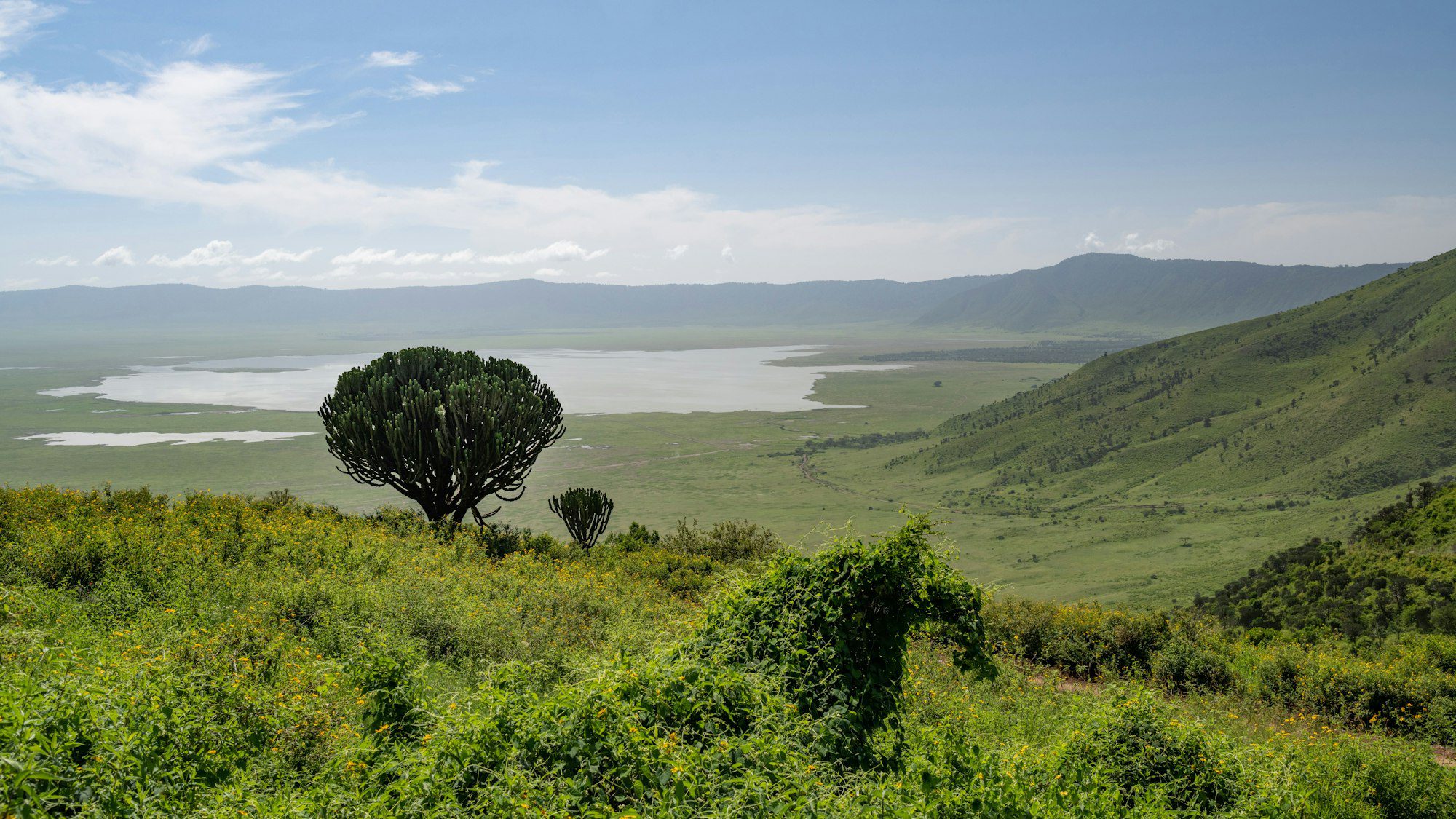
The Ngorongoro Crater is the world's largest unbroken volcanic caldera and one of Africa's most extraordinary wildlife destinations. This 260 km² natural amphitheater sits at 1,800 meters elevation, with walls rising 600 meters on all sides, creating a self-contained ecosystem where roughly 25,000 large animals live permanently. It's the single best place in East Africa to see the Big Five in one day — and many visitors do exactly that.
UNESCO designated the Ngorongoro Conservation Area as a World Heritage Site in 1979, recognizing both its natural significance and the Maasai communities who have coexisted with wildlife here for centuries.
Wildlife in the Crater
The crater floor is a wildlife-viewing paradise. The permanent water sources and year-round grazing support:
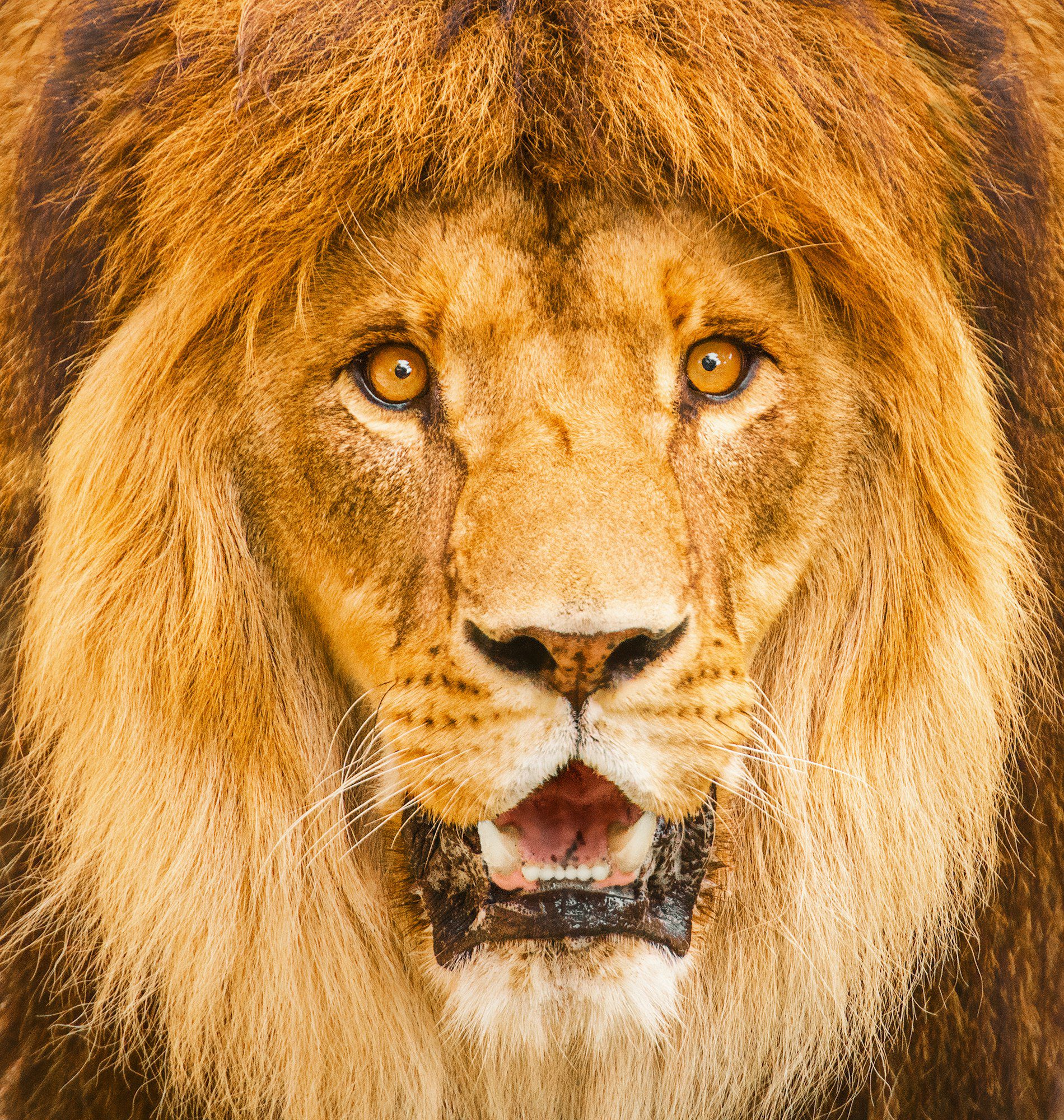
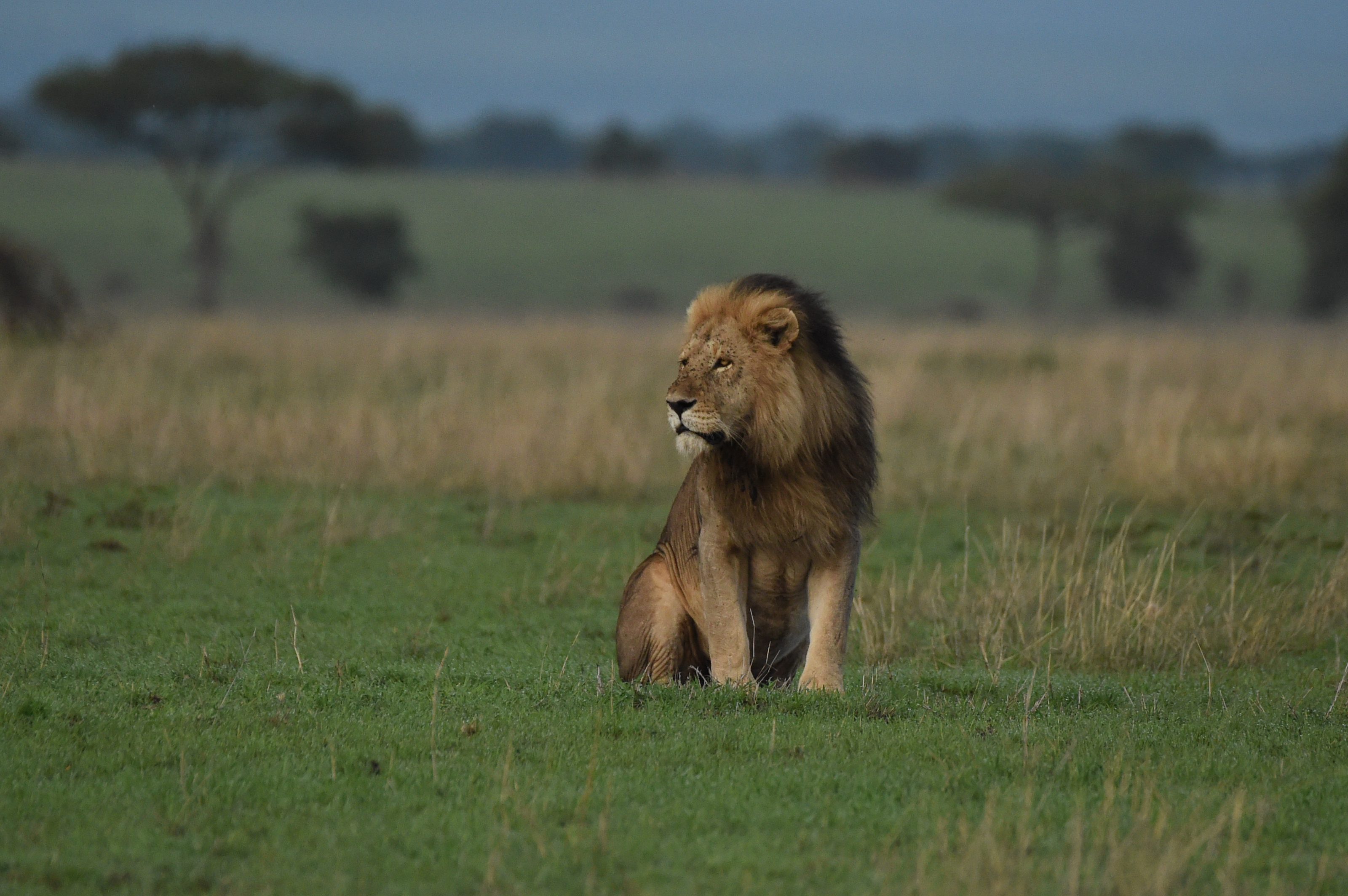
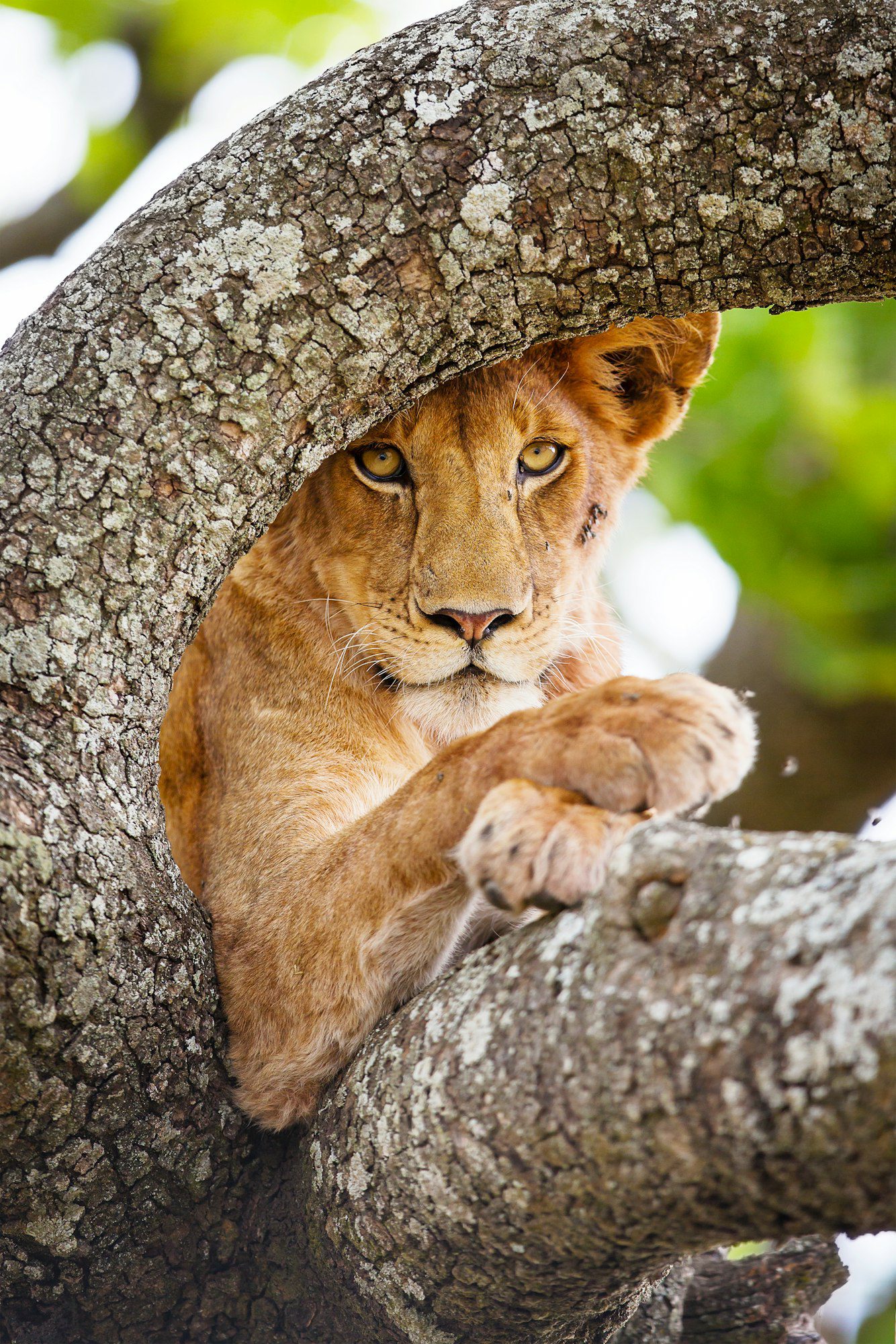
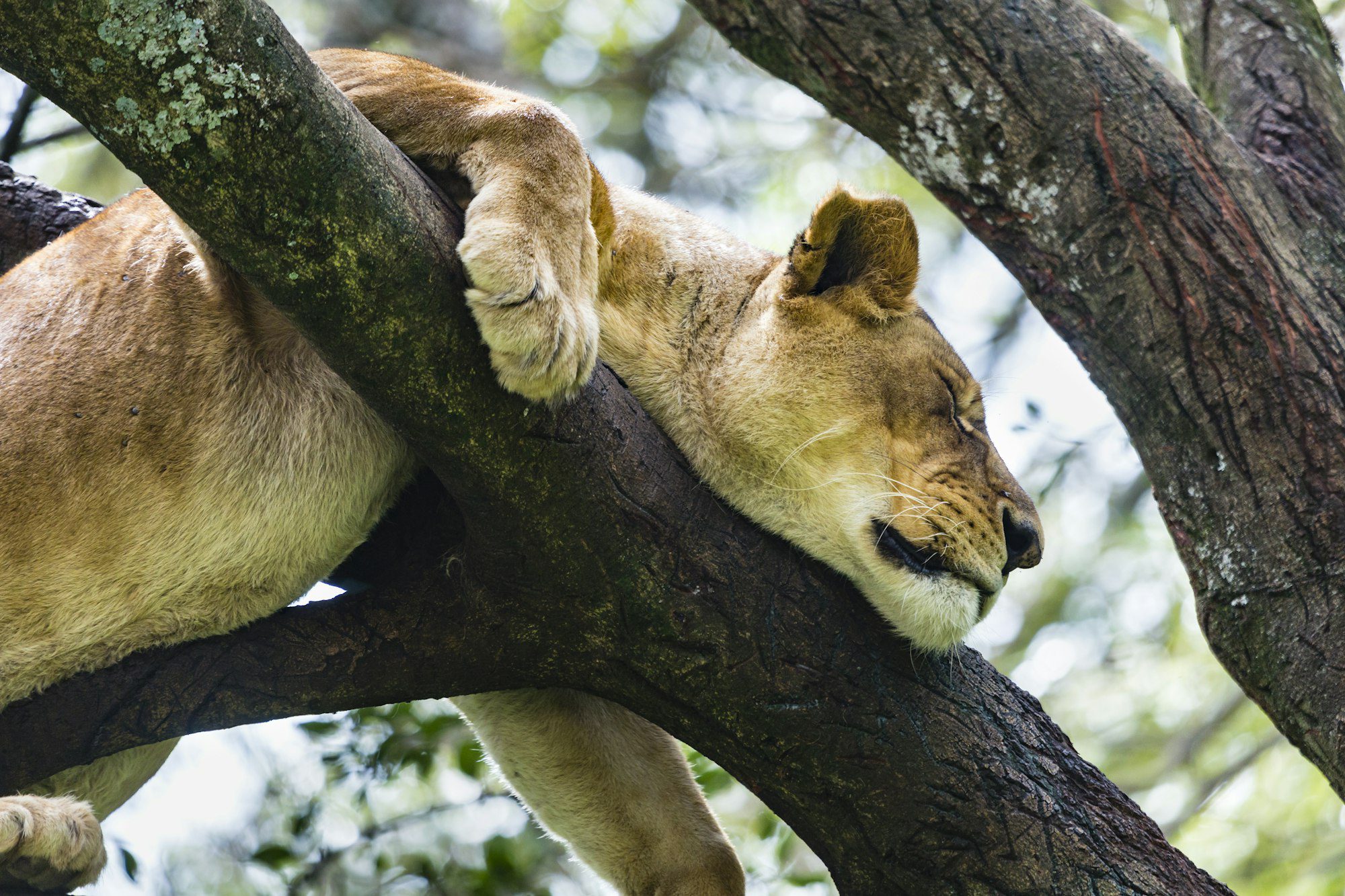
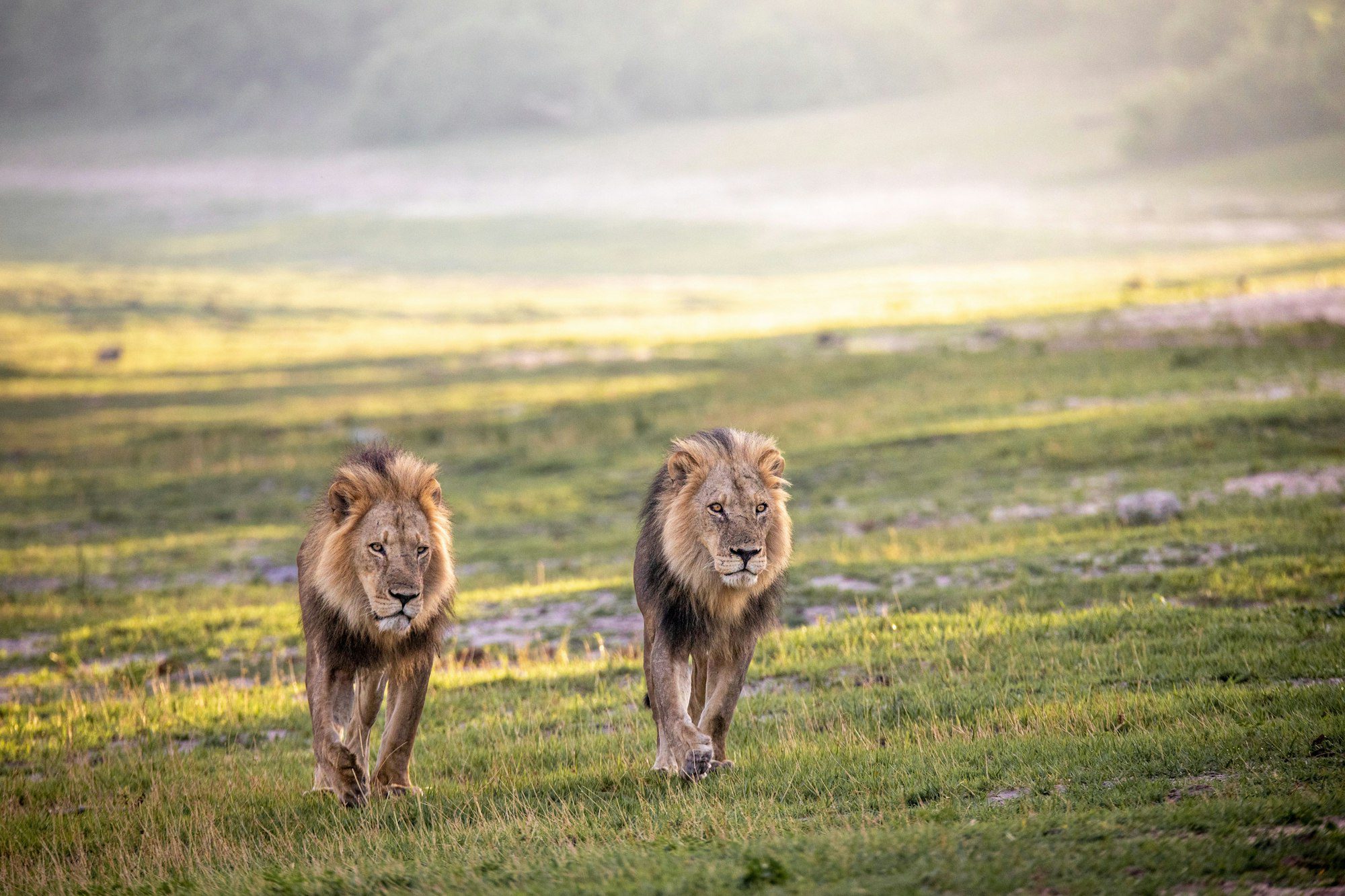
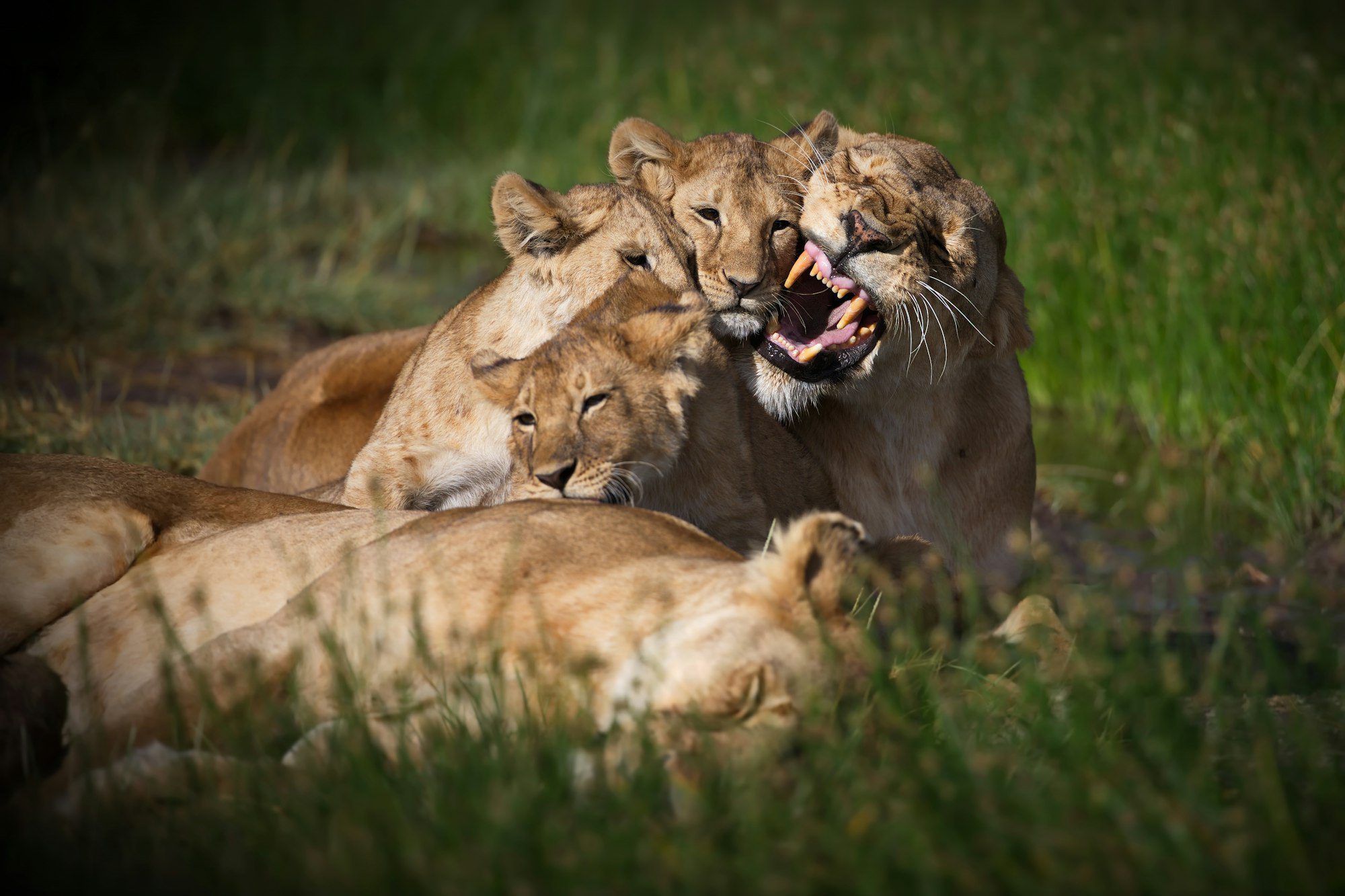
- Lions: Approximately 60–70 lions in several prides. The crater's enclosed environment means lion encounters are almost guaranteed.
- Black rhino: A stable population of 25–30 critically endangered black rhinos — one of the best places in Africa to see them.
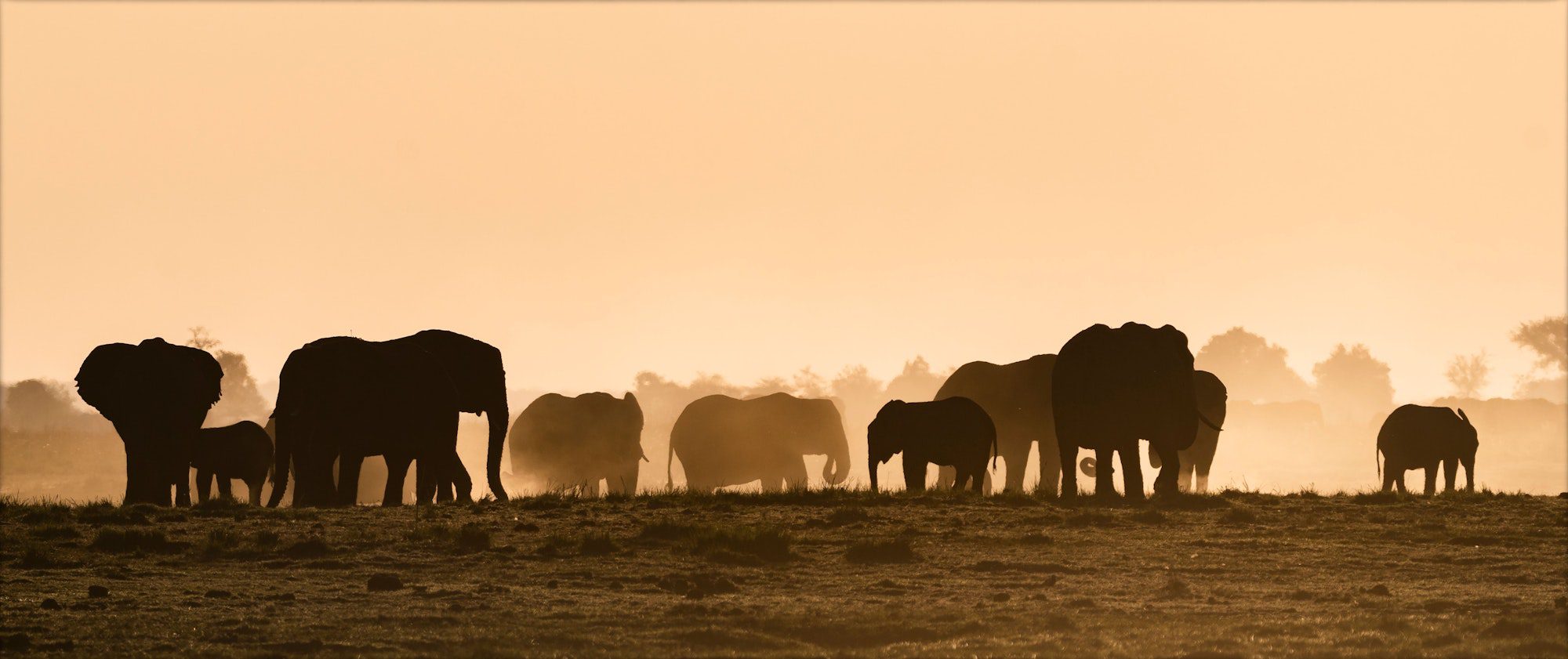
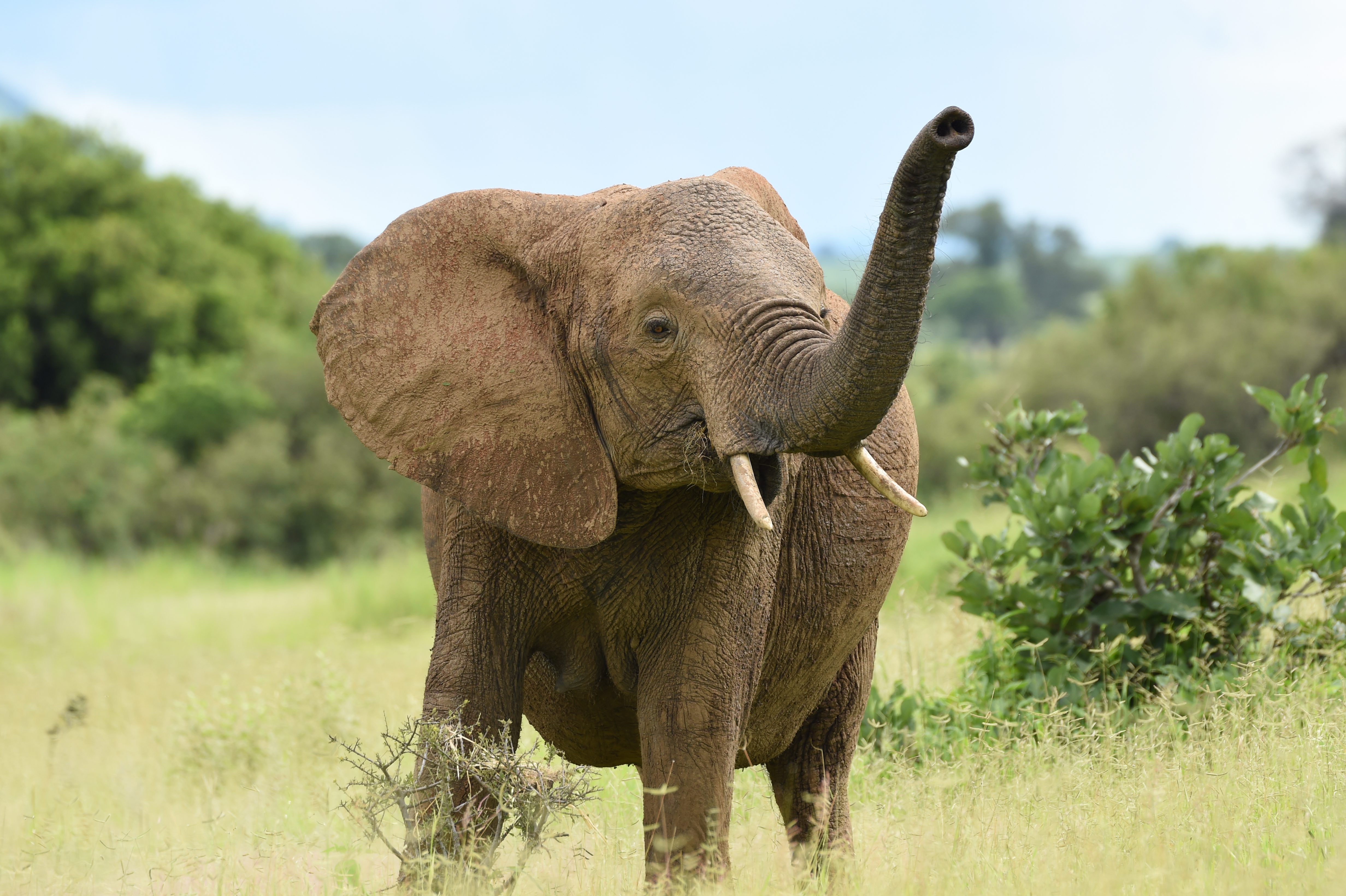
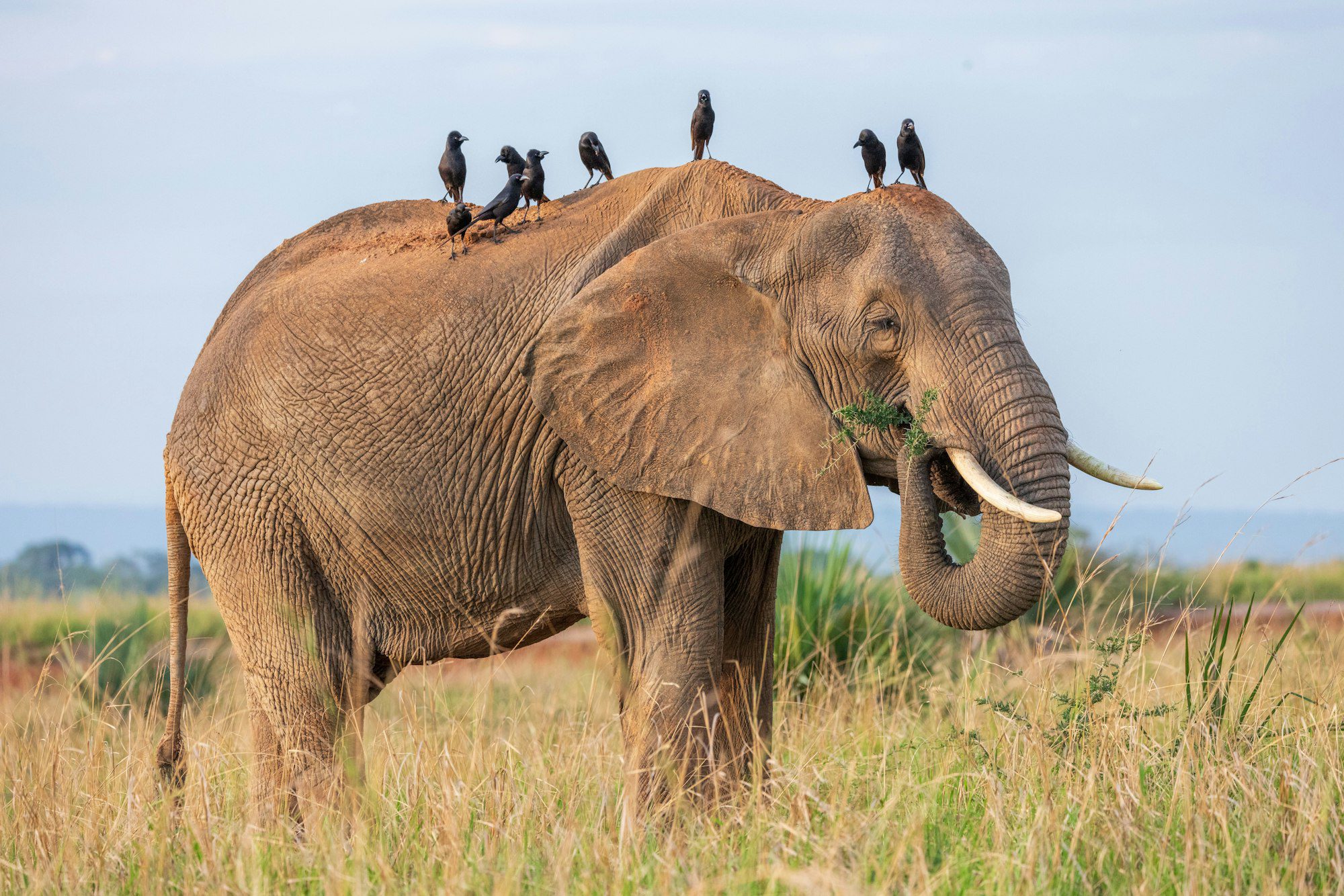
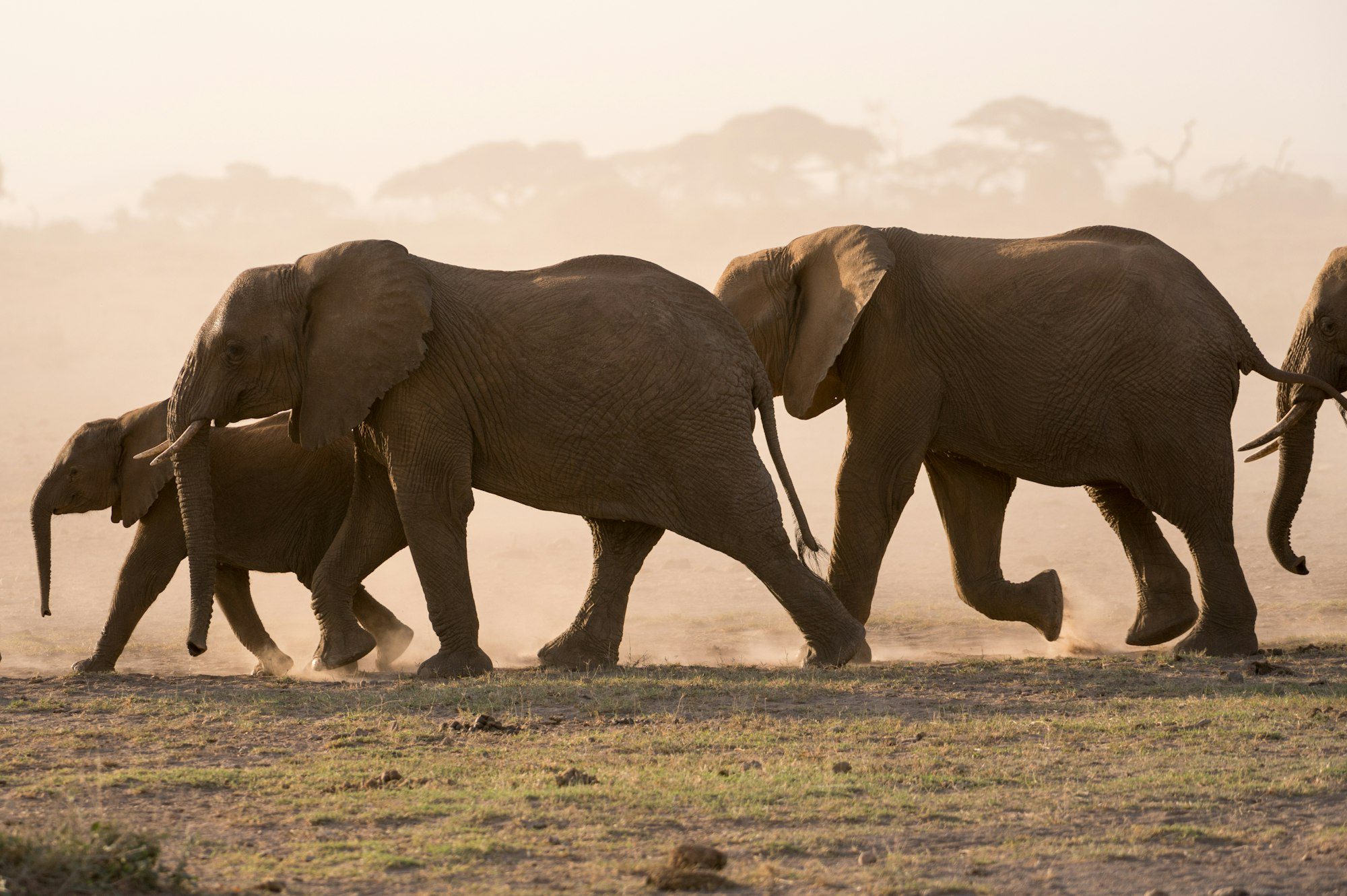
- Elephants: Mostly elderly bulls who've descended into the crater and stayed. The steep walls discourage family herds with calves.
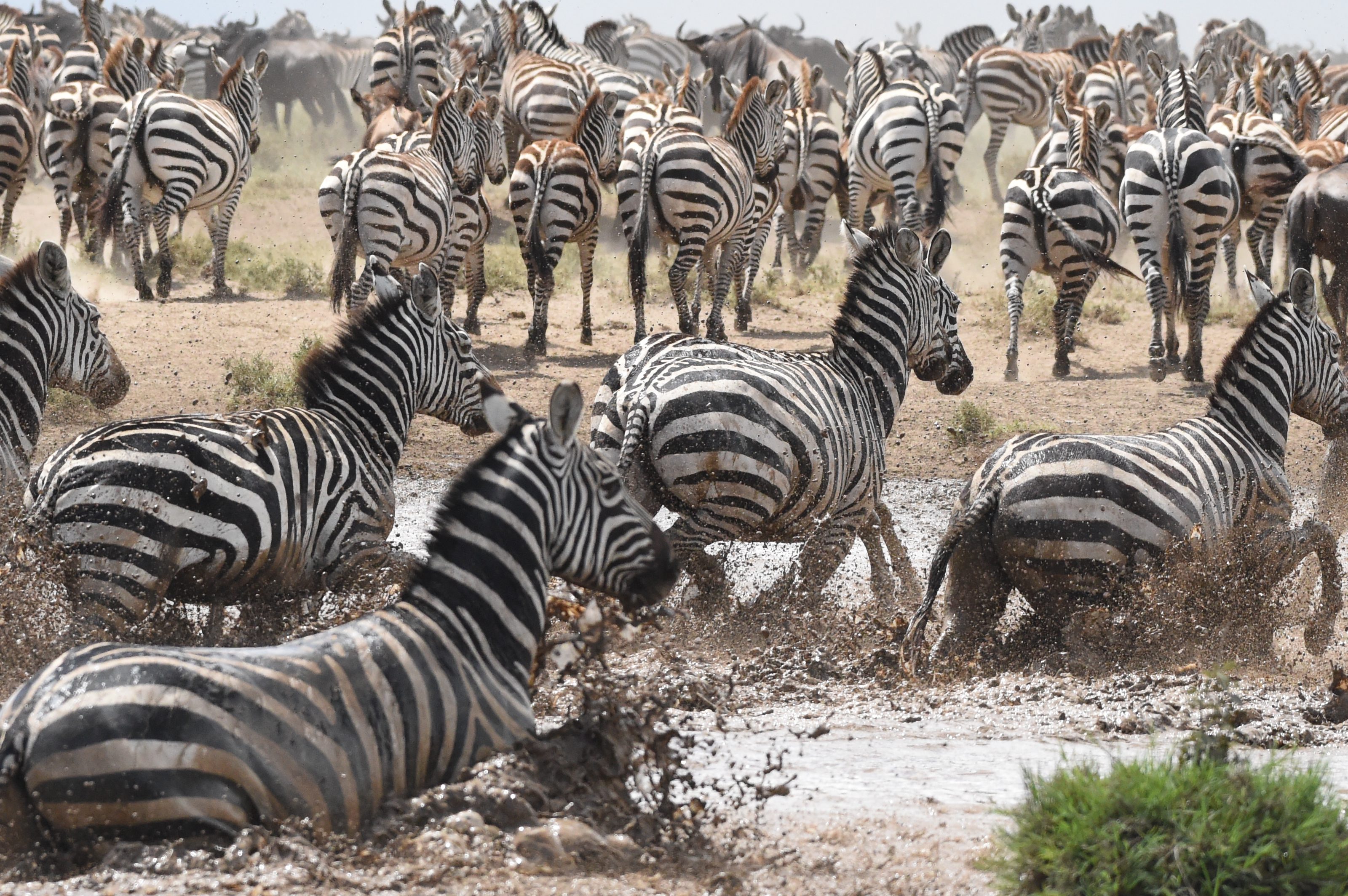
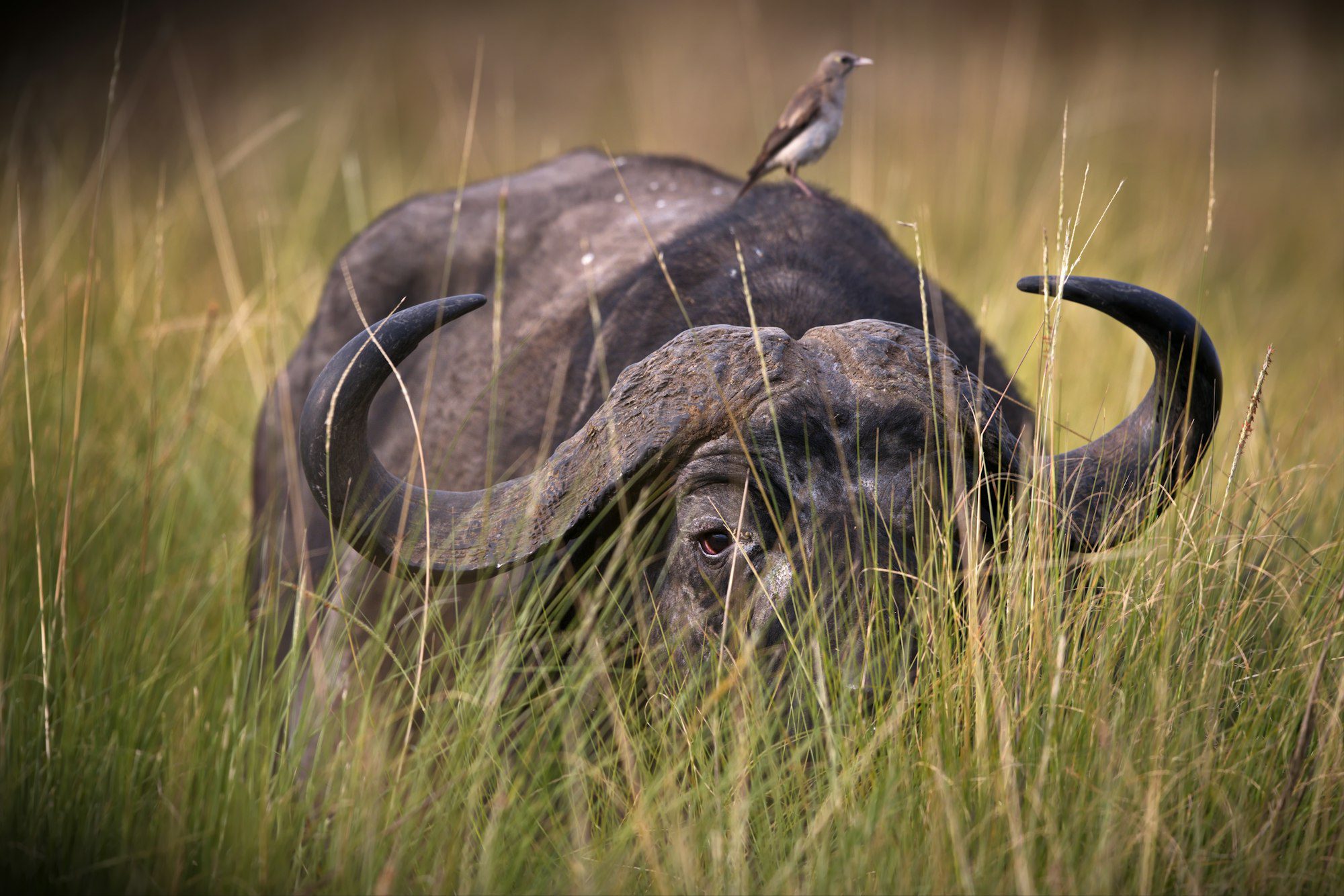
- Buffalo: Huge herds of Cape buffalo graze the crater floor's grasslands.
- Leopard: Present but elusive. Crater rim forests and rocky outcrops are their preferred habitat.
- Hippo: A large pod in the Ngoitokitok Springs area.
- Flamingos: Lake Magadi (the crater's soda lake) attracts thousands of flamingos when water levels are right.
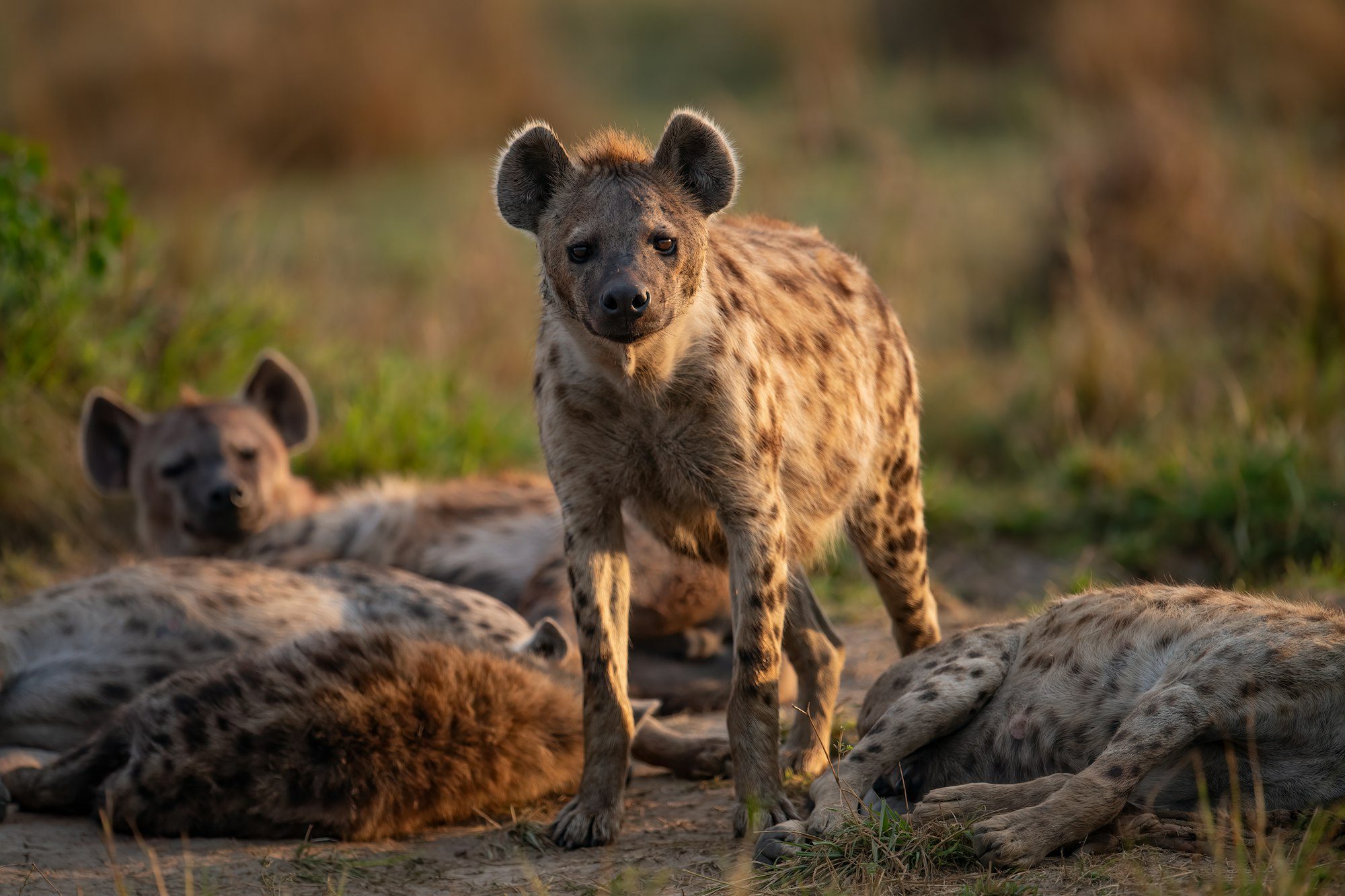
- Hyena: Several large clans — often seen on kills or interacting with lions.
Best Time to Visit the Crater
The Ngorongoro Crater is excellent year-round because its resident wildlife doesn't migrate. However:
- June–October (dry season): Best visibility, sparse vegetation, animals easily spotted. This is peak season with higher prices and more vehicles.
- November–March: Green and beautiful. Fewer tourists, lower prices. Occasional rain on the rim but the crater floor often stays dry.
- April–May: Rainy season. The crater can be muddy and some access roads challenging. Lowest prices and fewest visitors.
Morning is always best for crater game drives. Afternoon clouds often settle into the crater, reducing visibility. Most operators schedule a half-day descent with a 6:00 AM start.
Crater Fees and Logistics
Ngorongoro has some of the highest park fees in Africa:
- Conservation area entry: $82.60/person/24 hours (adults)
- Crater descent fee: $295 per vehicle (regardless of occupancy)
- Maximum time on crater floor: 6 hours per descent
- No walking permitted on the crater floor (vehicle-based game drives only)
- No night drives — vehicles must exit by 6:00 PM
The crater descent fee is per vehicle, so traveling in a group reduces per-person costs significantly. A full-day crater experience including the descent typically takes 5–6 hours on the floor.
Where to Stay
Accommodation options line the crater rim, offering breathtaking views into the caldera:
- Luxury: &Beyond Ngorongoro Crater Lodge (one of Africa's most famous lodges), The Highlands by Asilia, andBeyond Lake Manyara Tree Lodge.
- Mid-range: Ngorongoro Serena Safari Lodge, Ngorongoro Sopa Lodge — both on the rim with crater views.
- Budget: Simba Campsite on the rim, or lodges in nearby Karatu (30 minutes from the gate).
Staying on the rim means you can be first into the crater at gate opening — a major advantage for wildlife viewing before other vehicles arrive.
How to Include the Crater in Your Itinerary
The Ngorongoro Crater fits naturally into any northern circuit safari. Most travelers visit as part of a multi-park itinerary that includes the Serengeti and Tarangire. Common patterns:
- Day trip on transit: Descend into the crater on your way between Serengeti and Arusha. This is the most efficient approach but limits your floor time.
- Overnight on rim + morning descent: Stay one night on the rim, descend at first light. This is our recommended approach — you get the best light and fewest vehicles.
- Two-night stay: For crater rim hiking, visiting Empakaai Crater, Maasai village experiences, and a more relaxed pace.
See our sample itineraries for detailed day-by-day plans including the crater.
Tips for Your Crater Visit
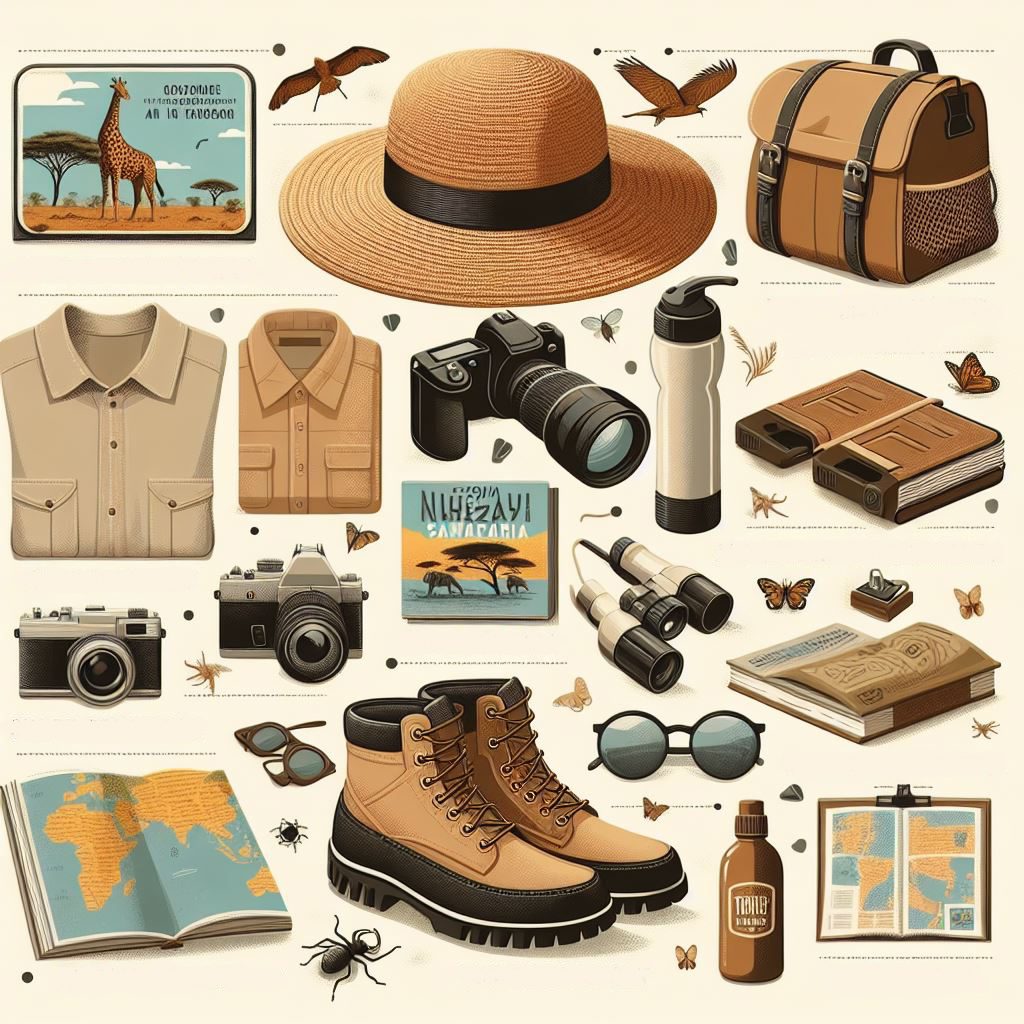
- Dress warmly. The rim is at 2,300 meters — mornings are cold (8–12°C). Bring a fleece and windproof layer.
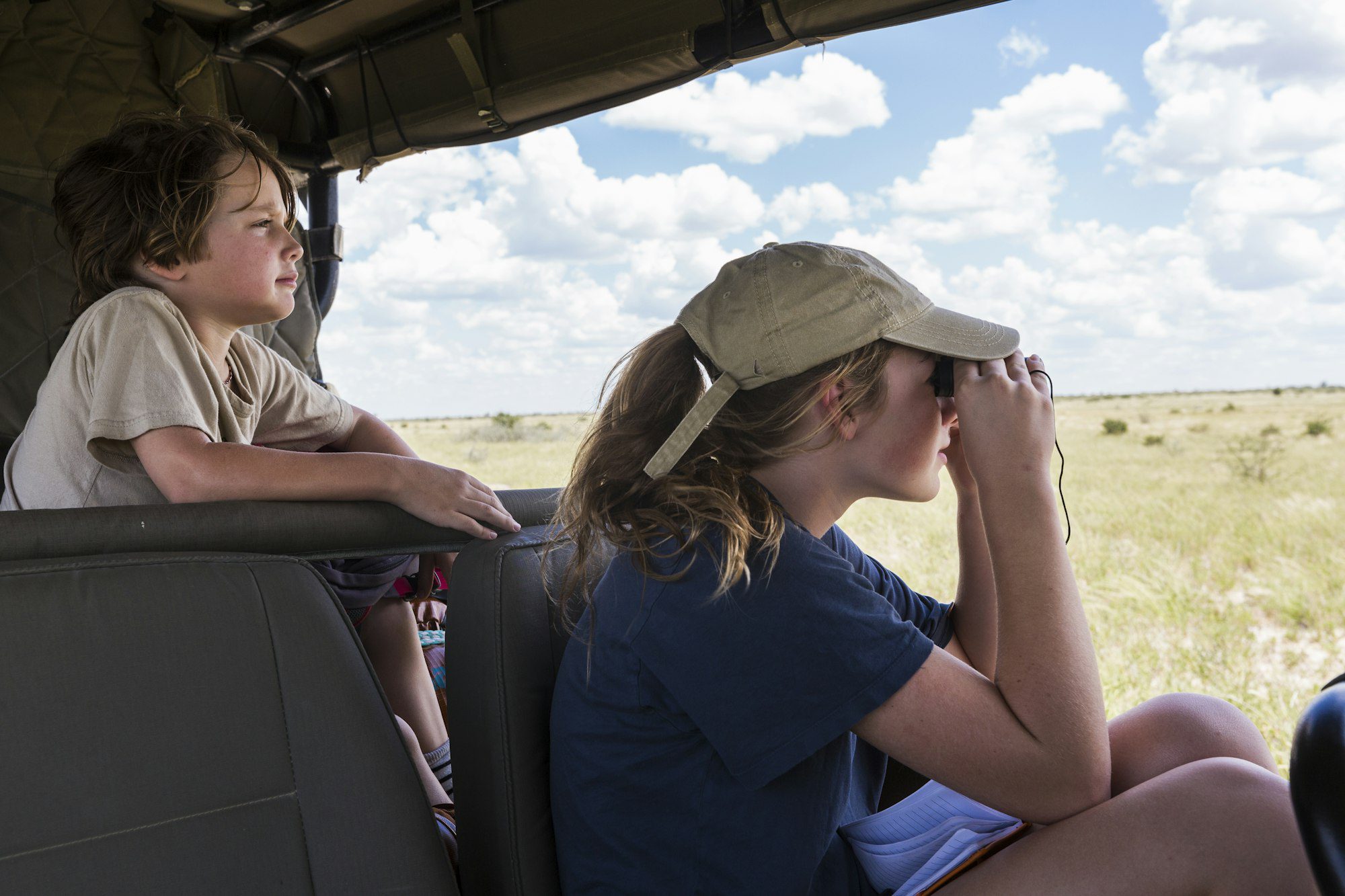
- Bring binoculars. The crater floor is open grassland. Binoculars help spot rhinos and predators at distance.
- Carry lunch. There are designated picnic areas but no restaurants on the floor. Your operator provides packed lunches.
- Be patient with rhinos. Black rhinos are often distant. Your guide knows their favorite areas and will position you for the best views.
Plan Your Ngorongoro Crater Visit
The Ngorongoro Crater is included in virtually all our northern circuit safari itineraries. Request your free safari quote and we'll ensure you get the most out of this incredible natural wonder.