The Most Dramatic Wildlife Event on Earth
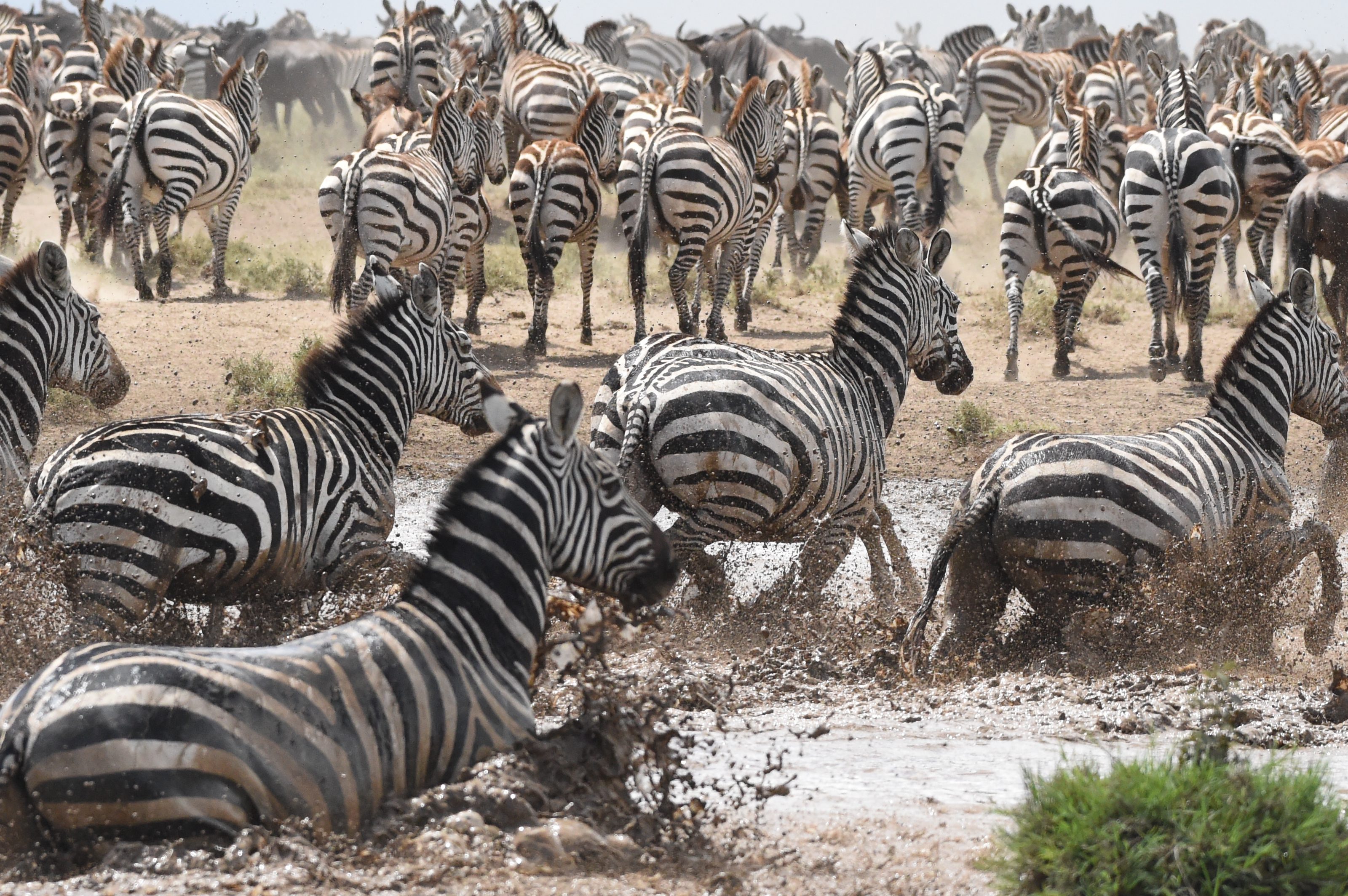
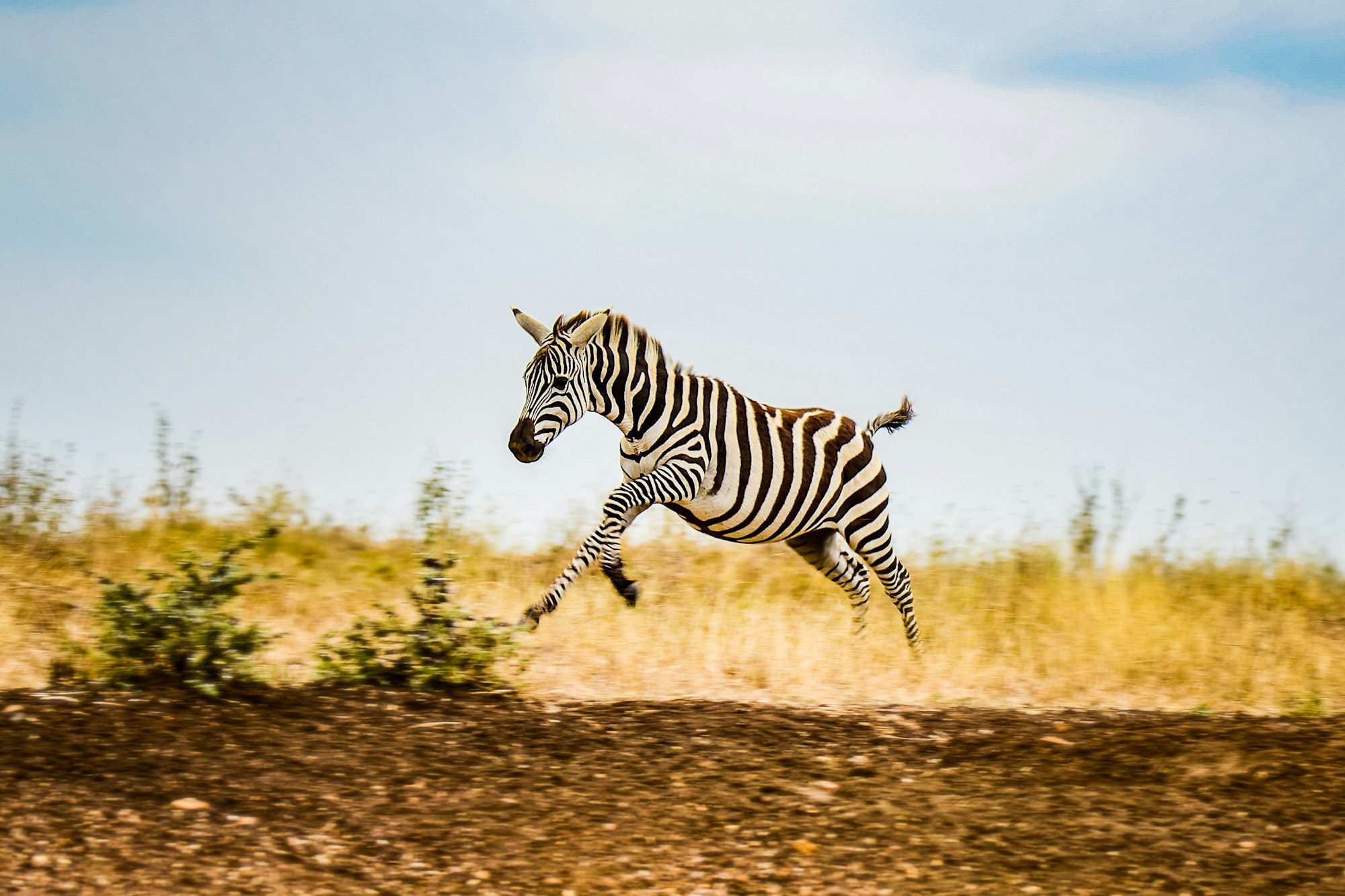
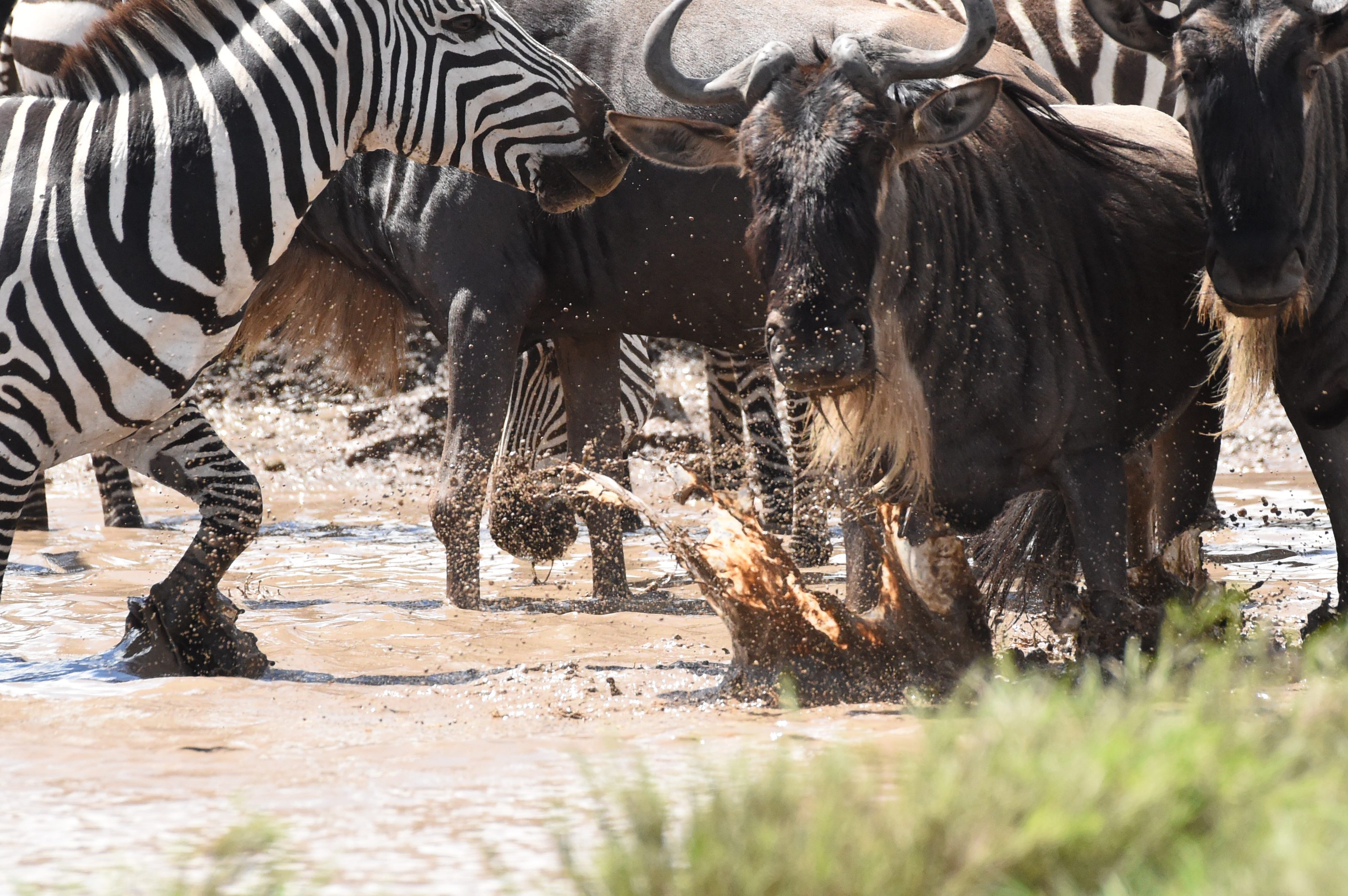
The Mara River crossings are the single most iconic moment of the Great Wildebeest Migration. Hundreds of thousands of wildebeest and zebra mass on the riverbanks of the northern Serengeti, then plunge into the crocodile-infested waters in a chaos of splashing, bellowing, and survival. It is nature at its most raw, dramatic, and unforgettable.
When Do Crossings Happen?
- Primary season: Late July through September, with peak activity in August.
- Possible crossings: June (early arrivals) through early November (late stragglers).
- Timing is unpredictable. The herds may build up at the river for days, then cross suddenly when a few brave animals take the plunge. Or they may approach and turn back, returning the next day. Some days have multiple crossings; others have none.
Where to Be
Crossings occur at several points along the Mara River in the northern Serengeti (Kogatende and Lamai area). The most famous crossing points include Kogatende, Look Out Hill, and various points where the river narrows or the banks are steep — creating the dramatic plunge that makes crossings so photogenic.
Your guide's local knowledge is essential. They communicate with other guides via radio to track herd movements and anticipate which crossing point is most likely to be active.
What to Expect
- Patience is required. You may wait 2–4 hours at the river before a crossing begins. Bring water, snacks, and a good attitude. The wait is part of the experience — the tension builds as thousands of animals gather on the far bank.
- When it starts, it's explosive. One animal goes, then ten, then a thousand. The riverbank becomes a chaotic funnel of animals leaping, swimming, climbing, and scrambling.
- Crocodiles. Massive Nile crocodiles (some over 5 meters) lurk in the deeper pools. They don't take many animals per crossing, but every lunge is heart-stopping.
- Aftermath. Some animals don't make it. The banks can be littered with the bodies of those who drowned or were trampled. Vultures and scavengers gather. It's brutal and real.
Photography Tips for Crossings
- Shutter speed: 1/2000s or faster for the chaotic crossing action
- Zoom range: Both wide (to capture the scale) and telephoto (for individual animal drama)
- Continuous burst mode: Essential — the action is fast and unpredictable
- Don't just shoot. Put the camera down periodically and watch with your eyes. The scale of a crossing is best appreciated without looking through a viewfinder.
See our photography safari guide for complete gear and settings advice.
Plan Your Crossing Safari
We recommend at least 3 nights in the northern Serengeti during July–September to maximize your chances of witnessing crossings. Northern Serengeti camps are limited and book out 6–12 months in advance. Request your migration safari quote early to secure the best camps.