What Is the Great Wildebeest Migration?
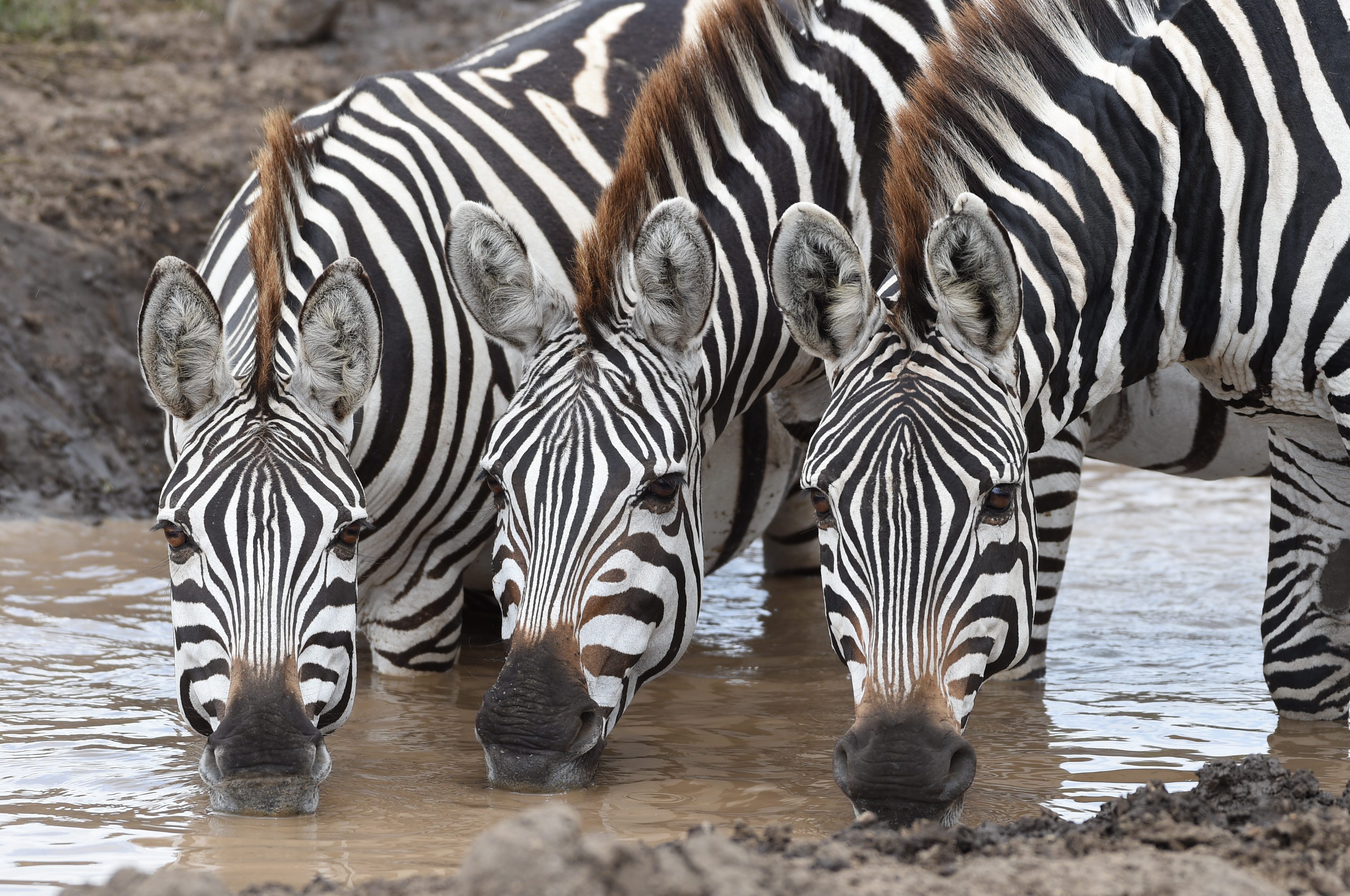
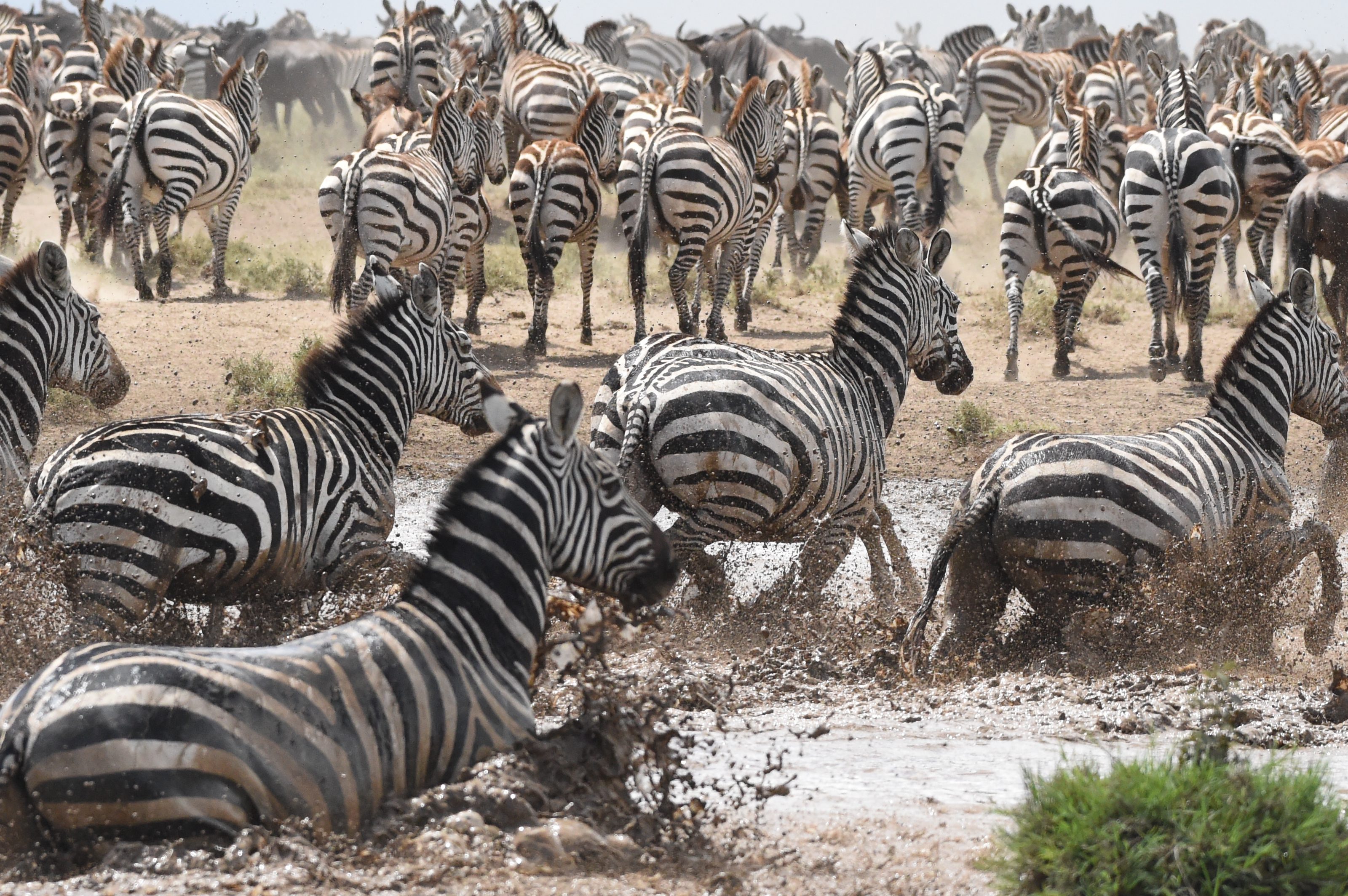
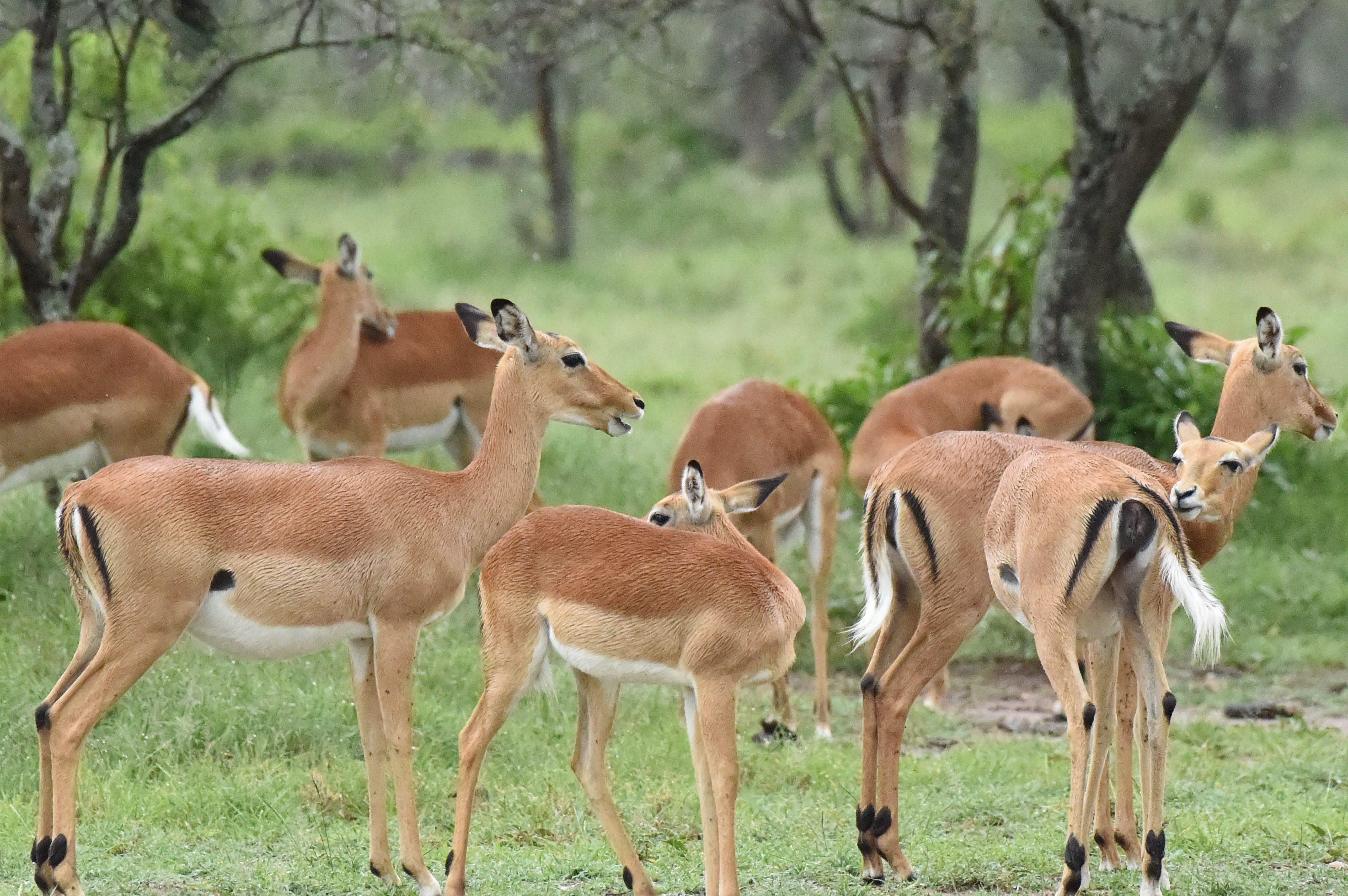
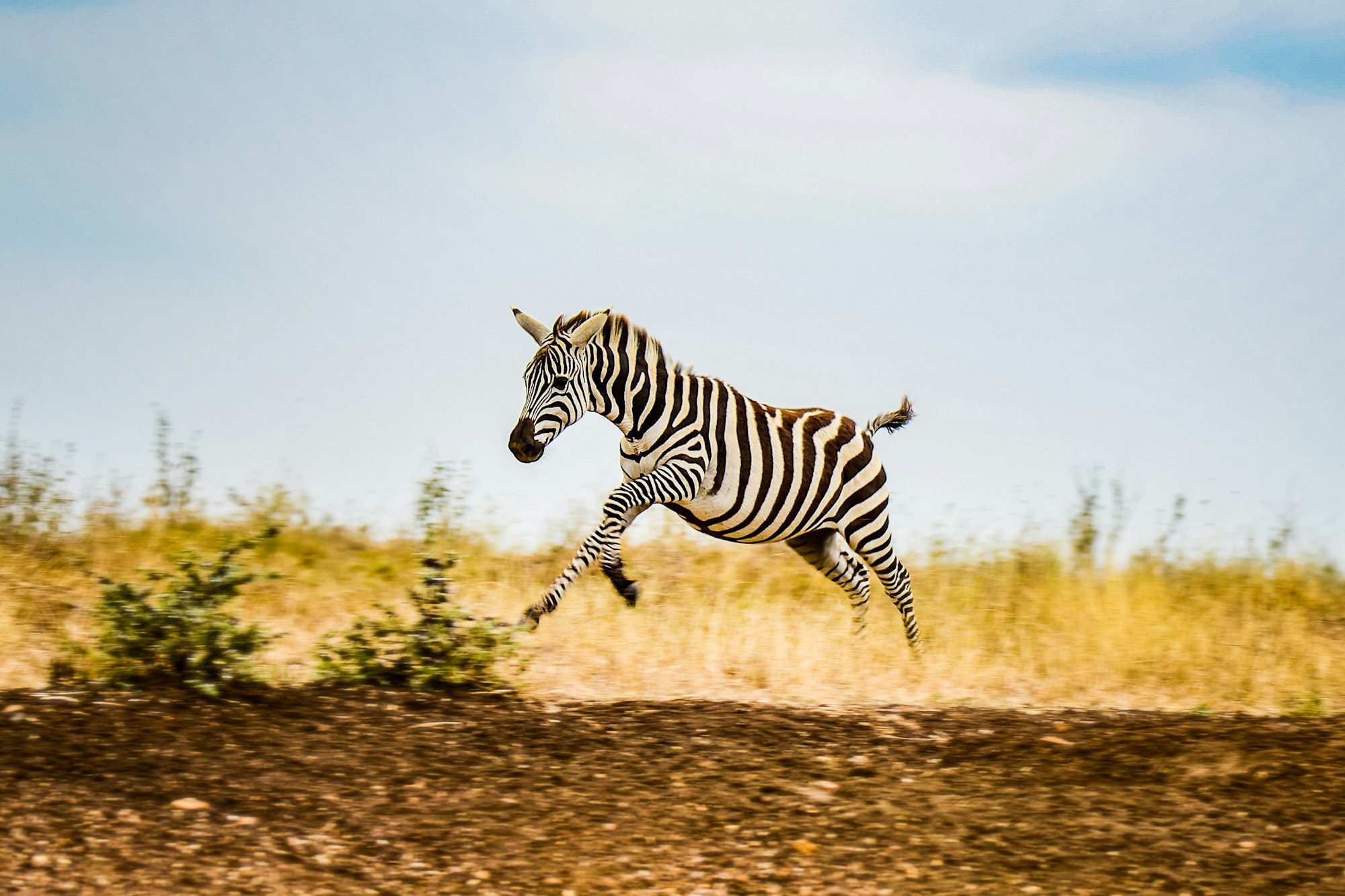
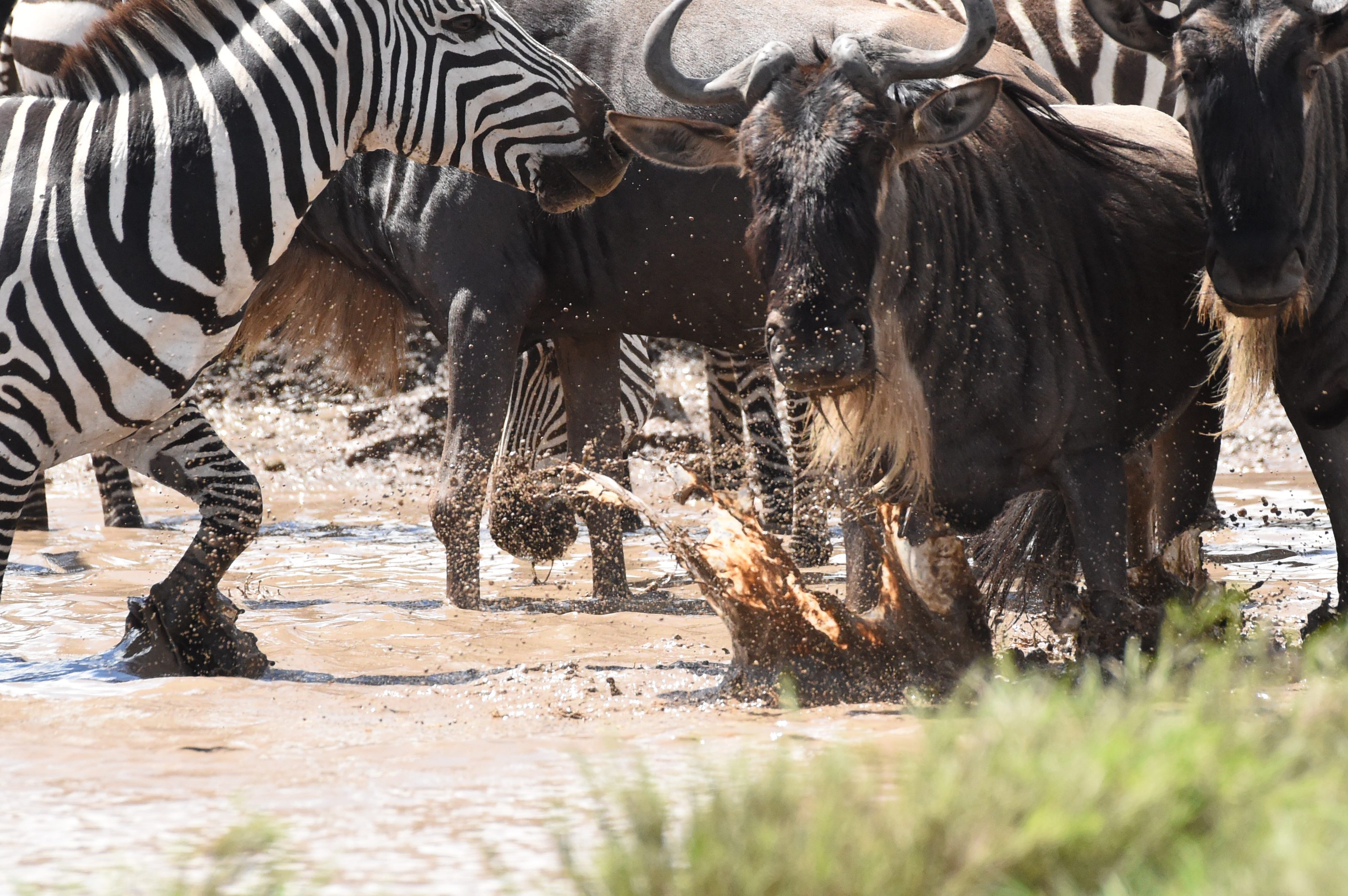
The Great Wildebeest Migration is the largest animal movement on Earth — over 1.5 million wildebeest, 500,000 zebra, and 200,000 gazelle moving in a continuous clockwise loop through the Serengeti-Mara ecosystem. It's not a single event but a year-round cycle driven by rainfall and grazing patterns. There is no beginning or end — only an endless pursuit of fresh grass and water.
Witnessing the migration is consistently ranked as one of the world's top wildlife experiences, and for good reason. The scale is almost incomprehensible — columns of animals stretching from horizon to horizon, dramatic predator hunts, and the raw chaos of river crossings where crocodiles, currents, and sheer cliffs claim thousands of lives.
Where Is the Migration Each Month?
The migration follows a broadly predictable pattern, though exact timing varies by 2–4 weeks depending on rainfall. Here's where to find the herds:
December – March: Southern Serengeti & Ndutu
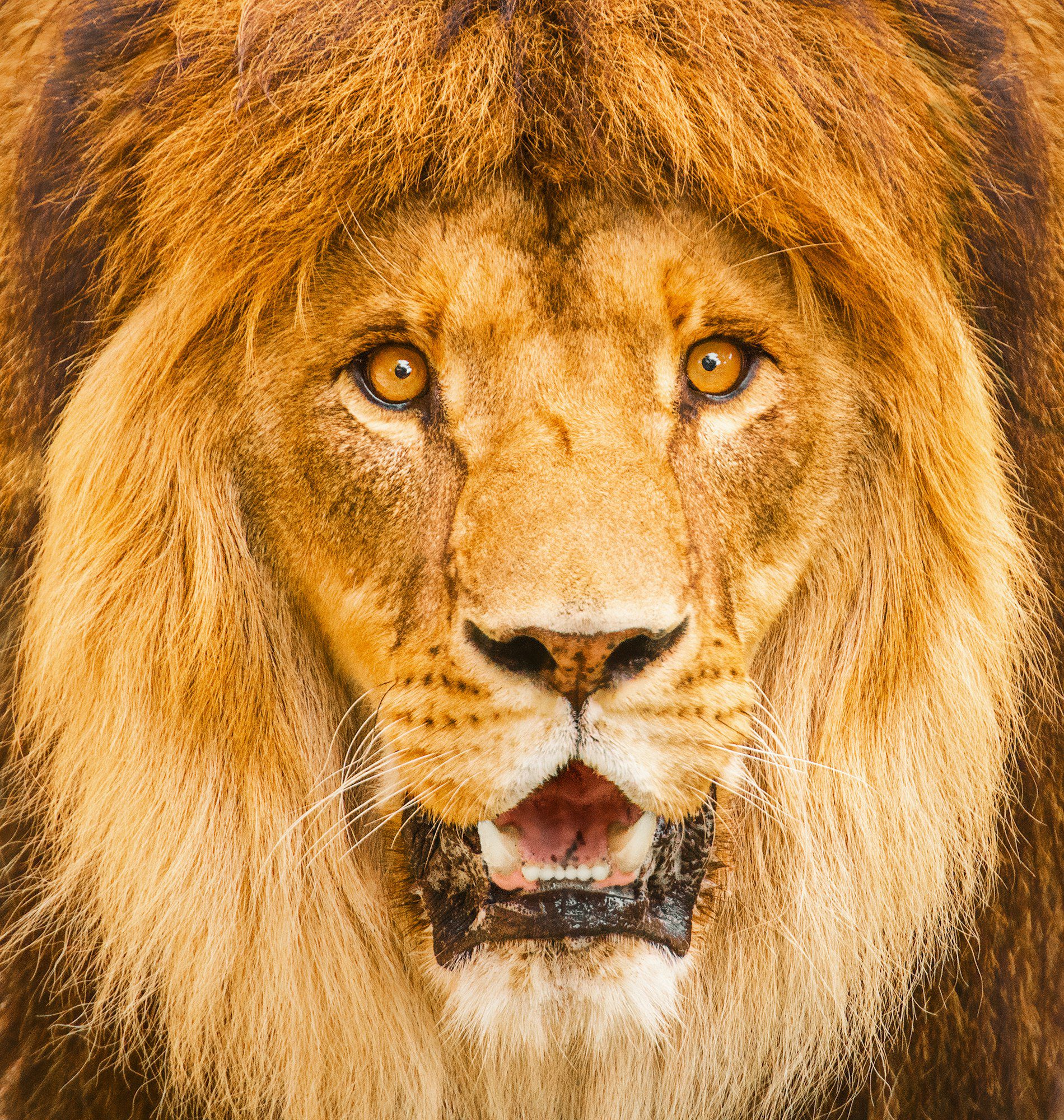
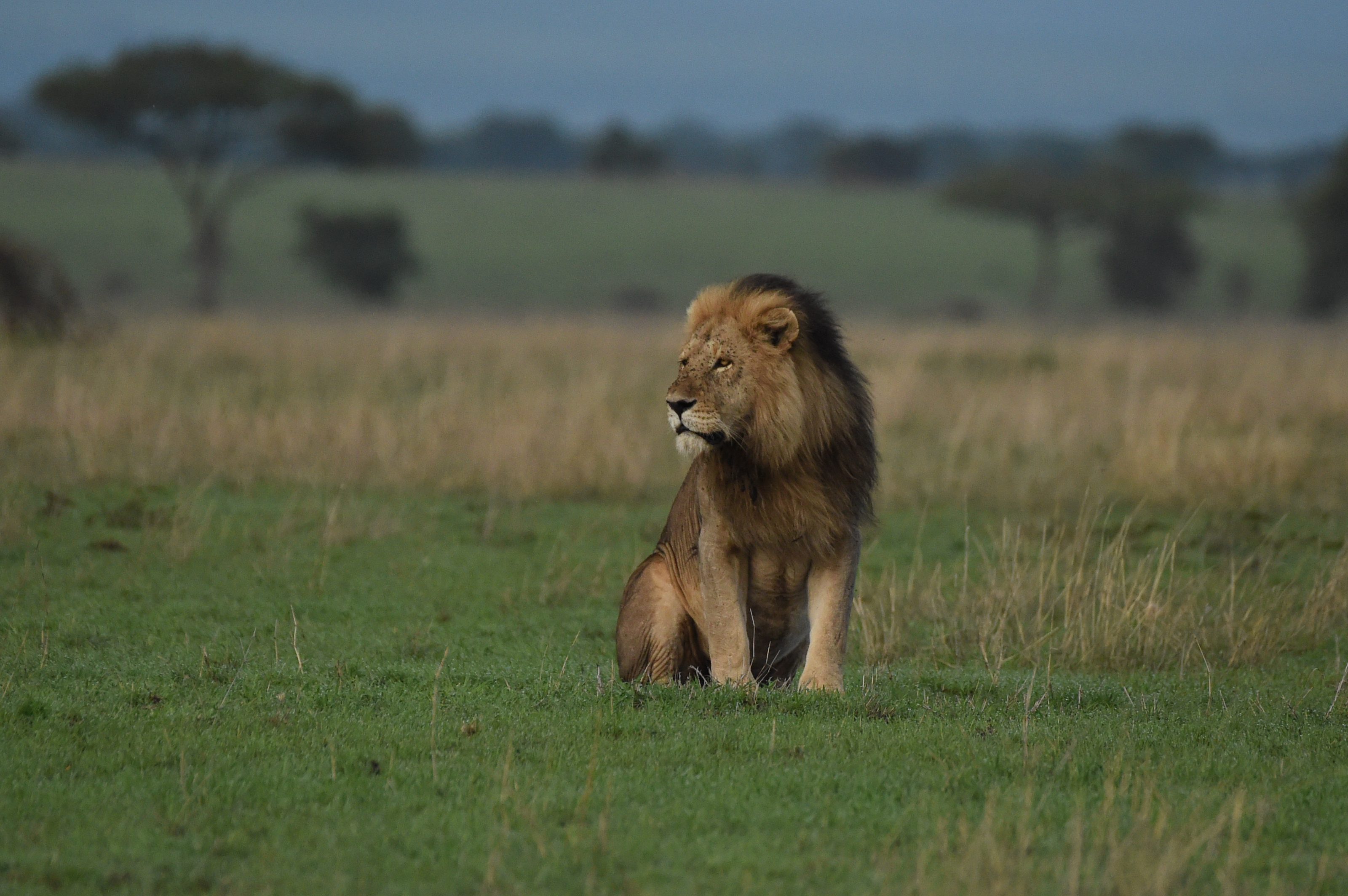
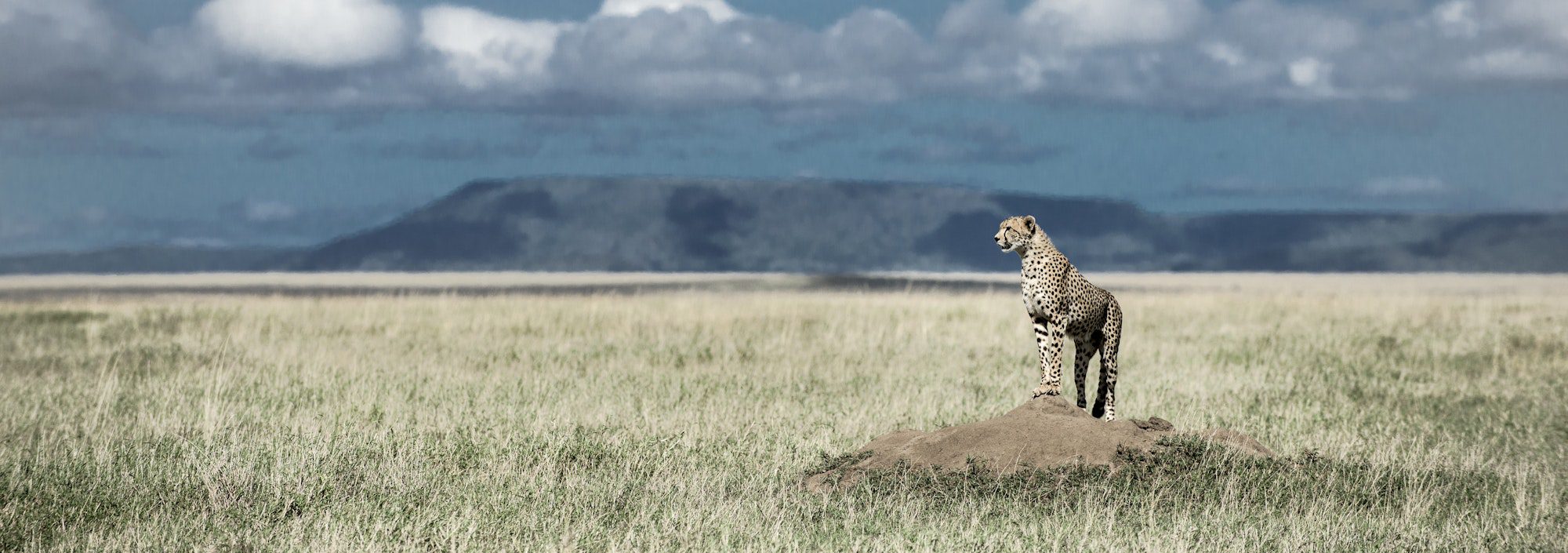
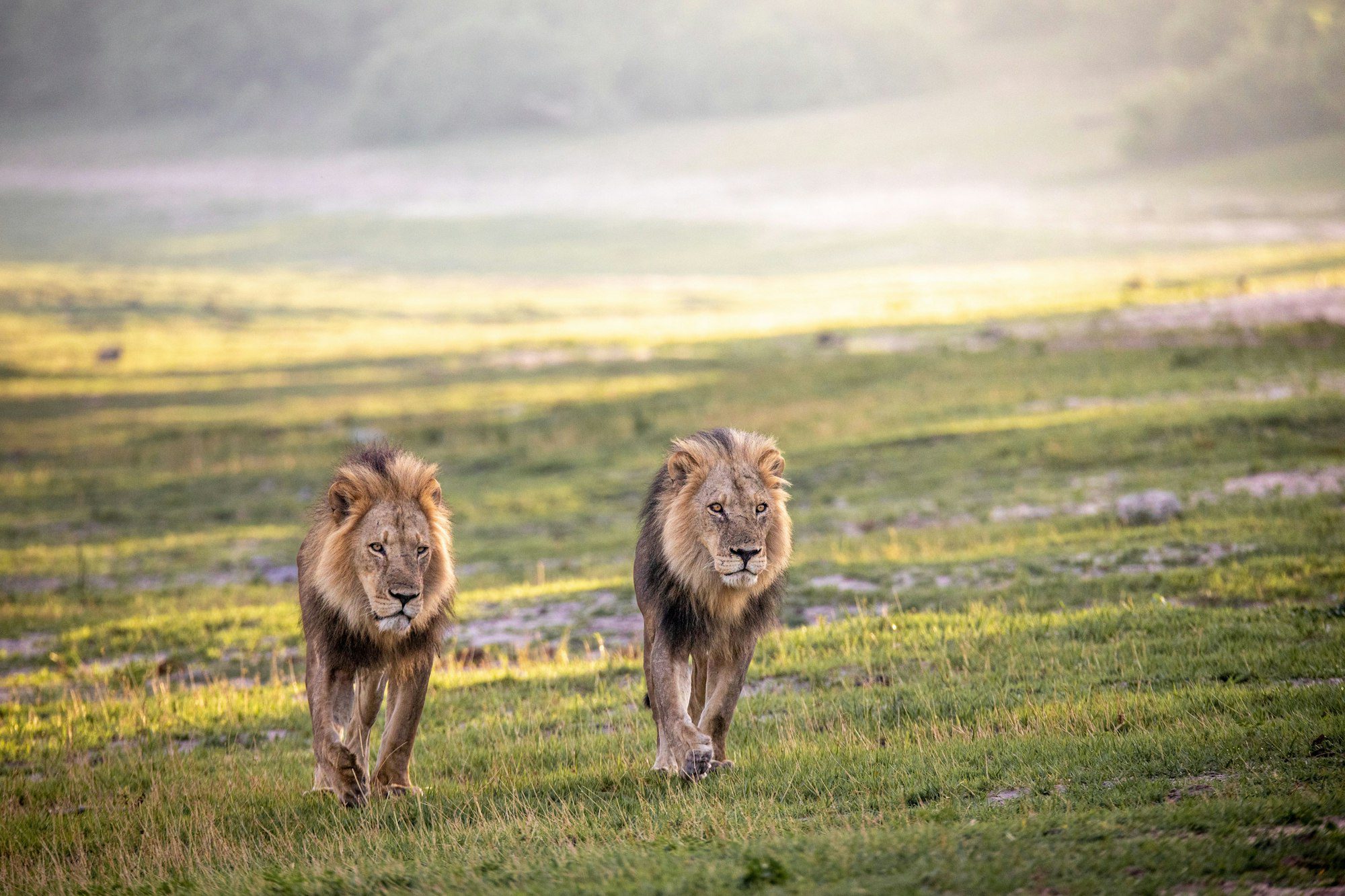
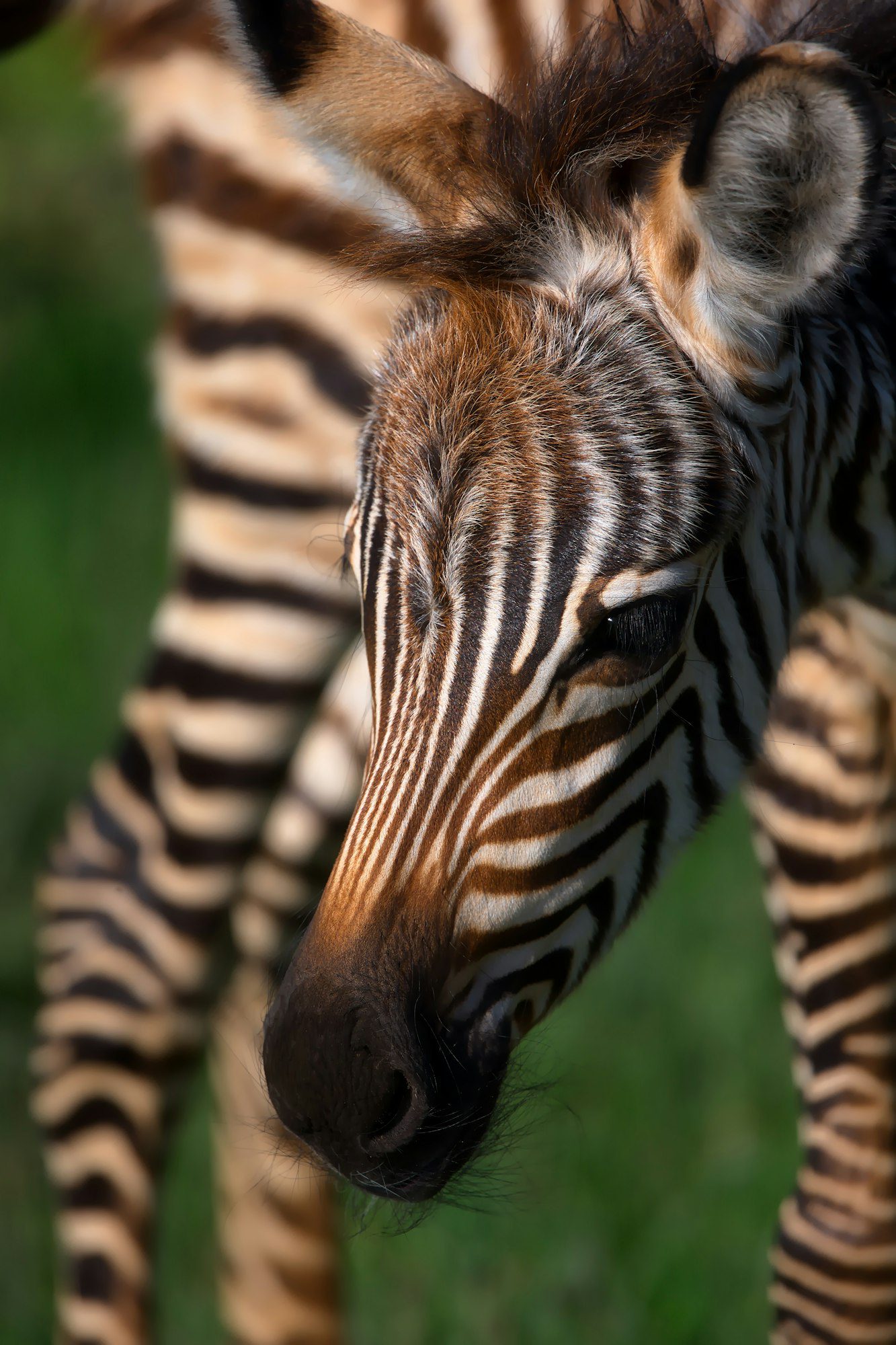
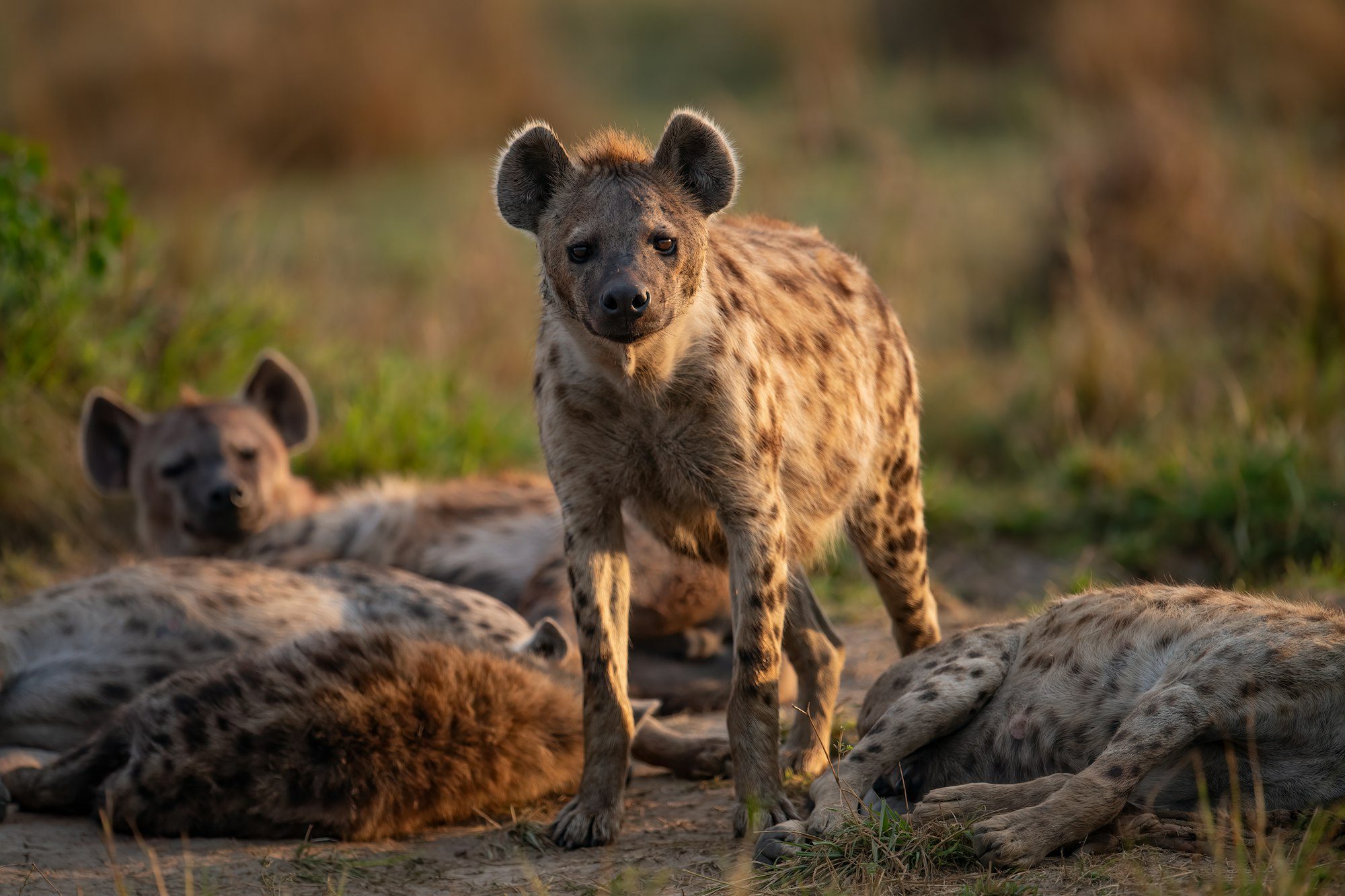
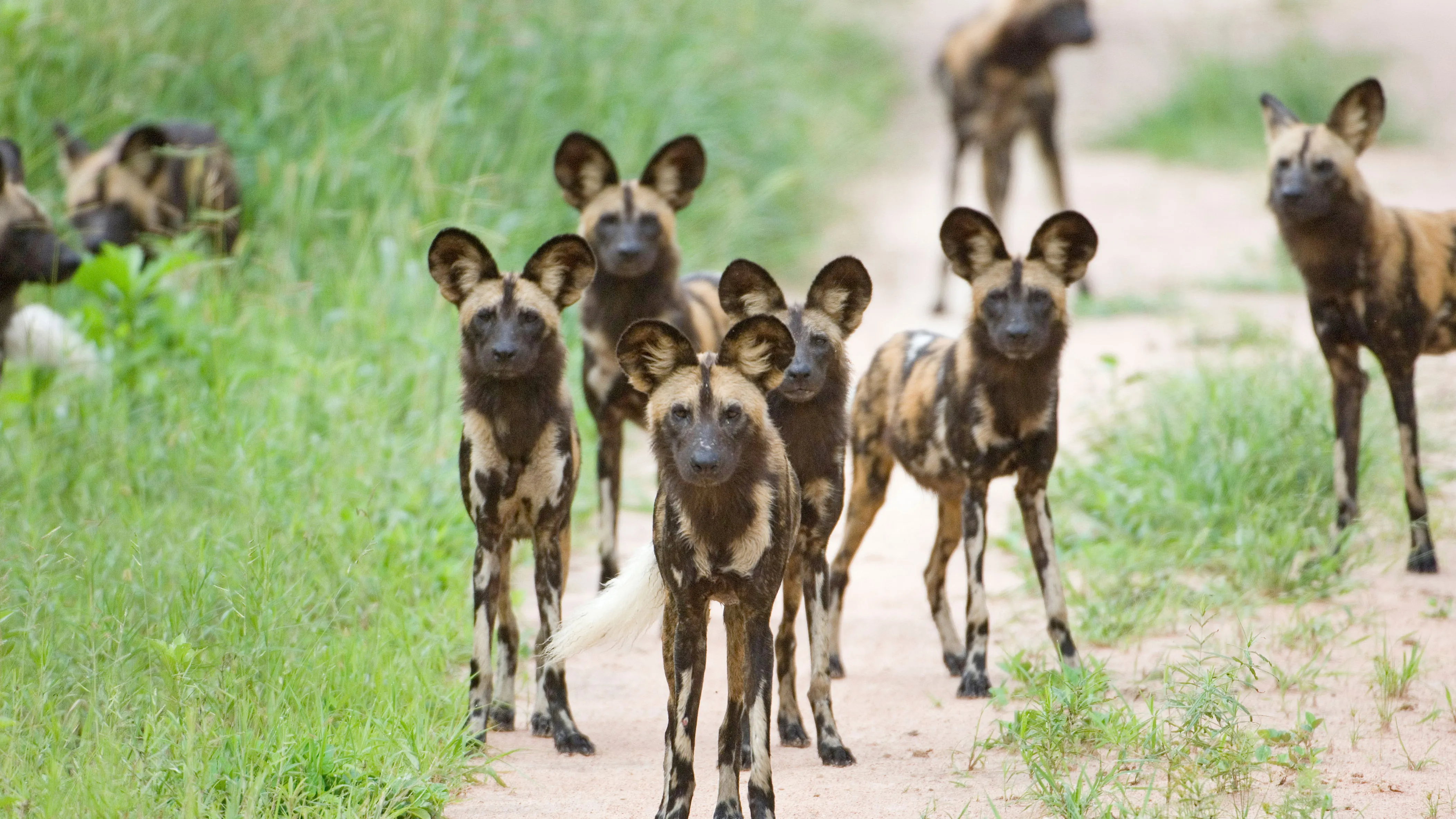
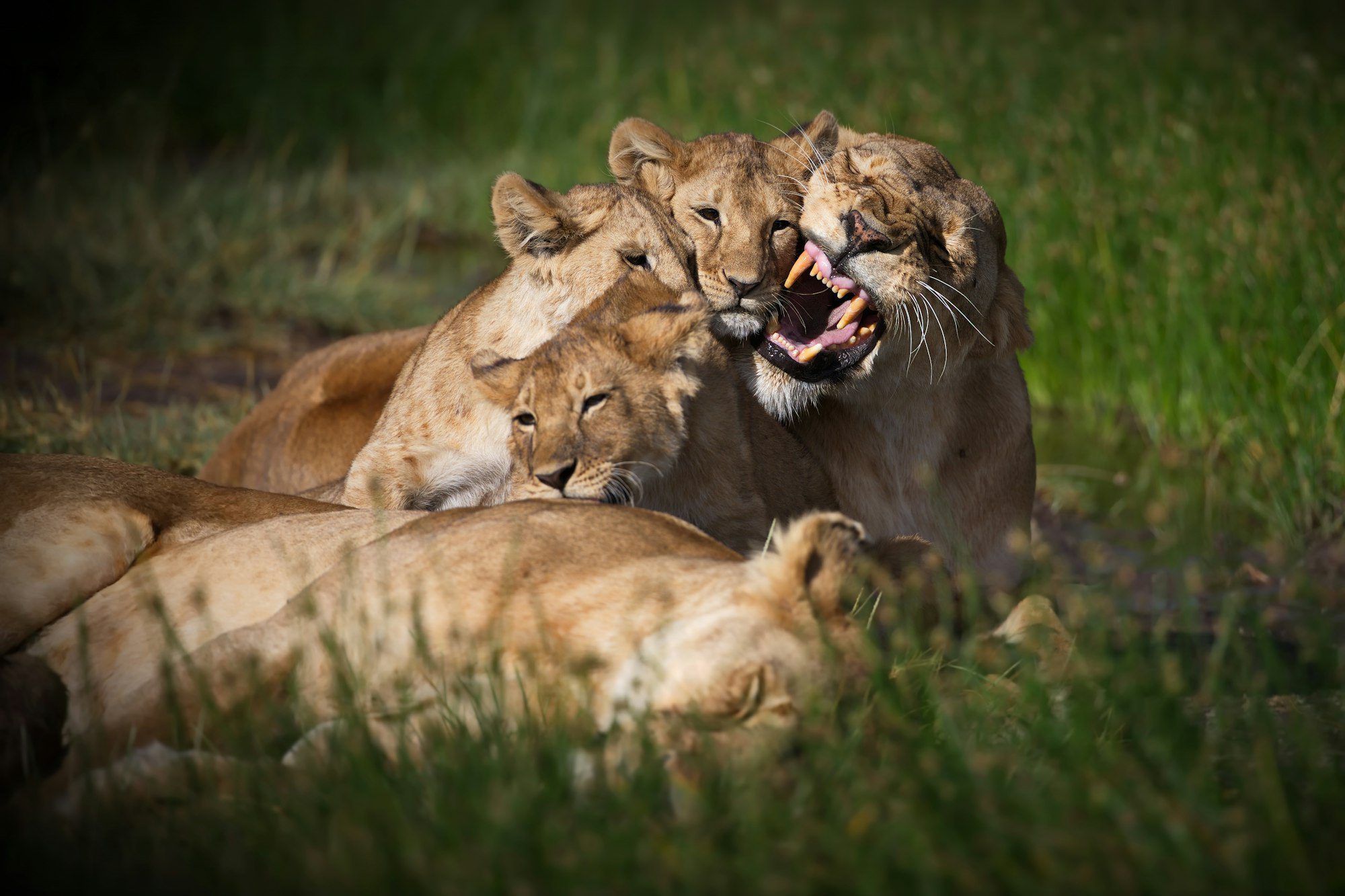
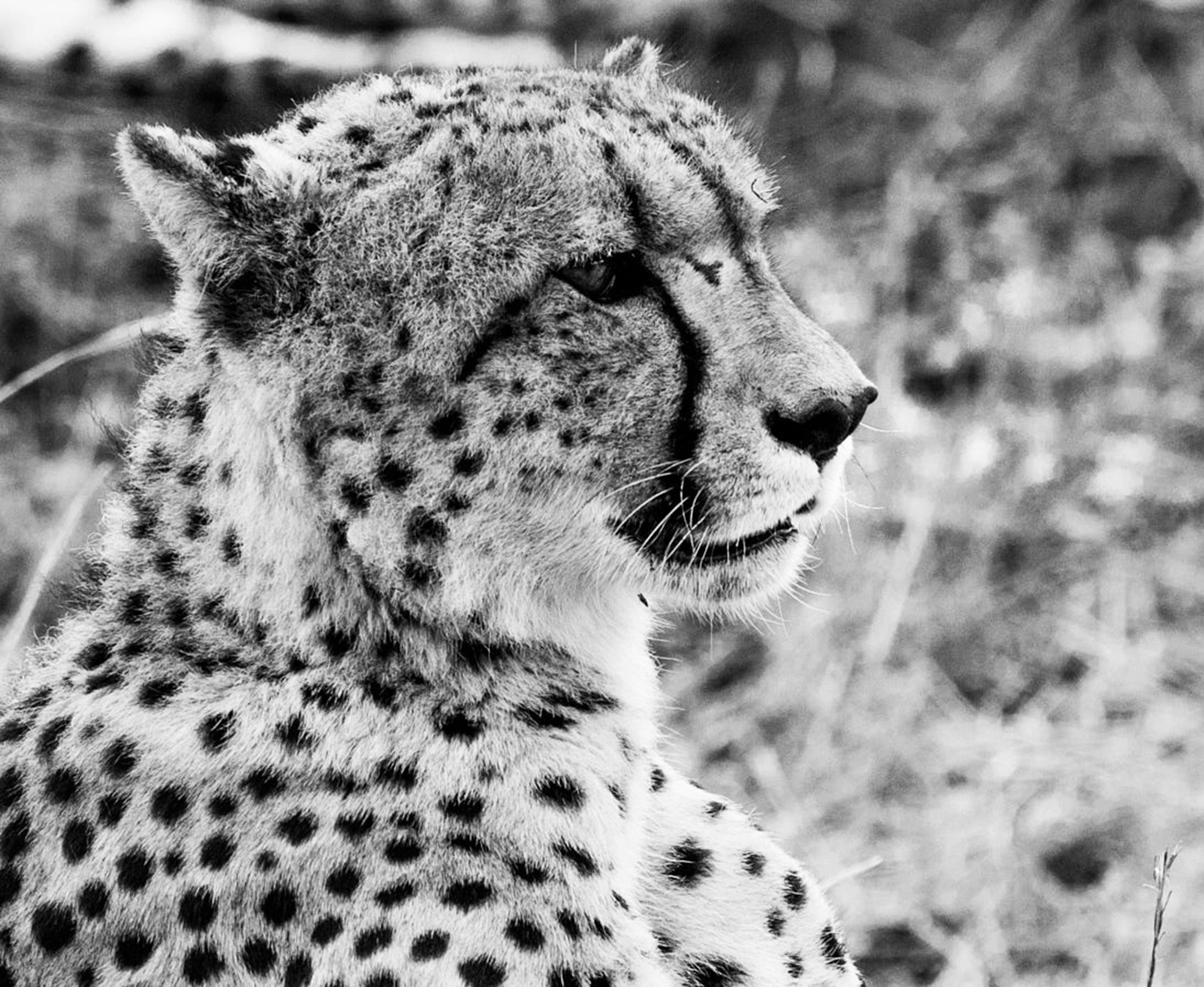
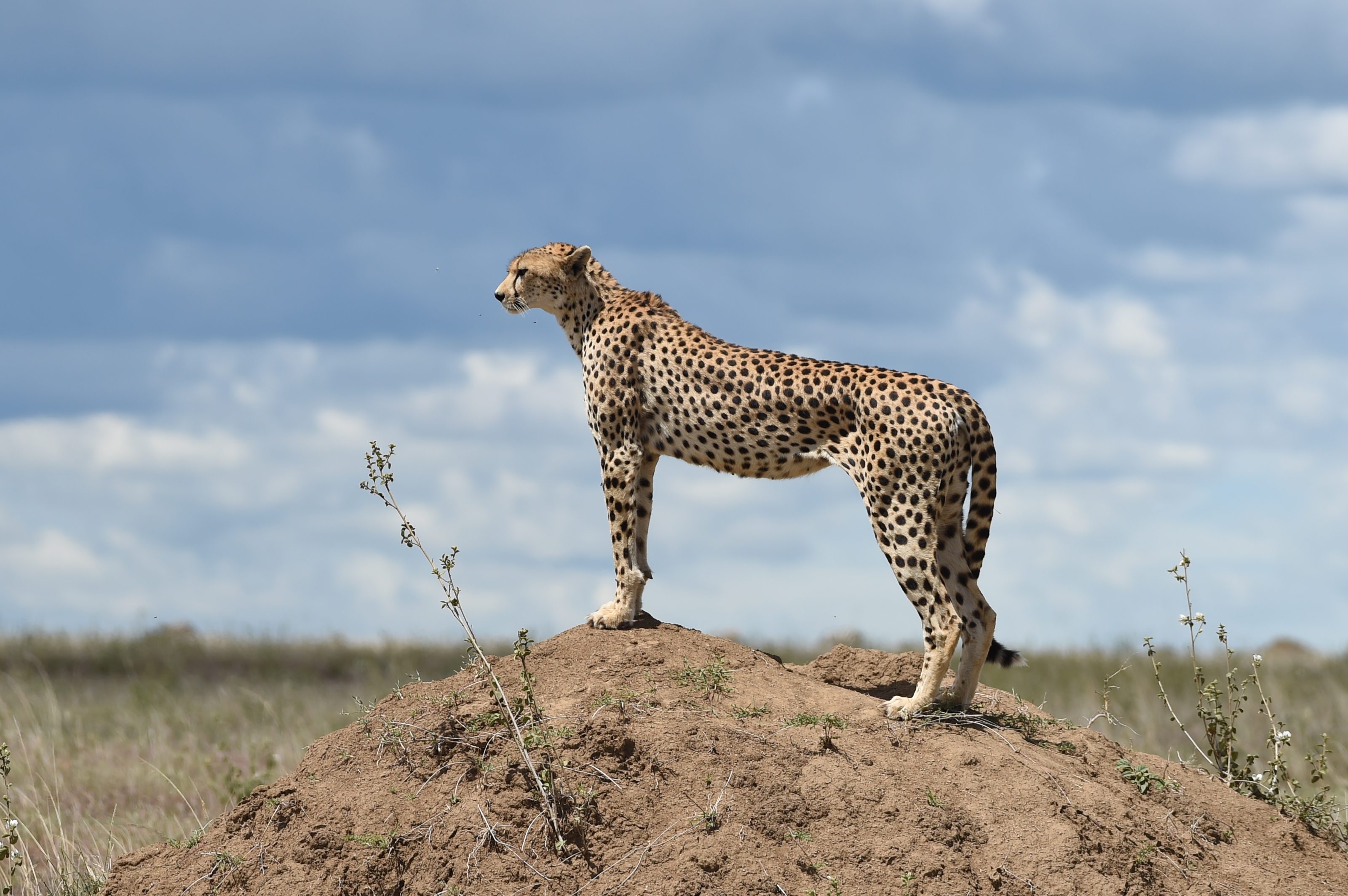
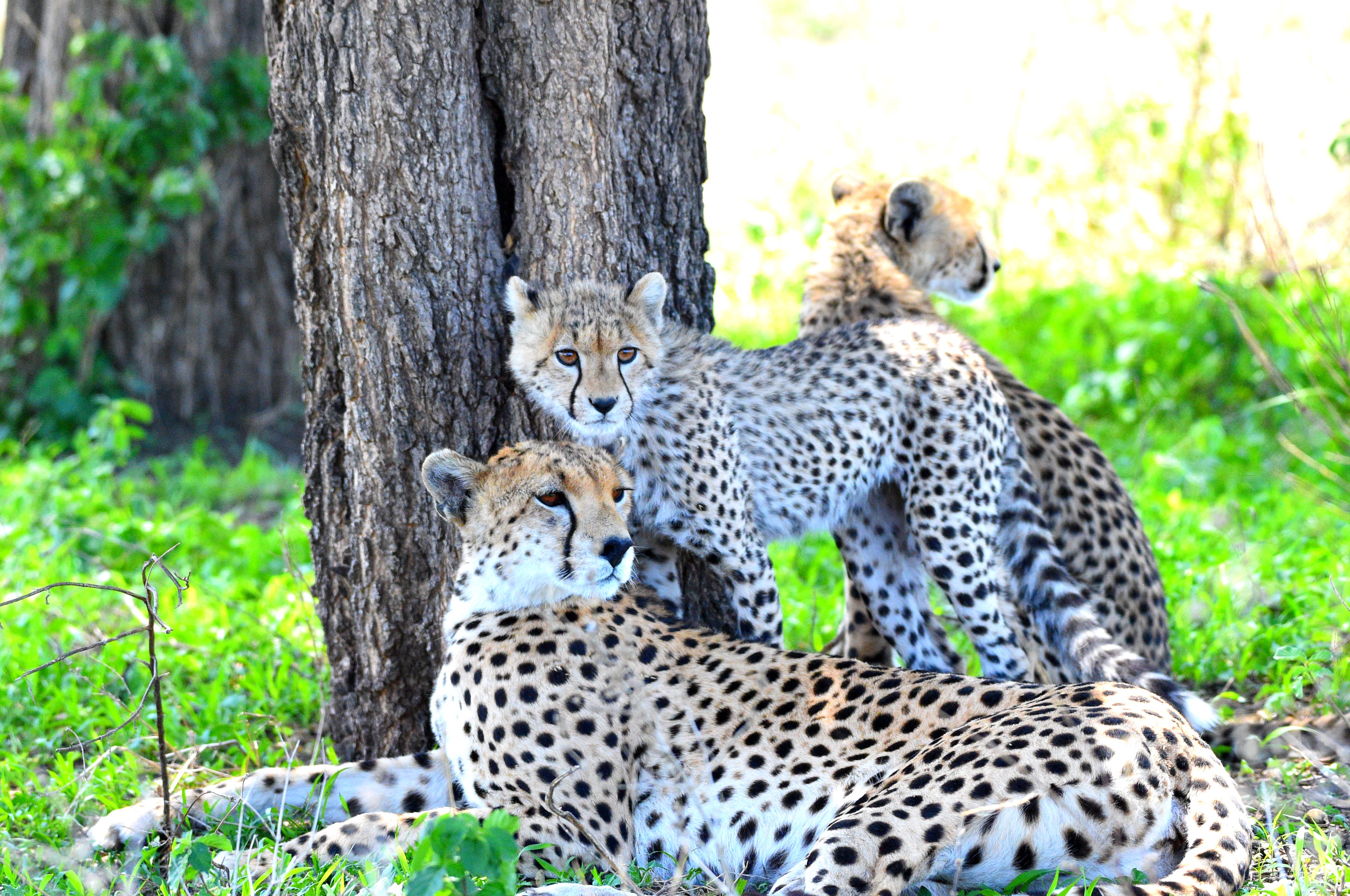
The herds gather on the nutrient-rich short-grass plains of the southern Serengeti and Ndutu area (within the Ngorongoro Conservation Area). This is calving season — roughly 500,000 calves are born in a 6-week window centered on February. Predators feast: lion prides, cheetah families, hyena clans, and packs of wild dogs all follow the herds.
Best camps: Ndutu area lodges and mobile camps. Experience: Endless plains covered with wildebeest, dramatic predator action, newborn calves taking their first steps.
April – May: Central & Western Serengeti
As the long rains arrive, the herds begin moving northwest through the central Serengeti (Seronera) toward the Western Corridor. The columns can stretch for 40 kilometers. This is a quieter period for tourism — low season means fewer vehicles and better rates.
June – July: Western Corridor & Grumeti River
The herds reach the Western Corridor and face their first major obstacle: the Grumeti River. Grumeti crossings are smaller and less famous than the Mara crossings, but they're equally dramatic — massive Nile crocodiles patrol the deep pools, and the narrow banks create chaos.
July – October: Northern Serengeti & Mara River
This is the migration's most iconic chapter. The herds mass along the Mara River in the northern Serengeti (Kogatende area). Crossings are explosive and unpredictable — thousands of wildebeest may stand on the banks for hours before a single animal plunges in, triggering a stampede. The herds cross and re-cross multiple times, driven by the search for fresh grazing.
Best camps: Kogatende and Lamai area. Book 6–12 months ahead — this is the most popular migration period.
October – November: Return South
As the short rains begin in the Serengeti, the herds reverse course and head south. Some animals cross into Kenya's Masai Mara before returning. By late November and December, they're back on the southern plains, completing the cycle.
The Mara River Crossings
River crossings are the migration's most dramatic and photographed moments. What you need to know:
- Timing is unpredictable. Herds may build up for days, then cross suddenly. Or they may approach the river and turn back. Patience is essential.
- Crossings happen from July through October, with peak activity in August–September.
- Multiple crossing points exist along the Mara River. Your guide's knowledge of current herd positions is critical.
- Not every crossing is massive. Some involve a few hundred animals; others involve tens of thousands. Both are unforgettable.
How to Plan a Migration Safari
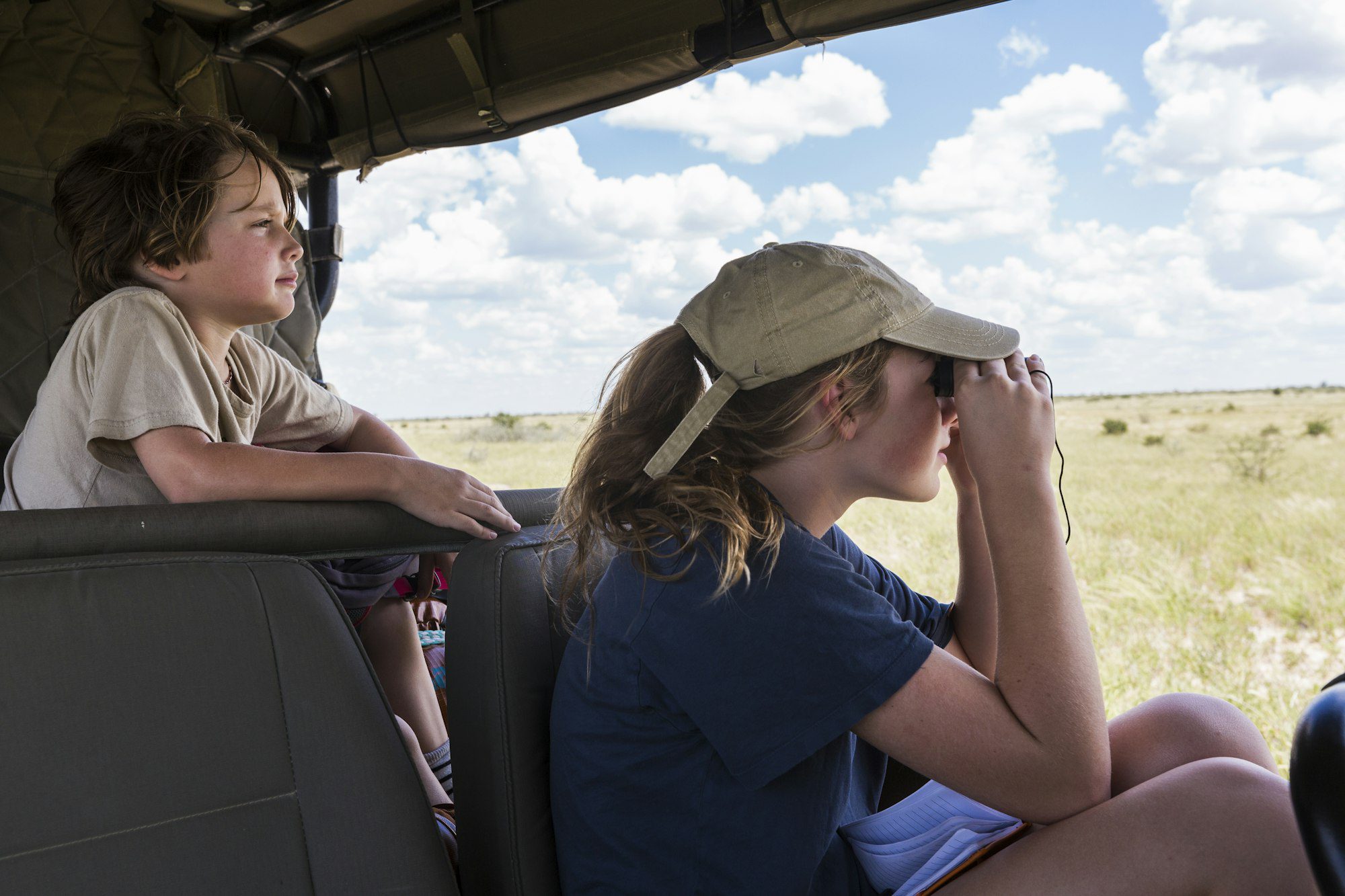
A migration-focused safari requires careful timing and positioning. Here are our top recommendations:
- Choose your experience: Calving (Jan–Feb) for drama and predators, or river crossings (Jul–Sep) for the iconic spectacle.
- Allow at least 3 nights in the Serengeti to maximize your chances of witnessing key events. Migration timing is approximate, and extra days give your guide flexibility to reposition.
- Book early for peak periods. River crossing camps (Kogatende, Lamai) in July–September sell out 6–12 months ahead.
- Consider mobile camps. These move with the migration, keeping you in the action regardless of the herds' exact position.
- Combine with other parks. A classic itinerary adds the Ngorongoro Crater and Tarangire before or after your Serengeti migration experience.
Migration Safari vs Regular Safari
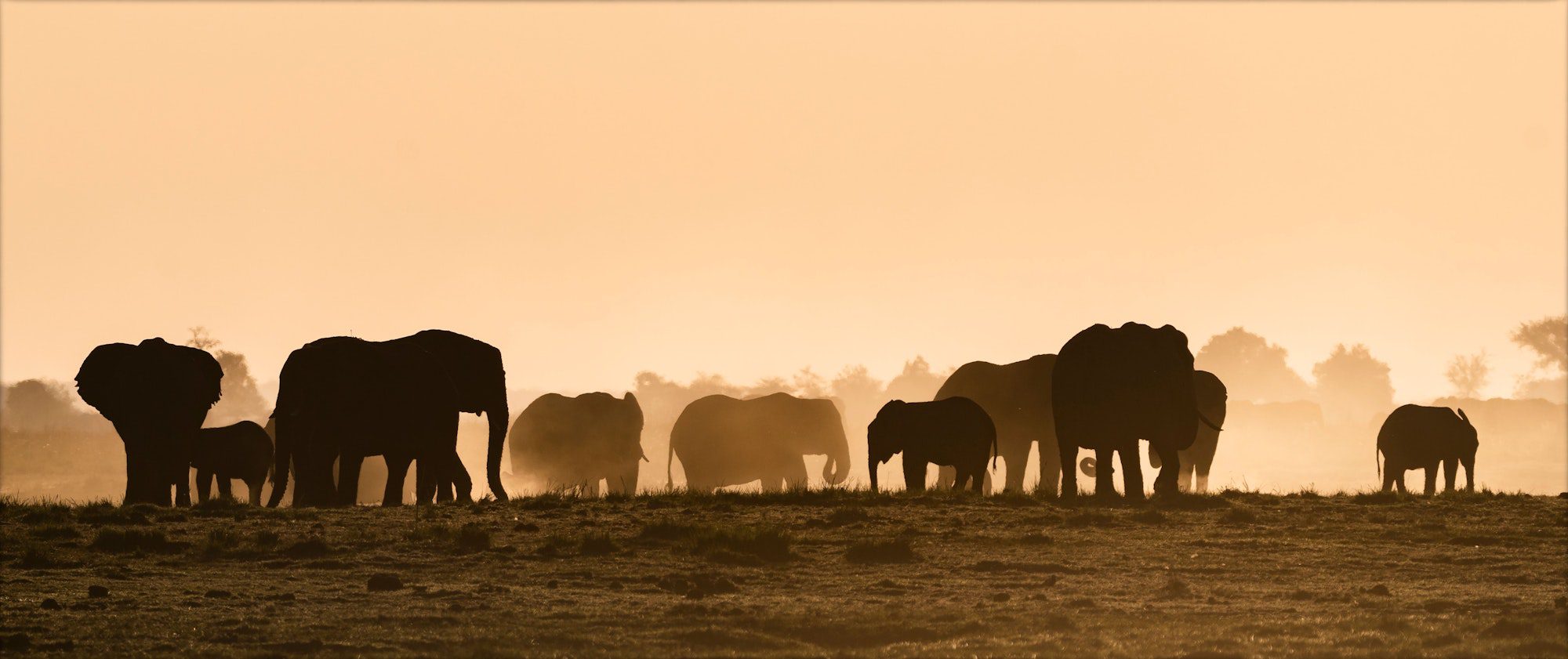
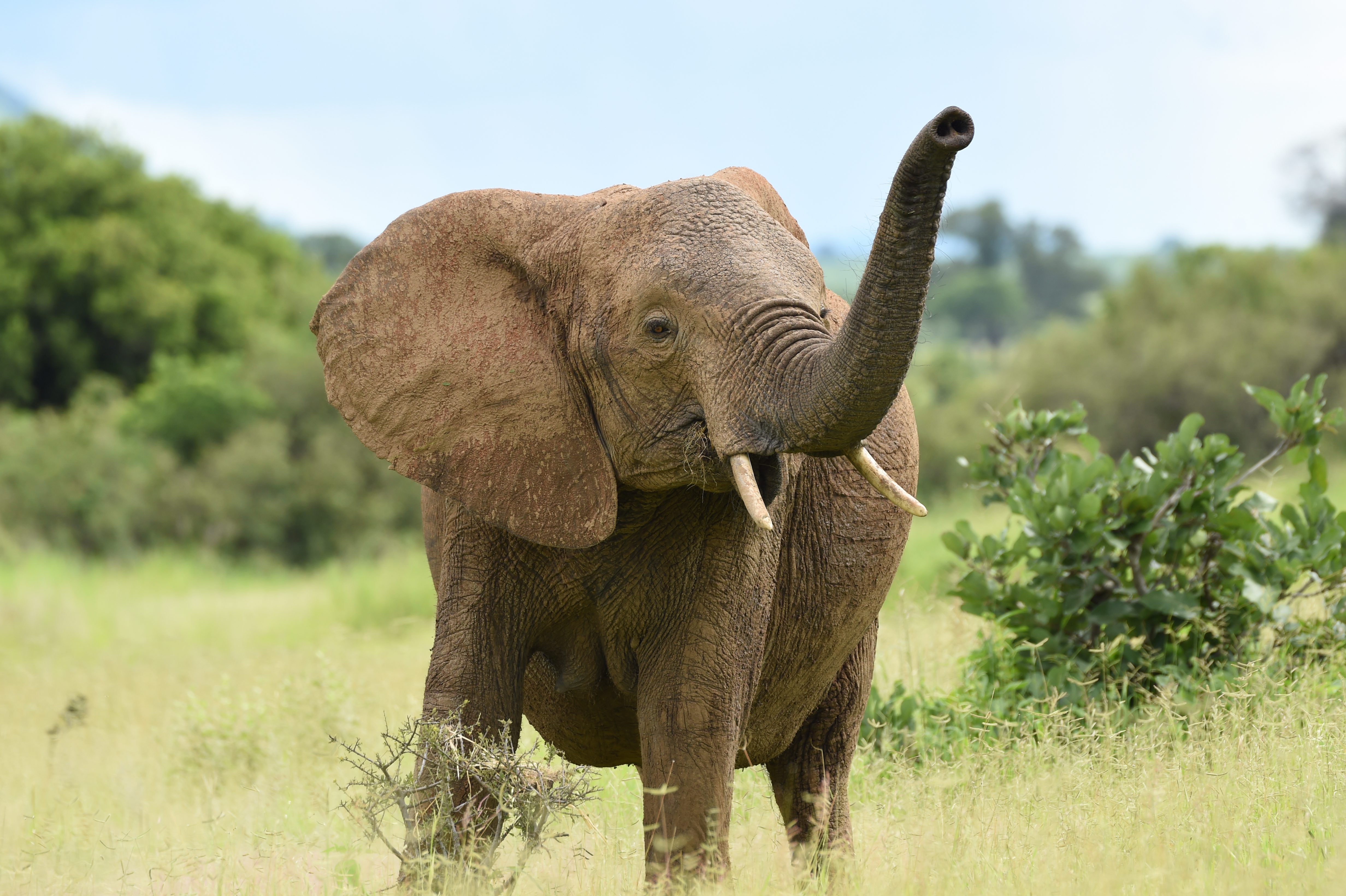
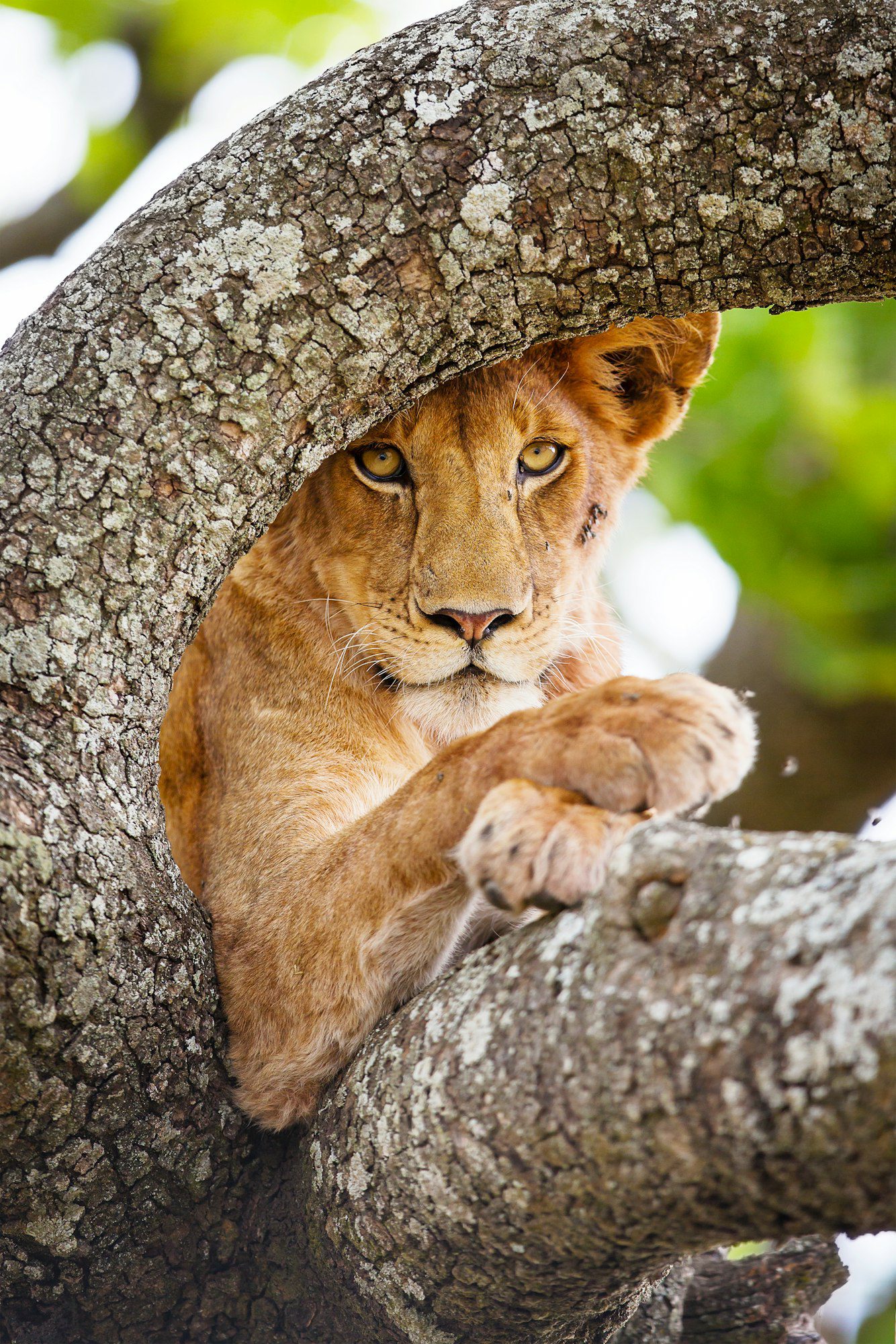
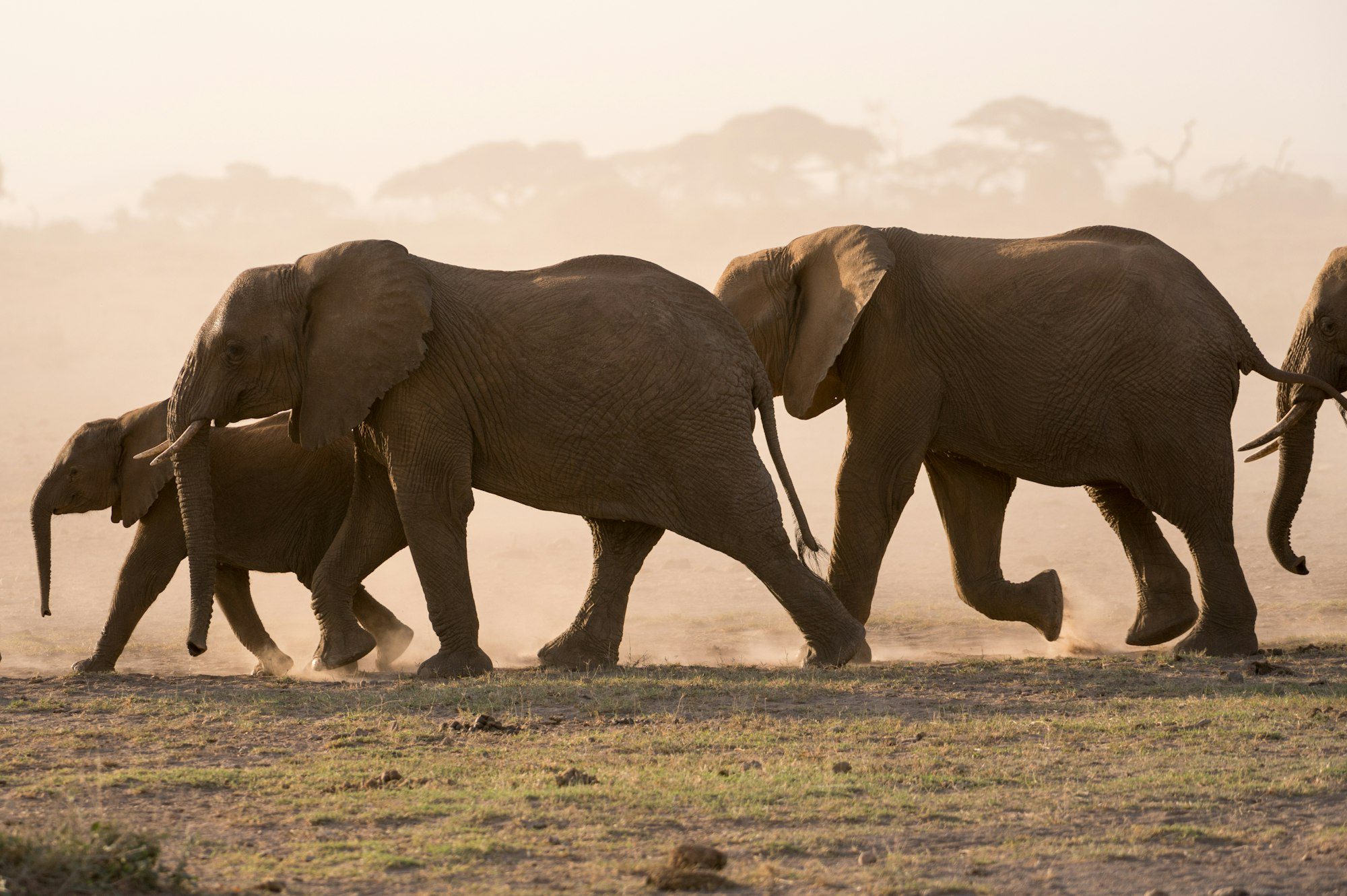
Even without the migration, the Serengeti is one of Africa's greatest wildlife destinations. Resident lion prides, leopards, elephants, giraffes, and hundreds of other species are present year-round. The migration adds a spectacular layer, but it's not the only reason to visit.
If your travel dates don't align with migration highlights, don't worry — you'll still have an extraordinary Serengeti experience. Our Serengeti timing guide covers what to expect in every month.
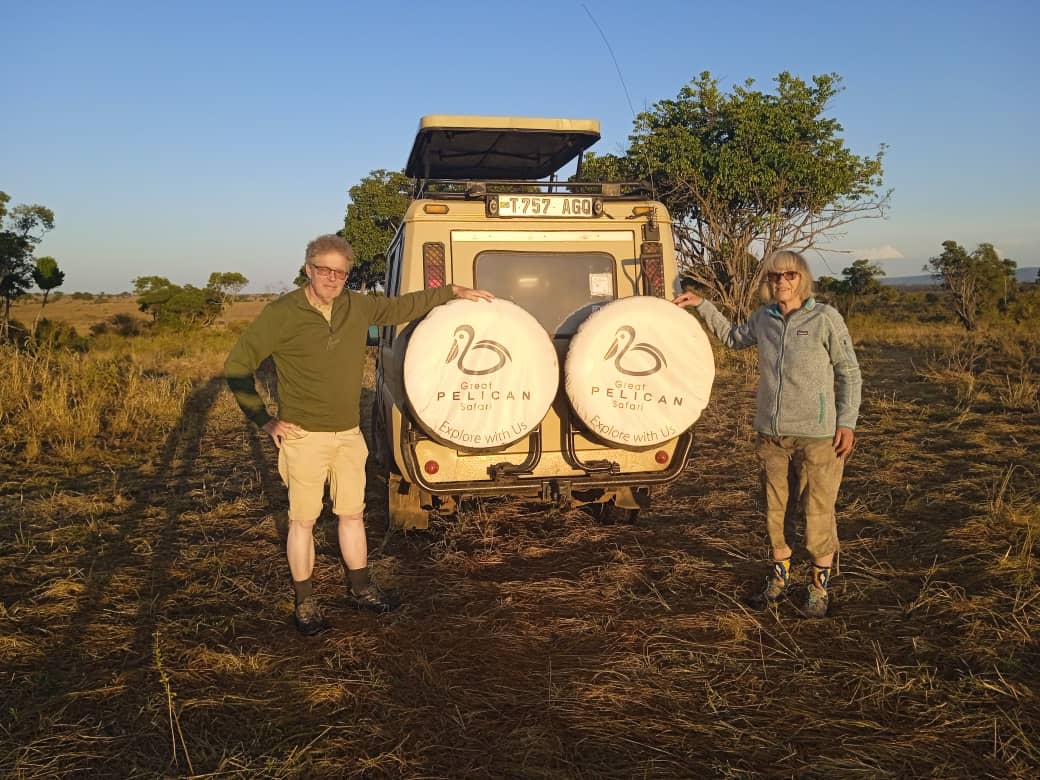
Experience the Migration with Great Pelican Safaris
We design migration safaris that position you in the right place at the right time, using our real-time knowledge of herd movements and the best camps in each area. Request your custom migration safari quote — tell us your dates and we'll show you where the herds will be.