

Your First Tanzania Safari: What to Expect
If you've never been on an African safari, the experience is unlike anything else in travel. It's not a zoo, not a theme park, and not entirely predictable — that's what makes it extraordinary. This guide covers everything first-time safari-goers need to know, from what a typical day looks like to realistic wildlife expectations.
A Typical Safari Day
Most Tanzania safari days follow a similar rhythm:
- 5:30–6:00 AM: Wake-up call. Tea, coffee, and light snacks before departure.
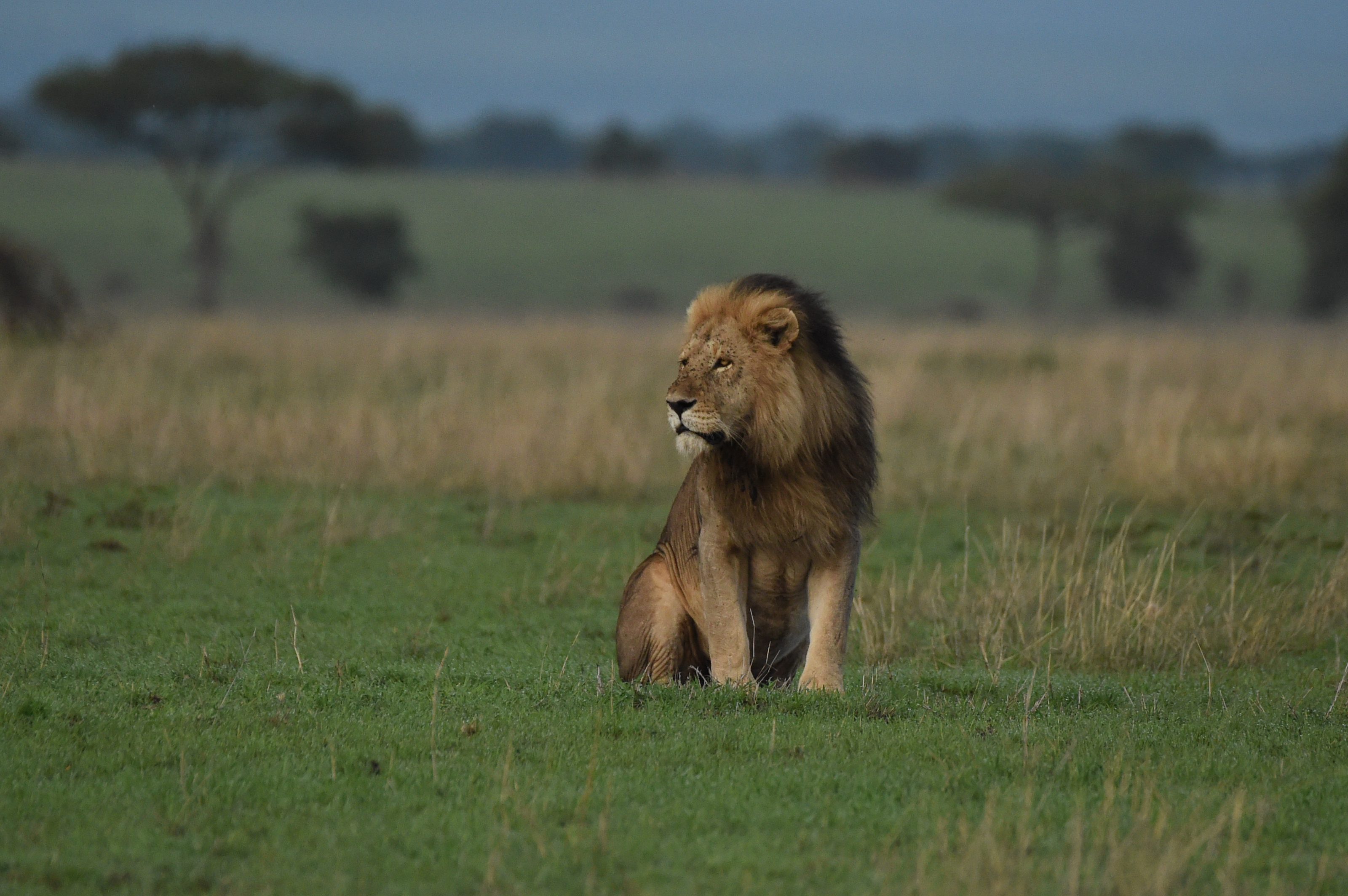
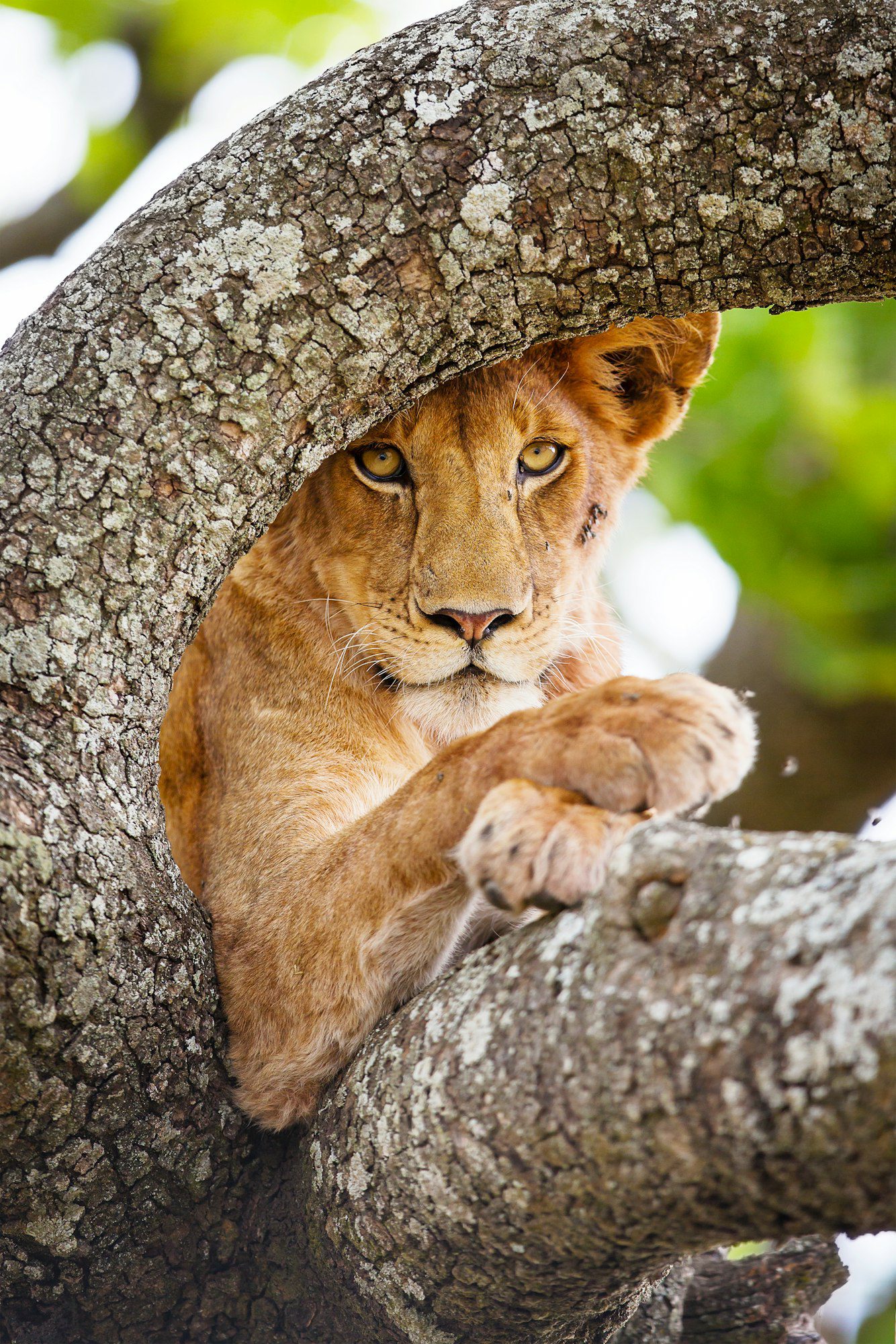
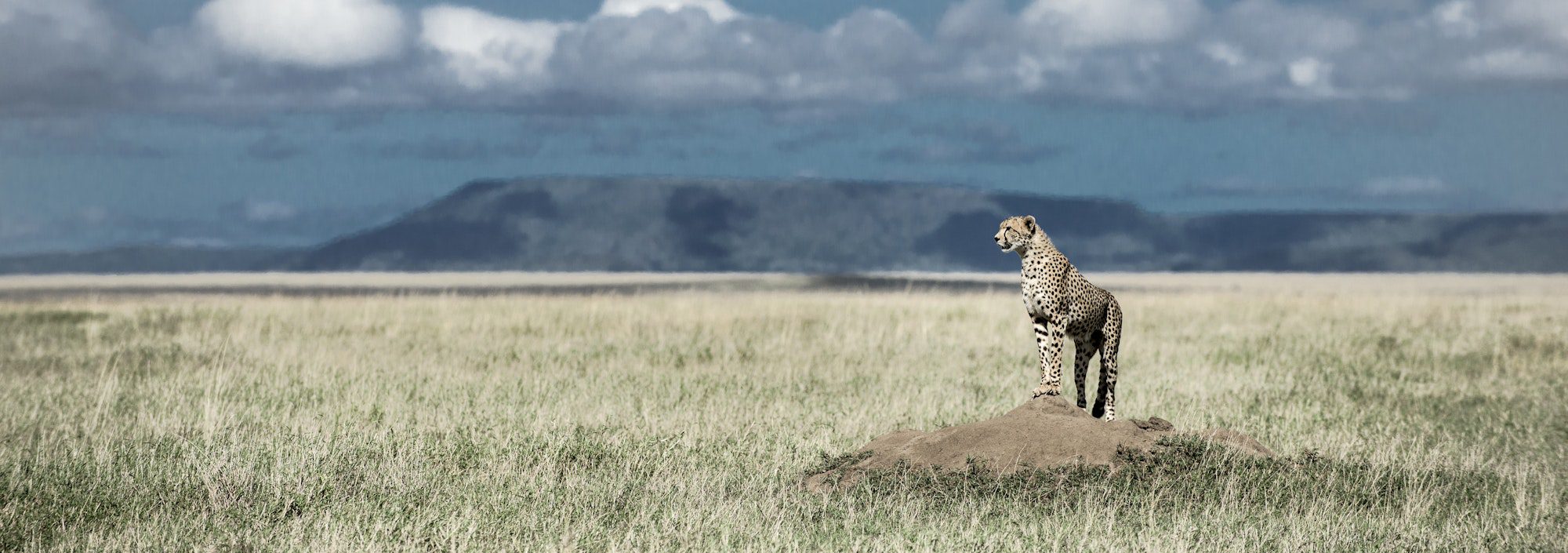
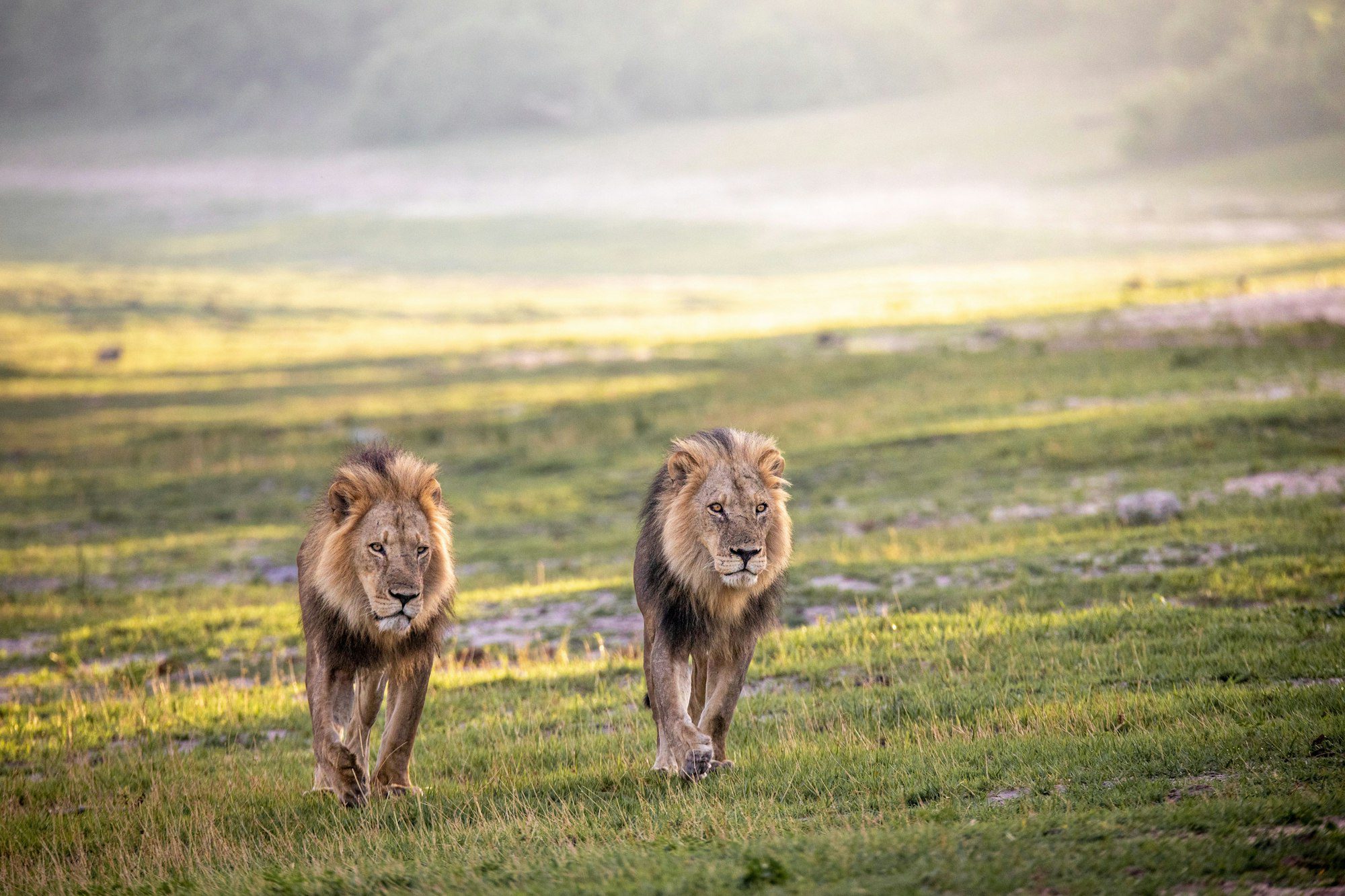
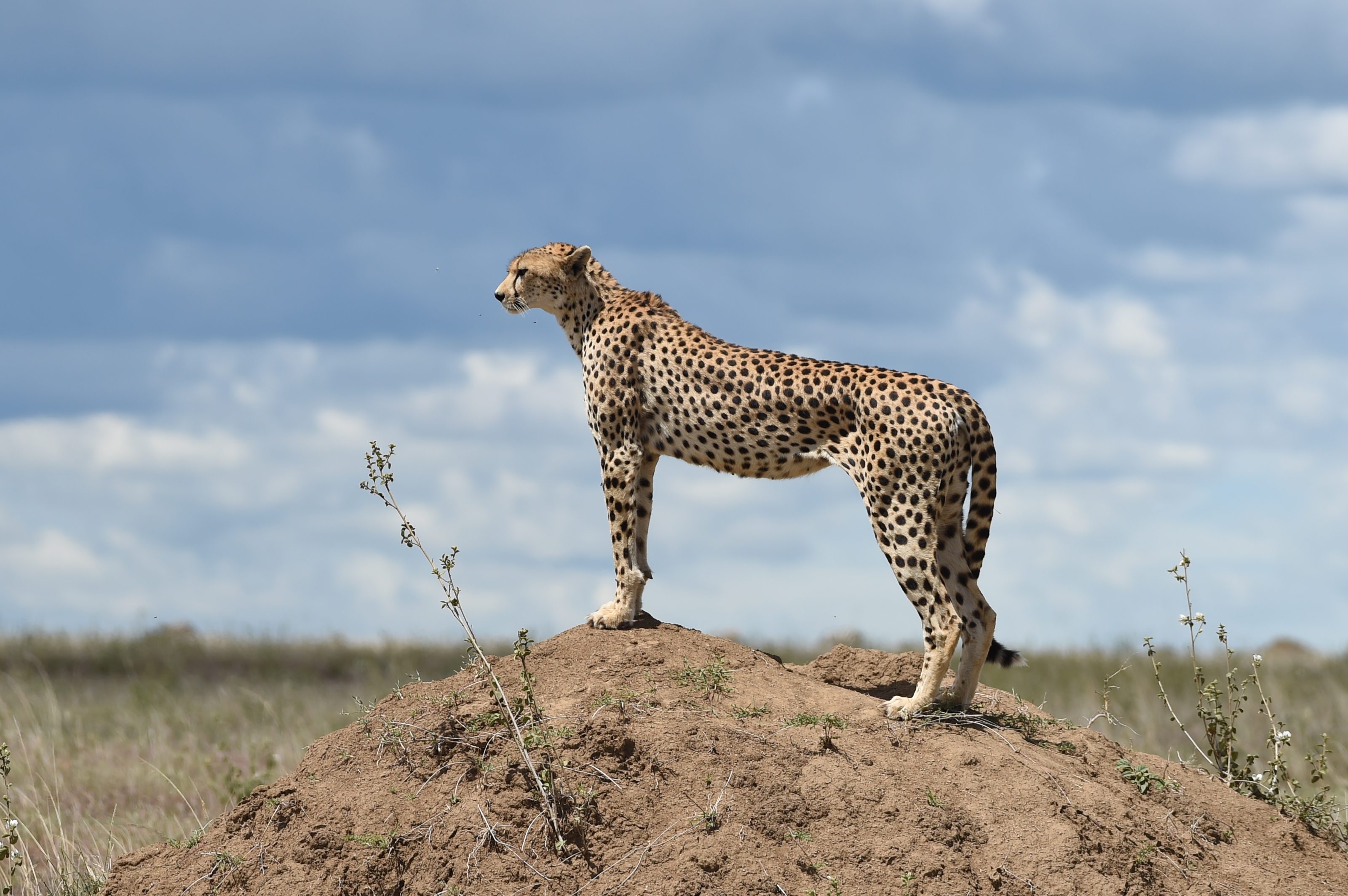
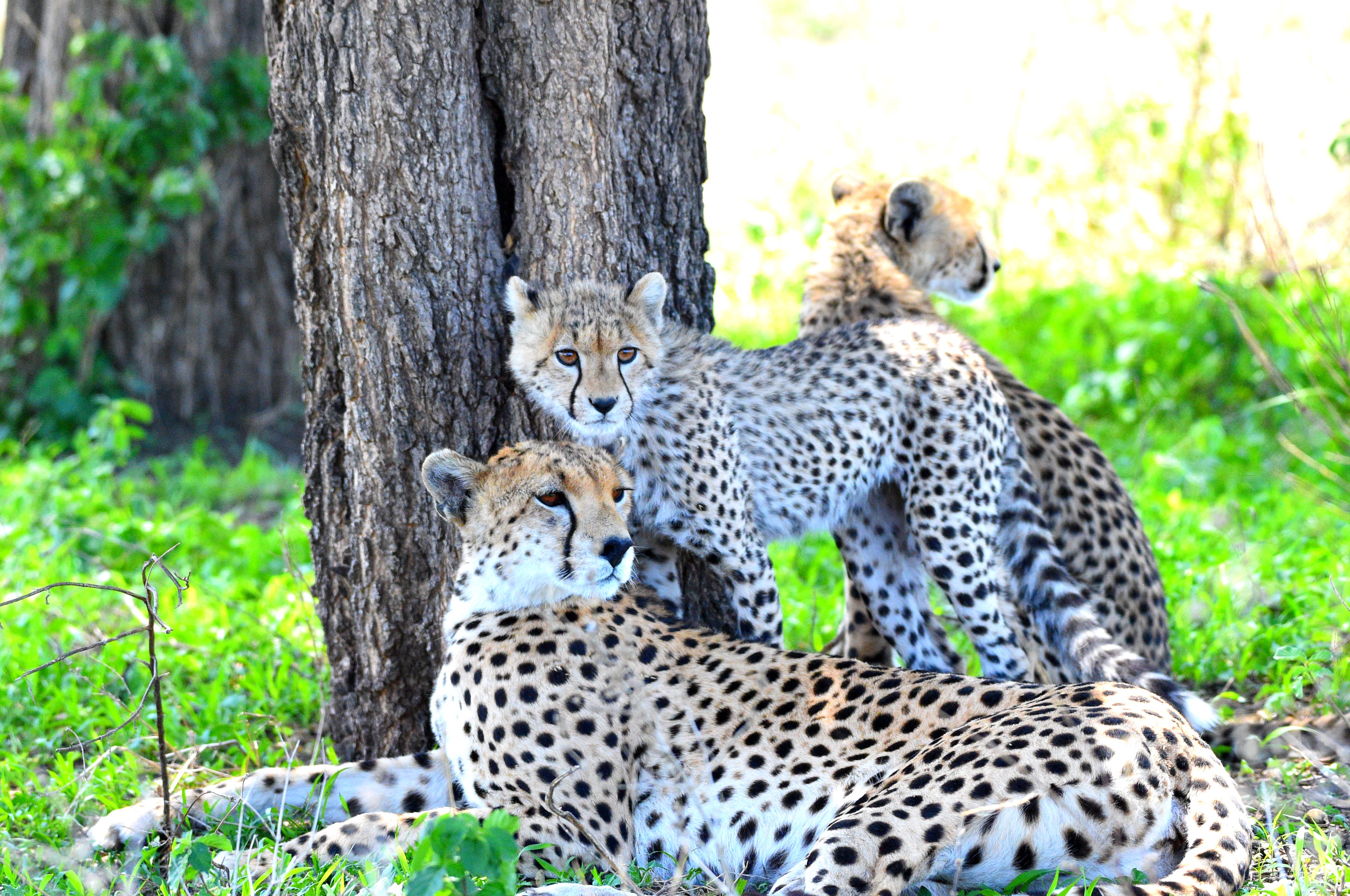
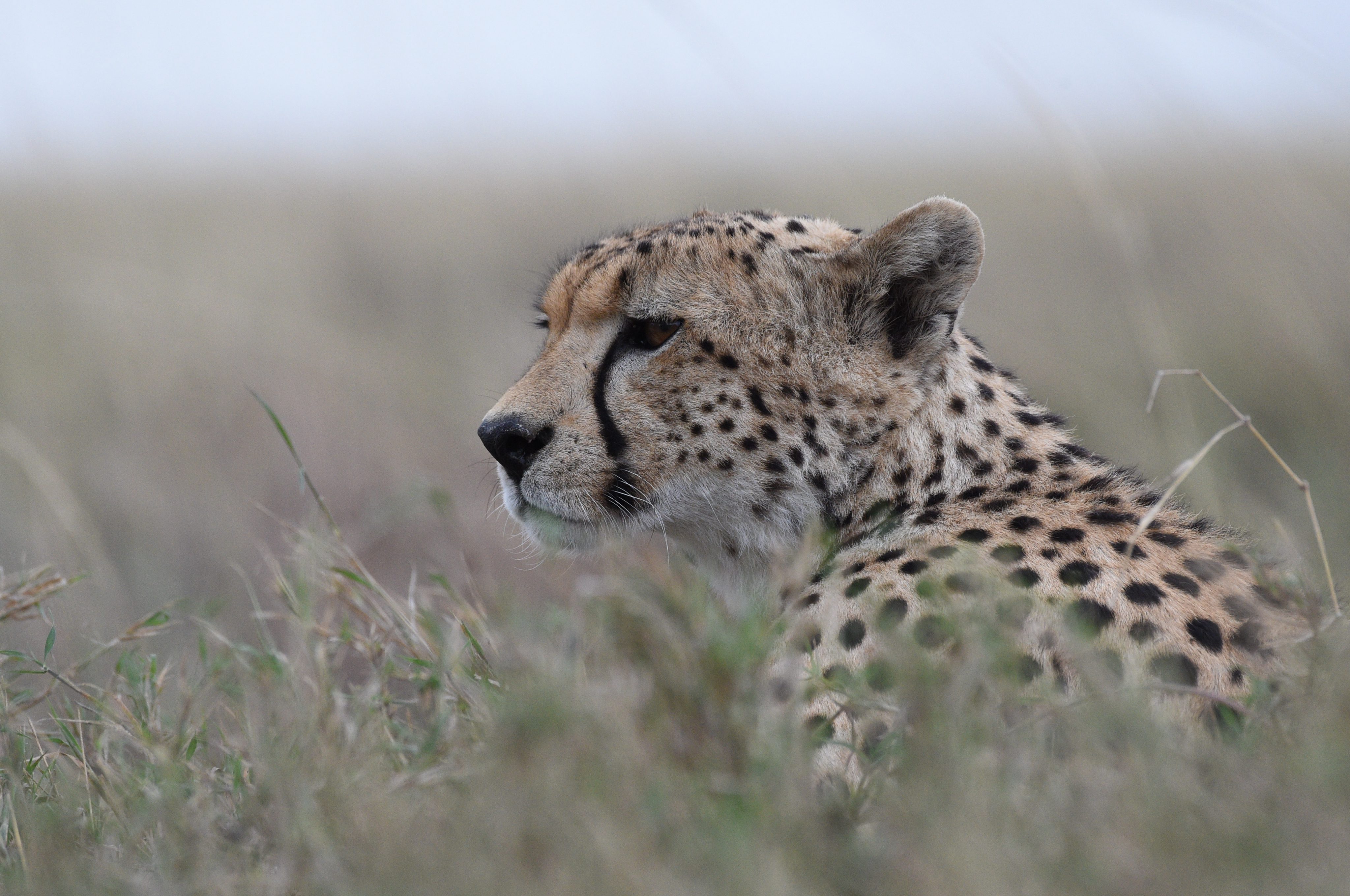
- 6:15–6:30 AM: Morning game drive begins. This is the best time for predator activity — lions returning from night hunts, cheetahs scanning for breakfast, leopards descending from their overnight tree perch.
- 9:00–10:00 AM: Full breakfast back at camp or lodge (or bush breakfast in the field).
- 10:00 AM–3:00 PM: Midday rest. Most animals retreat to shade during the heat. This is your time to relax, swim, nap, or photograph around camp.
- 3:30 PM: Afternoon game drive. Animals become active again as temperatures drop. Golden light makes this the best time for photography.
- 6:00–6:30 PM: Sundowner drinks (in some areas) followed by return to camp.
- 7:30–8:00 PM: Dinner. Many camps serve multi-course meals, and bush dinners under the stars are a highlight.
- 9:00–10:00 PM: Bed. You'll be surprised how tired safari days make you — fresh air, excitement, and early mornings add up.
Your Safari Vehicle
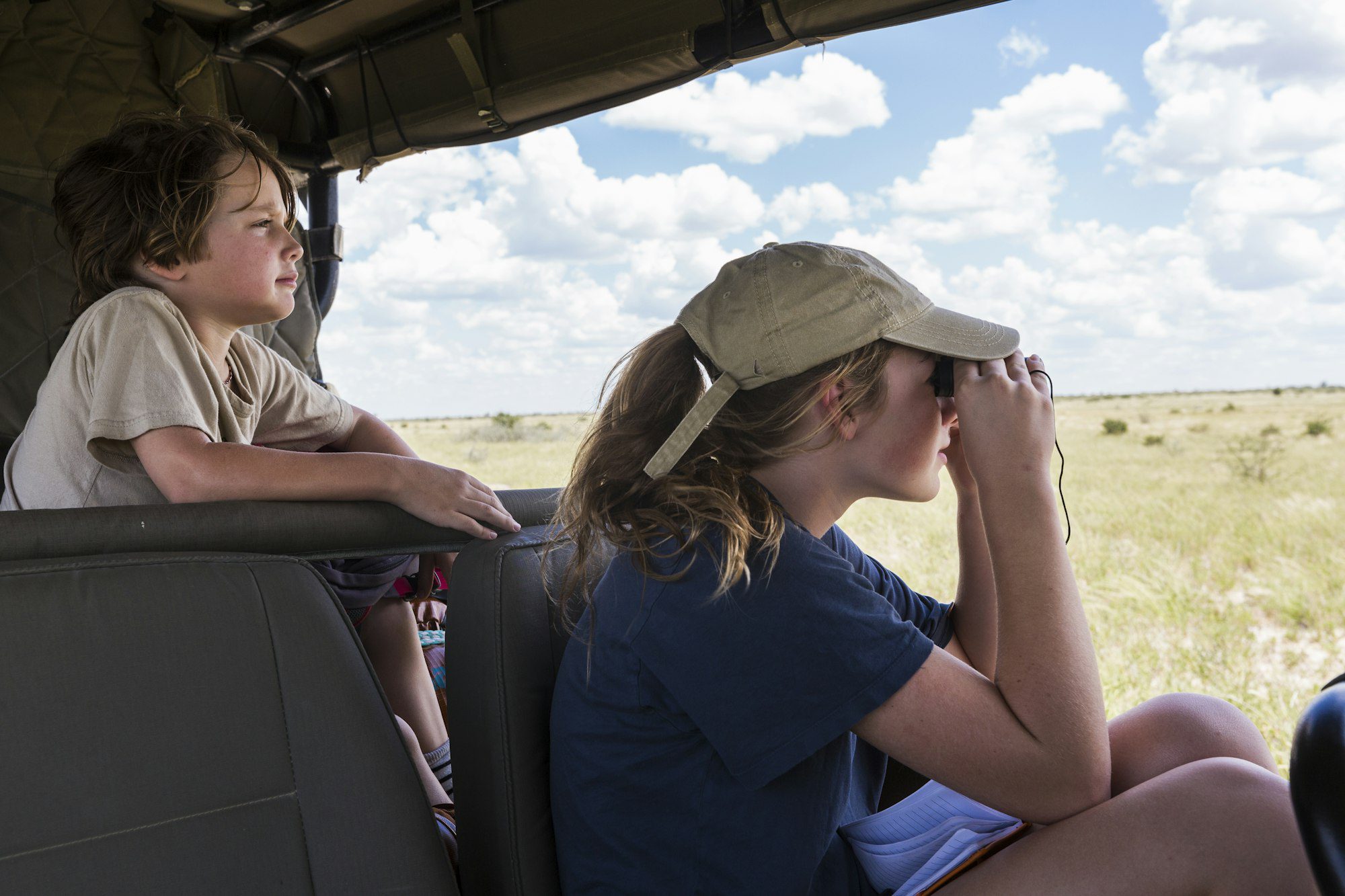
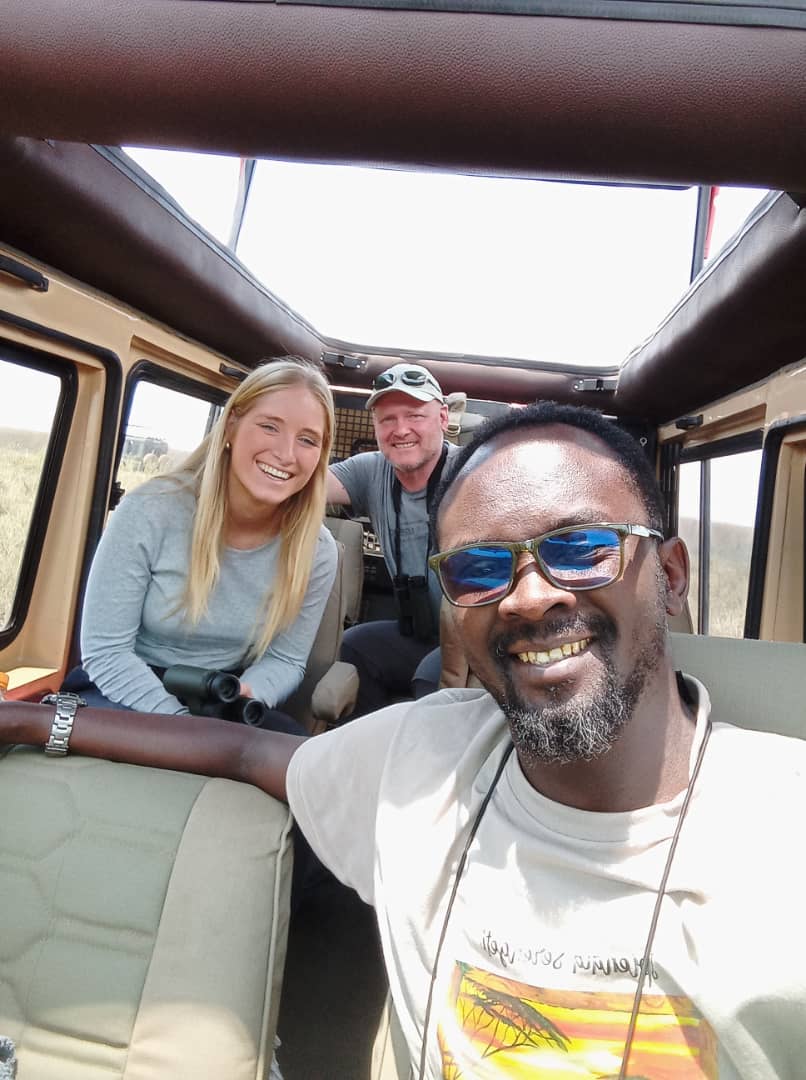
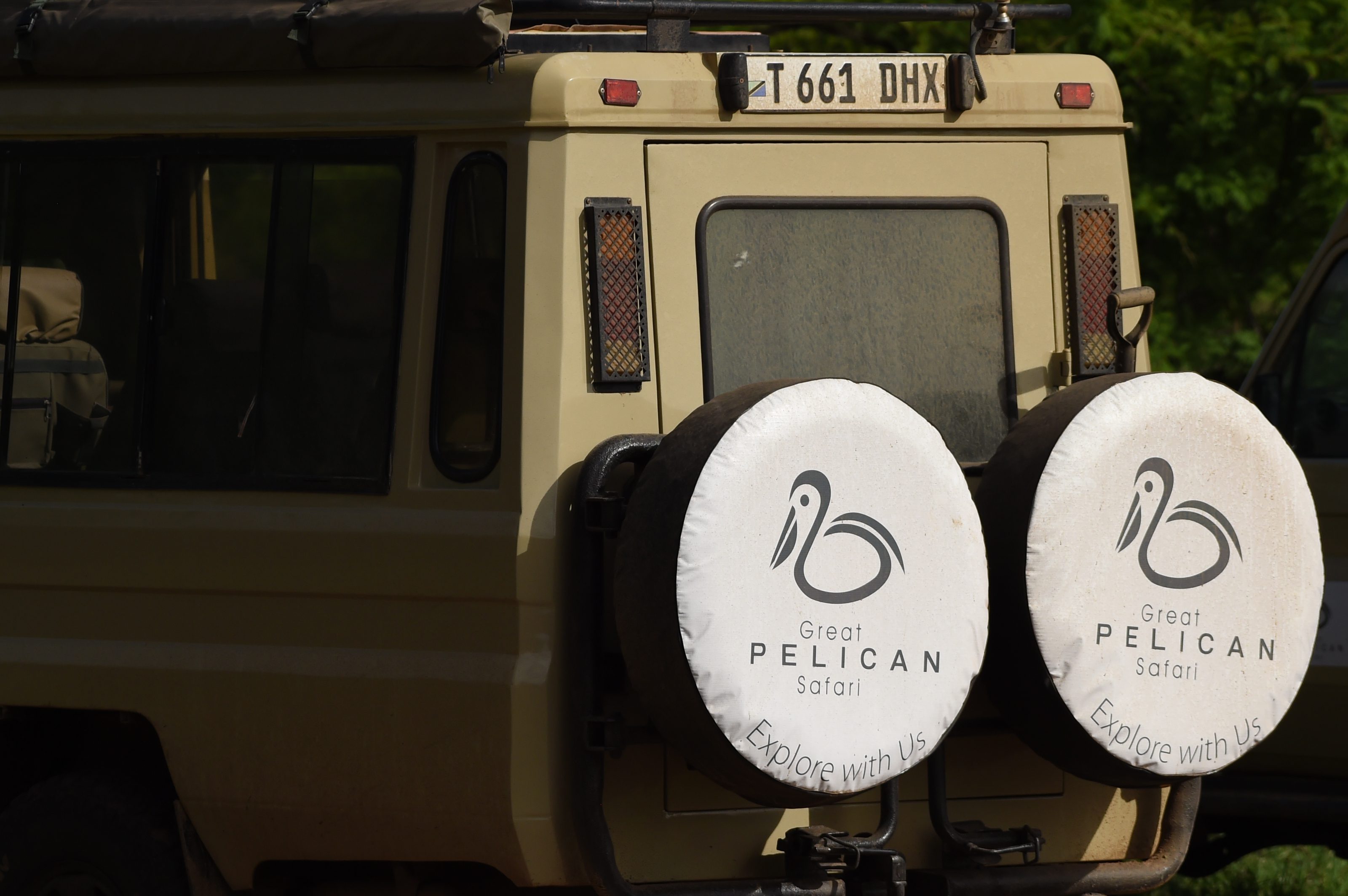
Tanzania safari vehicles are purpose-modified 4x4 Land Cruisers or Land Rovers with:
- Pop-up roof: Stands up for 360-degree viewing and photography during game drives
- Individual window seats: Every passenger gets a window — no middle seats on a proper safari vehicle
- Charging ports: Most vehicles have USB or 12V outlets for phones and cameras
- Cooler box: Stocked with water and soft drinks for the drive
- Communication: HF radio for guide-to-guide communication about wildlife sightings
Private safaris typically use a vehicle for 2–6 passengers plus your driver-guide. Group safaris share a vehicle with 4–7 other travelers.
Realistic Wildlife Expectations
You will see incredible wildlife — that's virtually guaranteed. But managing expectations enhances the experience:
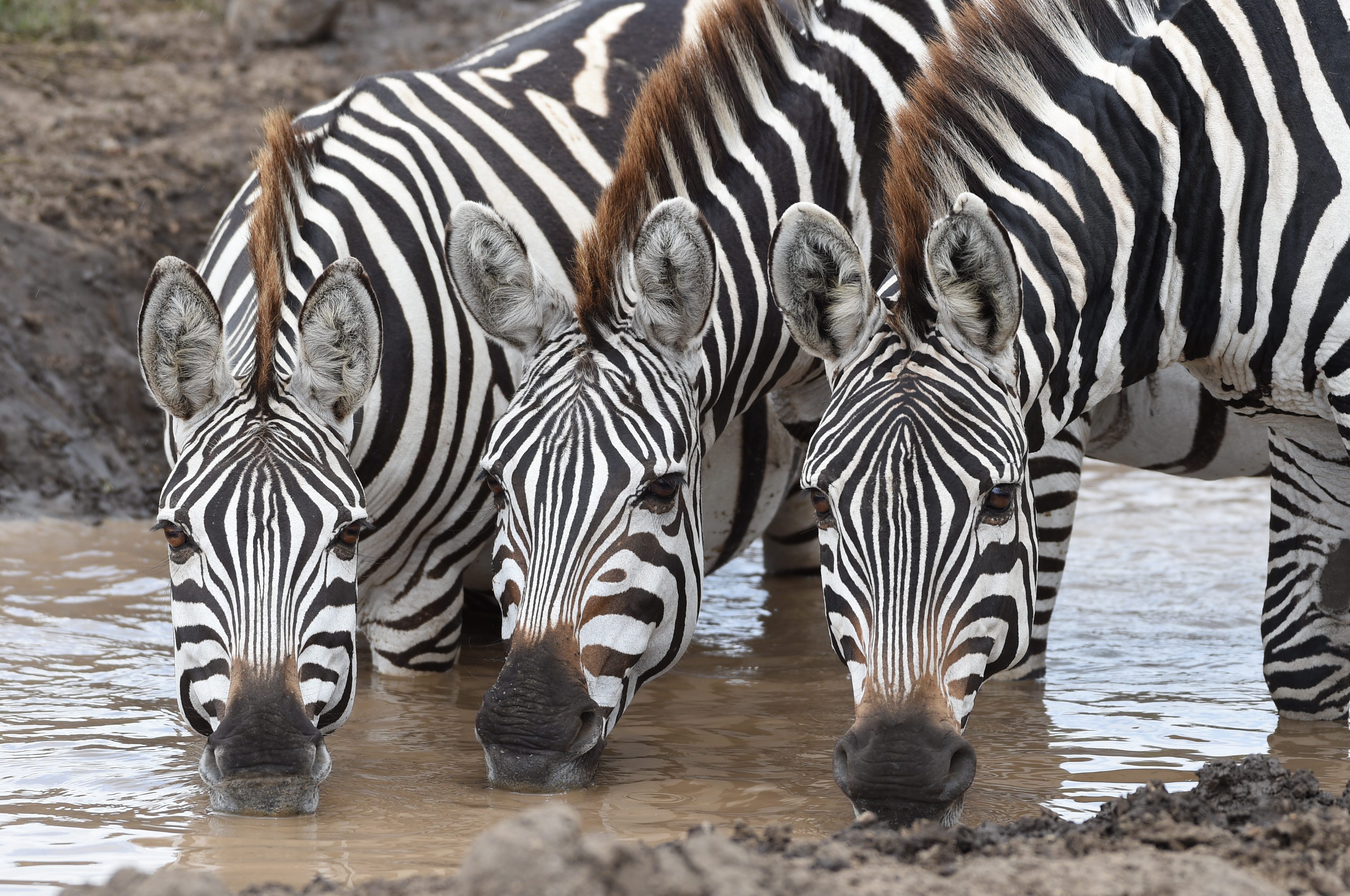
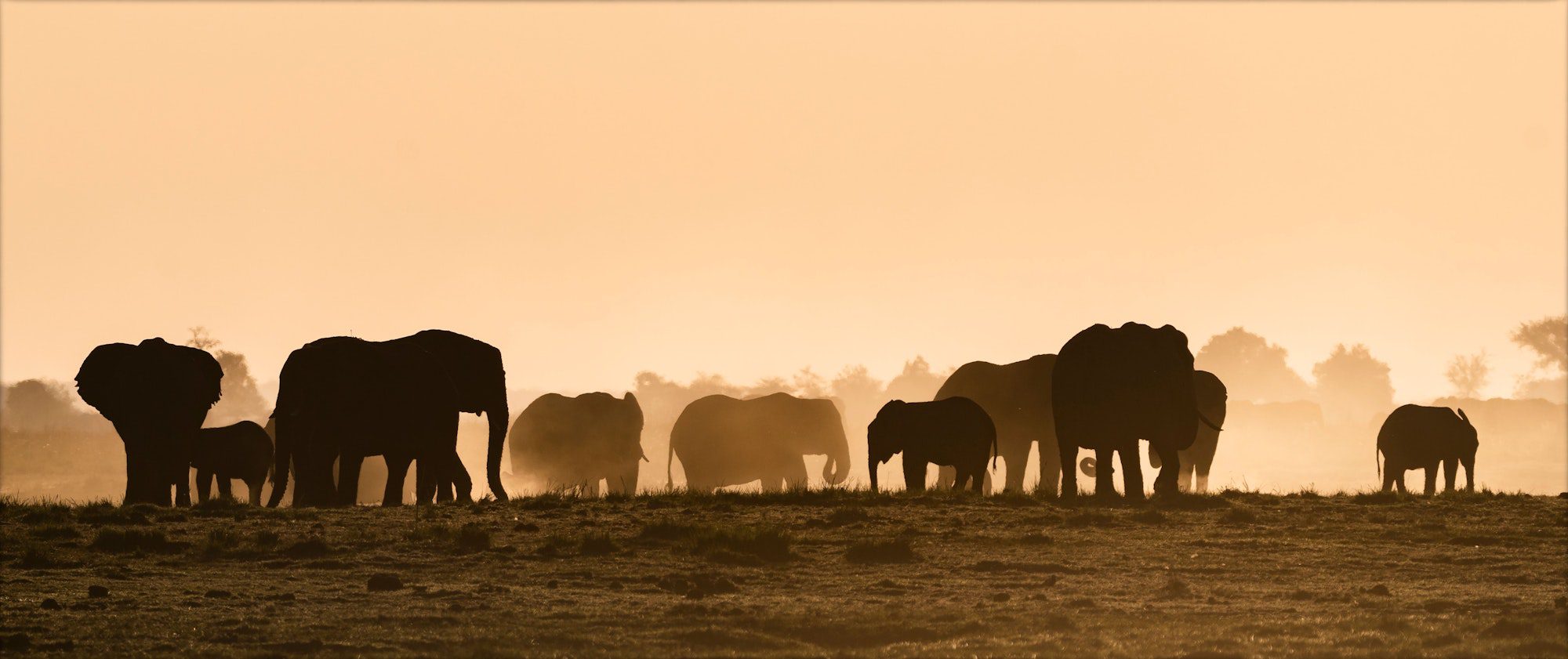
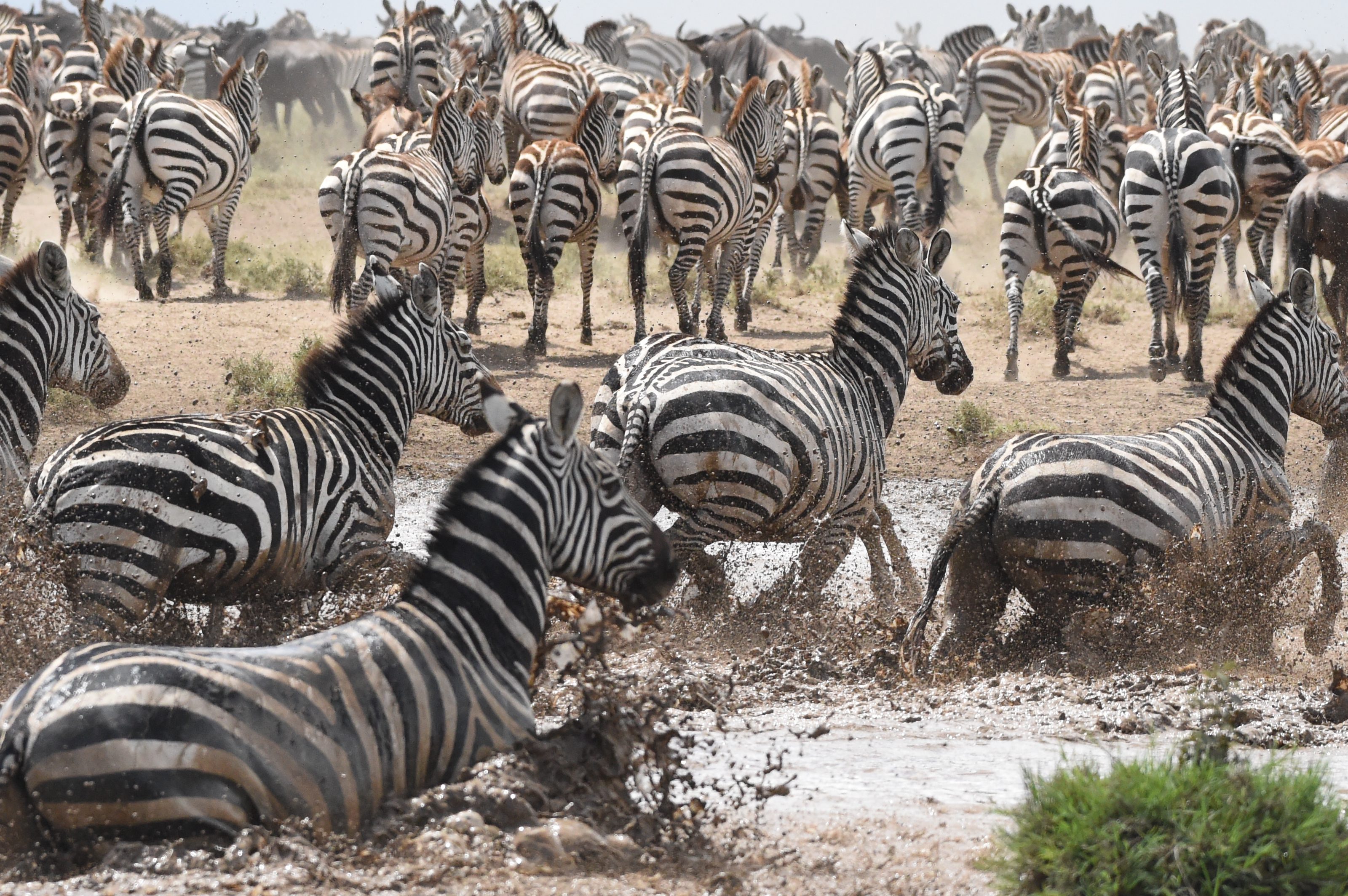
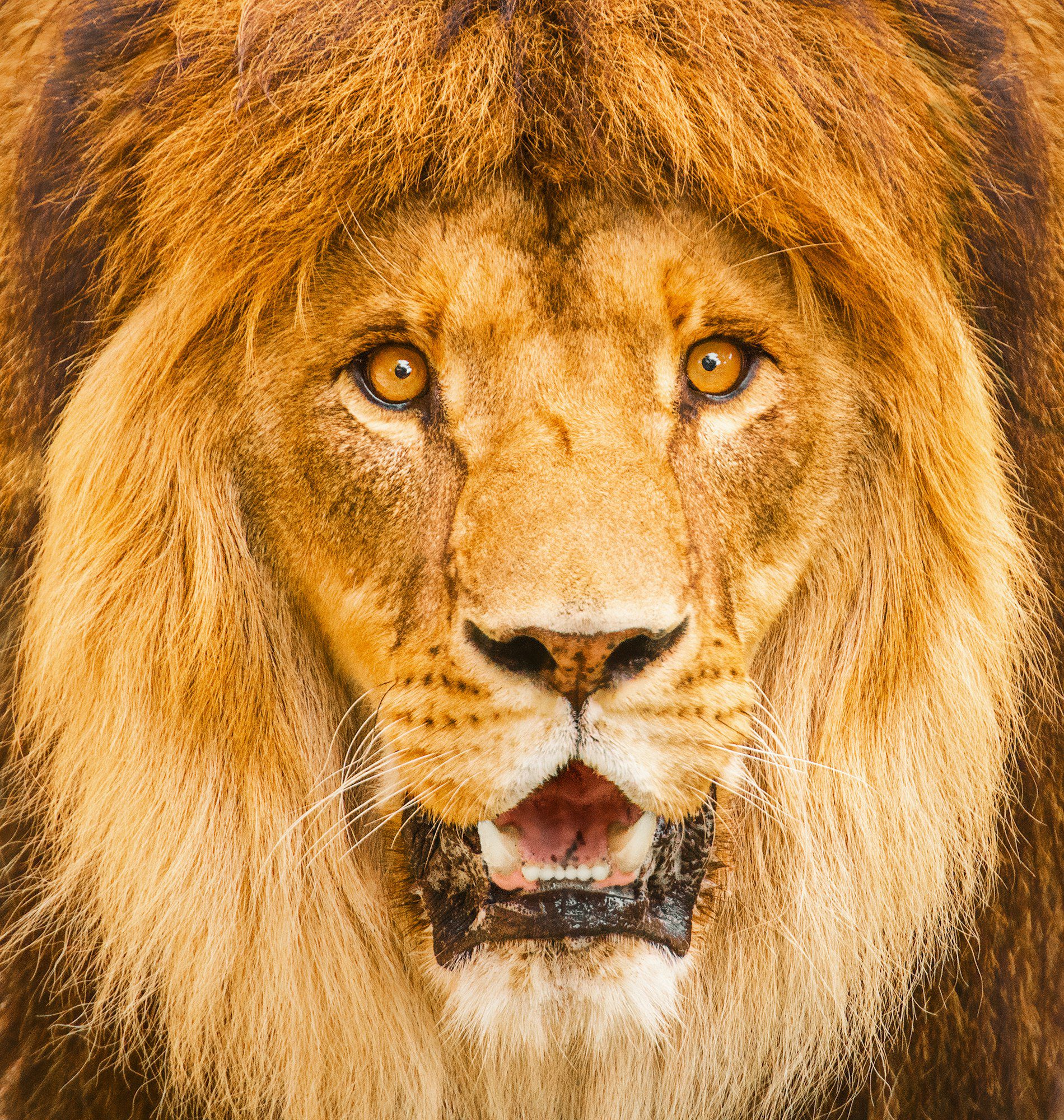
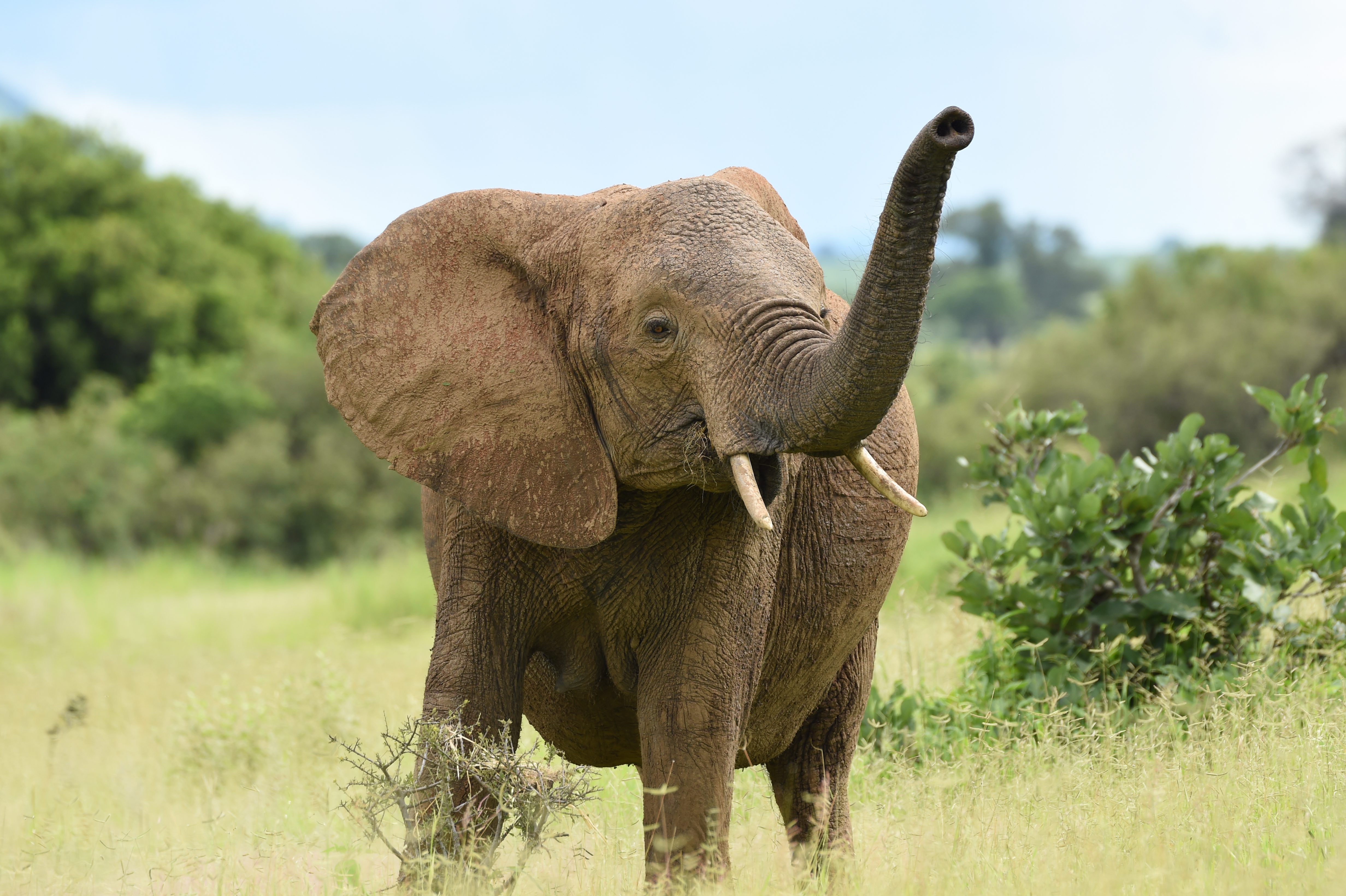
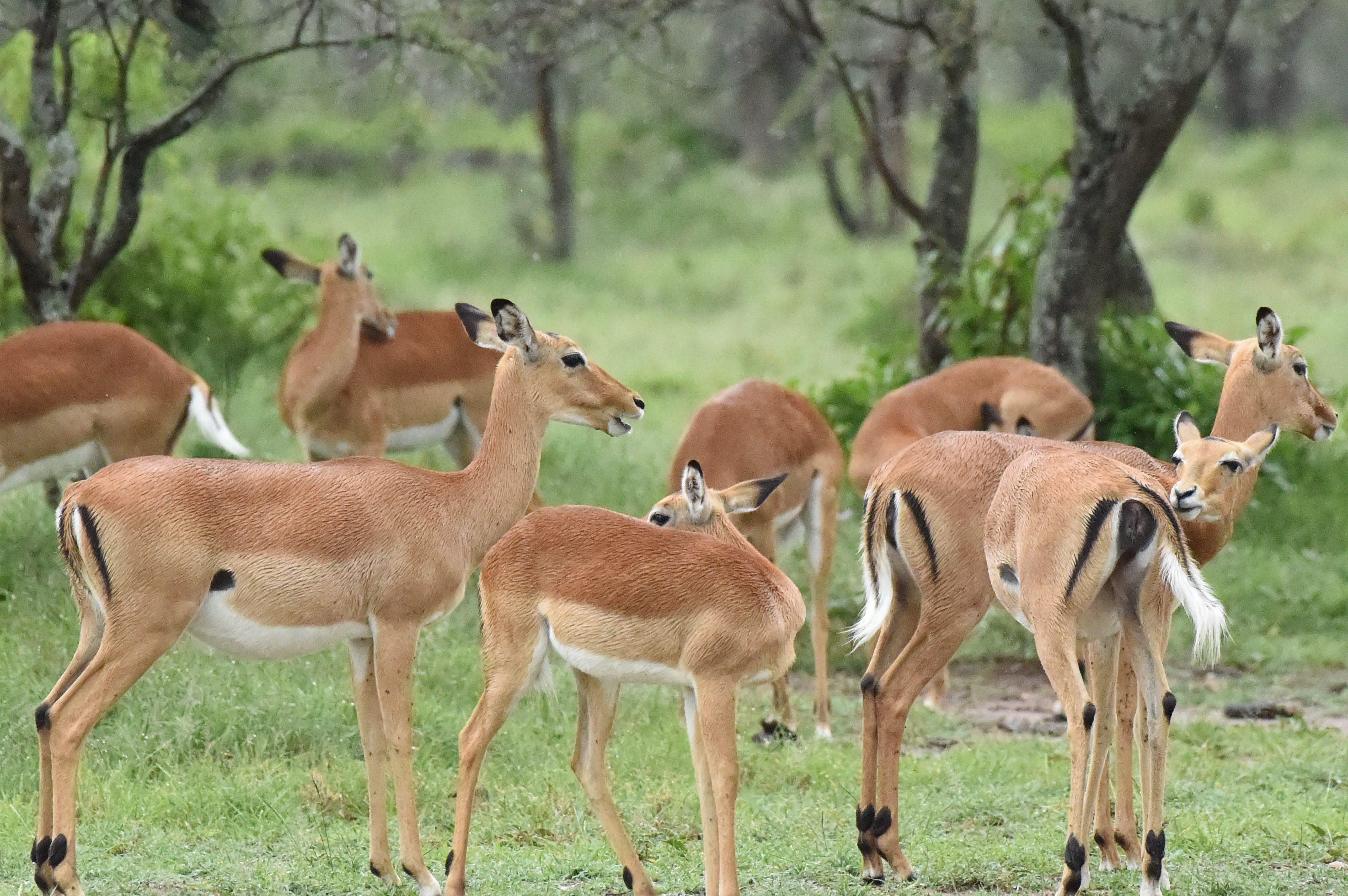
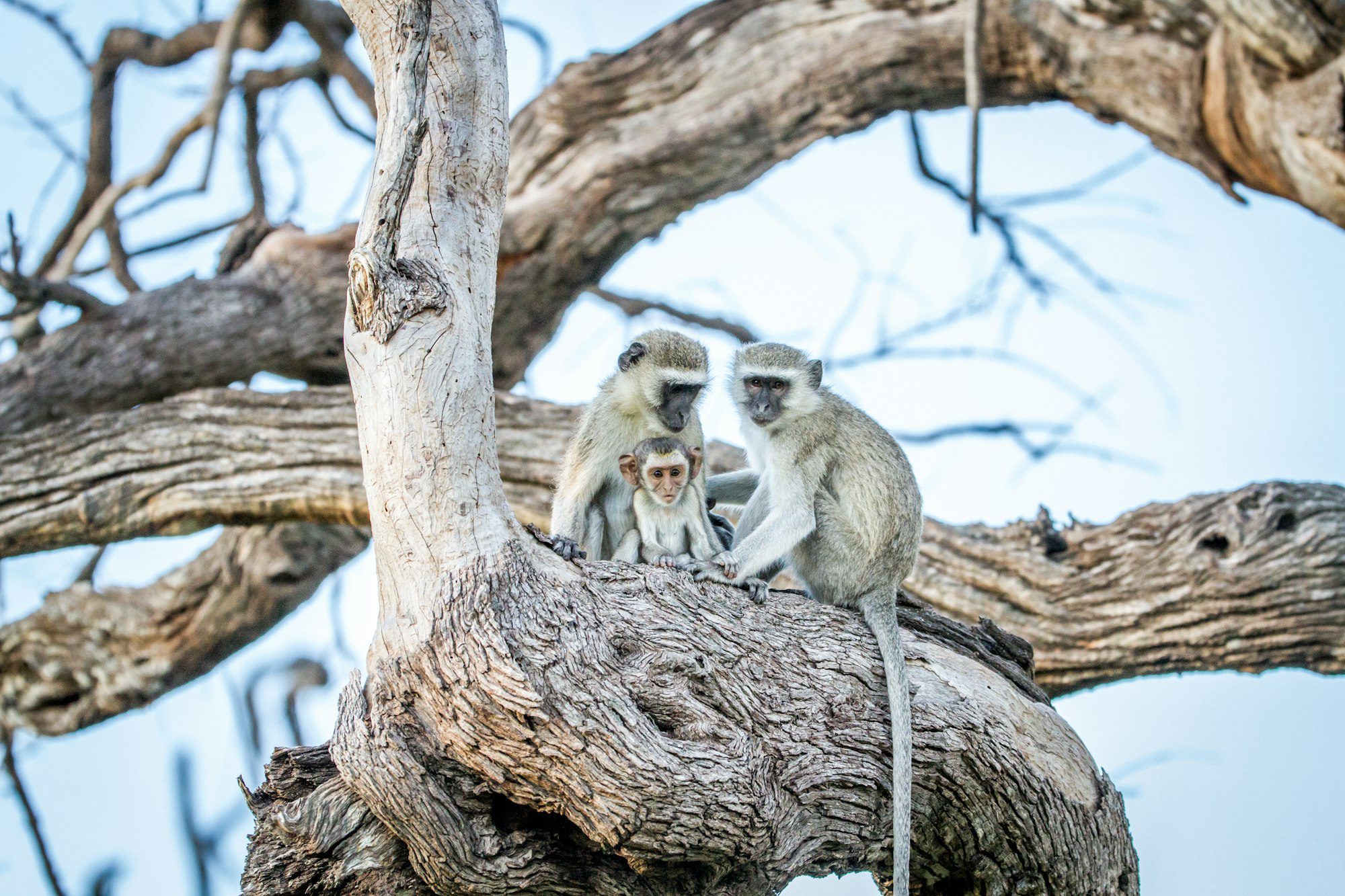
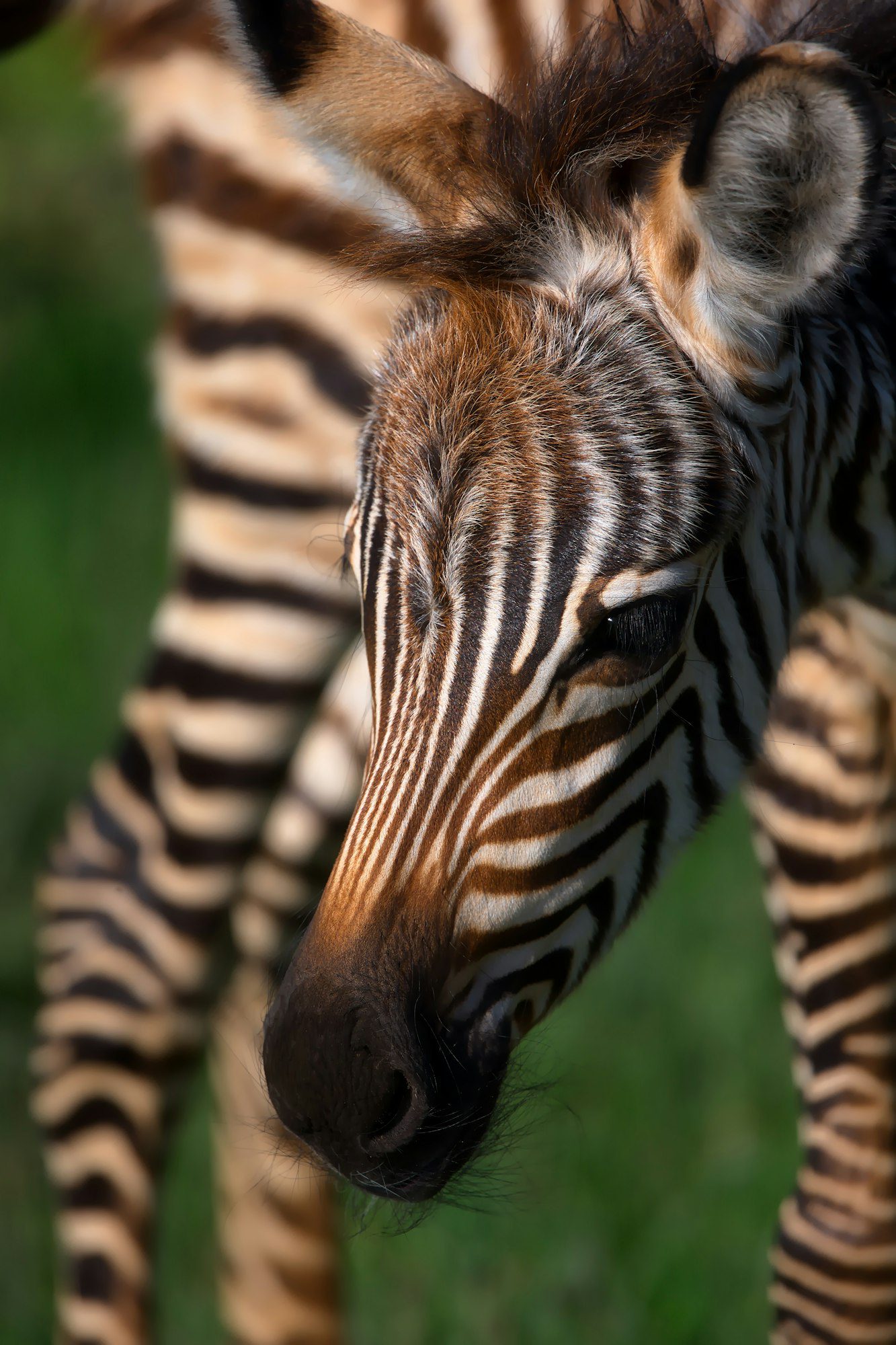
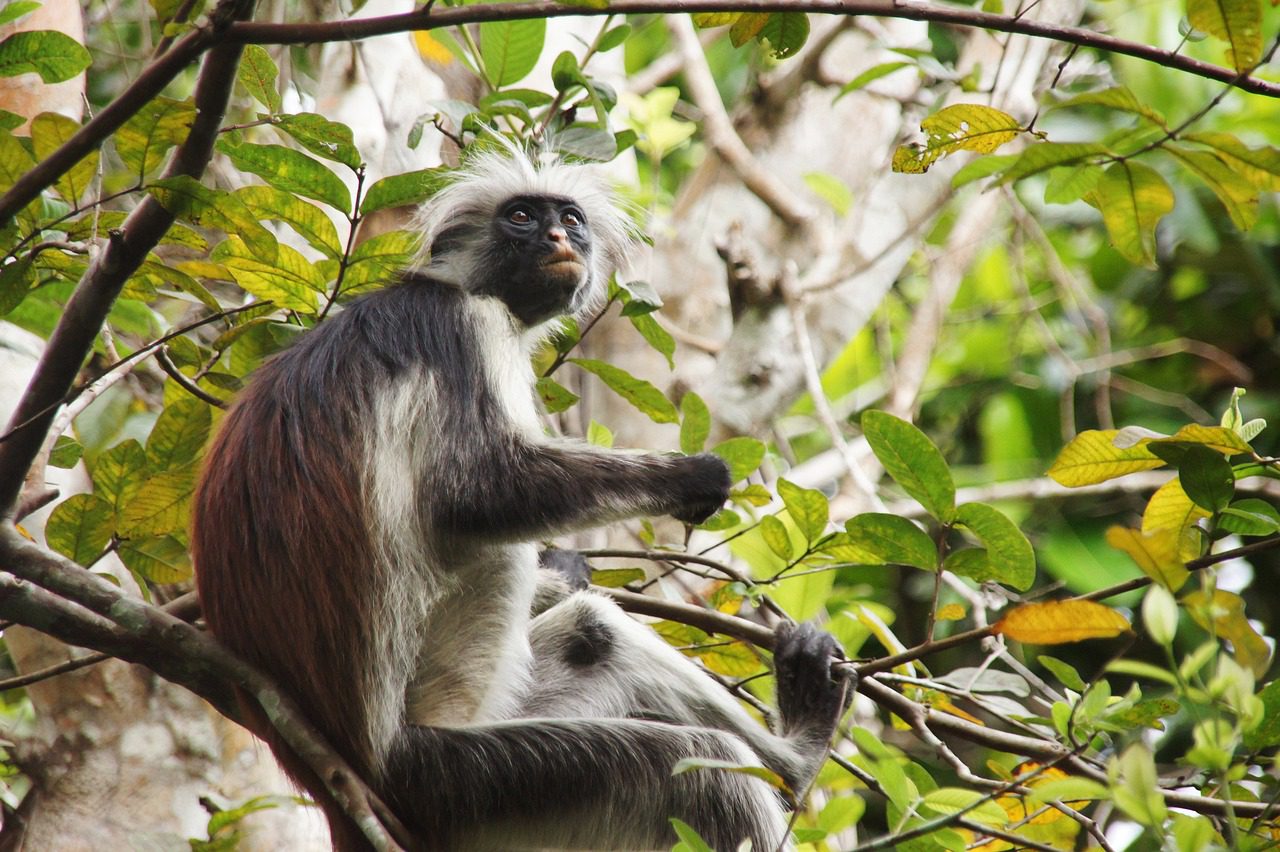
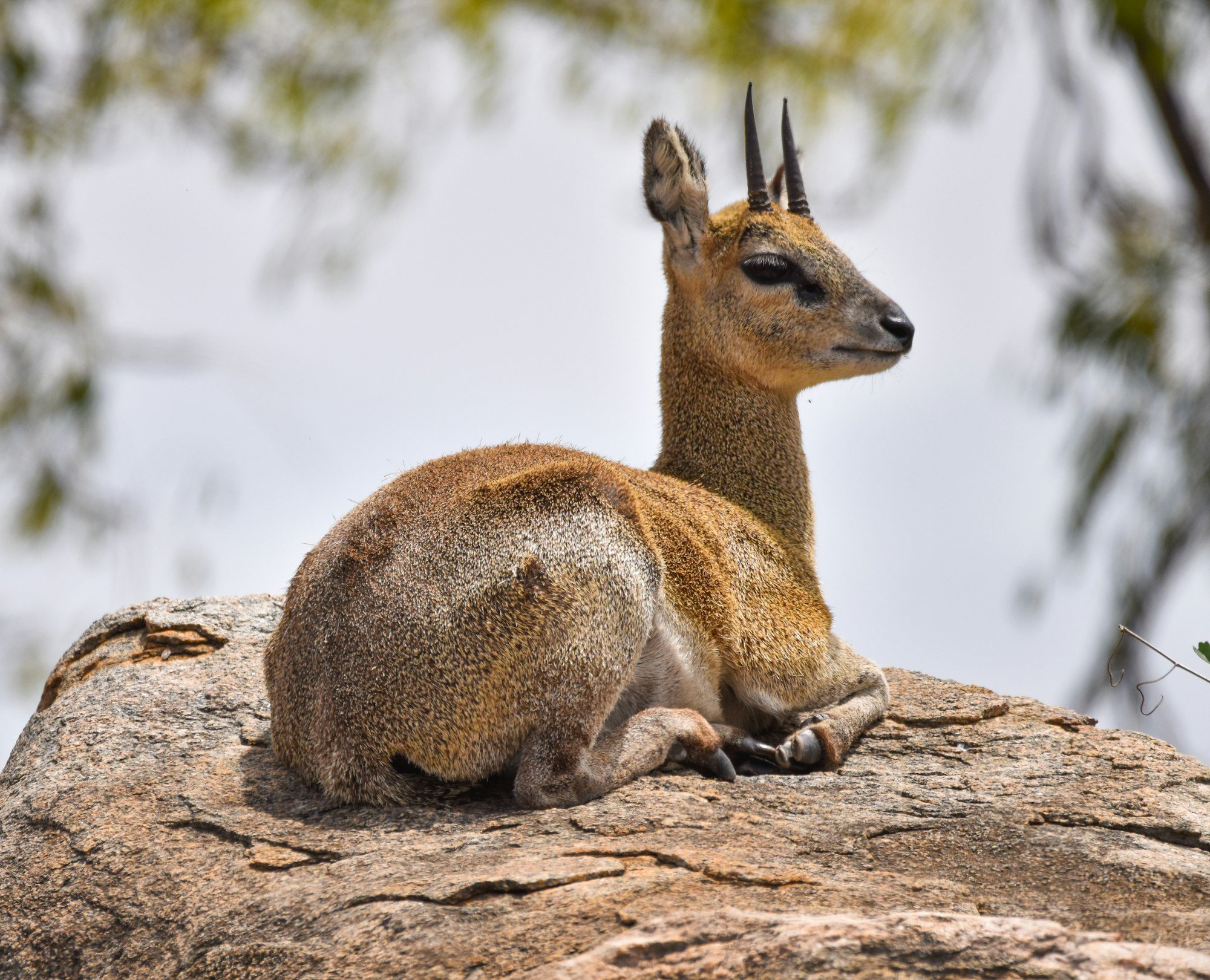
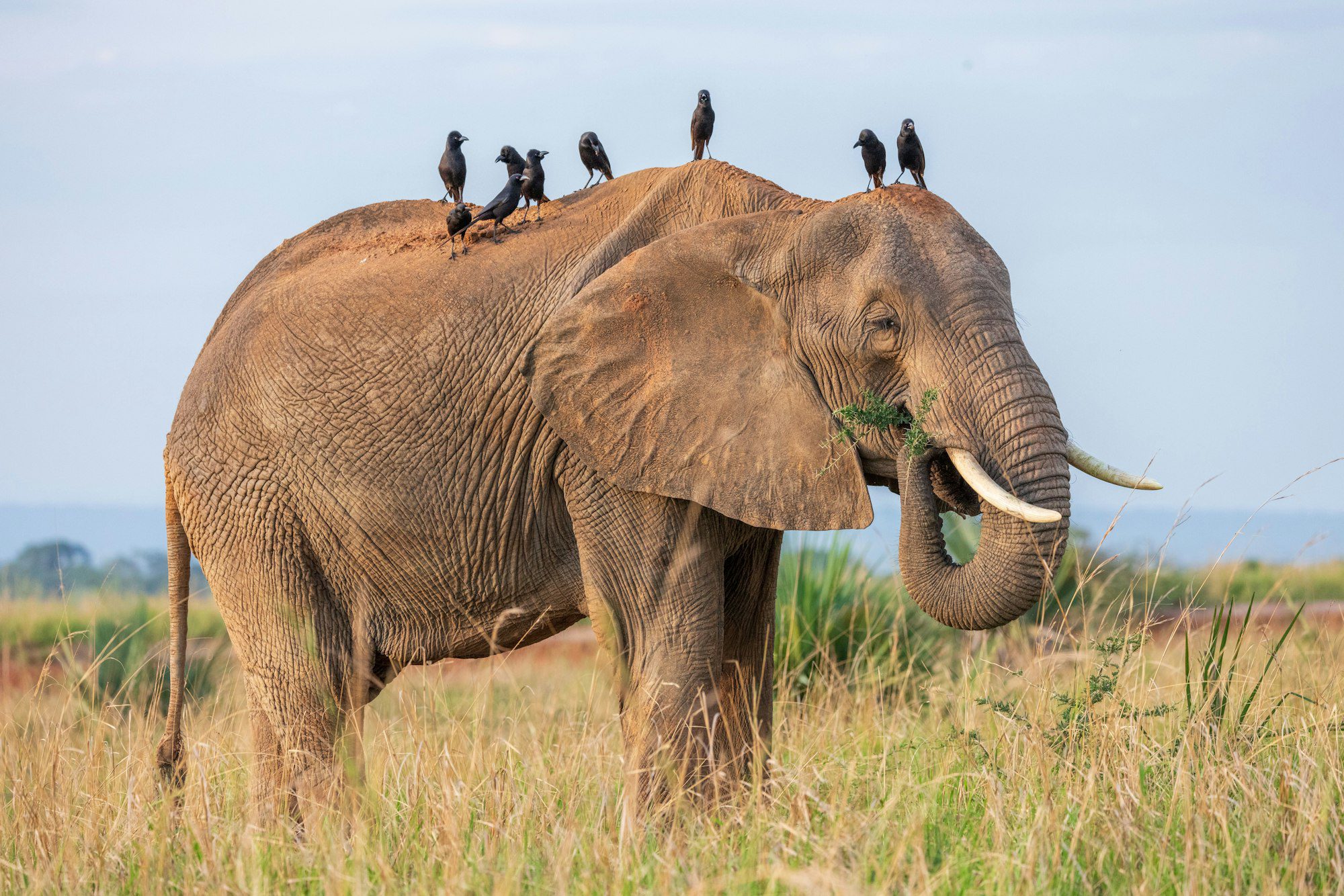
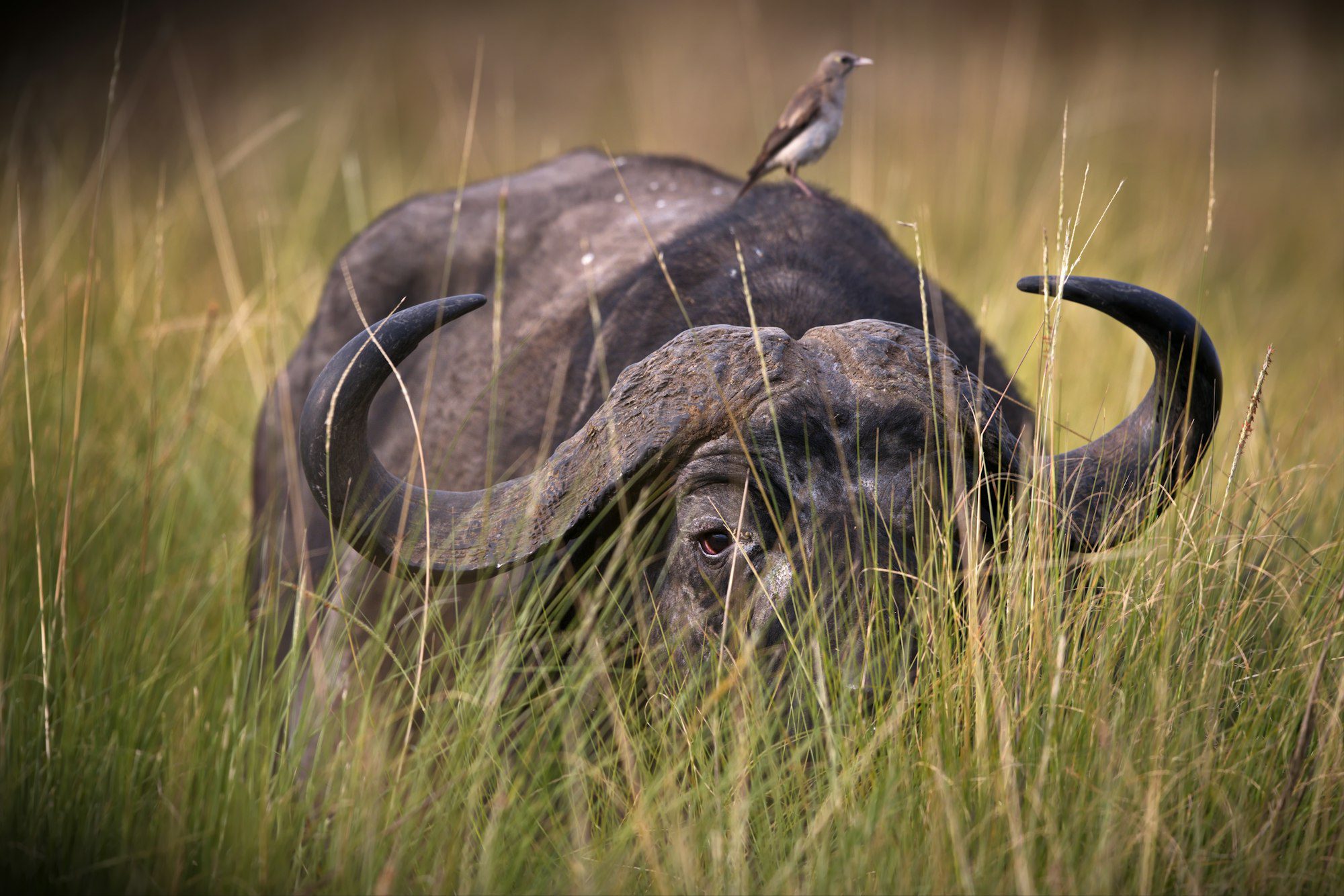
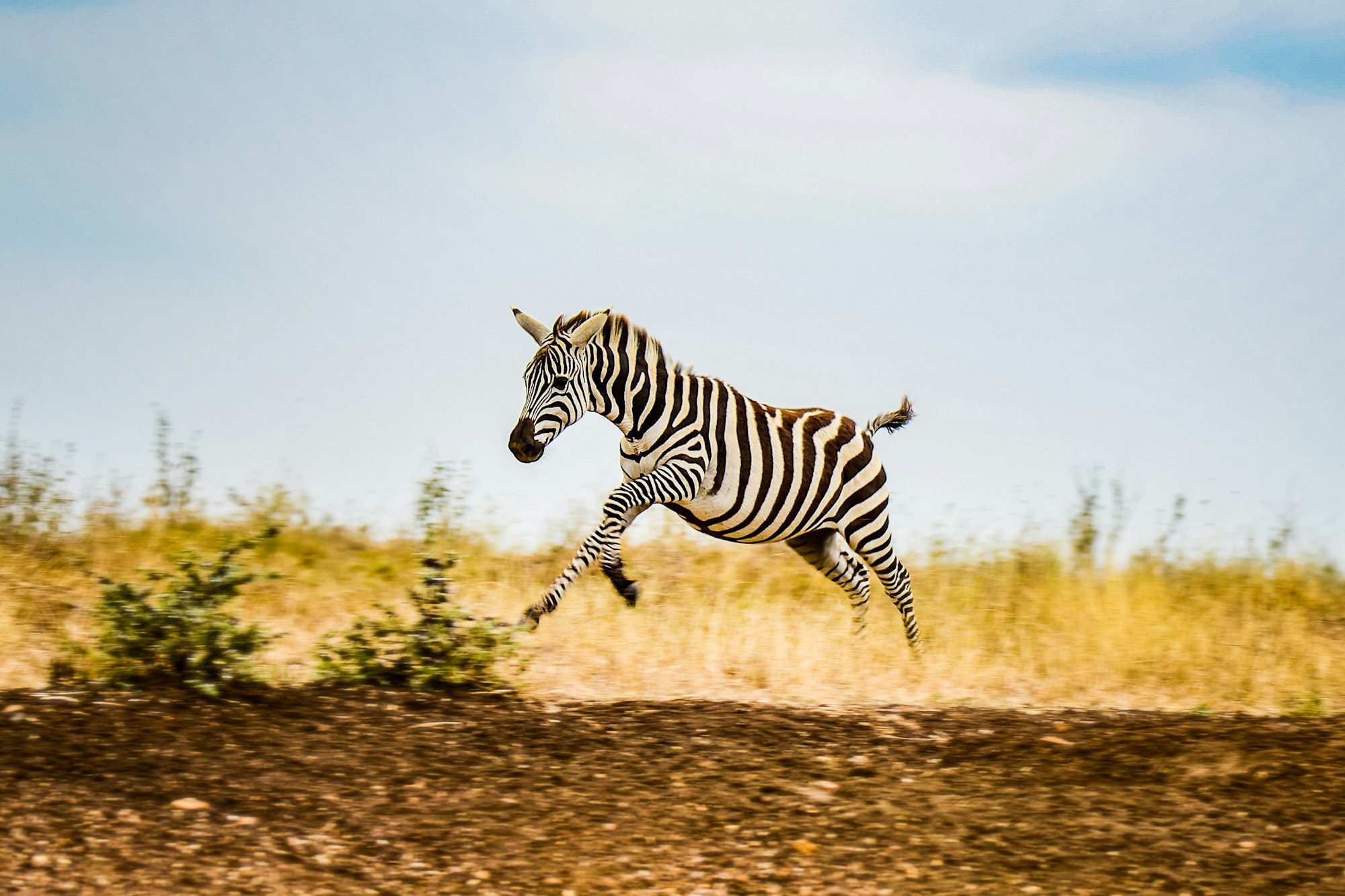
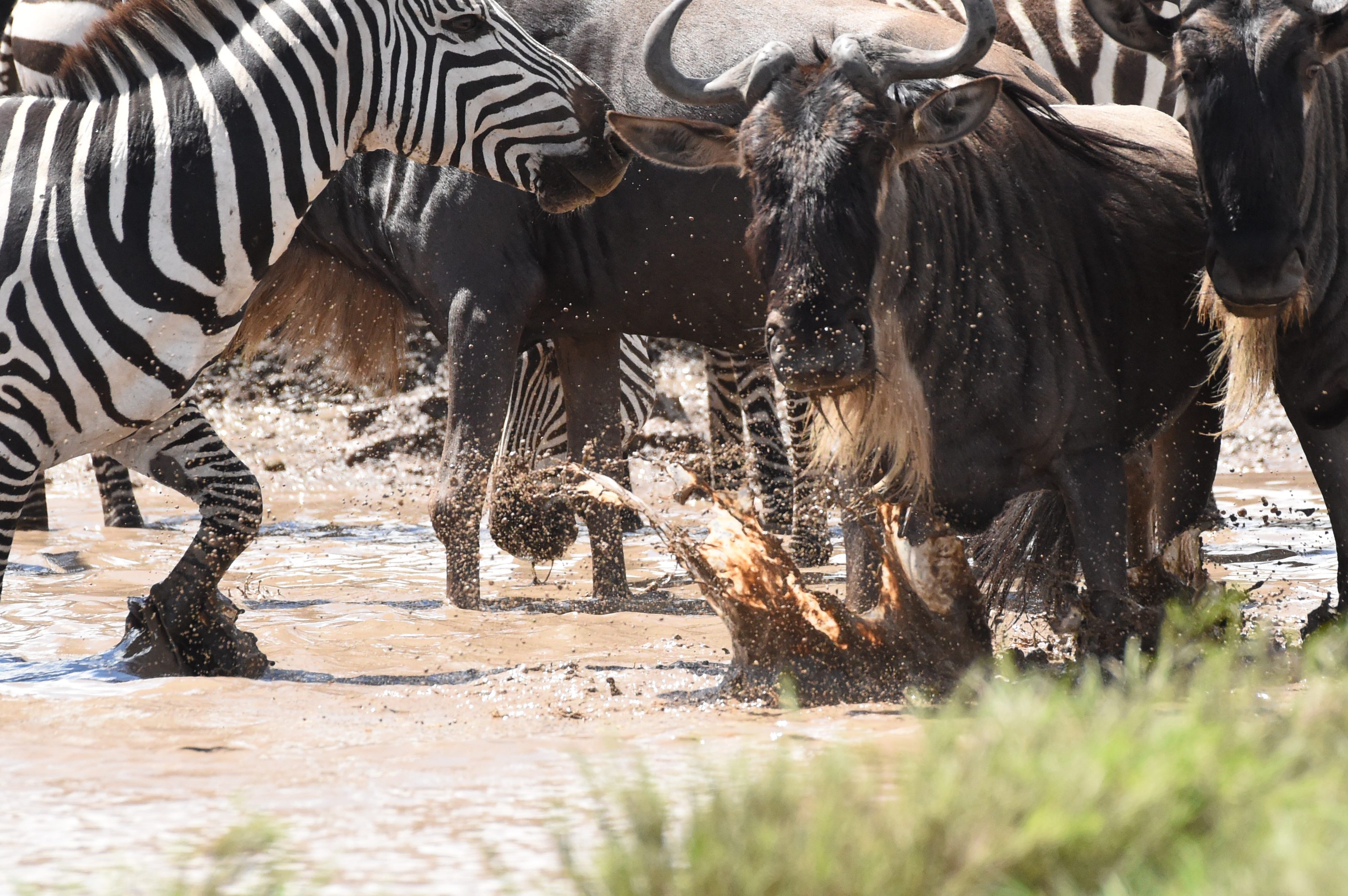
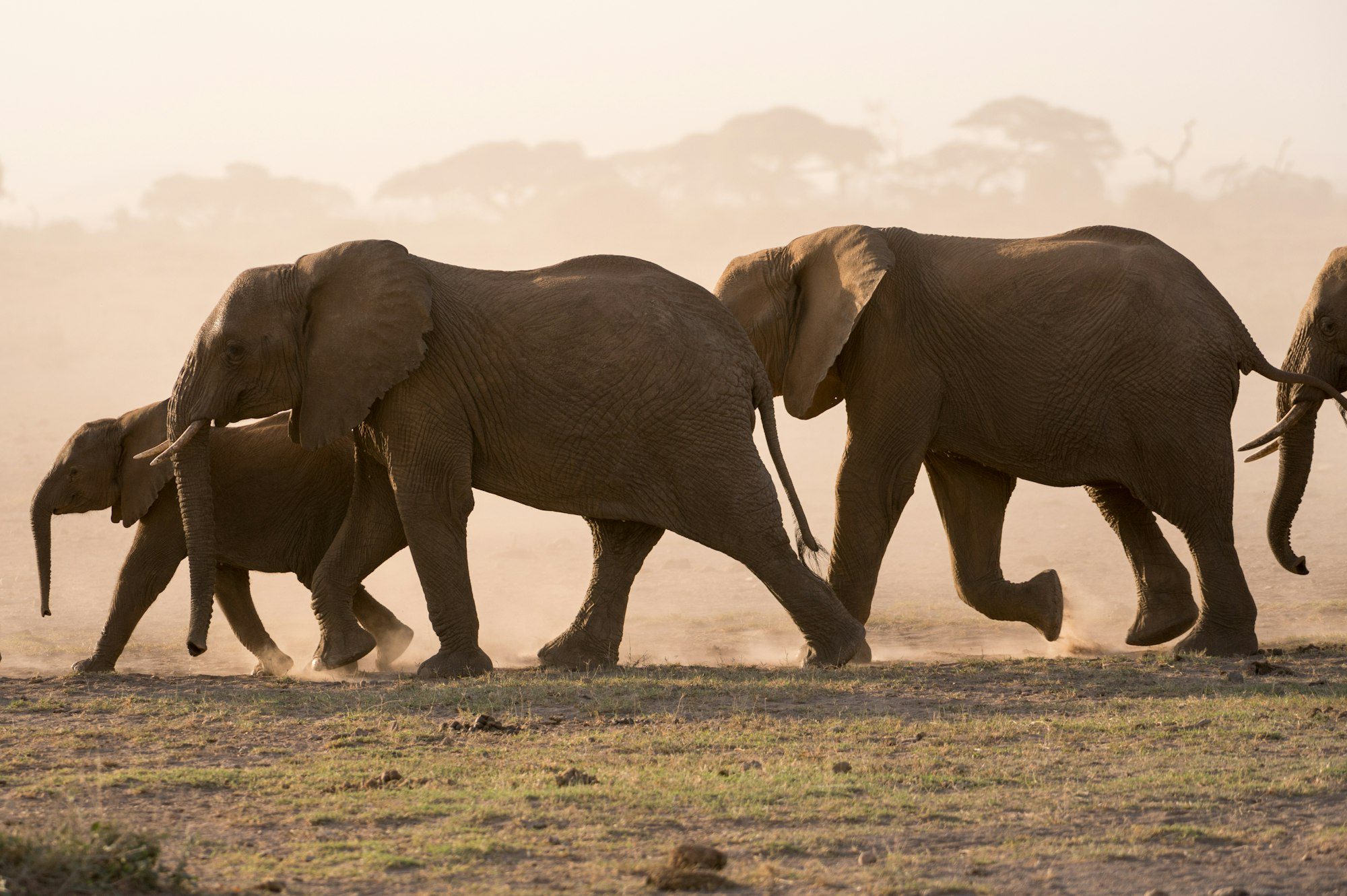
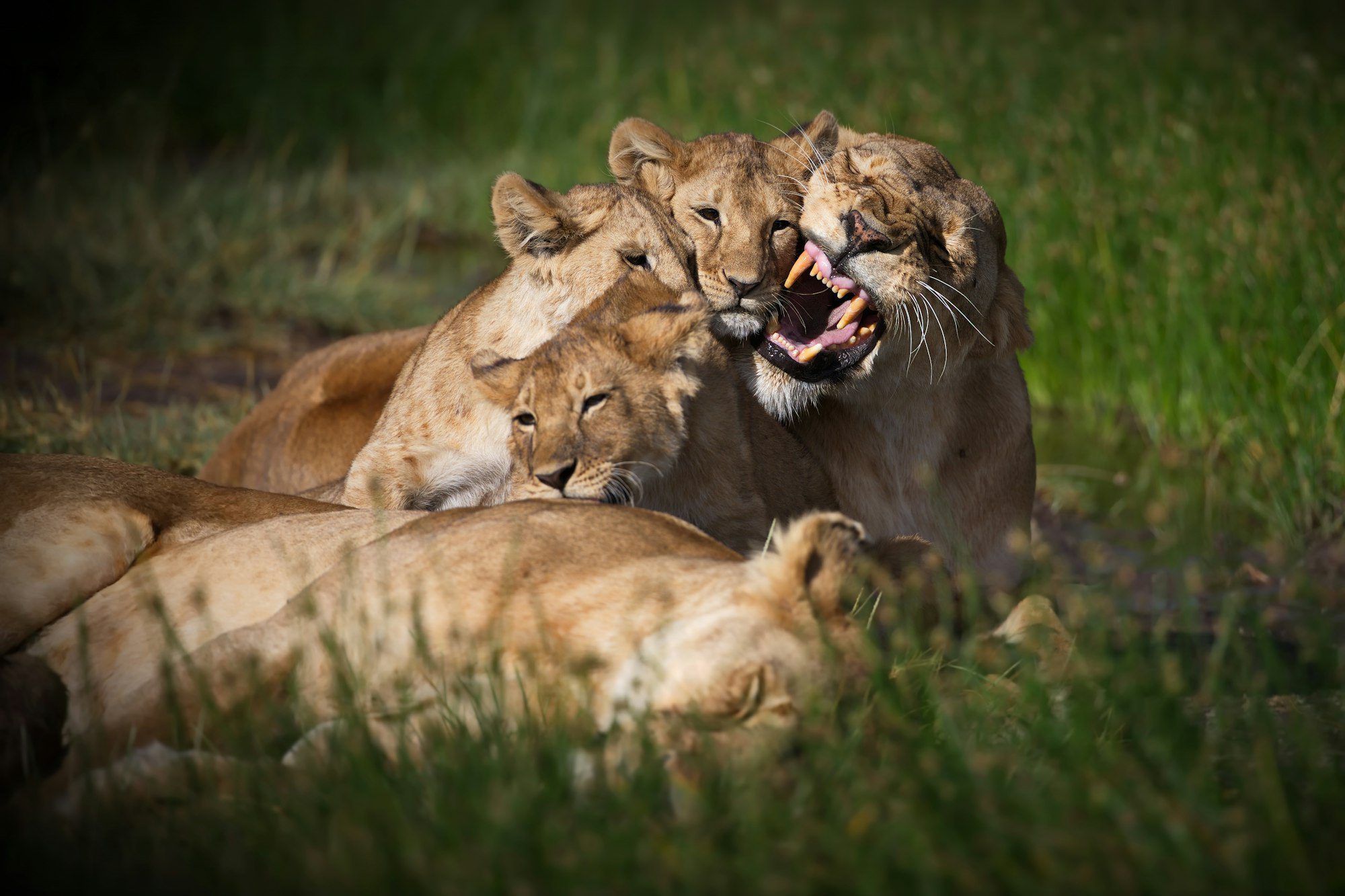
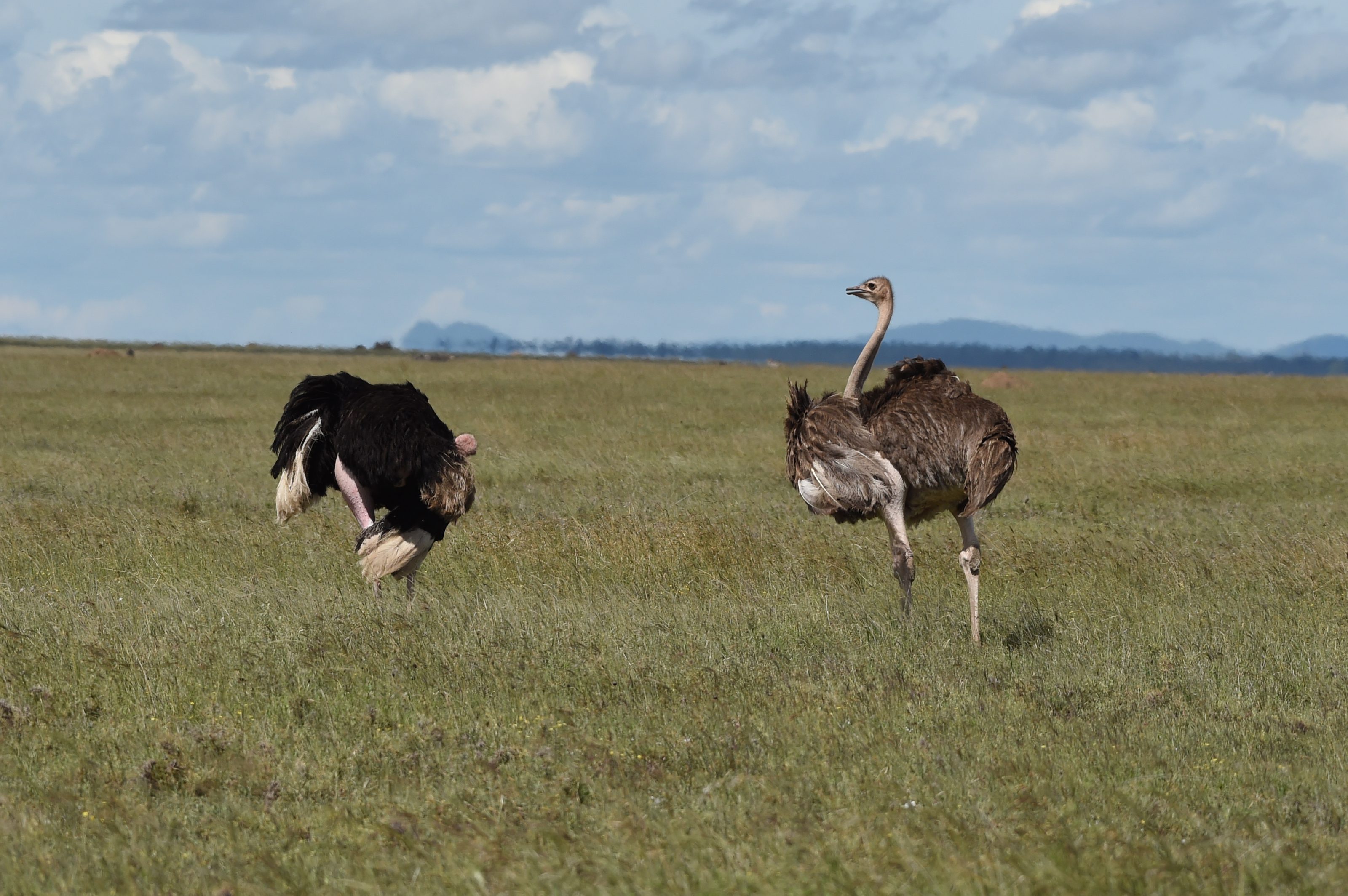
- You WILL see: Lions, elephants, giraffes, zebra, wildebeest, hippos, baboons, buffalo, warthogs, and dozens of antelope species. These are common across all northern circuit parks.
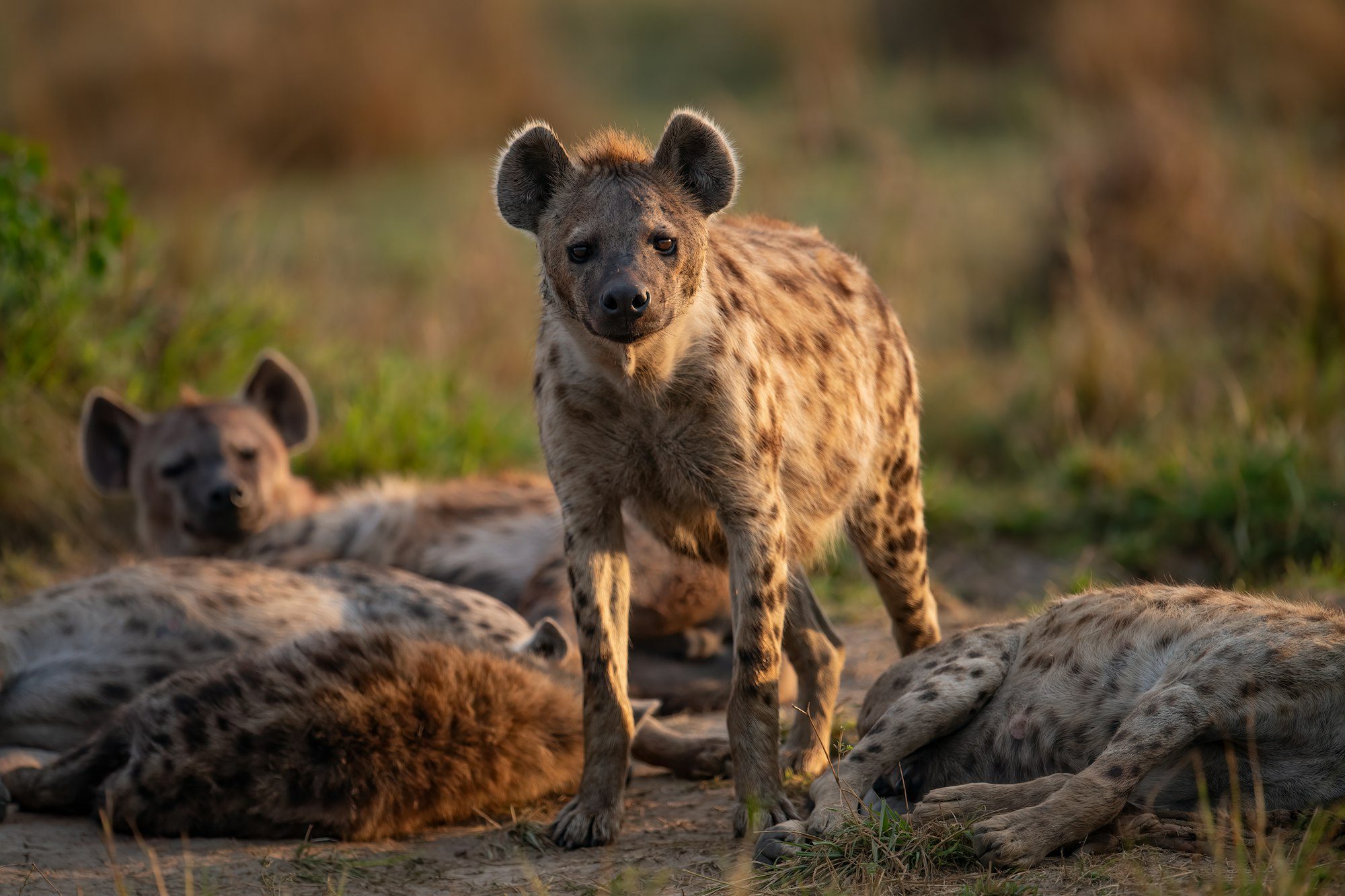
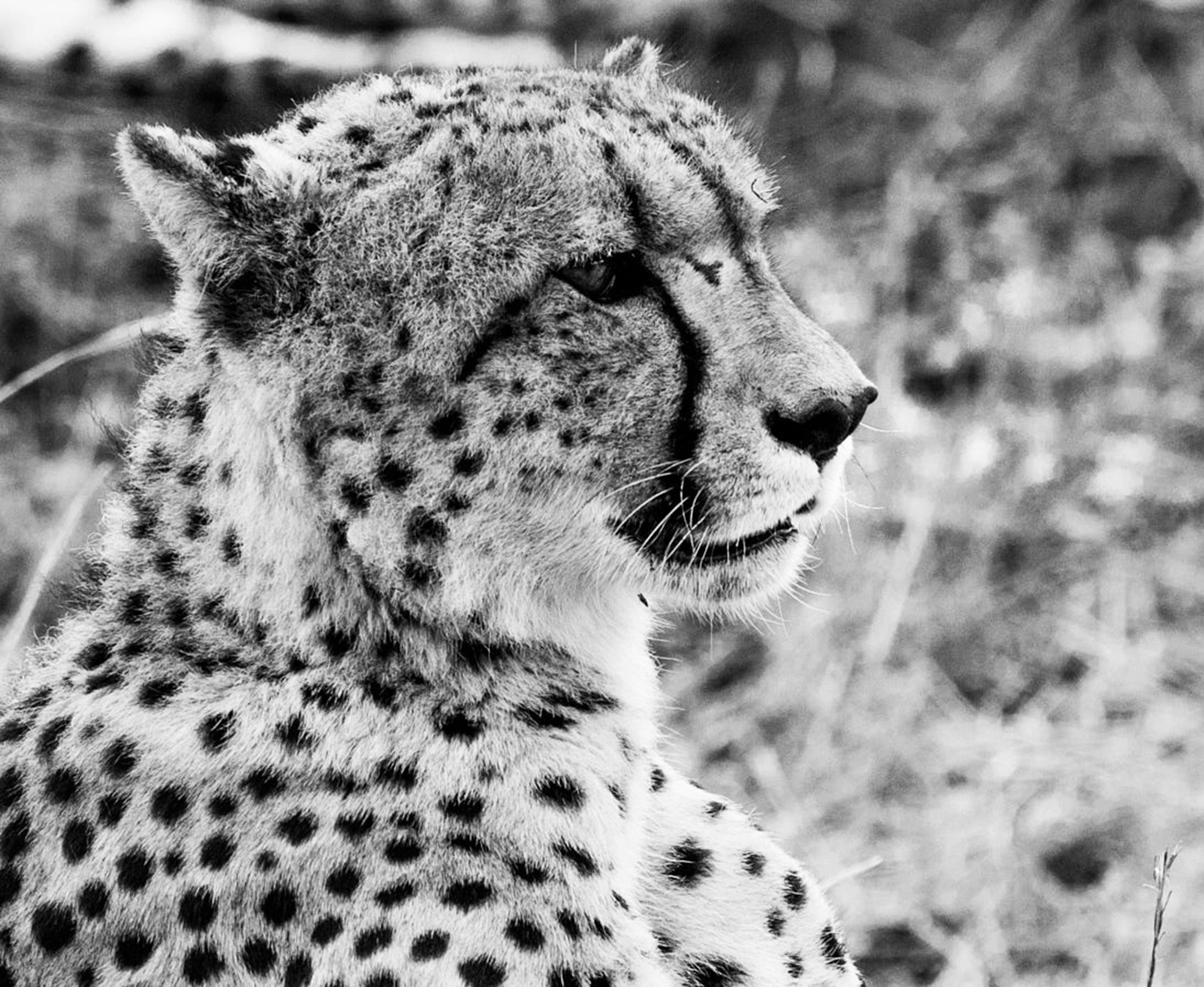
- You'll LIKELY see: Leopard (especially in the Serengeti), cheetah, hyena, crocodiles, flamingos. An experienced guide increases your odds dramatically.
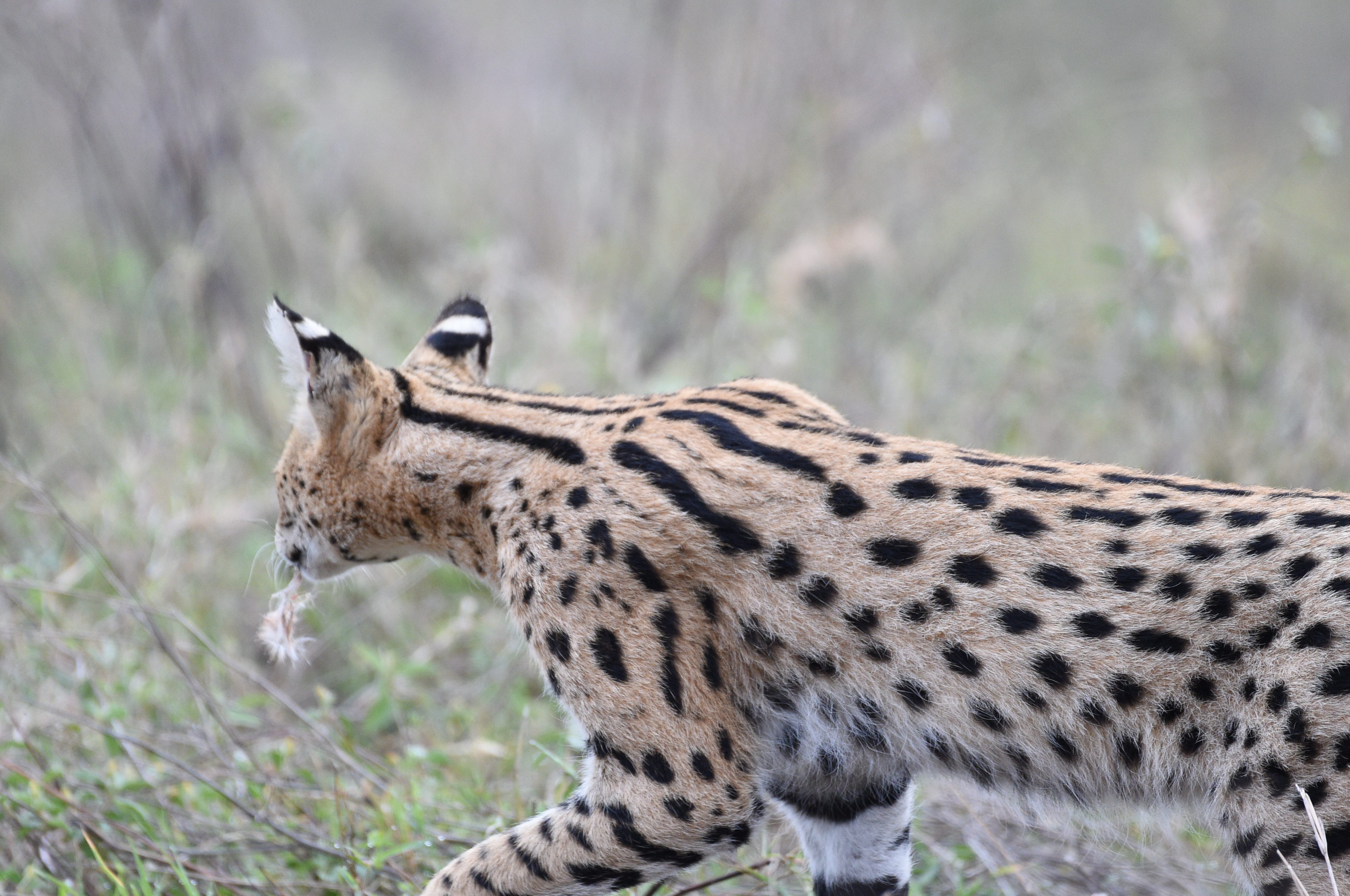
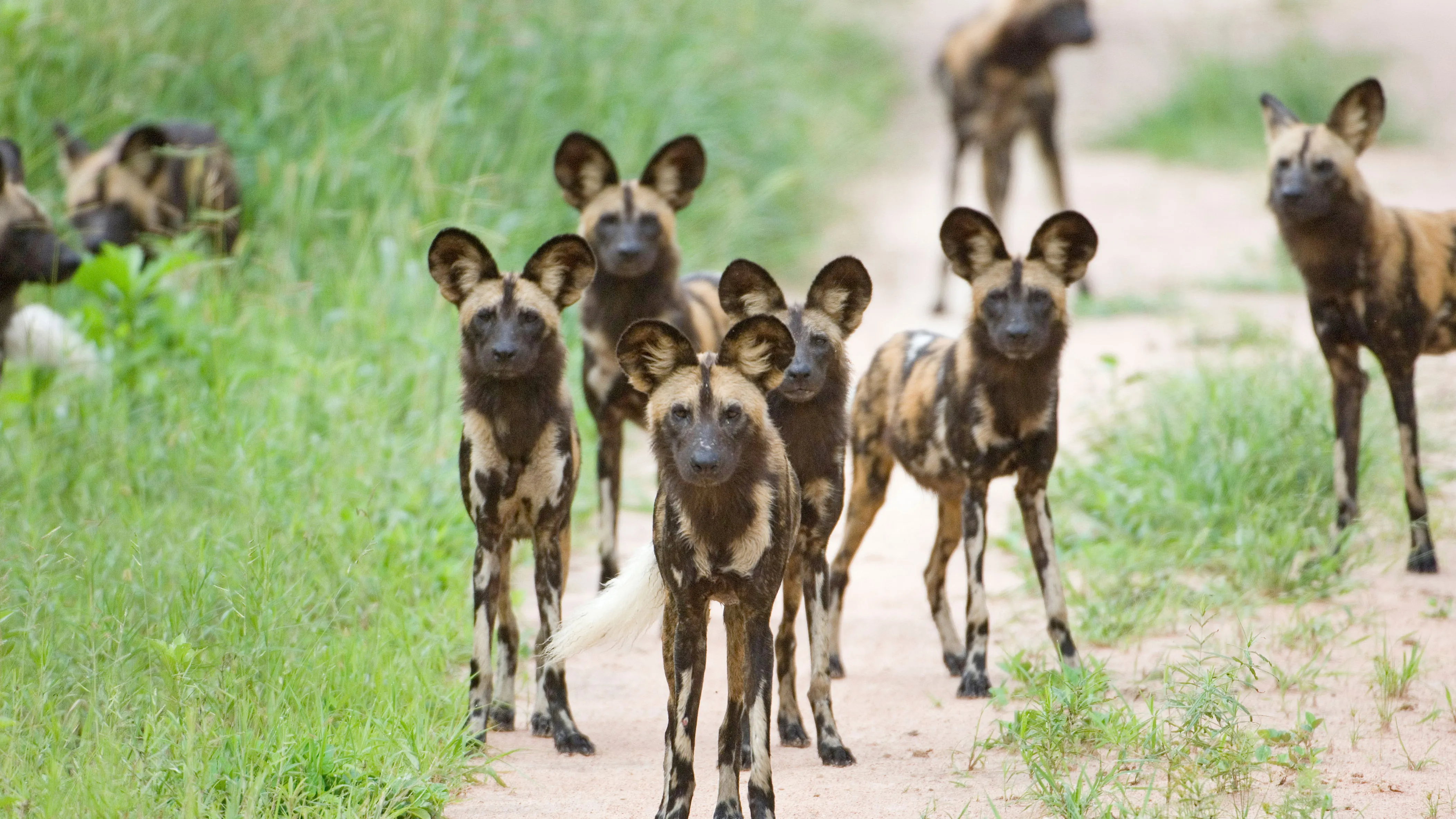
- You MIGHT see: Black rhino (best at Ngorongoro), wild dogs (rare but present), serval cats, aardvark (nocturnal and very elusive).
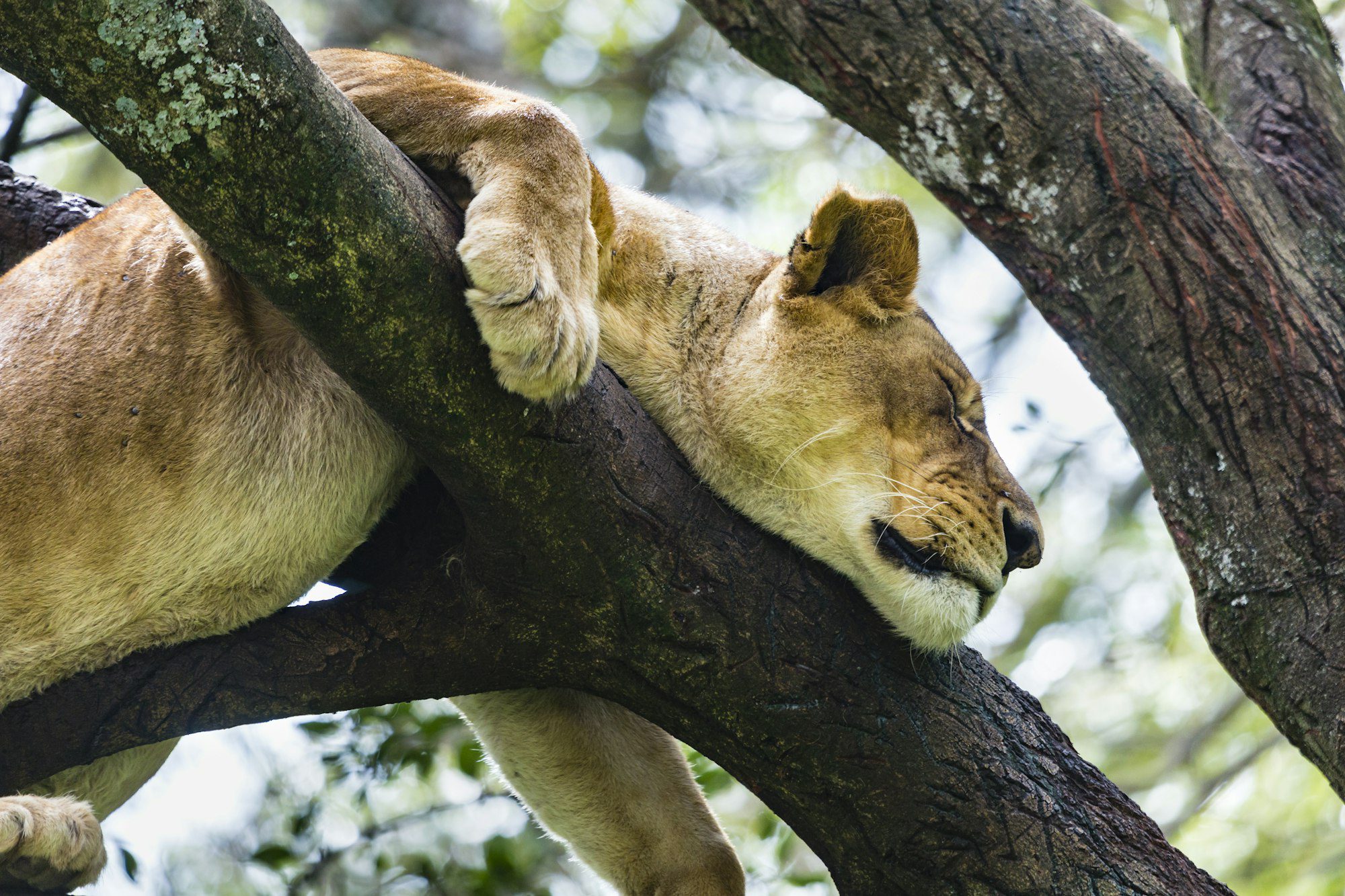
- Patience is part of safari. Sometimes you'll watch a sleeping lion for 20 minutes waiting for it to move. Other times, you'll round a corner and find a cheetah hunting 10 meters from your vehicle. The unpredictability is the magic.
Accommodation Options
Tanzania offers every comfort level. For first-timers, understanding the options helps set expectations:
- Tented camps: Not what you imagine! "Tented" in safari terms often means luxury canvas structures with king beds, en-suite bathrooms, and hot showers. It's glamping at the highest level.
- Lodges: Permanent buildings ranging from simple to 5-star. Usually have restaurants, bars, pools, and WiFi.
- Budget camping: Basic tents (sometimes you pitch your own). Shared bathroom facilities. Simple but functional meals prepared by a camp cook.
Read our detailed guide to safari accommodation types to find your match.
Food on Safari
Safari cuisine is better than most travelers expect. Lodges and quality tented camps serve multi-course meals with a mix of international and Tanzanian dishes. Dietary requirements (vegetarian, vegan, gluten-free, halal) are accommodated with advance notice. Packed lunches for full-day game drives are substantial — sandwiches, fruit, snacks, and juice.
Budget camping safaris use a dedicated cook who prepares fresh meals at campsites. The food is simpler but hearty and nourishing.
Practical Tips for First-Timers
- Trust your guide. They know animal behavior, the park's rhythms, and where to find wildlife. Their expertise is the single biggest factor in your safari experience.
- Bring binoculars. More important than an expensive camera for enjoying the experience in the moment.
- Charge everything overnight. Remote camps may only have electricity during certain hours.
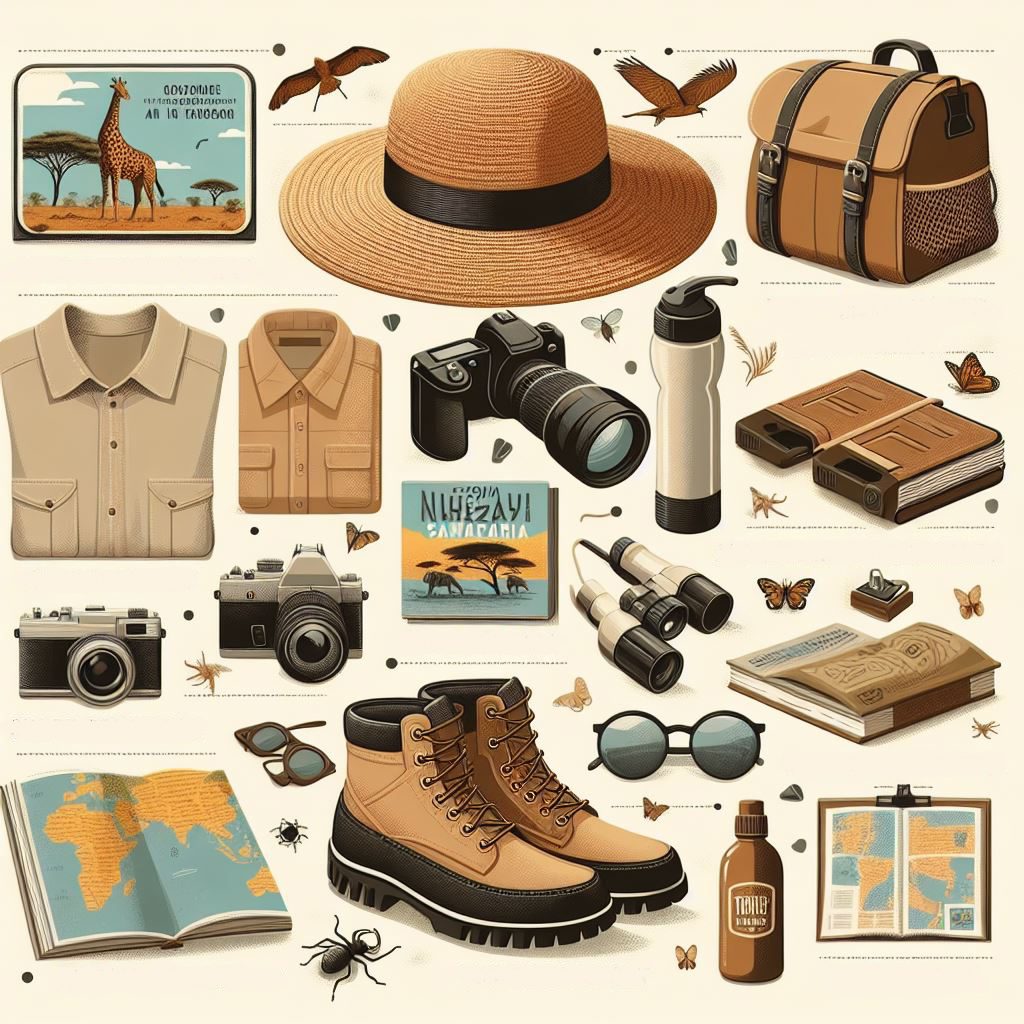
- Pack light and in soft bags. See our complete packing list.
- Disconnect and enjoy. WiFi is patchy or absent in many parks. Embrace it — this is one of the few places where being offline enhances the experience.
Ready for Your First Safari?
Every safari we design considers first-timer needs — from vehicle positioning for photography to choosing guides who love sharing their knowledge. Tell us about your dream safari and we'll make your first time unforgettable.