When Is the Best Time for a Tanzania Safari?
Tanzania is a year-round safari destination — there is no bad time to visit. However, each season offers a different experience in terms of wildlife, weather, landscape, prices, and crowd levels. The best time depends on what matters most to you: dramatic wildlife encounters, lush photography, or maximum value.
Tanzania's Safari Seasons
- Peak Dry Season (July–October): Best overall wildlife viewing. Animals concentrate around water sources, vegetation is sparse, and game drives are consistently productive. Highest prices and tourist numbers.
- Shoulder Season (June & November): Excellent wildlife with fewer crowds and better rates than peak months. June marks the dry season's start; November brings the short rains and migrating birds.
- Green Season (January–March): Calving season, lush landscapes, predator action. Moderate prices and crowds.
- Low Season (April–May): Long rains, lowest prices, fewest tourists. Some camps close but wildlife remains present.
Best Months for Specific Experiences
Migration & River Crossings
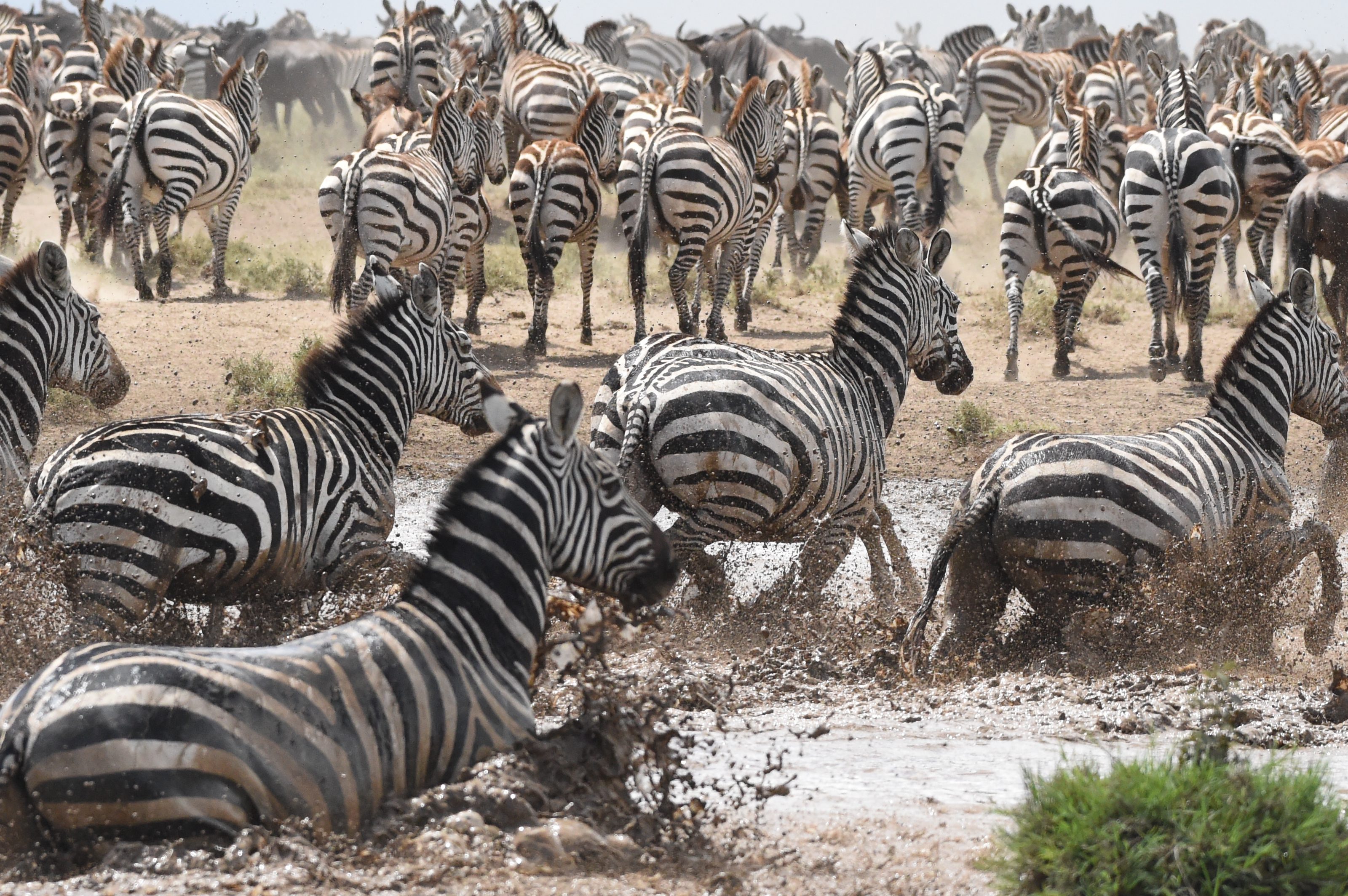
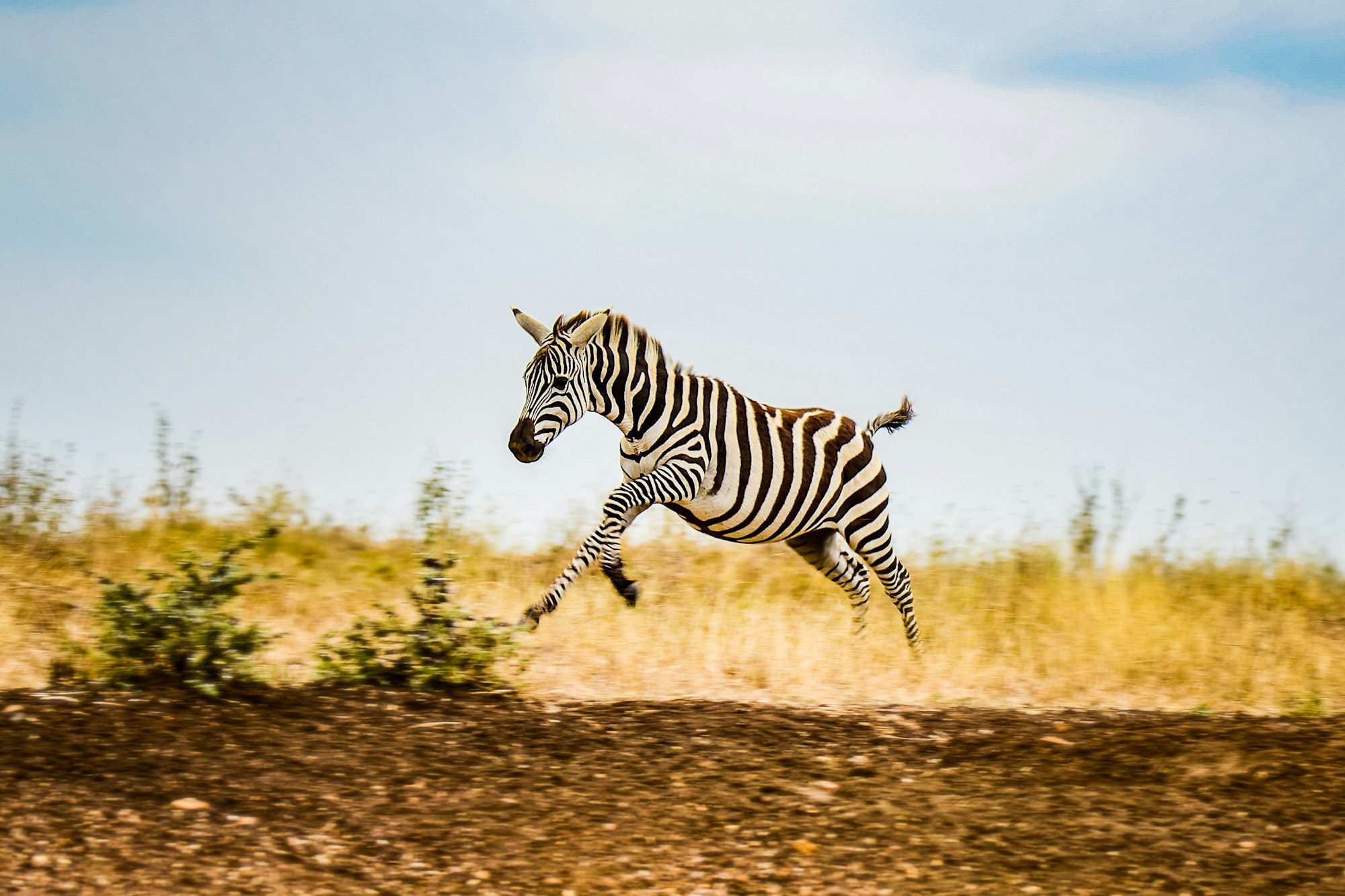
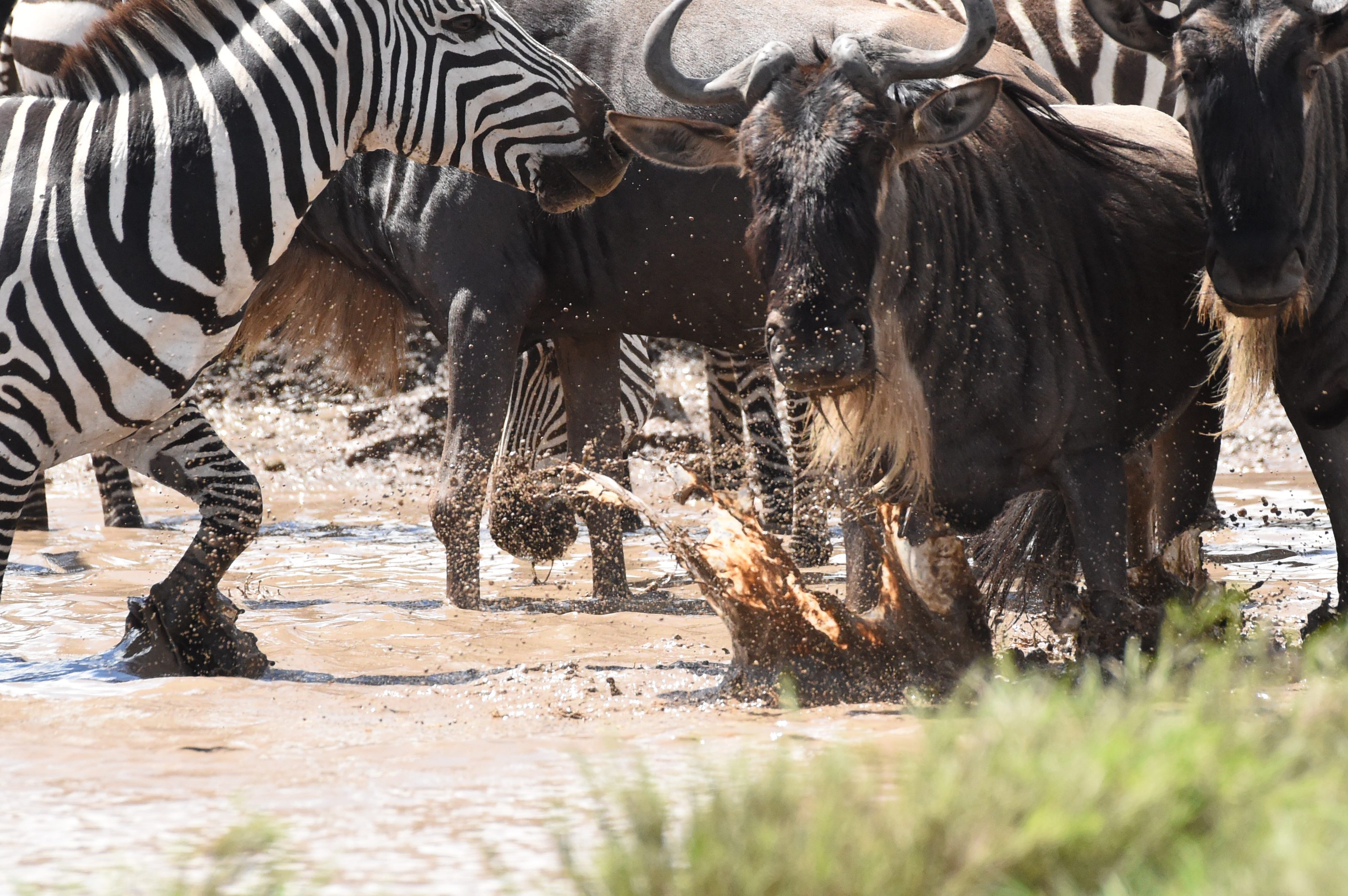
The Great Migration is in Tanzania year-round (it only spends July–October partly in Kenya's Mara). For river crossings, target late July through September in the northern Serengeti. For calving, visit January–February in the southern Serengeti.
Big Five Viewing
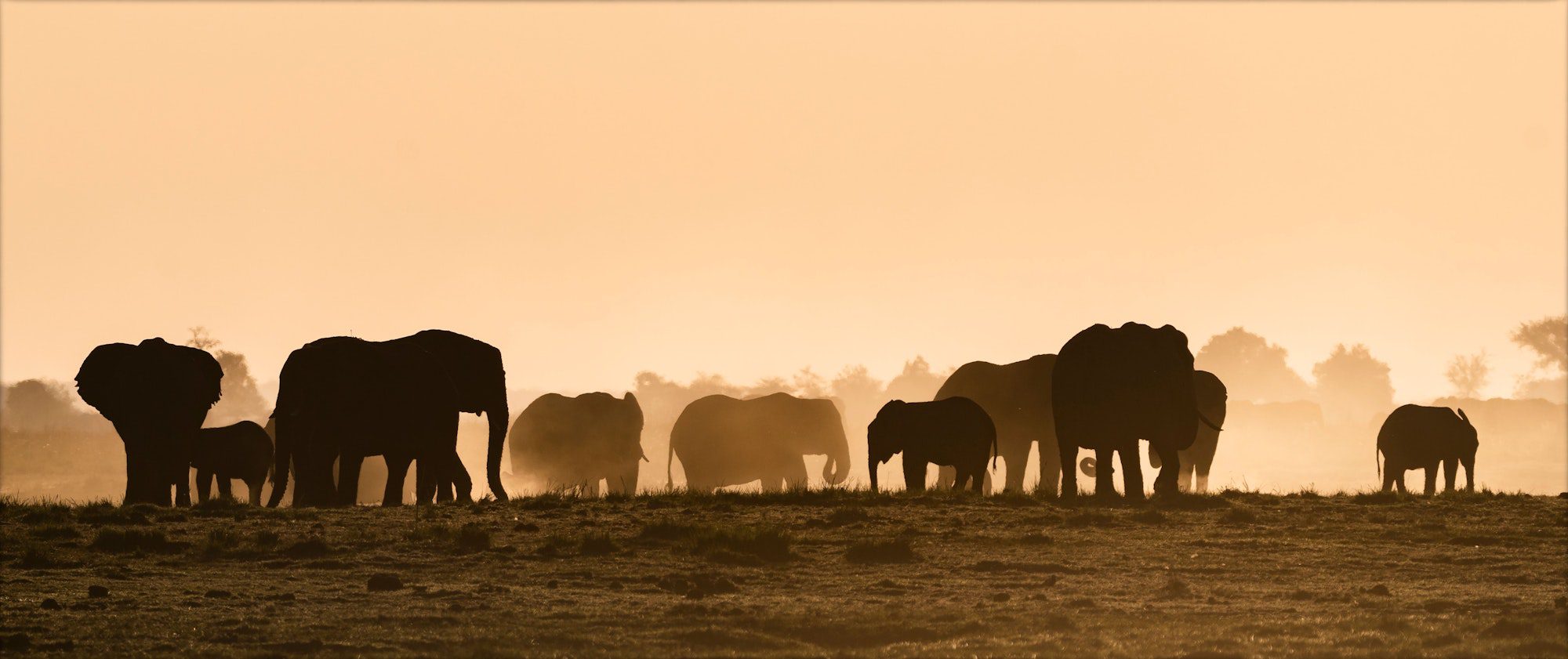
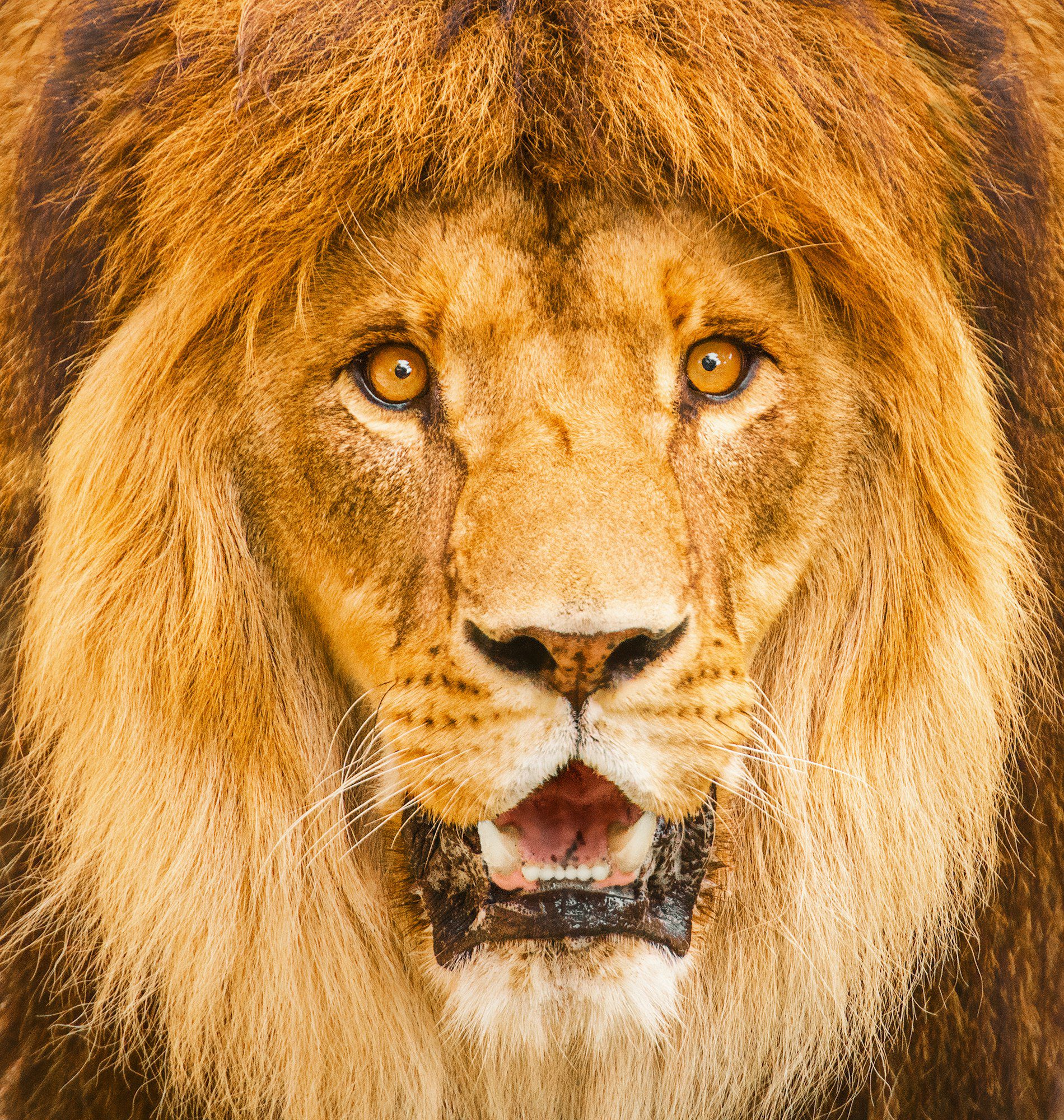
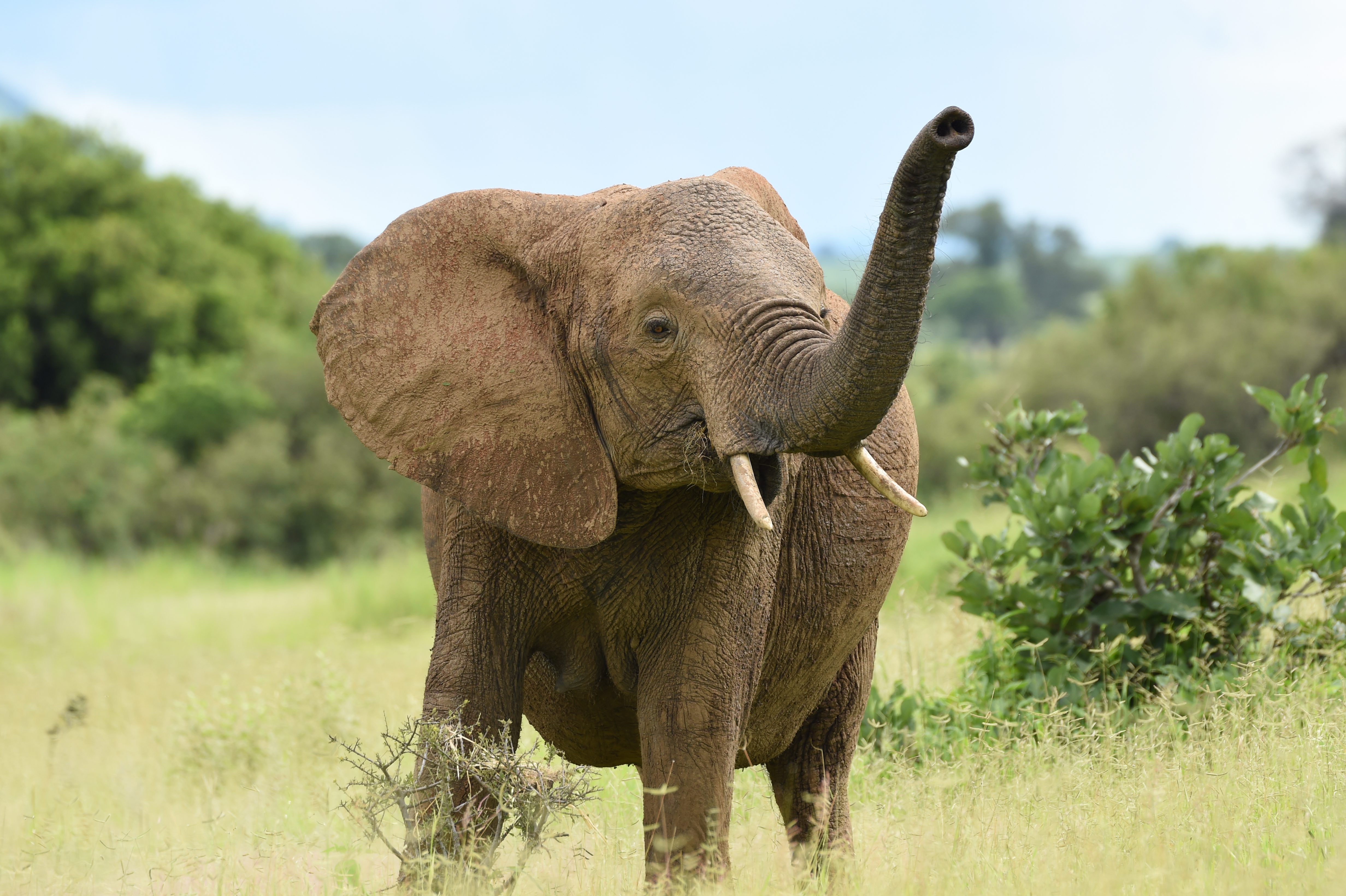
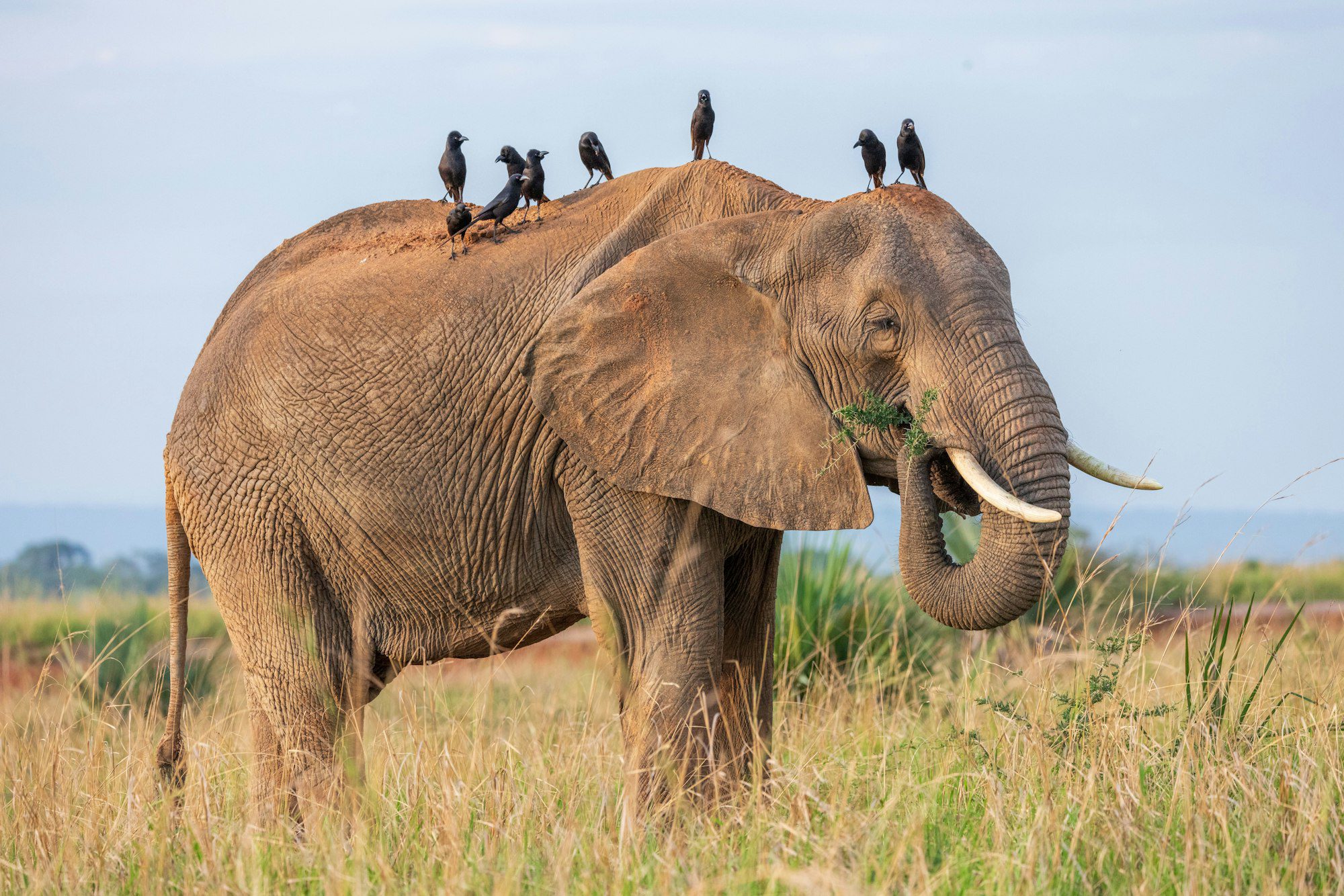
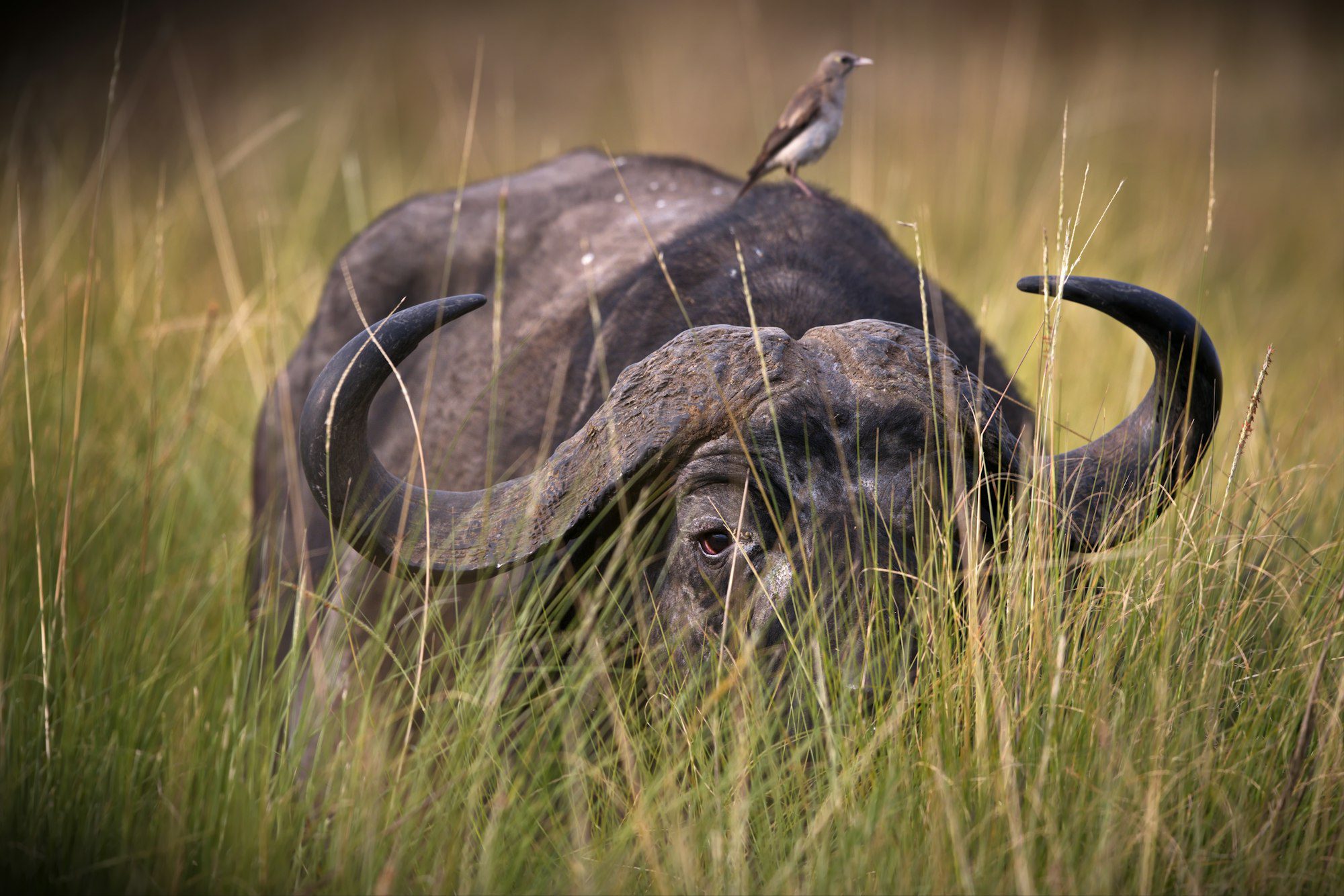
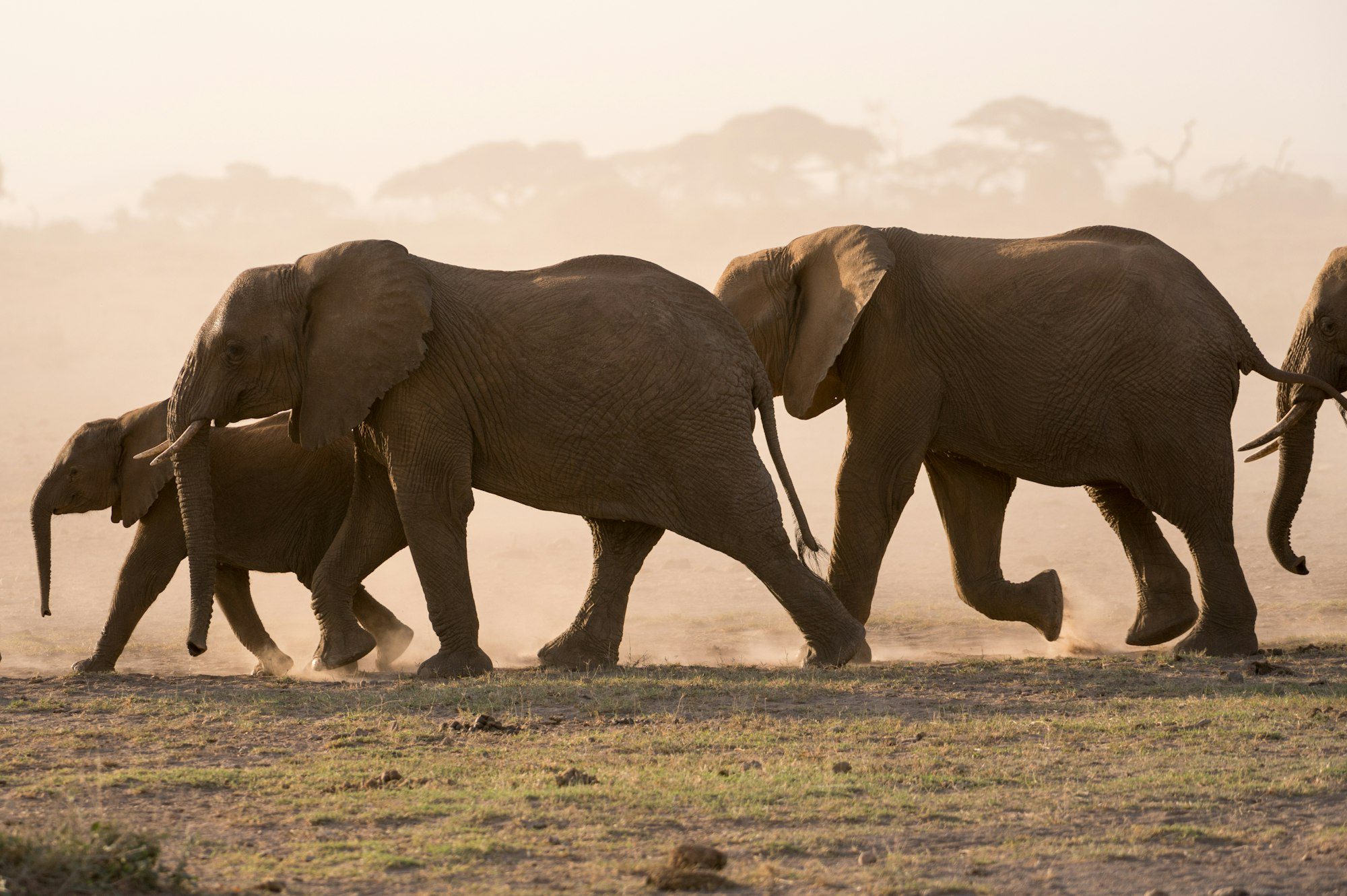
The Ngorongoro Crater offers Big Five year-round due to its enclosed ecosystem. For the Serengeti, the dry season (June–October) concentrates animals around rivers and waterholes, making them easiest to find. Tarangire's elephant herds are most concentrated in September–October.
Birdwatching
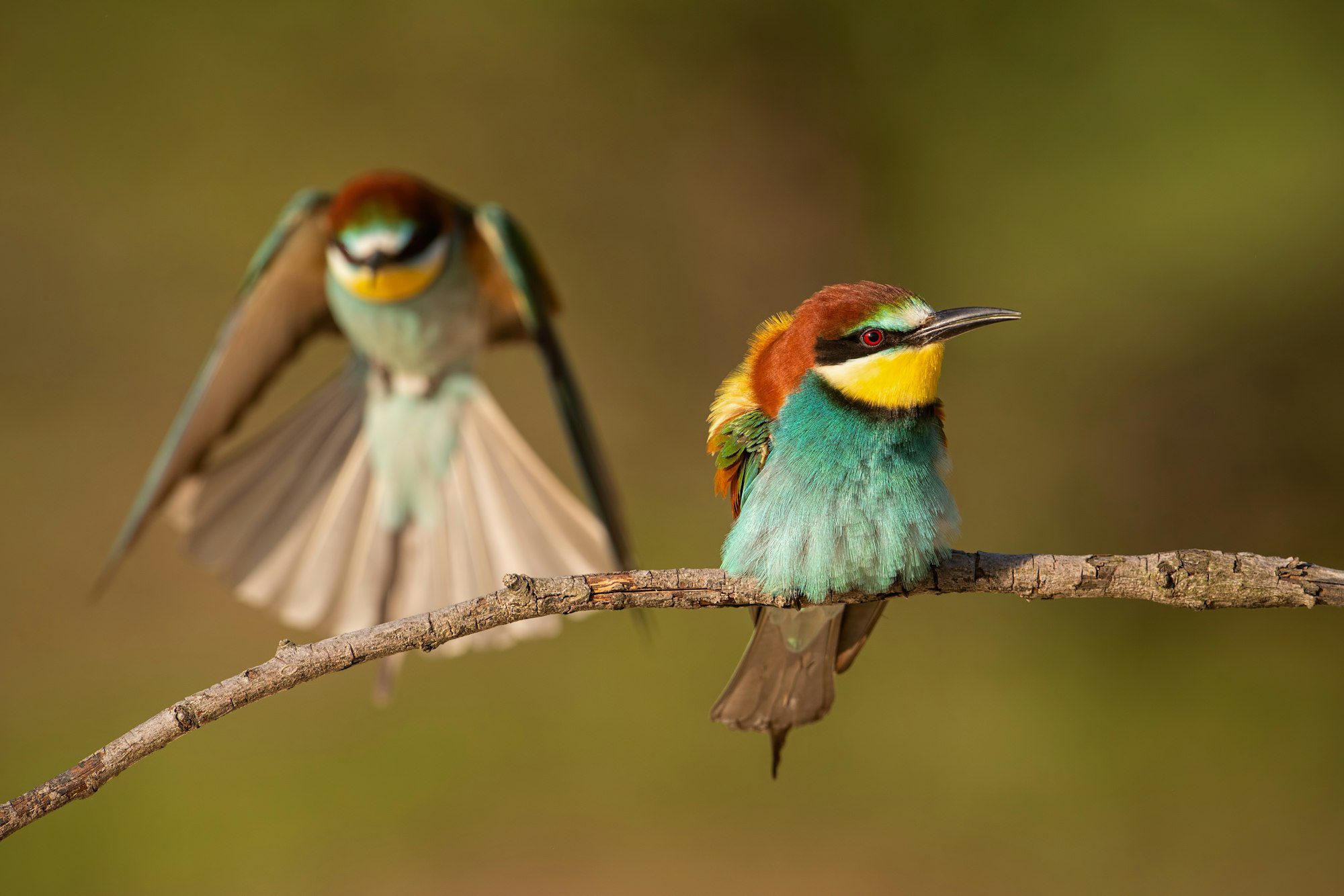
Tanzania has over 1,100 bird species. Migratory species arrive with the rains, making November–April the best birding period. Breeding plumage peaks during the short rains (November–December).
Photography
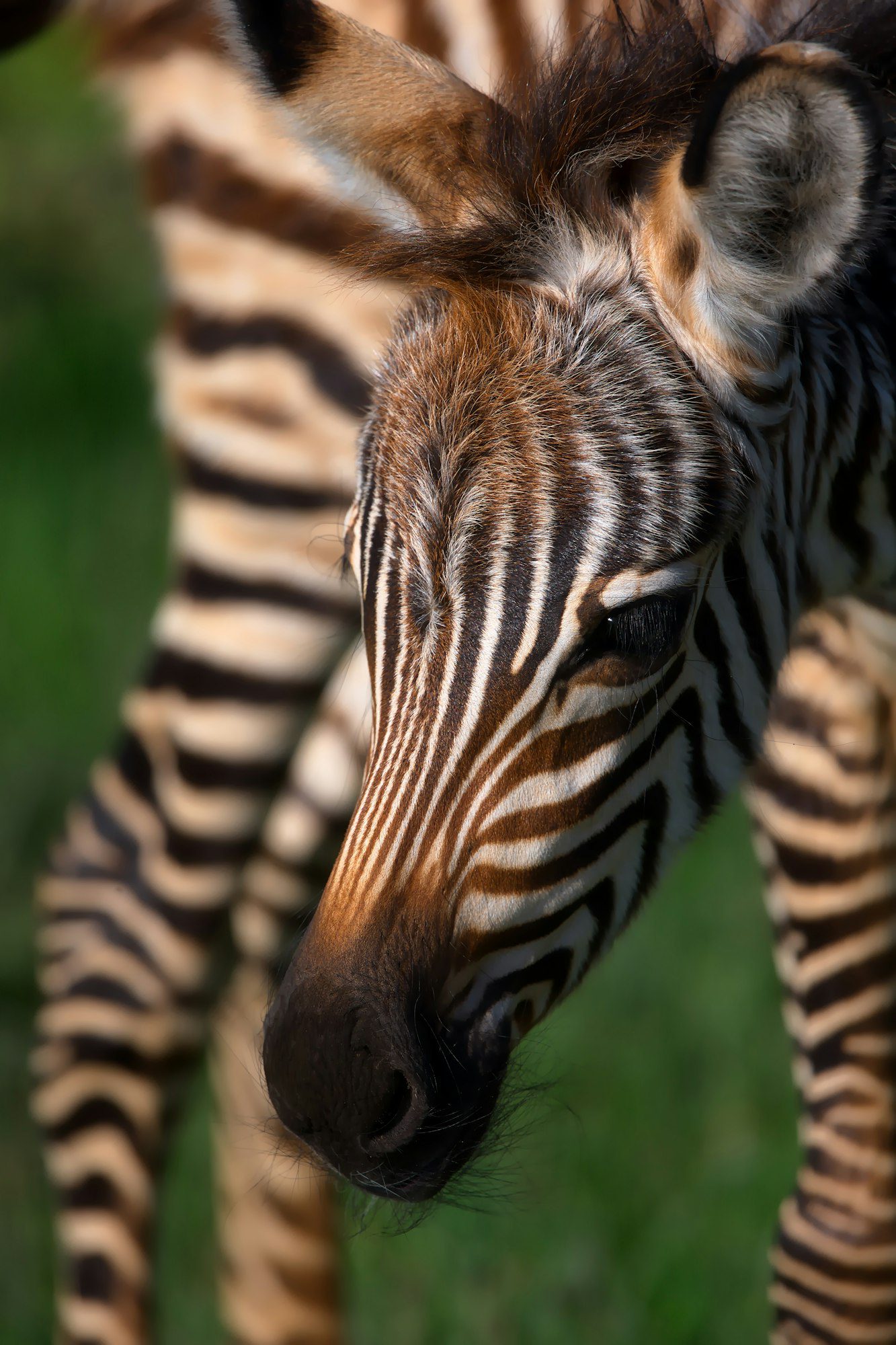
The green season (January–March) offers the best photography: dramatic storm clouds, lush green landscapes, golden light at dawn and dusk, and baby animals everywhere. The dust-free air after rain produces crystal-clear images.
Budget Travel
April–May (long rains) offers the lowest prices — 30–40% below peak. November is the best value month with good weather: prices are moderate and wildlife viewing is excellent. See our budget safari guide for detailed money-saving strategies.
Weather by Region
Tanzania's size means weather varies by location:
- Northern Circuit (Serengeti, Ngorongoro, Tarangire, Manyara): Long rains April–May, short rains November. Dry June–October. Ngorongoro Crater rim is always cooler (10–20°C) than the Serengeti plains (20–30°C).
- Southern Circuit (Ruaha, Nyerere/Selous): Single rainy season November–April. Best safari June–October. Hotter than the north.
- Western (Mahale, Katavi): Accessible May–October only. Heavy rains close most camps November–April.
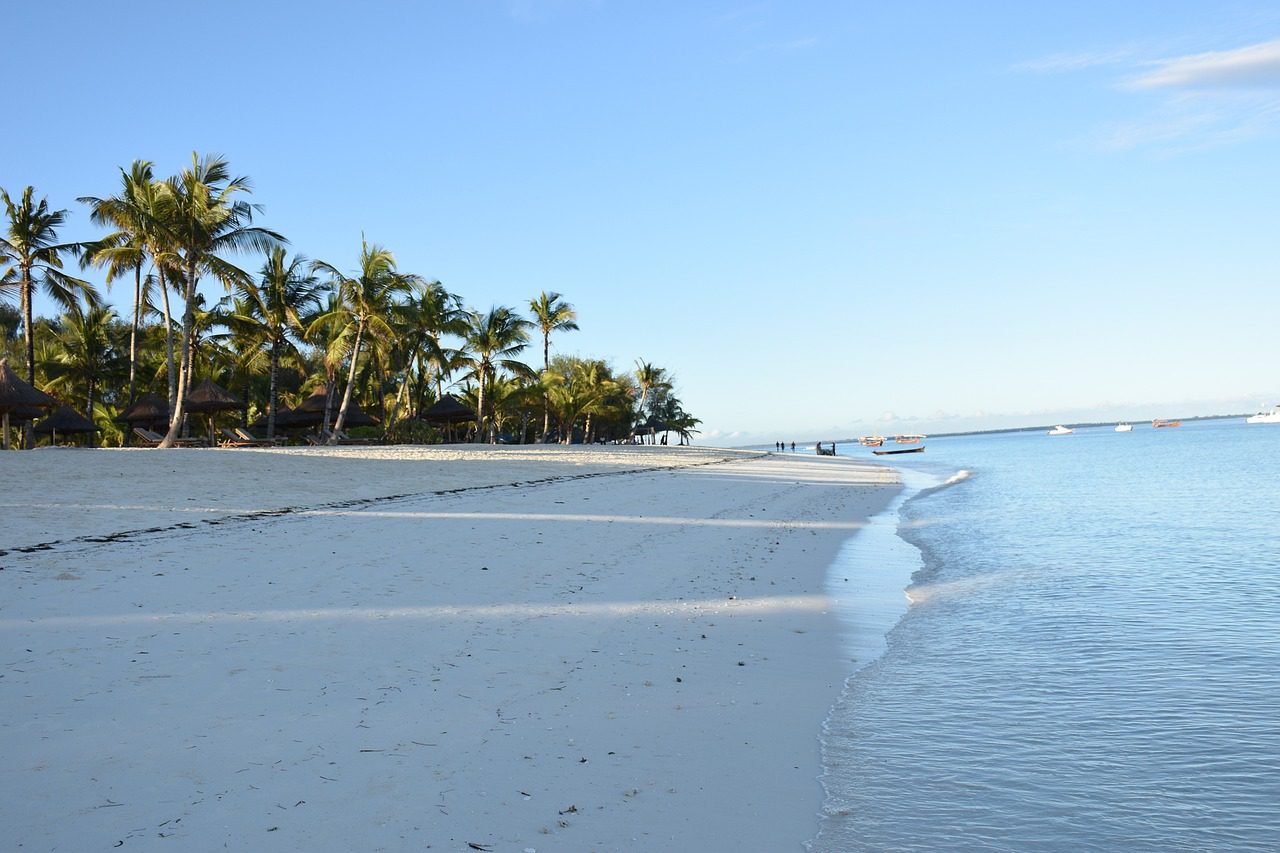
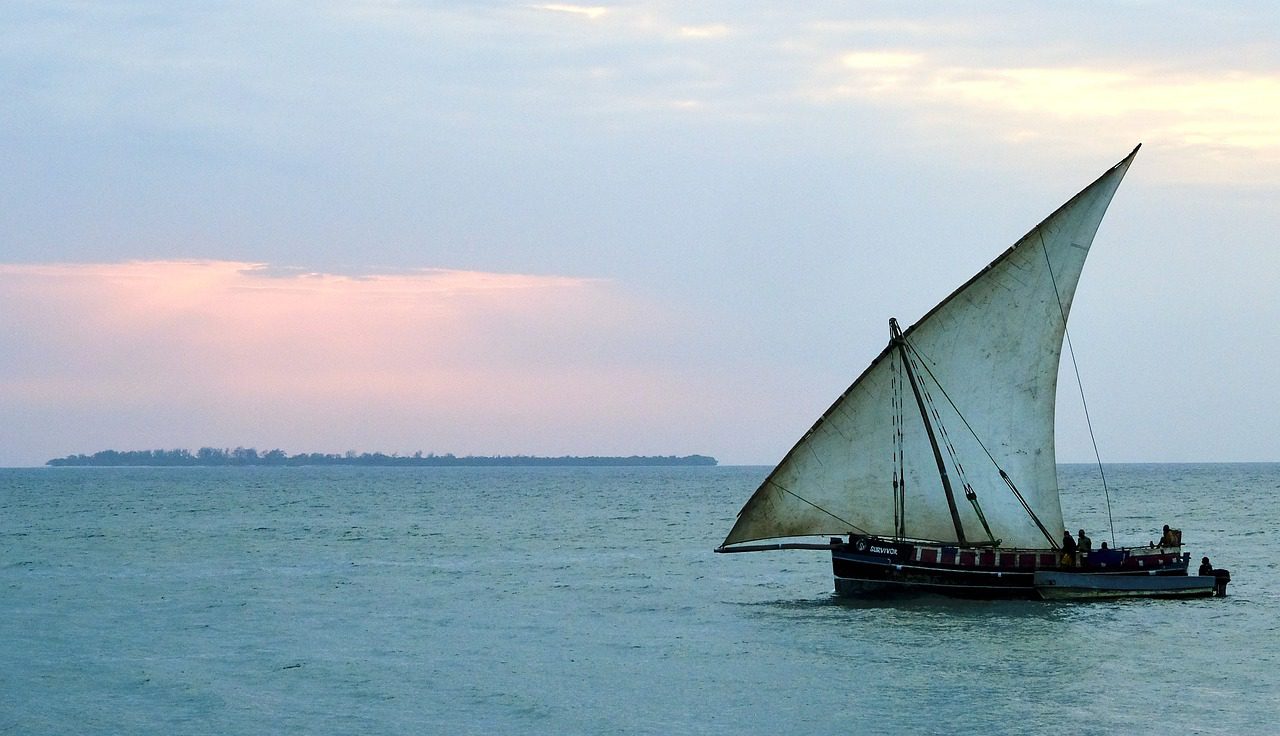
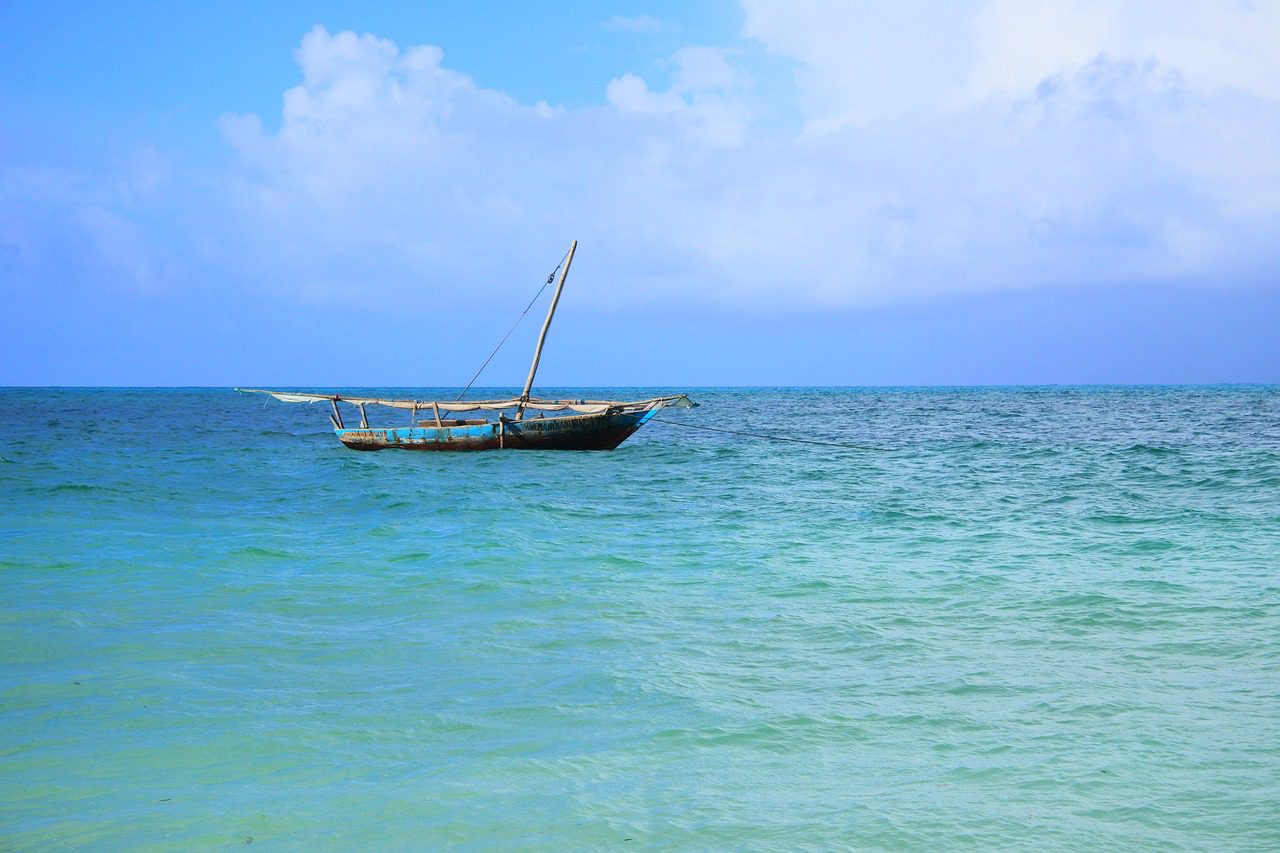
- Zanzibar: Hot and humid year-round. Best beaches December–March and June–October. Avoid April–May heavy rains.
Crowd Levels by Month
- Quietest: April, May, November (excluding late-November holidays)
- Moderate: January, February, March, June, December
- Busiest: July, August, September, October (school holidays worldwide)
Our Top Recommendation
For a first-time Tanzania safari, we suggest June, September, or January–February. June and September offer peak dry-season wildlife without the extreme crowds of July–August. January–February delivers the calving spectacle and green-season beauty at mid-range prices.
If you're flexible on dates, tell us your priorities (migration, Big Five, photography, budget) and we'll recommend the ideal month. Request your personalized safari quote to get started.