When Should You Visit the Serengeti?
The Serengeti delivers extraordinary wildlife viewing year-round, but the best time to visit depends on what you want to see. Whether you're chasing the Great Migration river crossings, hoping for Big Five encounters on the open plains, or looking for the best photography light and lowest crowds, there's an ideal window for every traveler.
As local safari operators based in Tanzania, we've guided visitors through every season. Here's our honest, month-by-month breakdown so you can choose the perfect time for your Serengeti safari.
Serengeti Seasons at a Glance
- Dry Season (June–October): Peak wildlife viewing, migration river crossings, minimal rain, warm days and cool nights. This is high season with higher prices and more visitors.
- Short Rains (November–December): Migration herds return south, birdlife explodes with migratory species, landscape turns green. Good value with fewer crowds.
- Green Season (January–March): Calving season in the southern Serengeti, lush scenery, predator action around newborns. Excellent photography conditions.
- Long Rains (April–May): Lowest prices, fewest tourists, some camps close. Rain is intermittent — mornings are often clear. Challenging road conditions in places.
Month-by-Month Serengeti Guide
January & February — Calving Season
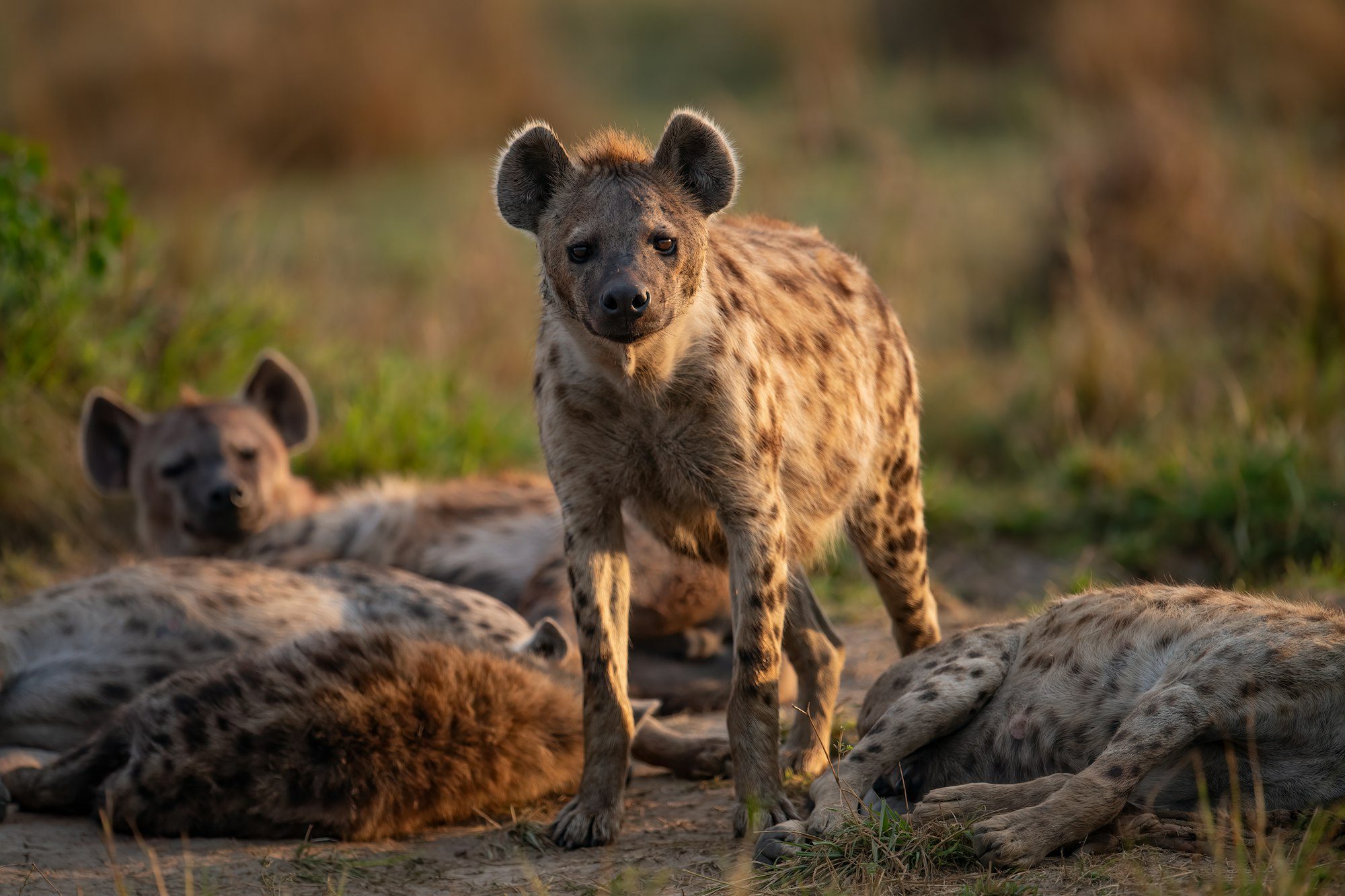
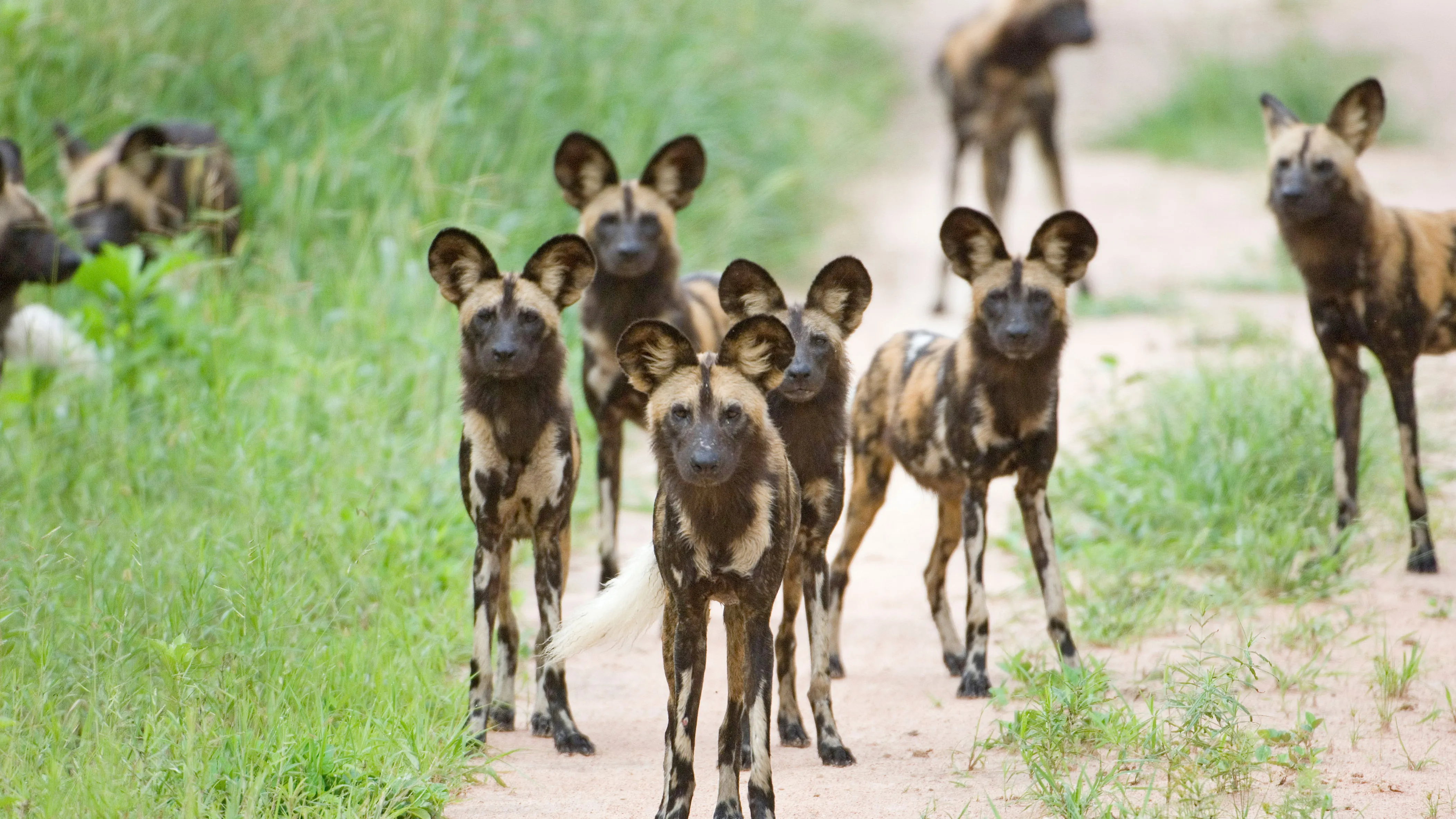
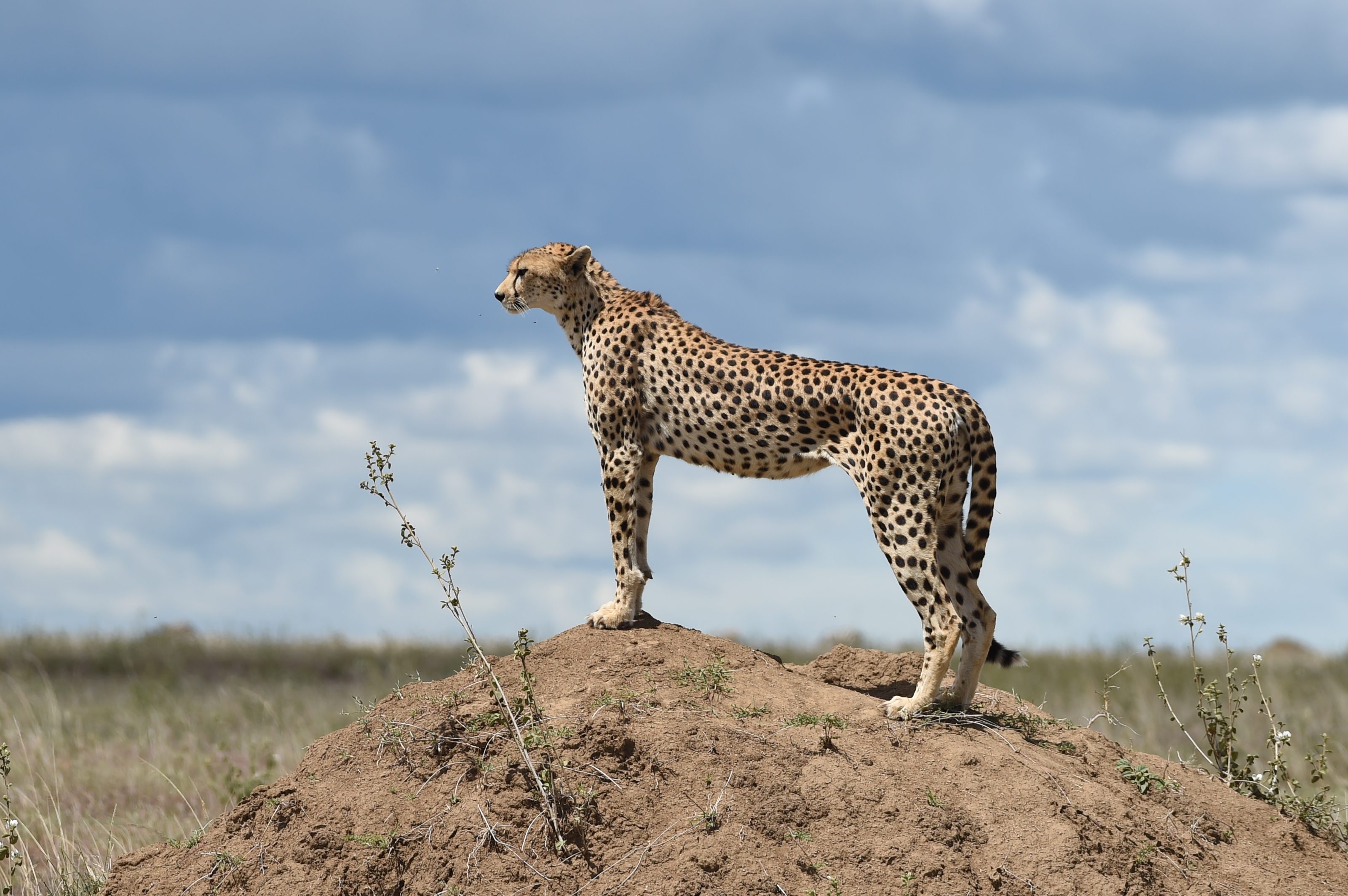
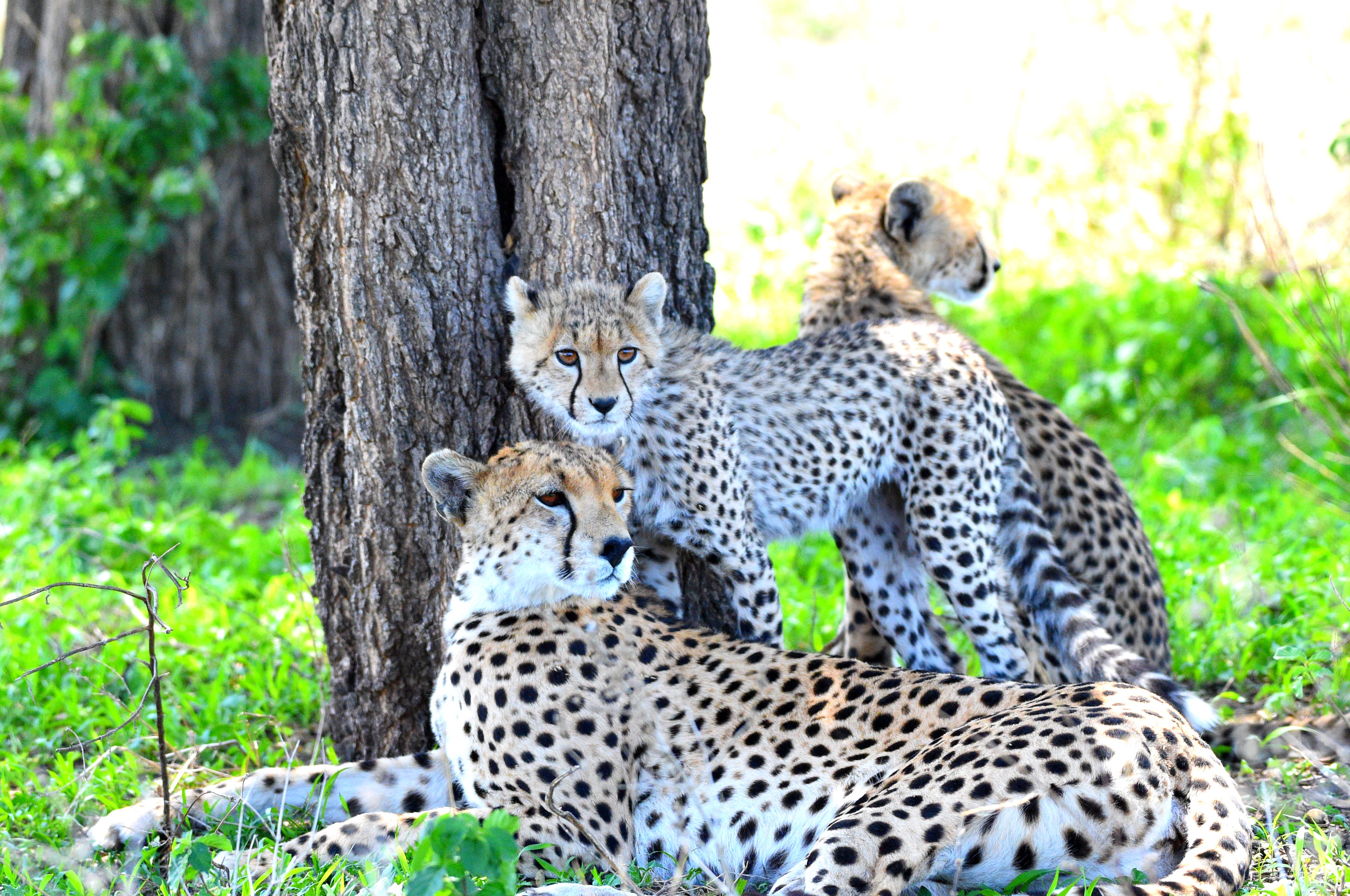
The wildebeest calving season is one of the Serengeti's most dramatic events. Over 8,000 wildebeest calves are born each day on the short-grass plains of the southern Serengeti and Ndutu area. Predators — lions, cheetahs, hyenas, and wild dogs — follow the herds, creating non-stop action.
Weather: Warm and mostly dry with occasional short showers. Daytime temperatures around 27–30°C. Crowds: Moderate — popular but not as busy as July–September. Price level: Mid to high season.
March — End of the Rains Begin
The herds start moving northwest as the long rains approach. Wildlife viewing remains excellent in the central Serengeti (Seronera area), where resident predators and year-round game ensure rewarding game drives regardless of migration position.
Weather: Increasing rain toward month's end. Crowds: Decreasing — shoulder season begins. Price level: Transitioning to low season rates.
April & May — Green Season
This is the Serengeti's quietest period. Some lodges close, and roads in remote areas can be challenging. However, the scenery is breathtaking — emerald-green plains stretching to the horizon under dramatic skies. For photographers, the light and cloud formations are unbeatable.
Weather: Intermittent heavy rain, but rarely all-day. Mornings are often clear. Crowds: Minimal — you may have entire sightings to yourself. Price level: Lowest of the year, 30–40% below peak.
June — Dry Season Begins
The migration herds mass in the Western Corridor, preparing for the dangerous Grumeti River crossings. The grass dries and shortens, making wildlife easier to spot. This is when the Serengeti starts to feel like the Africa of documentaries — golden savanna, dramatic predator-prey encounters, and clear blue skies.
Weather: Dry, warm days (25–28°C), cool mornings. Crowds: Building but still manageable. Price level: High season begins.
July & August — River Crossings
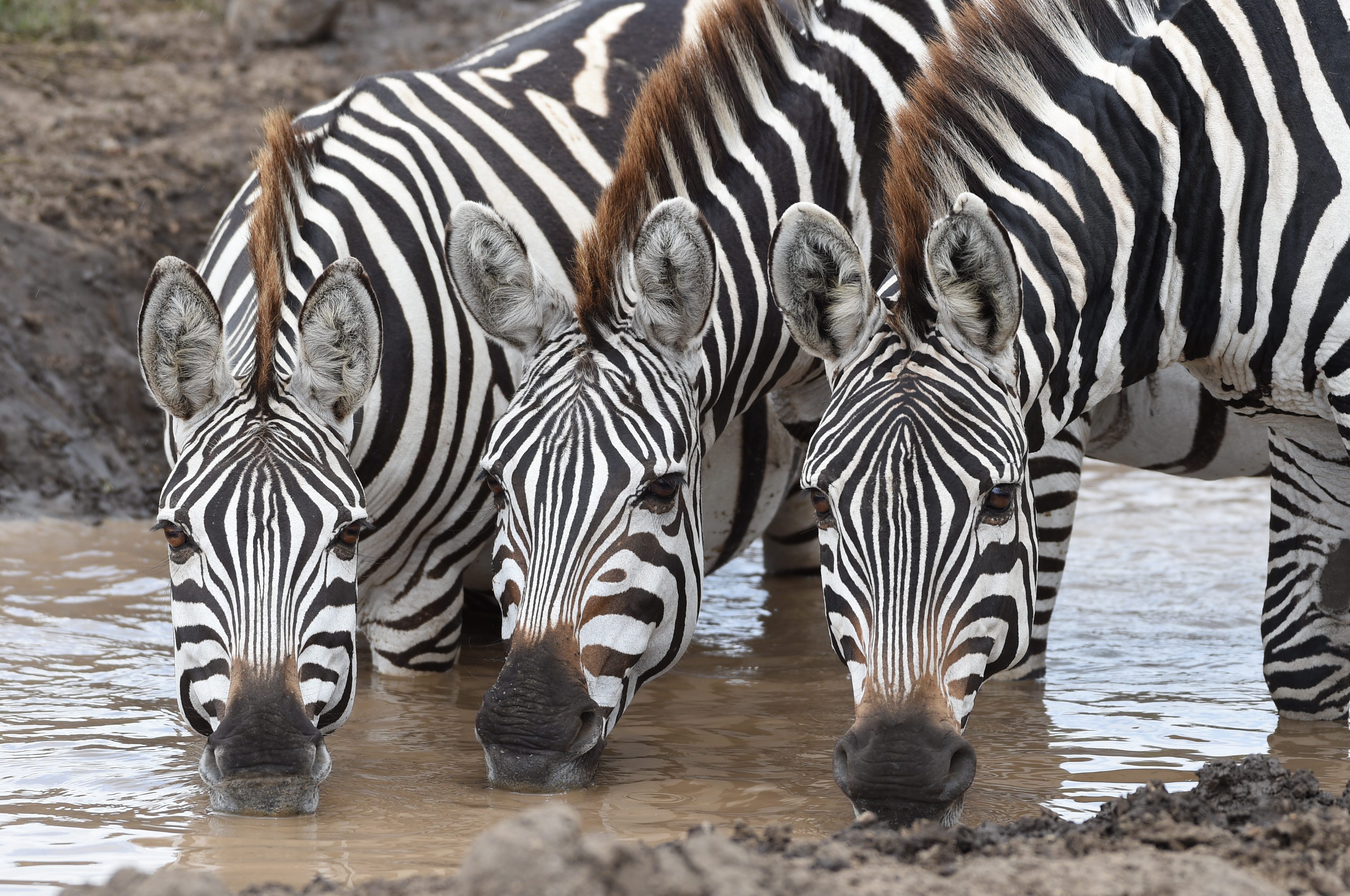
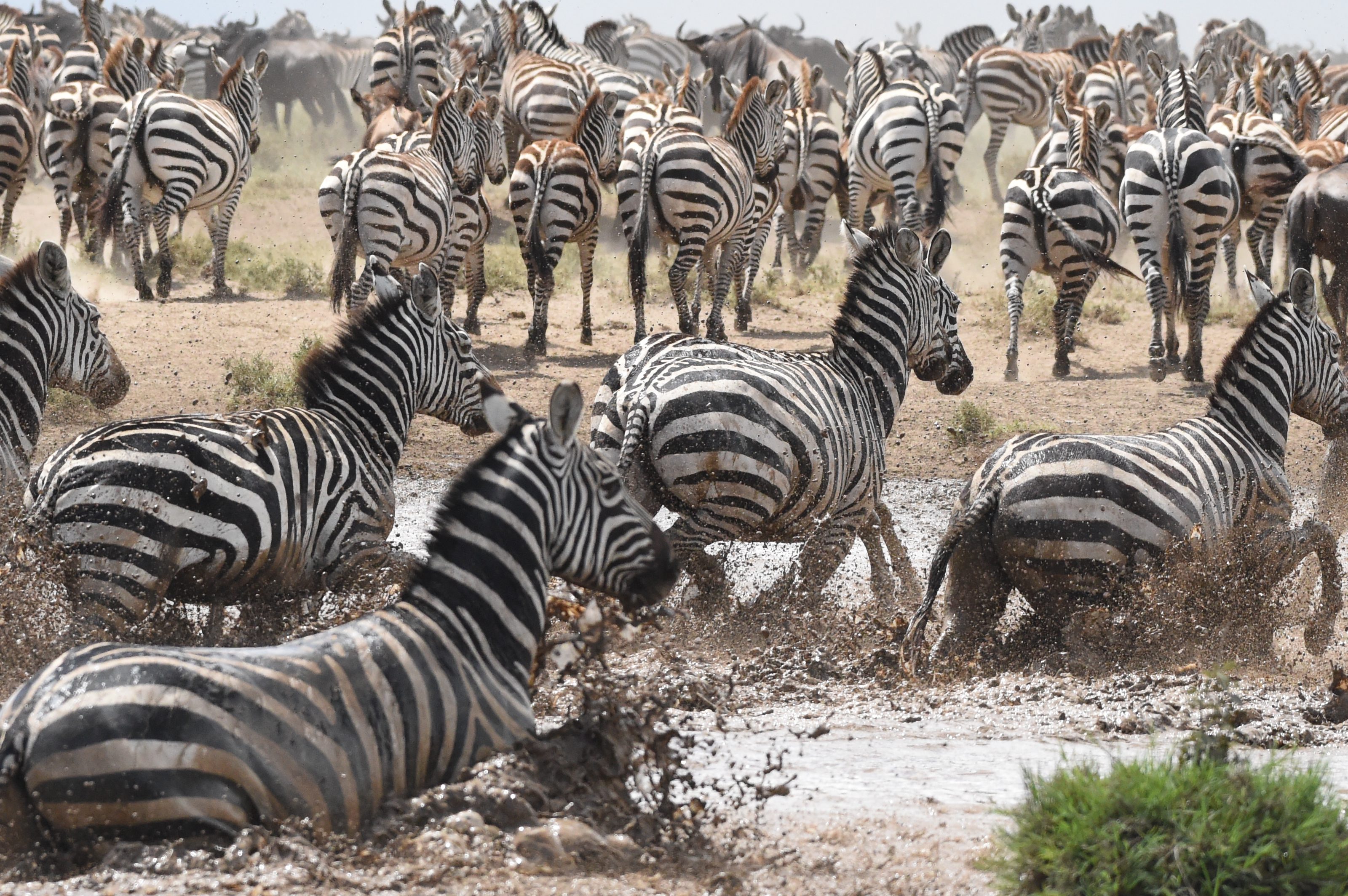
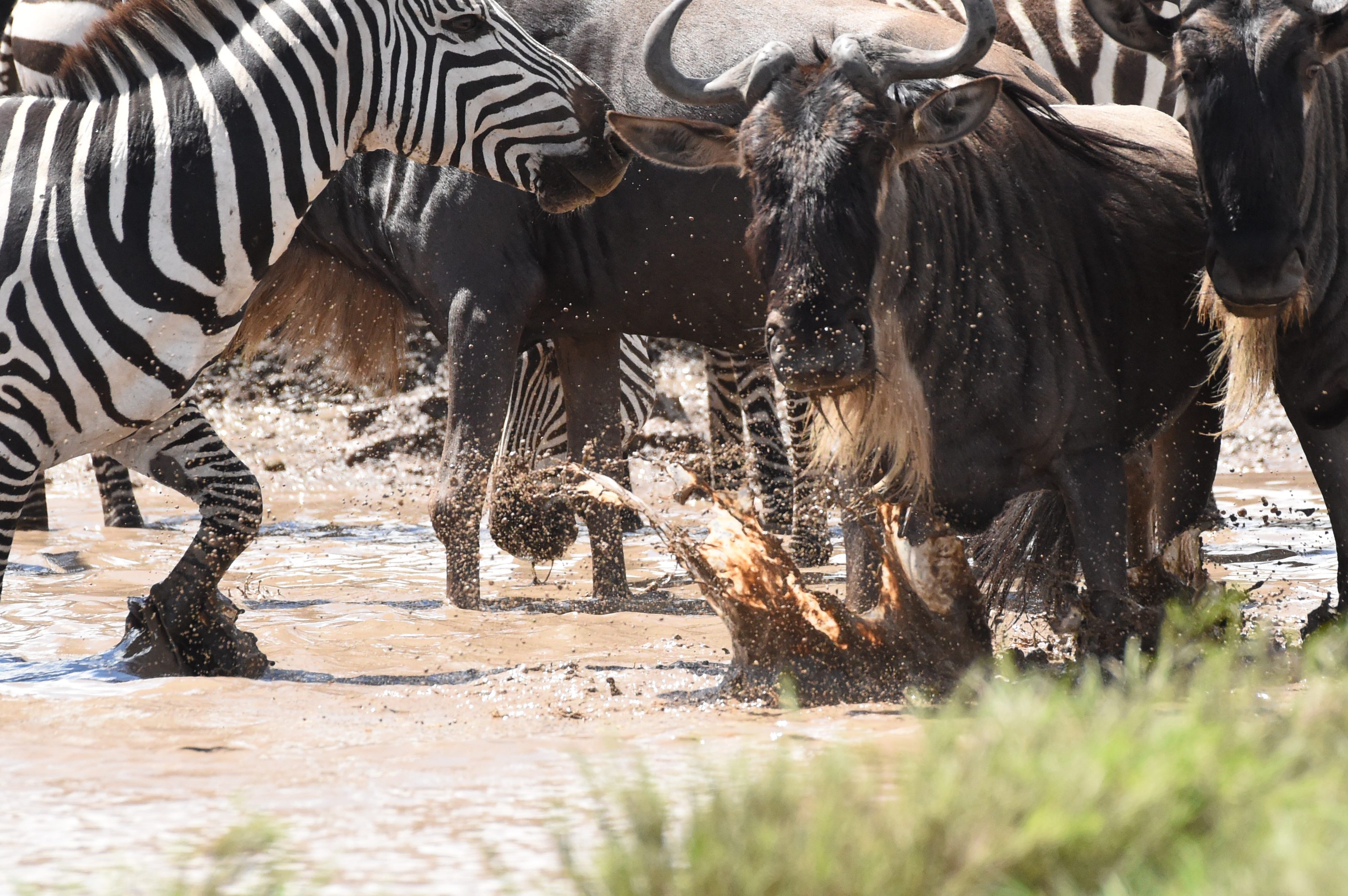
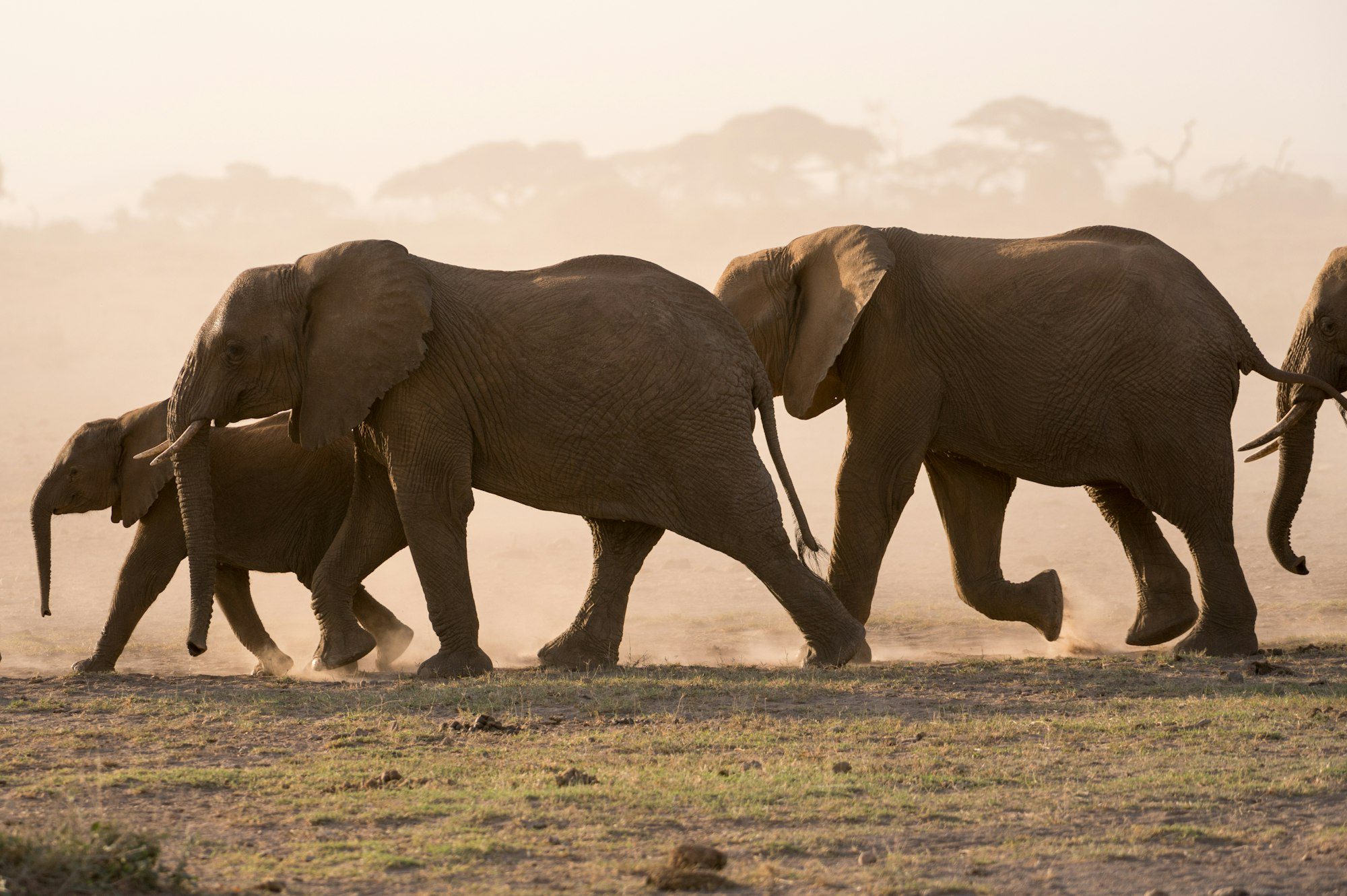
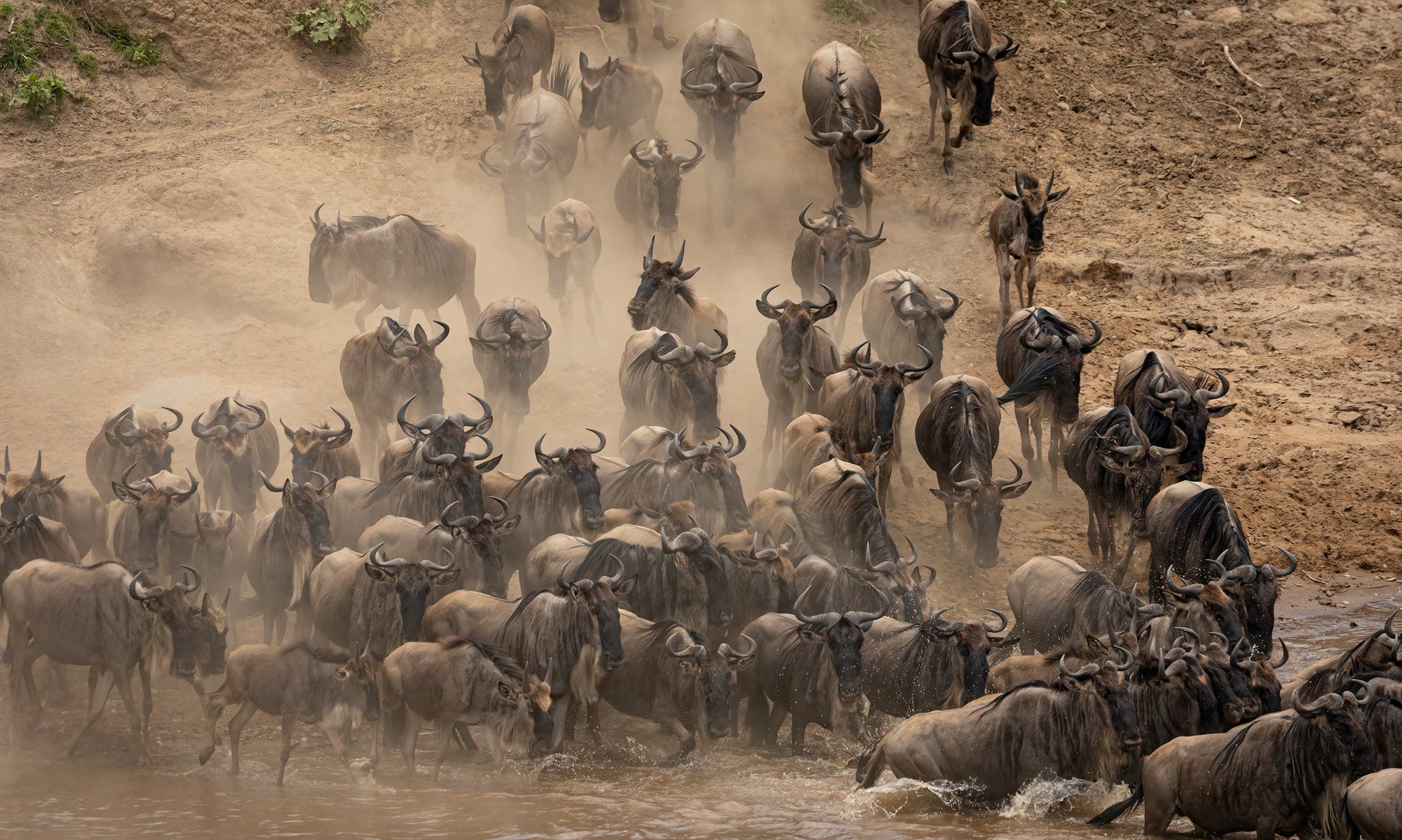
The Mara River crossings are the Serengeti's most iconic spectacle. Hundreds of thousands of wildebeest and zebra plunge into crocodile-infested waters in the northern Serengeti. Timing is unpredictable — the herds may cross and re-cross multiple times over several weeks.
Weather: Dry and pleasant, cool mornings (15–18°C). Crowds: Peak season — book 6–12 months ahead. Price level: Highest of the year.
September & October — Late Dry Season
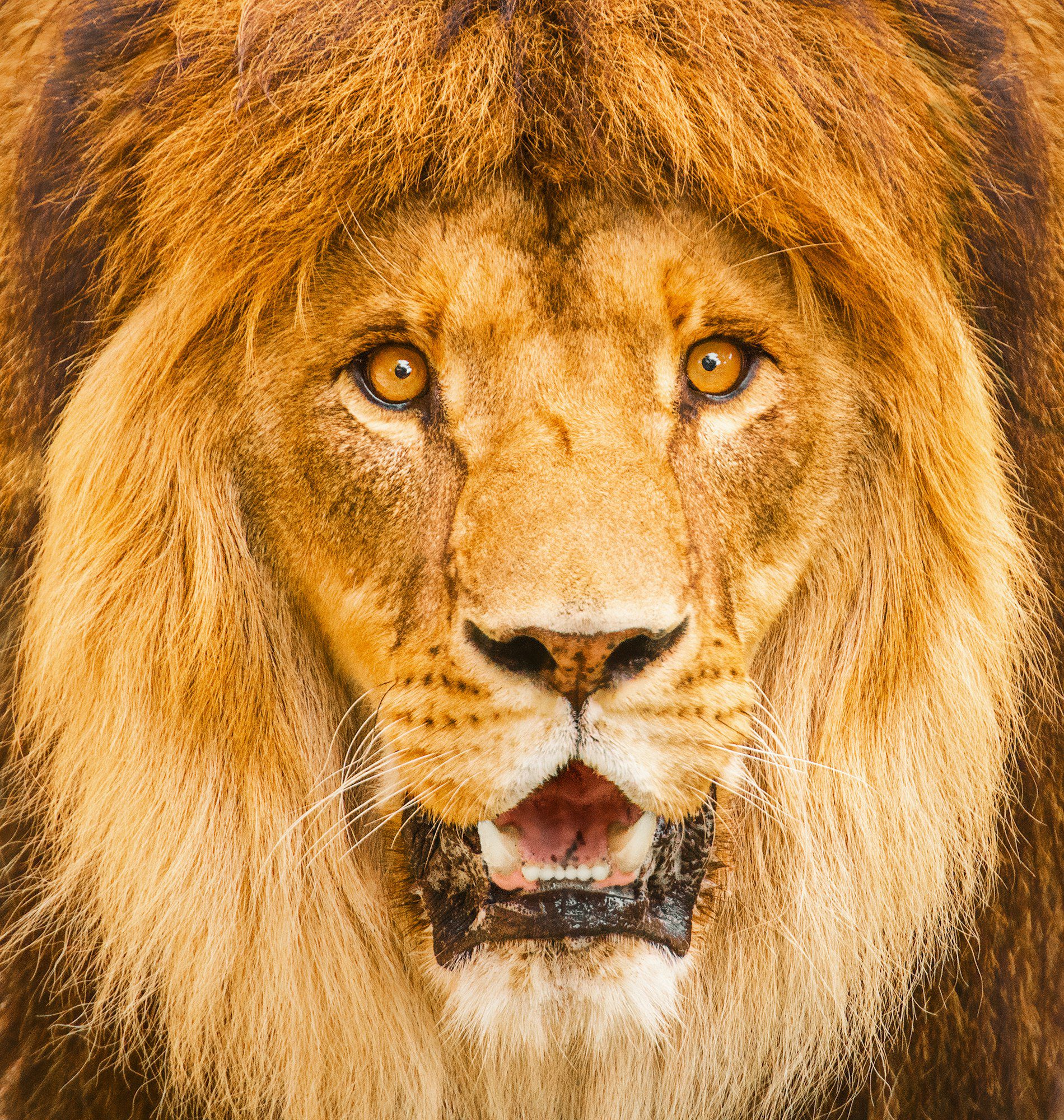
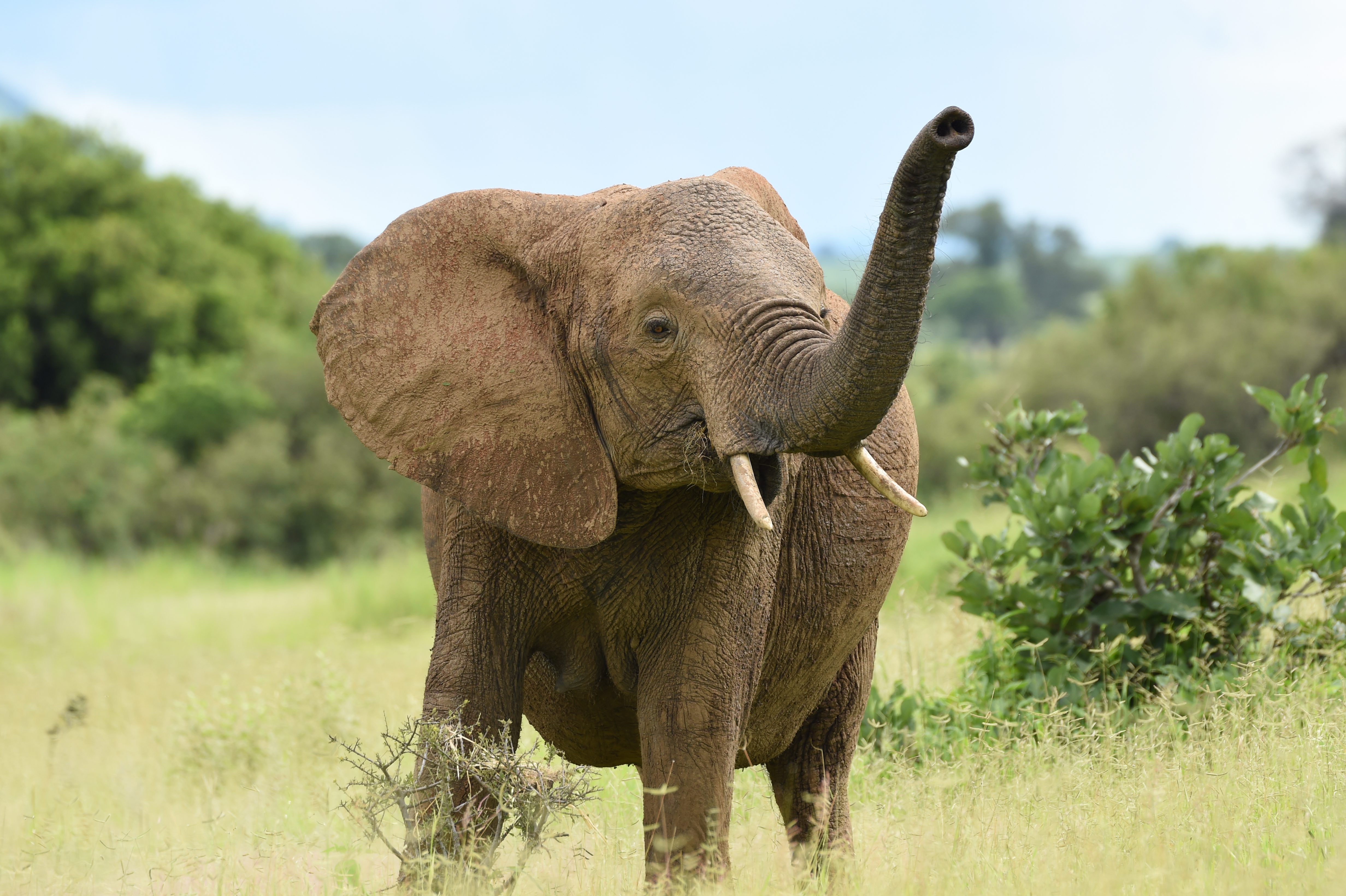
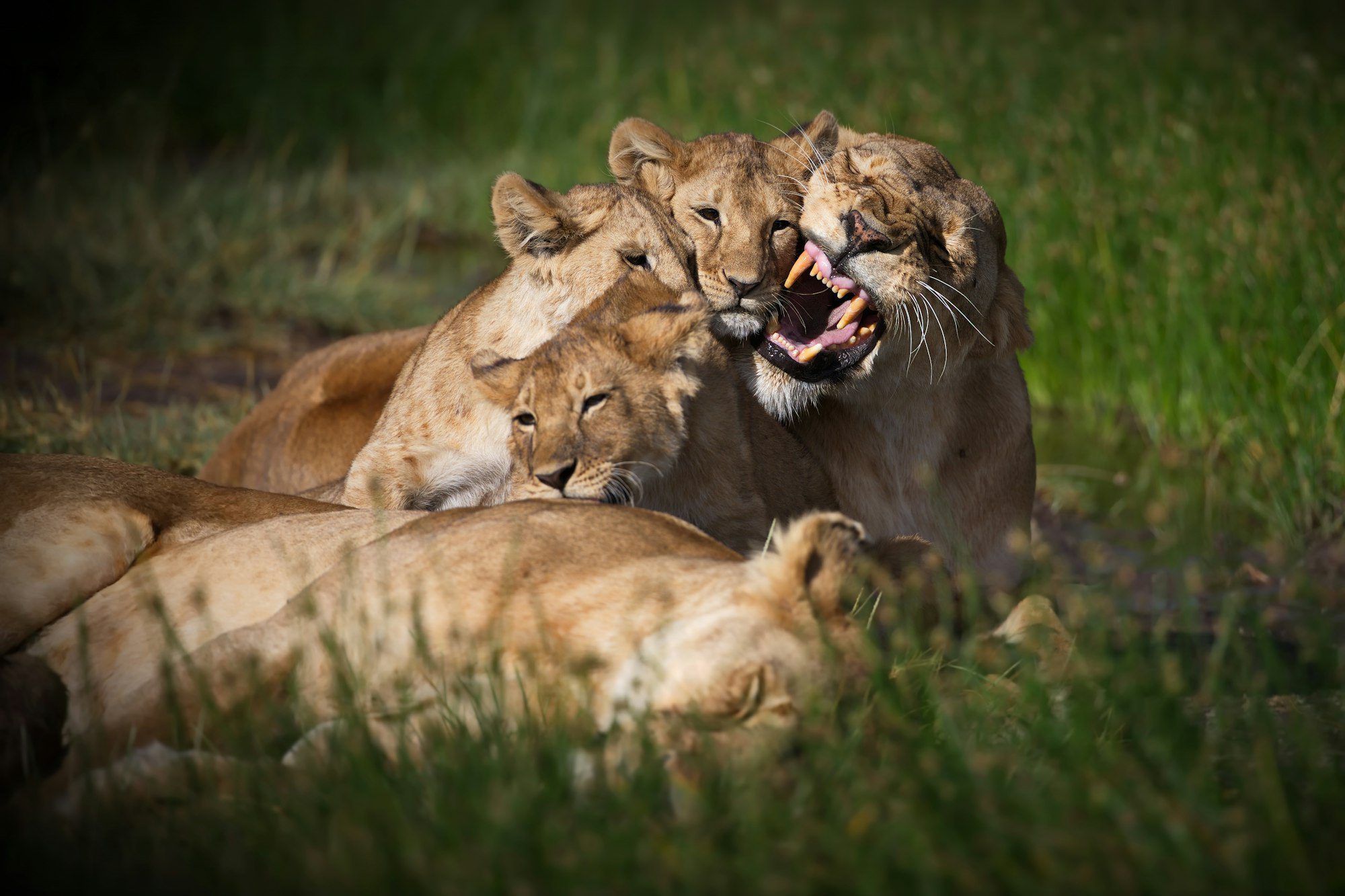
Crossings continue into September. By October, some herds begin drifting south. The dry conditions concentrate wildlife around remaining water sources, making game drives incredibly productive. This is arguably the best overall period for general wildlife viewing — everything from Big Five to smaller species is visible.
Weather: Hot and dry, temperatures reaching 30°C+. Crowds: High but declining by late October. Price level: Peak, dropping toward month's end.
November & December — Short Rains
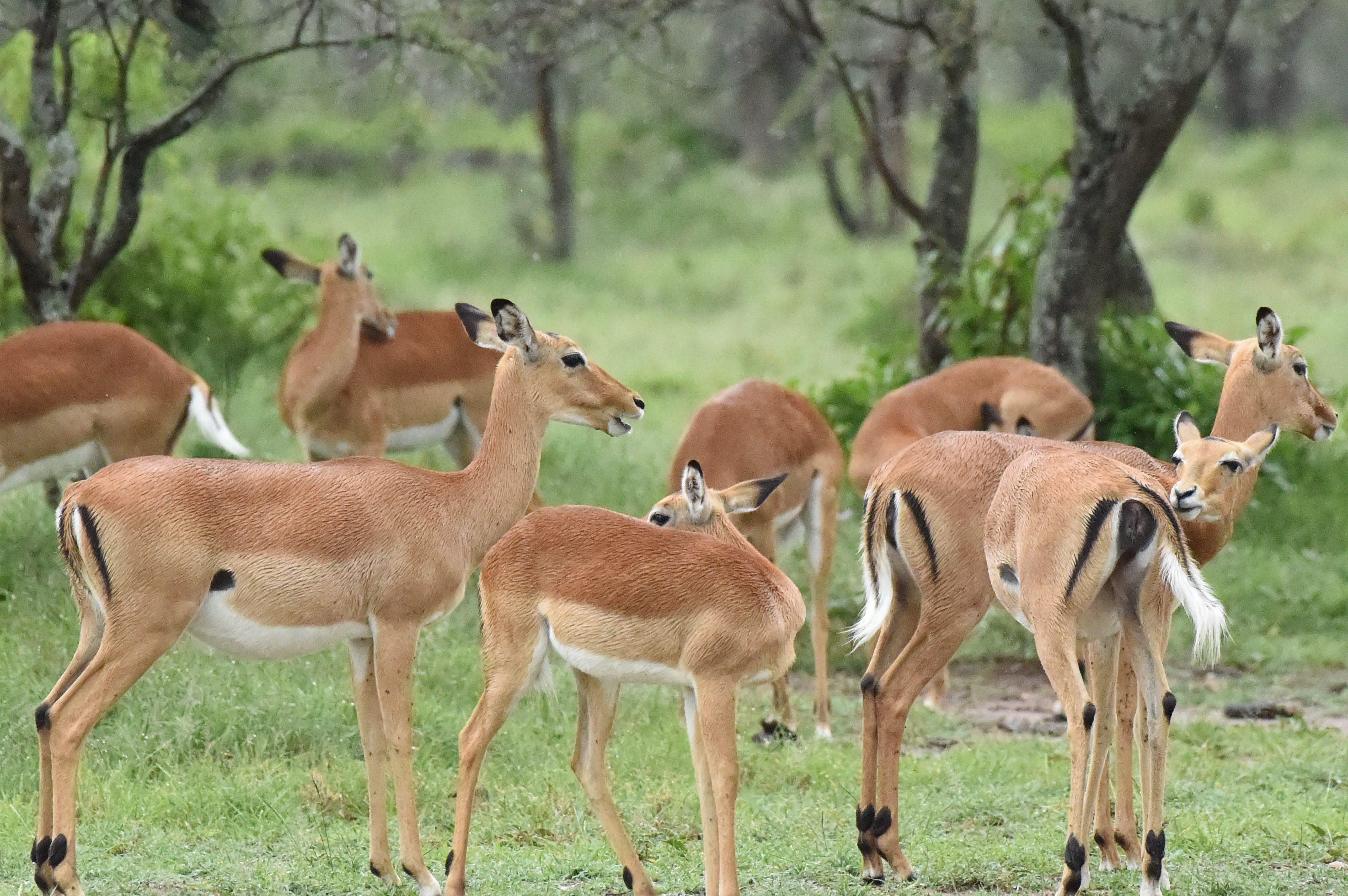
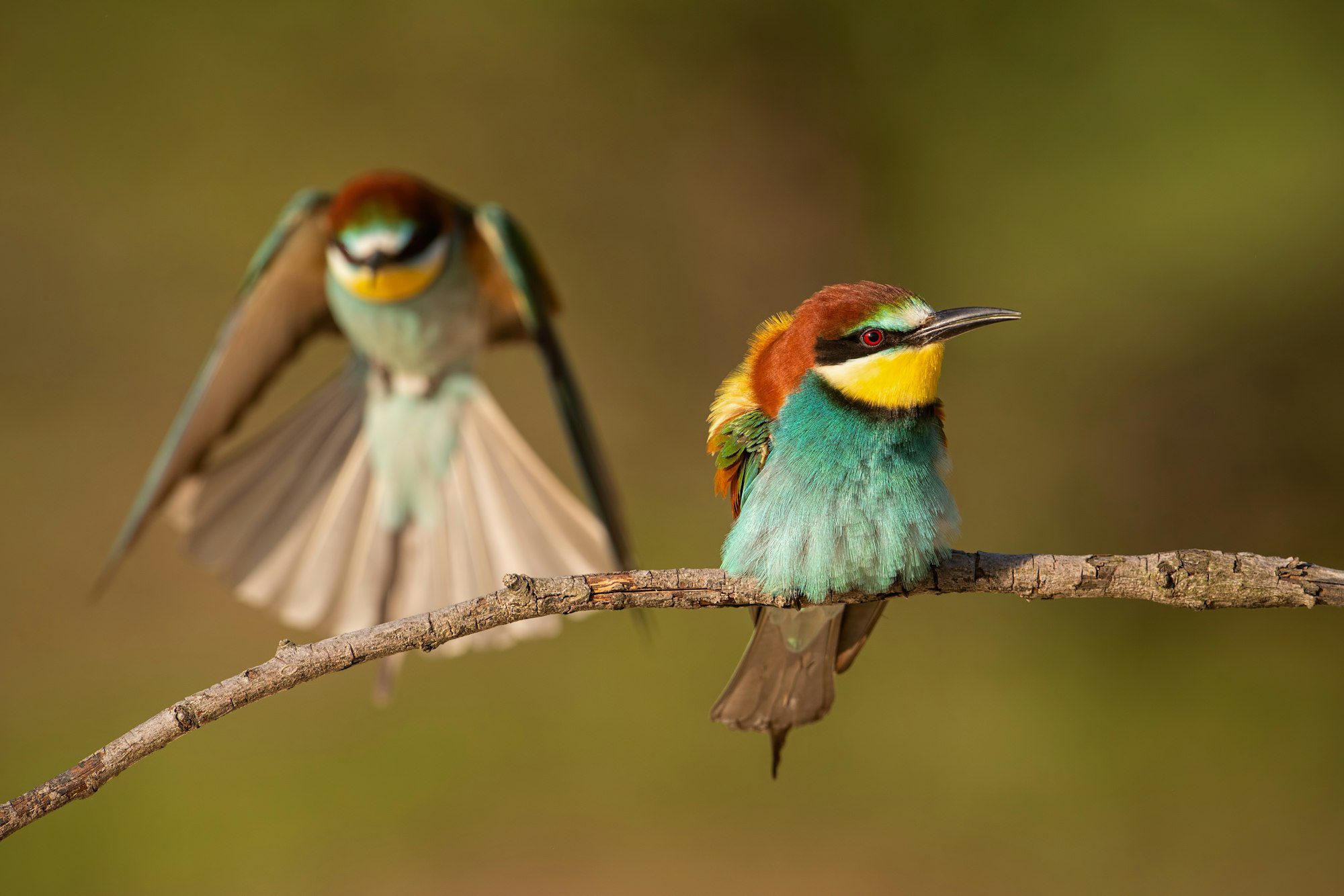
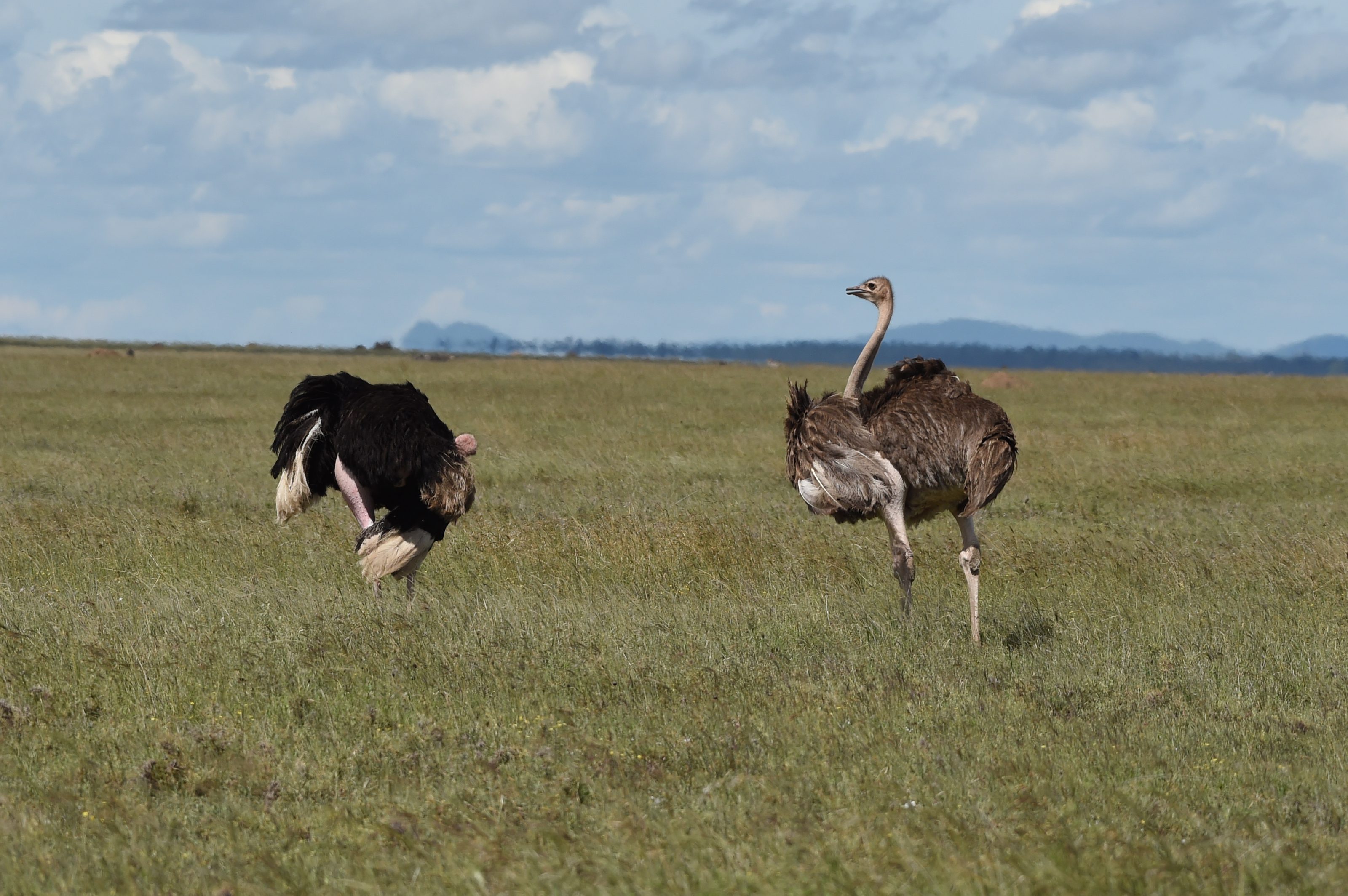
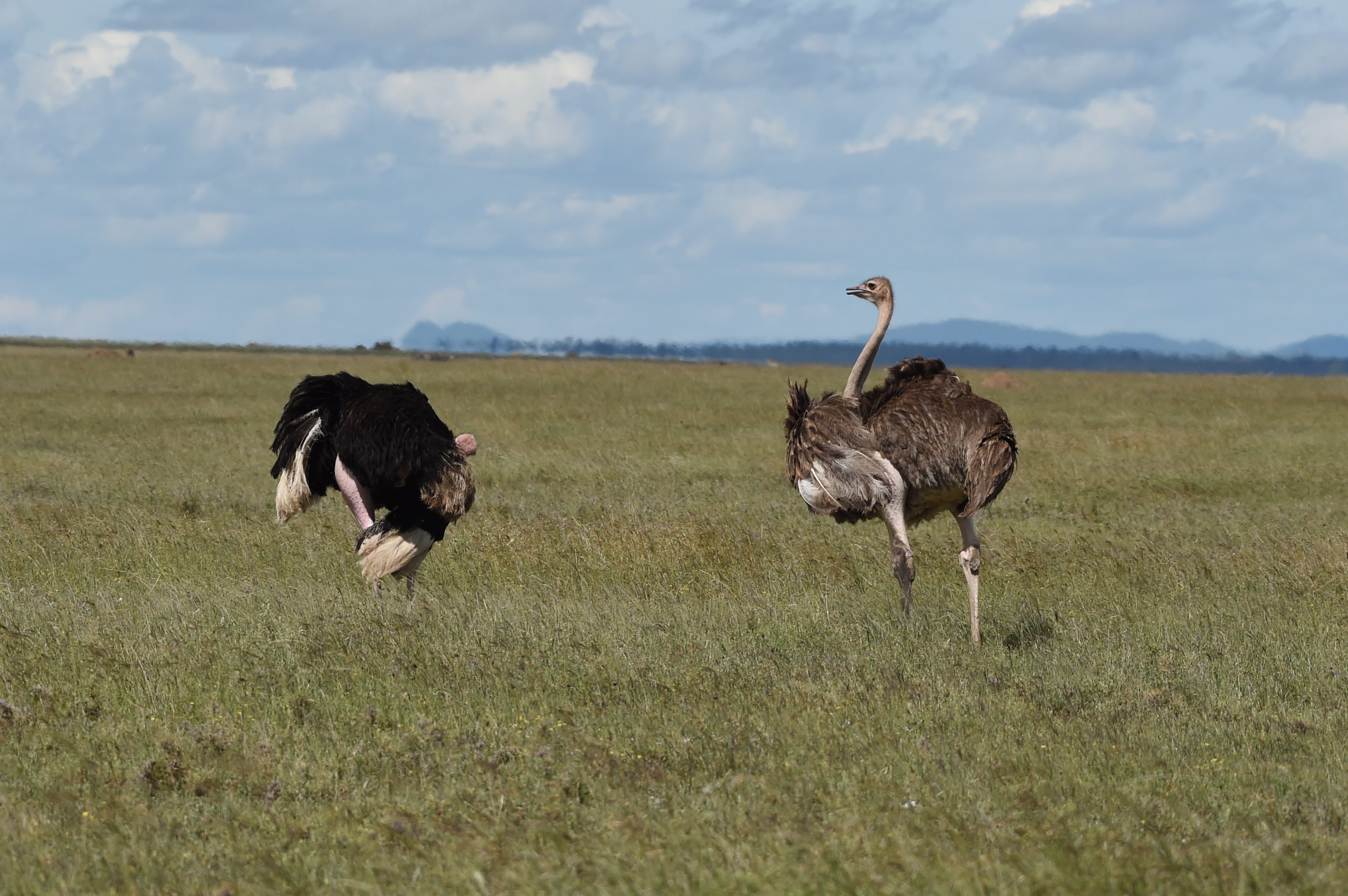
The short rains refresh the plains and trigger the migration's return south. Over 200 species of migratory birds arrive, making this paradise for birdwatchers. The Serengeti transforms from golden brown to vibrant green almost overnight. Resident wildlife thrives, and newborn gazelle and impala fawns attract predators.
Weather: Short afternoon showers, warm. Crowds: Low to moderate. December picks up around holiday season. Price level: Mid-range, excellent value in November.
Our Recommendation
For first-time visitors, we recommend June to early July or late September to October. You get peak dry-season wildlife viewing without the extreme peak-season crowds and prices of July–August. For migration river crossings specifically, target late July through mid-September.
For the best value with excellent wildlife, January–February (calving) and November (short rains) are outstanding — and significantly less crowded than the dry-season peak.
Plan Your Serengeti Safari
Ready to experience the Serengeti? Our team designs custom itineraries based on your preferred travel dates, so we can position you in the right part of the park for the best wildlife action. Request your free safari quote and let us help you choose the perfect time to visit.
Also explore our complete Serengeti guide for detailed information on where to stay, what to expect, and how to make the most of your time in this extraordinary park.